
U.S. and Iran Reach Deal to End War and Reopen Strait of Hormuz, Sidelining Israel
The United States and Iran have finalized a memorandum of understanding to end months of warfare, lift the U.S. naval blockade, and reopen the Strait of Hormuz. The agreement, which includes a ceasefire in Lebanon, has drawn fierce opposition from Israel.
By Factlen Editorial Team
- US Administration
- Argues the deal is a definitive victory that immediately reopens the Strait of Hormuz without tolls and halts Iran's nuclear ambitions.
- Iranian Leadership
- Views the agreement as a forced concession by the US, achieved through Iran's successful leverage over global shipping.
- Israeli Government
- Fiercely opposes the terms of the agreement, arguing it rewards Iranian aggression and leaves Hezbollah intact in Lebanon.
- Geopolitical Analysts
- Warns that the memorandum is fragile, leaving Iran's nuclear infrastructure intact and the core drivers of the conflict unresolved.
- Lebanese & Regional Actors
- Expresses cautious optimism about the end of hostilities but frustration over being sidelined in negotiations that dictate their borders.
What's not represented
- · Commercial Shipping Industry
- · Lebanese Civilians
- · European Energy Importers
Why this matters
This agreement halts a devastating regional war that paralyzed global energy markets and sent oil prices soaring. However, Israel's refusal to abide by the Lebanon ceasefire and the unresolved status of Iran's nuclear program mean the Middle East remains on the brink of wider conflict.
Key points
- The U.S. and Iran have finalized a memorandum of understanding to end their months-long conflict and reopen the Strait of Hormuz.
- The agreement includes lifting the U.S. naval blockade on Iran and establishes a 60-day window to negotiate limits on Tehran's nuclear program.
- Global oil prices dropped sharply following the announcement, with Brent crude falling to approximately $83 per barrel.
- Israel has fiercely rejected the deal's mandate to end military operations in Lebanon, refusing to withdraw its forces from the northern front.
The United States and Iran have reached a preliminary agreement to end more than three months of direct warfare, signaling a potential close to a conflict that has paralyzed global shipping and reshaped Middle Eastern geopolitics. President Donald Trump and Pakistani Prime Minister Shehbaz Sharif announced the breakthrough on Sunday, confirming that a memorandum of understanding has been finalized. Trump declared the deal "complete" on his Truth Social platform, framing it as a definitive victory that would immediately restore the flow of global energy supplies.[1][5][7]
The core of the 14-point framework centers on a mutual de-escalation of maritime and military blockades. Under the terms of the agreement, the United States will lift its naval blockade on Iranian ports, which was imposed in retaliation for Tehran's aggressive posture in the Persian Gulf. In exchange, Iran has committed to reopening the Strait of Hormuz—a critical maritime chokepoint that handles a massive share of the world's oil traffic. The pact also formally extends a fragile ceasefire across multiple fronts, pausing direct military engagements between the two nations.[2][6]
The economic relief was immediate and measurable. Following the announcement, global energy markets exhaled, with Brent crude futures dropping sharply to approximately $83 per barrel after soaring well past the $100 mark during the height of the conflict. Asian stock markets rallied, with major indexes in Japan and South Korea climbing roughly 5 percent as the specter of a prolonged, catastrophic energy crisis began to recede.[6]

The diplomatic breakthrough follows exhaustive back-channel negotiations spearheaded by Pakistan and Qatar. Qatari mediators reportedly spent 17 hours in intensive talks in Tehran over the weekend to hammer out the final details of the memorandum. Pre-implementation discussions are now slated to take place in Doha to lay the groundwork for the official electronic signing ceremony, which is scheduled for Friday, June 19, in Switzerland.[1][5]
For the White House, the immediate reopening of the Strait of Hormuz is the centerpiece of the victory lap. Trump authorized the "toll-free" opening of the waterway and the immediate removal of the U.S. naval blockade, proclaiming, "Ships of the World, start your engines. Let the oil flow!" The administration has also touted the agreement as a definitive wall against Iran's nuclear ambitions, with Trump asserting that Tehran no longer seeks to procure or develop an atomic weapon.[1][5][8]
In Tehran, the framing is notably different. Iranian Deputy Foreign Minister Kazem Gharibabadi confirmed that the text of the memorandum had been finalized, but he emphasized that the agreement was drafted in an atmosphere of "continued distrust" and does not signify a newfound faith in Washington. Iranian officials have made it clear that their compliance is contingent upon the unfreezing of billions of dollars in assets and the verifiable lifting of the naval blockade, portraying the deal as a forced concession by the United States.[1][6]

The most volatile component of the agreement, however, is its explicit inclusion of the northern front. The U.S.-Iran pact calls for the immediate and permanent termination of military operations in Lebanon, where Israel has been engaged in a punishing, 15-week-long offensive against the Iranian-backed militant group Hezbollah. Iran has consistently demanded that any ceasefire encompass its regional proxies, and the inclusion of Lebanon was a major sticking point throughout the negotiations.[1][2]
The most volatile component of the agreement, however, is its explicit inclusion of the northern front.
That inclusion has provoked a furious reaction from Israel, which was largely sidelined from the final stages of the U.S.-Iran talks. Israeli Defense Minister Israel Katz issued a defiant statement on Monday, declaring that Israeli military forces will not withdraw from the vast swaths of territory they have seized in southern Lebanon, Syria, and the Gaza Strip. Prime Minister Benjamin Netanyahu reportedly told Trump directly that Israel does not consider itself obligated to abide by the Lebanon-related clauses of the agreement.[1][3]
The disconnect between the diplomatic framework and the reality on the ground was starkly illustrated over the weekend. As the final details of the deal were being negotiated, Israel launched a series of airstrikes against Hezbollah command centers in the southern suburbs of Beirut. The strikes nearly derailed the entire peace process, prompting Trump to publicly rebuke the Israeli offensive and demand that all sides stand down to preserve the fragile agreement.[5][6]
Within Lebanon, the reaction is a mix of cautious optimism and deep uncertainty. Hezbollah issued a statement crediting Iran with a "major achievement," suggesting the deal could lead to the liberation of Lebanese land and the reconstruction of war-torn areas. However, the Lebanese government itself was reportedly kept in the dark; official sources indicated that Beirut was not informed of the specific terms or the timing of the ceasefire, underscoring the degree to which the nation's fate is being decided by external powers.[5][9]
Beyond the immediate cessation of hostilities, the memorandum leaves the deeply contentious issue of Iran's nuclear program unresolved. The agreement establishes a 60-day window for follow-on negotiations specifically targeting Tehran's enriched uranium stockpile and nuclear infrastructure. U.S. officials maintain that any permanent sanctions relief will be tied to strict compliance during this period, setting the stage for a highly complex and fraught second phase of diplomacy.[2][8]

Geopolitical analysts are urging caution, warning of a significant gap between the aspirations outlined in the memorandum and the reality of a finalized treaty. Experts at the Atlantic Council noted that while the deal temporarily reduces violence and increases maritime traffic, it leaves Iran's nuclear infrastructure intact and validates Tehran's strategy of weaponizing the Strait of Hormuz. The ability to choke off global energy supplies remains a potent piece of leverage that Iran could wield again if the 60-day talks collapse.[4]
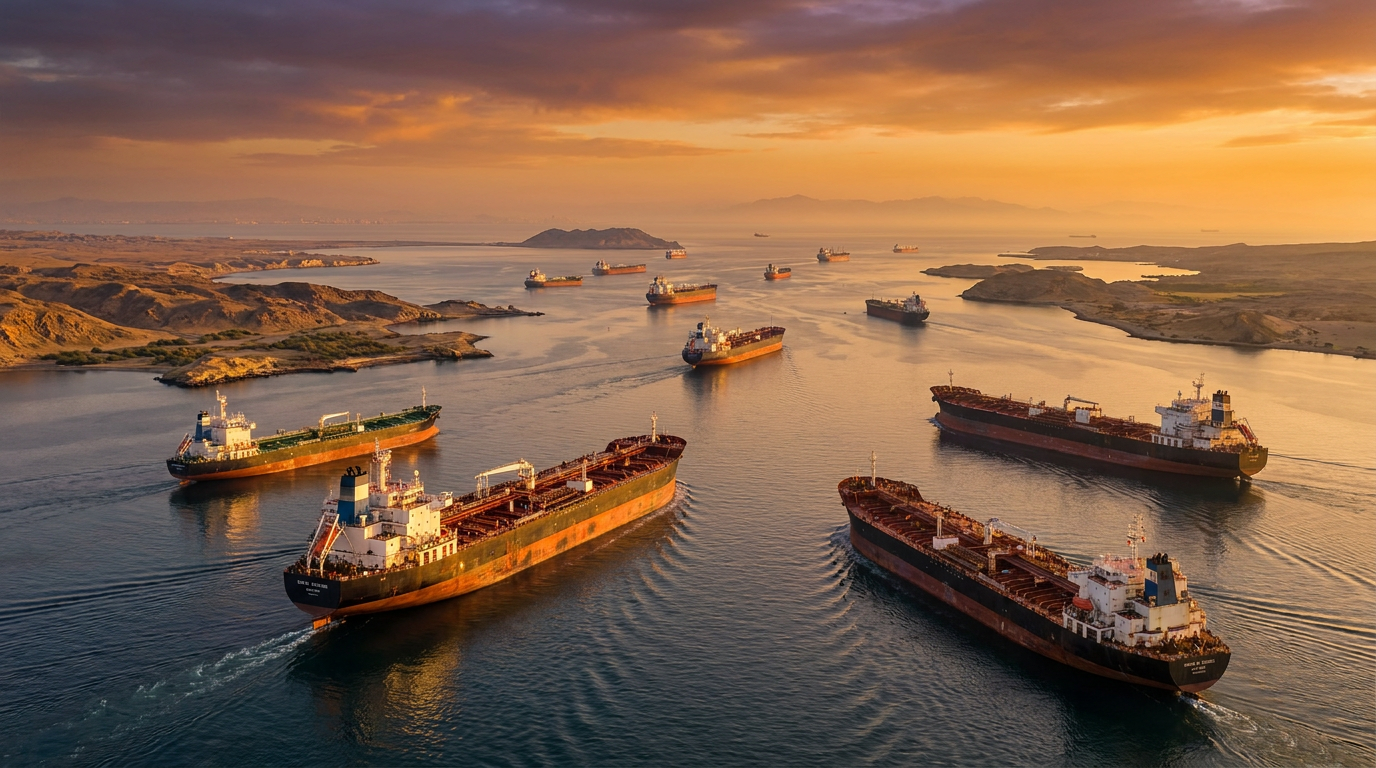
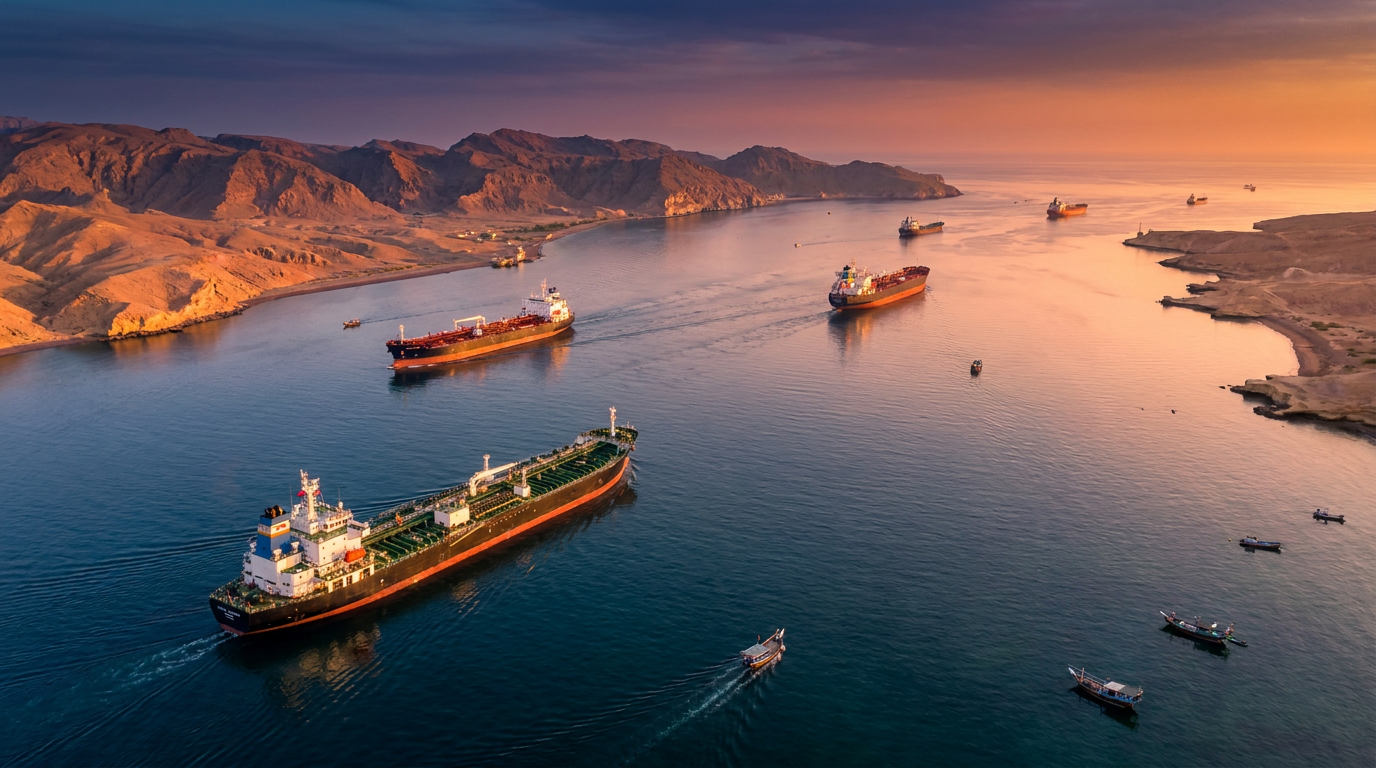
The immediate test of the agreement will be the physical reopening of the Strait of Hormuz. While Trump claimed that ships carrying oil were already beginning to move, shipping companies and maritime insurers remain highly cautious. The waterway is still littered with mines laid by Iranian forces, and a joint international naval mission—potentially involving French and British forces—will likely be required to secure the area before commercial traffic can safely return to pre-war volumes.[3][6]

As the Friday signing ceremony approaches, the Middle East remains in a precarious holding pattern. The U.S.-Iran memorandum represents the most significant diplomatic breakthrough since the conflict erupted in late February, offering a tangible off-ramp from a devastating regional war. Yet, with Israel openly defying the Lebanon ceasefire and the nuclear question deferred to future talks, the foundation of this newfound peace remains exceptionally fragile.[1][3][8]
How we got here
Feb 28, 2026
U.S. and Israeli forces initiate strikes against Iran, sparking a broader regional conflict.
March 2026
Iran effectively closes the Strait of Hormuz, paralyzing global shipping and sending energy prices soaring.
June 14, 2026
Qatari mediators conclude 17 hours of intensive talks in Tehran; Pakistan announces a diplomatic breakthrough.
June 14, 2026 (Evening)
President Trump declares the deal "complete" and authorizes the end of the U.S. naval blockade.
June 19, 2026
Scheduled date for the official electronic signing ceremony of the memorandum in Switzerland.
Viewpoints in depth
US Administration
Argues that the deal is a definitive victory that immediately reopens the Strait of Hormuz without tolls and halts Iran's nuclear ambitions.
The White House is framing the memorandum as a masterclass in maximum pressure diplomacy. By securing the immediate reopening of the Strait of Hormuz, the administration claims to have rescued the global economy from a catastrophic energy crisis. Officials emphasize that the 60-day window is not a concession, but a strict compliance period during which Iran must prove it has abandoned its pursuit of a nuclear weapon before any permanent sanctions relief is granted.
Iranian Leadership
Views the agreement as a forced concession by the United States, achieved through Iran's successful leverage over global shipping.
Tehran is projecting the deal as a strategic victory, arguing that its ability to choke off the Strait of Hormuz forced Washington to the negotiating table. Iranian officials stress that the agreement was drafted in an atmosphere of profound distrust and insist that their full compliance is entirely dependent on the verifiable lifting of the U.S. naval blockade and the unfreezing of billions of dollars in assets. They view the 60-day window as an opportunity to secure further economic relief rather than a period of unilateral disarmament.
Israeli Government
Strongly opposes the terms of the agreement, particularly the mandate to end military operations in Lebanon.
Israel feels deeply betrayed by the diplomatic framework, arguing that it rewards Iranian aggression while leaving the core threats to Israeli security intact. Officials in Jerusalem are particularly furious over the clause demanding an end to military operations in Lebanon, asserting that Hezbollah remains a potent, existential threat on their northern border. By publicly refusing to withdraw troops or halt strikes, the Israeli government is signaling that it will not be bound by an agreement it views as a dangerous capitulation.
What we don't know
- Whether Israel will actively defy the ceasefire by continuing major military offensives against Hezbollah in Lebanon.
- How quickly the Strait of Hormuz can be cleared of naval mines to allow commercial shipping to safely resume pre-war volumes.
- Whether the upcoming 60-day negotiations will successfully result in a permanent, binding treaty regarding Iran's nuclear infrastructure.
Key terms
- Memorandum of Understanding (MOU)
- A formal agreement between parties that establishes a framework for cooperation, often preceding a finalized, binding treaty.
- Strait of Hormuz
- A critical maritime chokepoint between the Persian Gulf and the Gulf of Oman, through which approximately a fifth of the world's oil consumption passes.
- Naval Blockade
- The use of naval forces to cut off a specific area, preventing the passage of maritime traffic and commerce to exert economic and military pressure.
- Enriched Uranium
- Uranium in which the percent composition of uranium-235 has been increased, a necessary step for both civilian nuclear power and the creation of atomic weapons.
Frequently asked
When will the Strait of Hormuz officially reopen?
While President Trump authorized its immediate reopening, the official signing of the agreement is scheduled for Friday, June 19. Commercial shipping may take longer to resume fully as mines must be cleared from the waterway.
Does this agreement end the fighting between Israel and Hezbollah?
The U.S.-Iran memorandum explicitly calls for an end to military operations in Lebanon. However, Israel was not a party to the deal and has stated it will not withdraw its forces or halt its operations in the region.
What happens to Iran's nuclear program under this deal?
The immediate agreement does not finalize nuclear limits. Instead, it establishes a 60-day window for follow-on negotiations to address Iran's enriched uranium stockpile and nuclear infrastructure.
Who mediated the peace agreement?
Pakistan and Qatar served as the primary mediators, with Qatari diplomats conducting intensive 17-hour negotiations in Tehran and Pakistan's Prime Minister announcing the breakthrough.
Sources
Source coverage
9 outlets
5 viewpoints surfaced









[1]CBS NewsUS Administration
Trump says U.S. deal with Iran "is now complete," authorizes removal of Navy blockade of Strait of Hormuz
Read on CBS News →[2]AxiosIsraeli Government
What's in the Iran deal Trump says he's ready to sign
Read on Axios →[3]The GuardianIsraeli Government
Middle East crisis live: Trump claims ships carrying oil are moving out of strait of Hormuz after US and Iran agree deal
Read on The Guardian →[4]Atlantic CouncilGeopolitical Analysts
Experts react: The US and Iran just announced an interim peace deal. Here's what we know so far.
Read on Atlantic Council →[5]PBSLebanese & Regional Actors
Deal is reached to end Iran war and Trump orders stop to U.S. naval blockade
Read on PBS →[6]The Washington PostGeopolitical Analysts
U.S., Iran reach a deal to end fighting, both sides say
Read on The Washington Post →[7]Al JazeeraIranian Leadership
Trump says Iran deal 'all signed'
Read on Al Jazeera →[8]Fox NewsUS Administration
Trump may have won a strategic pause in Iran. Now comes the hard part
Read on Fox News →[9]Middle East EyeLebanese & Regional Actors
Lebanon was not informed of US-Iran deal or ceasefire timing, official says
Read on Middle East Eye →
Every angle. Every day.
Get news politics stories with full source coverage and perspective breakdowns delivered to your inbox.