
How Hotels Are Re-Engineering the Guest Room for the $96 Billion Sleep Tourism Boom
Driven by a global exhaustion epidemic, the hospitality industry is moving beyond pillow menus to integrate circadian lighting, AI beds, and acoustic isolation.
By Factlen Editorial Team
- Hospitality Innovators
- Hotels and designers focused on monetizing wellness through environmental engineering.
- Wellness & Public Health Advocates
- Experts viewing the trend as a necessary response to a societal sleep crisis.
- Market Analysts
- Forecasters tracking the financial explosion of the sleep economy.
What's not represented
- · Budget travelers priced out of premium sleep technology
- · Housekeeping and maintenance staff managing complex room tech
Why this matters
As chronic burnout and sleep deprivation reach record highs, the travel industry is transforming from a source of exhaustion into a biological intervention. Understanding how hotels engineer rest can help travelers make better booking decisions and apply similar circadian principles to their own bedrooms.
Key points
- The global sleep tourism market is projected to reach $96.1 billion in 2026 as travelers prioritize rest over packed itineraries.
- Hotels are deploying biological interventions like circadian lighting, which mimics natural sunlight to regulate melatonin production.
- Acoustic isolation and AI-powered smart beds that adjust firmness in real-time are becoming baseline expectations in luxury properties.
- Properties are introducing 'dopamine menus'—analog, screen-free activities designed to lower cognitive arousal before sleep.
The traditional vacation itinerary is inherently exhausting. For decades, the hospitality industry sold access to high-energy experiences—relentless sightseeing, vibrant nightlife, and tightly packed schedules that frequently left travelers needing a vacation from their vacation. But in 2026, a radically different travel motivation has taken over the industry: the profound desire to do absolutely nothing, in a perfectly calibrated environment. The modern traveler is no longer looking for external stimulation; they are looking for internal recovery, fundamentally changing the definition of a successful getaway.[7]
Welcome to the era of "sleep tourism." Driven by a global epidemic of burnout, digital fatigue, and chronic exhaustion, travelers are increasingly booking trips where rest is not the byproduct of the vacation, but the entire point. According to the Centers for Disease Control and Prevention, roughly 36% of Americans consistently get insufficient sleep, creating a desperate, highly motivated market for restorative escapes. People are actively seeking out environments that solve their biological deficits rather than adding to their cognitive load.[2]
The financial stakes of this shift are staggering. The global sleep tourism market is projected to reach $96.1 billion in 2026, growing at a rapid double-digit pace as consumer priorities realign. What began a few years ago as a niche wellness experiment—often confined to remote retreats—has matured into a core pillar of the mainstream hospitality industry. This boom is fundamentally altering how hotels design their physical spaces, market their room categories, and serve their guests from check-in to check-out.[1][4]

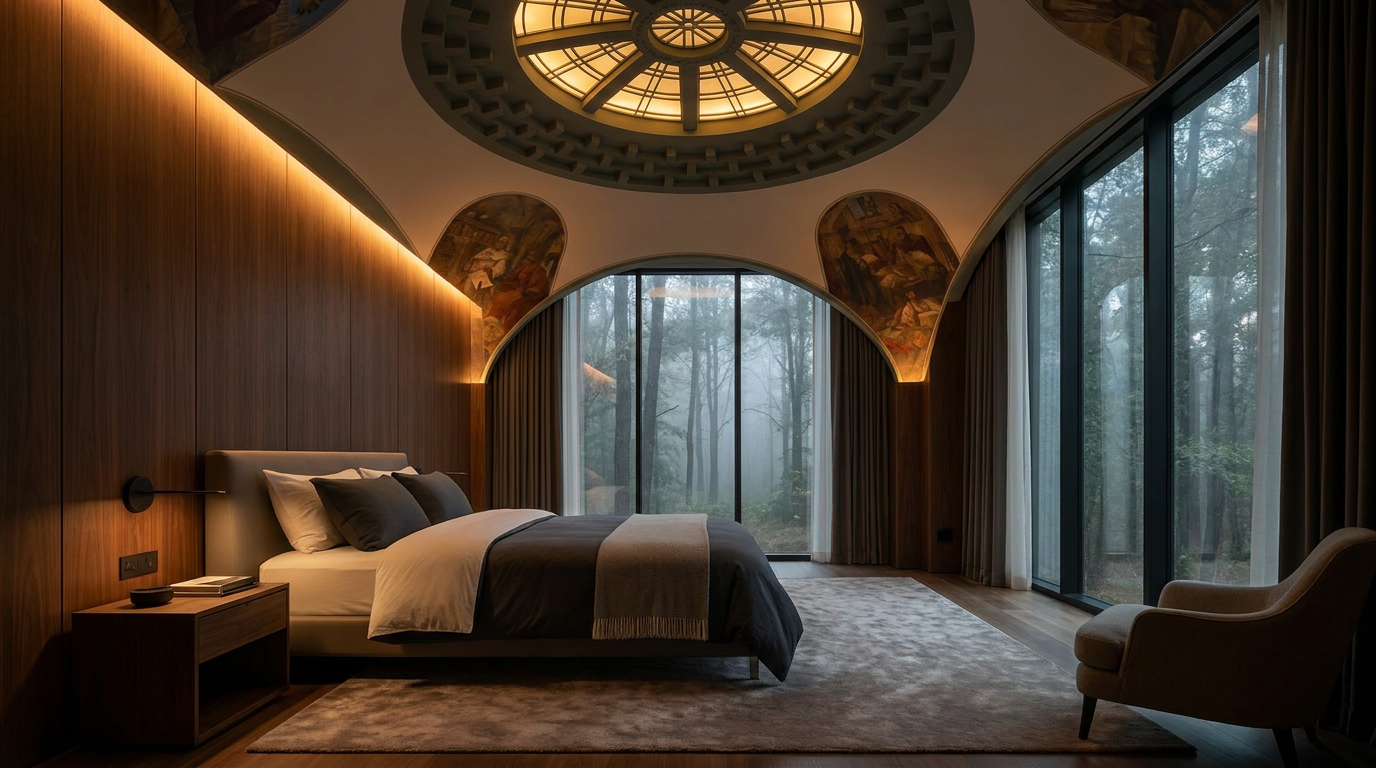
To capture this lucrative market, hotels are moving far beyond the traditional, superficial amenities like a "pillow menu," a plush robe, or a lavender turndown service. Instead, they are treating the guest room as a sophisticated biological intervention space designed to actively manipulate the human nervous system for optimal recovery. The most significant and widely adopted shift in this architectural revolution is the integration of circadian lighting systems, which replace static, one-size-fits-all illumination with dynamic, health-focused technology that responds to the time of day.[4][6]
Circadian lighting refers to bio-adaptive illumination systems that meticulously mimic the natural progression of the sun. Rather than utilizing static, bright overhead lights that suppress melatonin production and confuse the body's internal clock, these systems automatically shift their color temperature and intensity throughout the day. In the evening, the room seamlessly transitions to warm, low-kelvin amber tones to signal the brain that it is time to wind down. In the morning, simulated sunrises gently wake the guest by gradually increasing cool, blue-toned light, entirely eliminating the jarring, cortisol-spiking shock of a traditional alarm clock.[3][6]
"Bio-adaptive, circadian lighting supports natural rhythms," notes architectural firm DLR Group, emphasizing that these advanced systems are rapidly becoming a baseline expectation rather than a rare luxury add-on. By removing the biological stress of artificial blue light at night, hotels are engineering environments that actively facilitate the onset of sleep rather than fighting against it. This invisible architecture works in the background, requiring no effort from the exhausted guest other than simply existing in the space.[6]
But lighting is only one variable in the complex sleep equation. Acoustic engineering has become a critical, high-stakes battleground for luxury and wellness properties aiming to guarantee a perfect night's rest. Hotels are investing heavily in intense acoustic isolation, moving far beyond standard drywall. They are utilizing decoupled walls, heavy solid-core doors, specialized window glazing, and advanced insulation materials to completely block out the unpredictable noise of the city, the highway, or the airport outside.[5]
But lighting is only one variable in the complex sleep equation.
Inside the room, active sound management takes over where passive insulation leaves off. Advanced acoustic systems provide guest-controlled sound masking that intelligently adapts to the time of day, neutralizing the hum of hallway traffic, elevator shafts, or adjacent-room plumbing without disrupting daytime functionality. The ultimate goal is to achieve a pristine "Dark. Quiet. Cool." environment—a rigorous design philosophy championed by brands like Equinox Hotels, which pairs this intense soundproofing with medical-grade air filtration to optimize respiratory recovery during sleep.[5][6]

The absolute centerpiece of this engineered environment is, naturally, the bed itself. The hospitality industry is increasingly abandoning traditional spring mattresses in favor of AI-powered smart beds that act as active participants in the sleep process. These advanced sleep systems do not just passively support the guest; they continuously monitor biometric data throughout the night, automatically adjusting firmness, elevation, and surface temperature in real-time. This dynamic response prevents the sleeper from waking up due to uncomfortable pressure points, poor circulation, or sudden overheating, ensuring uninterrupted rest.[5]
Some of these advanced smart beds even feature subtle, rhythmic motion capabilities designed to physically lull the guest into deeper, more restorative stages of REM sleep, mimicking the soothing movement of a cradle. As sleep and dream expert Charlie Morley noted, the ongoing gamification of sleep through these smart beds allows guests to see exactly what environmental techniques work best for their unique biology. By providing a detailed morning report, hotels can finally back up their promises of a great night's sleep with solid, personalized biometric data rather than mere marketing claims.[2][4]
Beyond the physical hardware of the room, hotels are completely rethinking their daily programming to address the psychological and emotional barriers to sleep. The Global Wellness Institute highlights a major industry shift toward community-oriented wellness spaces and structured evening relaxation rituals. These programs—ranging from guided twilight meditation sessions to restorative yoga and sound baths—are meticulously designed to help guests decompress, lower their heart rates, and shed the accumulated stress of the day before they even reach their beds.[3][4]
A major, highly popular component of this new programming is the introduction of the "dopamine menu"—a curated selection of low-stimulation, screen-free activities provided directly in the guest room. Instead of doomscrolling on a smartphone or watching late-night television, guests are actively encouraged to engage with tactile, analog experiences. Hotels are stocking rooms with physical books, intricate puzzles, sketchpads, and analog clocks, deliberately removing digital temptations to lower cognitive arousal and prepare the brain for deep sleep.[6][7]

This intense, comprehensive focus on sleep architecture is fundamentally reshaping hotel economics through an innovative pricing model known as Attribute-Based Selling (ABS). Instead of simply booking a generic "King Room" based entirely on square footage and a view, guests can unbundle the room's specific features. This allows them to pay directly for the exact environmental amenities they value most, such as circadian lighting automation, premium acoustic isolation, medical-grade air purifiers, or guaranteed access to an AI-powered smart bed.[5]
This unbundled model empowers guests to highly customize their stay while allowing hotels to successfully monetize environmental features that were previously invisible or simply offered as free upgrades. Industry surveys indicate that frequent travelers—particularly corporate road warriors and health-conscious vacationers—are highly motivated by these specific offerings. In fact, a significant portion of the market is now willing to pay up to a 10% premium for accommodations that can scientifically guarantee a better, more restorative night's rest.[5][7]
Despite the massive enthusiasm and financial investment, the sleep tourism boom carries inherent limitations that medical experts are quick to point out. Sleep researchers caution that a three-day luxury "sleepcation," no matter how technologically advanced, cannot magically cure chronic insomnia or permanently undo months of severe sleep deprivation. While a highly engineered hotel room can provide acute, immediate relief and demonstrate exactly what optimal, uninterrupted sleep feels like, long-term sleep health ultimately requires consistent, disciplined daily habits in the guest's own home environment.[3]

Furthermore, the hyper-quantification of rest introduces an entirely new psychological risk to the wellness landscape: orthosomnia. When smart beds track every single toss, turn, and heart rate fluctuation, and vacations are explicitly graded on a numerical sleep performance score, guests can easily develop severe anxiety about failing to achieve "perfect" sleep. This intense pressure to perform biologically can ironically trigger a cortisol-driven stress response, keeping the guest awake, elevating their heart rate, and entirely defeating the purpose of the restorative trip.[7]
To combat this emerging anxiety, the most sophisticated properties are already moving away from aggressive, in-your-face tracking and pivoting toward invisible, seamless environmental support. The ultimate luxury in 2026 is not a complex dashboard of sleep metrics, a demanding wellness schedule, or an overwhelming array of biometric data; it is the simple, profound experience of closing your eyes in a perfectly calibrated room, feeling completely safe and supported, and not opening them again until the simulated morning light gently wakes you.[3][7]
How we got here
2019
Early wellness resorts begin offering specialized 'sleep retreats' focused primarily on meditation and spa treatments.
2022
The concept of 'sleep tourism' gains mainstream traction as travelers seek recovery from pandemic-era stress and burnout.
2024
Major hotel chains begin integrating AI-powered smart beds and circadian lighting into their flagship properties.
2026
The sleep tourism market surpasses $96 billion, with Attribute-Based Selling allowing guests to pay specifically for sleep-optimized room features.
Viewpoints in depth
Hospitality Innovators
Hotels and designers focused on monetizing wellness through environmental engineering.
For the hospitality sector, sleep tourism represents a massive revenue opportunity. By transitioning from traditional room categories to Attribute-Based Selling (ABS), hotels can unbundle their offerings and charge premiums for specific technological interventions like AI beds and circadian lighting. Designers argue that as wellness becomes a baseline consumer expectation, properties that fail to engineer their rooms for biological recovery will rapidly lose market share to those that do.
Wellness & Public Health Advocates
Experts viewing the trend as a necessary response to a societal sleep crisis.
Public health researchers see the sleep tourism boom as a symptom of a broader societal failure to prioritize rest. While they welcome the hospitality industry's shift toward evidence-based interventions like acoustic isolation and blue-light reduction, they caution against the gamification of sleep. Advocates stress that true sleep health requires consistent daily routines, warning that hyper-fixating on biometric tracking during a vacation can trigger orthosomnia—anxiety about achieving perfect sleep.
Market Analysts
Forecasters tracking the financial explosion of the sleep economy.
Financial analysts point to the staggering $96 billion valuation of the sleep tourism market as proof of a permanent shift in consumer spending. They note that the integration of sleep technology is no longer confined to ultra-luxury resorts; it is rapidly trickling down to mid-tier and business hotels. Analysts predict that the next frontier will be deep partnerships between hospitality brands and medical-grade sleep diagnostic companies, further blurring the line between a hotel stay and a clinical wellness retreat.
What we don't know
- Whether the premium pricing for sleep-optimized rooms will remain sustainable as these technologies become cheaper and more widespread.
- How effectively short-term hotel interventions can alter a guest's long-term circadian rhythm once they return home.
- The long-term privacy implications of hotels collecting highly sensitive biometric sleep data from guests' smart beds.
Key terms
- Sleep Tourism
- Travel designed specifically to optimize rest and improve sleep quality, rather than focusing on sightseeing or activities.
- Circadian Lighting
- Bio-adaptive lighting systems that mimic the natural progression of sunlight to regulate the body's internal clock and melatonin production.
- Attribute-Based Selling (ABS)
- A hospitality pricing model where guests pay for specific room features, like acoustic isolation or a smart bed, rather than a standard room category.
- Orthosomnia
- An unhealthy obsession with achieving perfect sleep, often triggered or worsened by constant biometric tracking.
- Dopamine Menu
- A curated list of low-stimulation, screen-free activities designed to naturally wind down the brain before bed.
Frequently asked
What makes a sleep-optimized hotel room different?
While traditional luxury rooms focus on aesthetics and thread count, sleep-optimized rooms use medical-grade air filtration, AI-adjusting mattresses, and circadian lighting to biologically support rest.
Can a short vacation fix chronic sleep issues?
No. While a sleep retreat can help reset your circadian rhythm and teach better habits, experts note that long-term sleep health requires consistent daily routines at home.
How much more do these specialized rooms cost?
Industry surveys indicate that travelers are generally willing to pay up to a 10% premium for rooms equipped with advanced sleep technology and acoustic isolation.
Sources
Source coverage
7 outlets
3 viewpoints surfaced







[1]Fortune Business InsightsMarket Analysts
Sleep Tourism Market Size, Share, Analysis, Forecast to 2034
Read on Fortune Business Insights →[2]Fort Worth Star-TelegramWellness & Public Health Advocates
Travelers Are Booking Vacations Just to Sleep Better — Inside the Sleep Tourism Boom
Read on Fort Worth Star-Telegram →[3]Global Wellness InstituteWellness & Public Health Advocates
Sleep Initiative Trends 2026
Read on Global Wellness Institute →[4]Hospitality NetHospitality Innovators
Beyond Pillow Menus: Can Hotels Help Guests Sleep Better?
Read on Hospitality Net →[5]EHL InsightsHospitality Innovators
Different Types of Hotel Room: Classifications Explained
Read on EHL Insights →[6]DLR GroupHospitality Innovators
Beyond the Spa: Hospitality's New Baseline for Wellness
Read on DLR Group →[7]Factlen Editorial TeamMarket Analysts
Synthesis by Factlen editorial team
Read on Factlen Editorial Team →
Every angle. Every day.
Get travel stories with full source coverage and perspective breakdowns delivered to your inbox.