
US and Iran Sign Initial Peace Deal to Reopen Strait of Hormuz and End 100-Day War
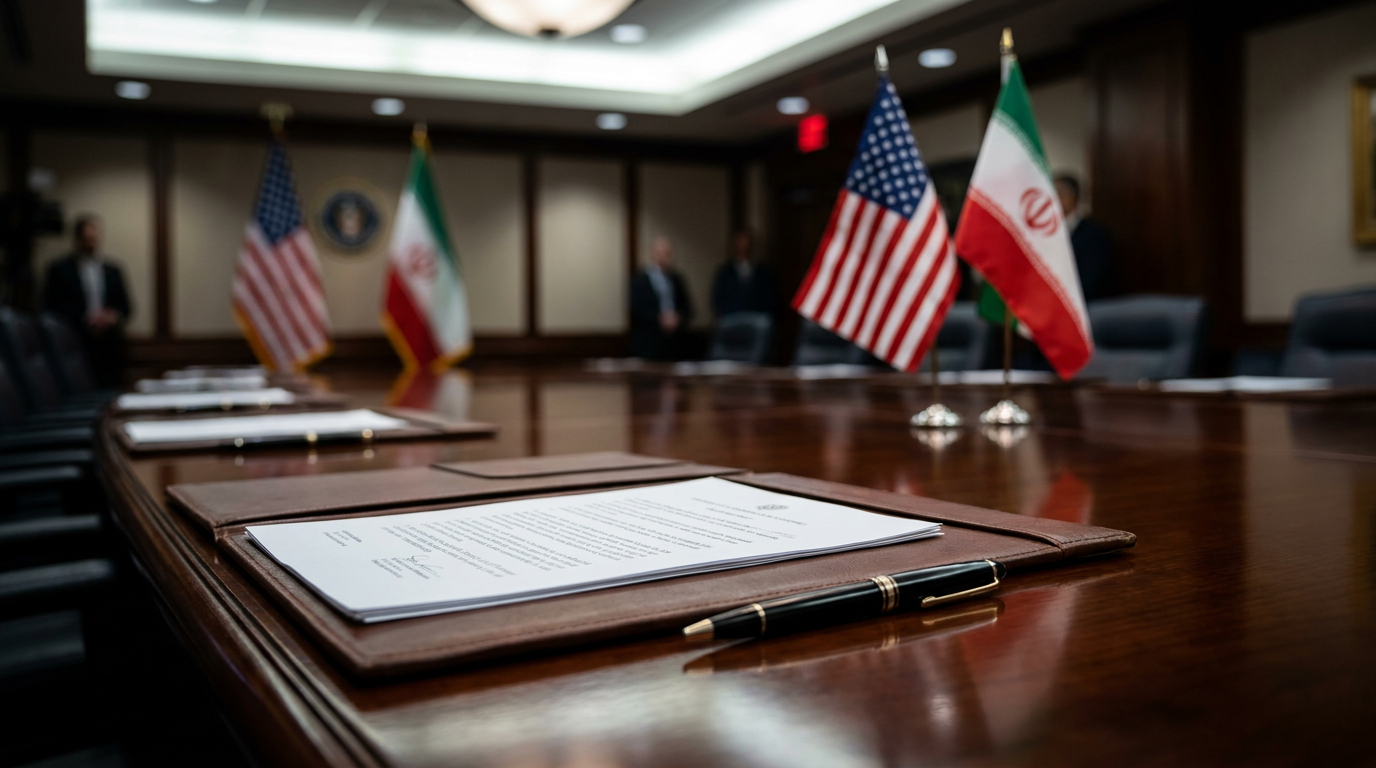
President Donald Trump and Iranian officials have electronically signed a memorandum of understanding to end hostilities, lift the U.S. naval blockade, and reopen the Strait of Hormuz. The breakthrough establishes a 60-day window to negotiate Iran's nuclear program, though Israel maintains it is not bound by the agreement.
By Factlen Editorial Team

- U.S. Administration
- Views the deal as a major diplomatic victory that secures global energy flows while forcing Iran to the table on its nuclear program.
- Iranian Government
- Frames the agreement as a successful resistance that forced the lifting of the U.S. naval blockade and the release of frozen funds.
- Israeli Leadership
- Rejects the deal's applicability to its ongoing operations in Lebanon and remains deeply skeptical of any arrangement leaving the Iranian government intact.
- Global Energy Analysts
- Welcomes the immediate drop in oil prices but warns that underlying geopolitical volatility makes long-term stability unlikely without a comprehensive nuclear accord.
What's not represented
- · Lebanese Civilians
- · European Allies (G7)
Why this matters
The reopening of the Strait of Hormuz—a chokepoint for a fifth of global oil—promises immediate relief to skyrocketing global energy prices and inflation. However, the fragile 60-day window to resolve Iran's nuclear status and Israel's refusal to halt operations in Lebanon mean the threat of a wider regional conflict remains high.
Key points
- The U.S. and Iran electronically signed a memorandum of understanding to end their 100-day conflict.
- The deal authorizes the immediate lifting of the U.S. naval blockade and the reopening of the Strait of Hormuz.
- A 60-day ceasefire extension will allow negotiators to address Iran's nuclear program.
- Israel stated it is not bound by the agreement and will continue military operations in Lebanon.
- A formal signing ceremony is scheduled for Friday, June 19, in Switzerland.
After more than one hundred days of devastating conflict that severely disrupted global energy markets and supply chains, the United States and Iran have reached a breakthrough agreement to end hostilities. On Sunday, President Donald Trump, Vice President JD Vance, and Iranian Parliament Speaker Mohammad Bagher Ghalibaf electronically signed a memorandum of understanding that establishes a 60-day ceasefire extension. The landmark deal, brokered heavily by Pakistani Prime Minister Shehbaz Sharif alongside diplomats from Qatar and Saudi Arabia, aims to permanently terminate military operations on all fronts and immediately lift the crippling U.S. naval blockade on Iranian ports. The electronic signing marks the first tangible step toward de-escalation since the war erupted in late February.[3][8]
The most immediate global impact of the agreement is the reopening of the Strait of Hormuz, a critical maritime chokepoint through which a fifth of the world's oil and natural gas historically passed before the conflict brought traffic to a standstill. Following the electronic signing, President Trump took to social media to declare the deal complete, authorizing the toll-free opening of the waterway with the proclamation, "Ships of the World, start your engines. Let the oil flow!" The announcement sent immediate ripples of relief through global energy markets, with U.S. crude oil prices dropping roughly 4.2 percent to $81.30 per barrel in early trading, signaling investor optimism that the worst of the energy crisis may be subsiding.[3][6]
While the memorandum of understanding has been digitally executed, the formal implementation and public release of the text are slated for a high-stakes signing ceremony in Switzerland on Friday, June 19. Vice President Vance is expected to lead the U.S. delegation for the in-person event, which will be preceded by intensive preparatory meetings in Doha facilitated by Qatari mediators. Iranian Deputy Foreign Minister Kazem Gharibabadi confirmed the timeline on state television, though he emphasized that Tehran would not begin implementing the terms—including the full resumption of maritime traffic—until the physical documents are signed. This cautious approach reflects the deep-seated distrust between the two nations, with Iranian state media noting the agreement "does not signify trust in the enemy."[3][4]

A major point of contention during the final hours of mediation was the operational control of the Strait of Hormuz during the 60-day transition period. While President Trump authorized the immediate removal of the U.S. naval blockade, Iranian officials had previously floated the idea of charging tolls to commercial shipping vessels traversing the waterway as a form of economic leverage. Senior U.S. administration officials have firmly pushed back on this narrative, briefing reporters that the memorandum explicitly guarantees the strait will remain open and toll-free for the duration of the ceasefire. Washington expects this unfettered access to become a permanent fixture in the final treaty, though maritime experts warn it will take weeks to clear mines and restore normal shipping volumes.[7][8]
The 60-day ceasefire window is explicitly designed to provide breathing room for negotiators to tackle the most intractable issue between the two nations: Iran's nuclear program. U.S. officials have indicated that the upcoming technical talks will focus heavily on dismantling nuclear material that could be used to create a weapon, a core, non-negotiable demand of the Trump administration. Vice President Vance noted in television interviews that while the U.S. military remains prepared to ensure compliance if necessary, the administration hopes the technical discussions will yield a verifiable, peaceful mechanism for destroying enriched stockpiles. However, Iran has historically maintained that its nuclear program is strictly for civilian purposes, setting the stage for highly fraught negotiations over the next two months.[4][6]
Vice President Vance noted in television interviews that while the U.S.
Financial concessions also remain a highly sensitive and contested component of the preliminary agreement. Iran's powerful Revolutionary Guard has publicly claimed that the country will receive access to half of its roughly $24 billion in long-frozen overseas funds before the final negotiations conclude, framing the cash infusion as a victory for their resistance. In stark contrast, senior U.S. administration officials have briefed reporters that any sanctions relief or release of frozen assets will be strictly tied to Iran's verifiable performance and compliance with the deal's terms, rather than being granted upfront as a gesture of goodwill. This glaring discrepancy highlights the domestic political tightropes both governments are walking as they attempt to sell the ceasefire to their respective hardline constituencies.[3][8]

The most significant and immediate threat to the fragile peace deal comes from Israel, which joined the U.S. in launching the initial strikes against Iran in late February but is notably not a party to the new bilateral agreement. Israeli Prime Minister Benjamin Netanyahu has explicitly stated that his country is not bound by the U.S.-Iran memorandum, particularly regarding its ongoing military operations against Hezbollah in Lebanon. In a televised address following the deal's announcement, Netanyahu claimed the joint military campaign had successfully pushed back the threat of "nuclear annihilation" for years, but his government insists it will not withdraw troops from Lebanese territory or halt its campaign to dismantle Iranian proxy networks.[3][6]
Israel's refusal to halt its northern offensive severely complicates the broader regional de-escalation envisioned by the U.S. and Pakistani mediators. During the final 14 hours of intense negotiations on Sunday, Iranian officials reportedly threatened to walk away from the table entirely after Israeli forces struck targets in Beirut. According to Vice President Vance, the U.S. intelligence community saw concrete evidence that Iran was preparing to launch a large-scale missile barrage at Israel in retaliation for the strikes. The crisis was only averted after last-minute American diplomatic interventions and concessions regarding the speed of lifting the naval blockade, which ultimately convinced Tehran to stand down and sign the memorandum.[4]

Despite the diplomatic triumph of pausing the direct U.S.-Iran war, geopolitical analysts warn that the underlying structural conflicts remain dangerously unresolved. Experts at the Atlantic Council caution that there is likely a significant "delta" between the lofty aspirations outlined in the 14-point memorandum and what can realistically be achieved in a final, comprehensive treaty. While the reopening of the Strait of Hormuz provides vital and immediate economic relief to global markets, Iran has definitively proven its capacity to shut down global maritime commerce. Analysts note that this ability to choke off the world's energy supply remains a potent leverage point that Tehran will undoubtedly wield during the upcoming 60 days of technical nuclear talks.[1][5]
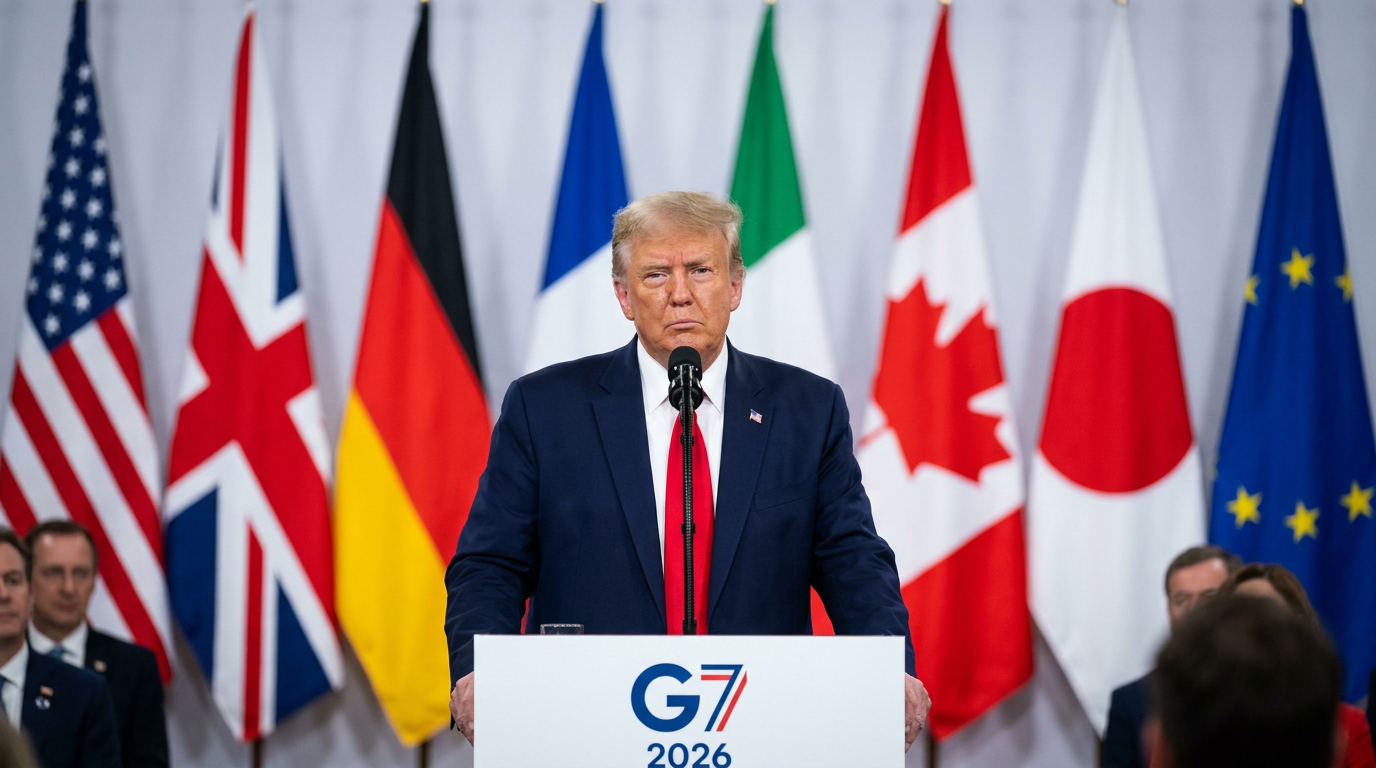
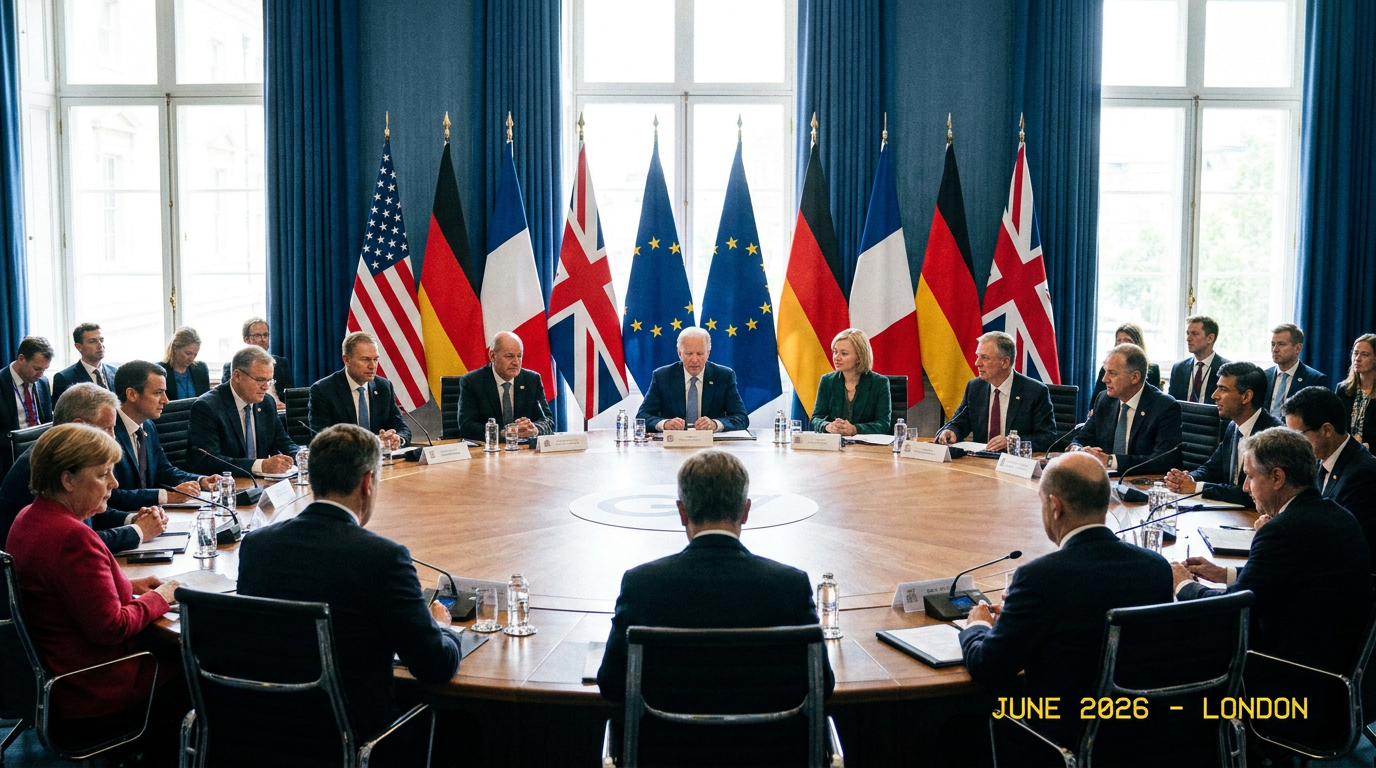
European allies and the broader international community have cautiously welcomed the diplomatic breakthrough, viewing it as a desperately needed step to avert a wider regional conflagration and stabilize rampant global inflation. G7 leaders are currently scrambling to coordinate their response and determine how they can support the technical implementation of the ceasefire, particularly regarding maritime security in the Persian Gulf. As the world watches the lead-up to Friday's signing ceremony in Geneva, the ultimate success of the deal hinges on whether Washington and Tehran can transform a temporary battlefield pause into a durable settlement, all while navigating the highly volatile wildcard of Israel's ongoing multi-front war.[2][8]
How we got here
Feb 28, 2026
The U.S. and Israel launch initial military strikes against Iran, sparking a 100-day regional conflict.
April 8, 2026
Pakistan brokers an initial, fragile two-week ceasefire that is repeatedly violated.
June 14, 2026
Trump, Vance, and Ghalibaf electronically sign a memorandum of understanding to end hostilities.
June 19, 2026
Scheduled formal signing ceremony of the peace treaty in Switzerland.
Viewpoints in depth
The U.S. Administration's view
The deal is a decisive victory that secures global energy flows while forcing Iran to negotiate its nuclear program under pressure.
U.S. officials frame the 100-day conflict and subsequent blockade as a successful pressure campaign that brought Tehran to the table. By securing the reopening of the Strait of Hormuz, the administration claims it has rescued the global economy from crippling inflation. Crucially, Washington insists that no sanctions relief or frozen funds will be released until Iran verifiably dismantles its enriched nuclear stockpiles, maintaining that the U.S. retains the upper hand in the upcoming 60-day technical talks.
The Iranian Government's view
The agreement is a successful act of resistance that broke the U.S. naval blockade and secured the release of vital economic assets.
Tehran is projecting the ceasefire as a strategic win, emphasizing that it forced the United States to abandon its naval blockade of Iranian ports. Iranian officials and state media highlight the expected unfreezing of billions of dollars in overseas assets as proof that their resilience outlasted American military pressure. Furthermore, by refusing to implement the deal until the physical signing in Switzerland, Iran is signaling that it will not easily capitulate on its nuclear program during the technical negotiations.
The Israeli Government's view
The bilateral U.S.-Iran deal does not constrain Israel's ongoing military operations against Iranian proxies in Lebanon.
Israeli leadership views the U.S.-Iran memorandum with deep skepticism, arguing that any agreement leaving the Iranian government intact is inherently flawed. Prime Minister Benjamin Netanyahu has drawn a hard line, stating that Israel is not a party to the ceasefire and will not abide by its terms regarding the withdrawal of forces from Lebanon. Israel maintains that its primary security directive is the complete dismantling of Hezbollah and other Iranian-backed networks, regardless of Washington's diplomatic timeline.
What we don't know
- Whether Iran will actually agree to dismantle its enriched nuclear stockpiles during the 60-day technical talks.
- How Israel's continued military operations in Lebanon might threaten the fragile ceasefire.
- The exact timeline for when commercial shipping volumes through the Strait of Hormuz will return to pre-war levels.
Key terms
- Strait of Hormuz
- A narrow, strategically vital waterway between the Persian Gulf and the Gulf of Oman through which roughly 20% of the world's oil passes.
- Memorandum of Understanding (MOU)
- A formal agreement between two or more parties that outlines the broad outlines of a deal before a final, legally binding treaty is drafted.
- Naval Blockade
- An act of war where a country uses its navy to prevent vessels, goods, or people from entering or leaving another country's ports.
Frequently asked
Is the war between the U.S. and Iran officially over?
The two nations have signed a memorandum of understanding to end military operations, but a formal treaty has not yet been signed. A 60-day ceasefire is currently in place to negotiate final terms.
Will gas prices go down now?
Global crude oil prices dropped over 4% immediately after the announcement. However, experts warn it will take weeks or months for shipping in the Strait of Hormuz to fully normalize.
Is Israel part of this peace deal?
No. Israel is not a party to the U.S.-Iran agreement and has stated it will continue its military operations against Hezbollah in Lebanon.
Sources
Source coverage
8 outlets
4 viewpoints surfaced








[1]AxiosGlobal Energy Analysts
The 8 unresolved questions in Trump's Iran deal
Read on Axios →[2]The GuardianGlobal Energy Analysts
Trump declares US-Iran peace deal 'all signed' as G7 leaders battle to tie up loose ends
Read on The Guardian →[3]CBS NewsU.S. Administration
Trump says U.S. deal with Iran 'is now complete,' authorizes removal of Navy blockade
Read on CBS News →[4]The Washington PostGlobal Energy Analysts
U.S. and Iran reach deal to extend ceasefire and open strait
Read on The Washington Post →[5]Atlantic CouncilGlobal Energy Analysts
Experts react: What the US-Iran peace deal means for the Middle East and energy markets
Read on Atlantic Council →[6]PBSIranian Government
US, Iran reach initial agreement to extend ceasefire, open Strait of Hormuz
Read on PBS →[7]Times of IsraelIsraeli Leadership
Trump says Strait of Hormuz 'partially' reopened after Iran deal signed
Read on Times of Israel →[8]SCMPU.S. Administration
Trump, Vance electronically sign peace memorandum with Iran, US officials say
Read on SCMP →
More in news politics
See all 7 stories →Education Policy
Fact-Checking the Impact of Universal Free School Meals on Student Success
0 sources

Middle East Diplomacy
What the Proposed US-Iran Agreement Means for Middle East Security
0 sources
Surveillance Law
FISA Section 702 Expires Amid Partisan Gridlock, Triggering Debate Over US Surveillance Powers
0 sources
Middle East Diplomacy
The US-Iran Peace Agreement: Inside the Deal and the Growing Rift with Israel
0 sources
Every angle. Every day.
Get news politics stories with full source coverage and perspective breakdowns delivered to your inbox.