
US and Iran Reach Framework Peace Deal, Reopening Strait of Hormuz
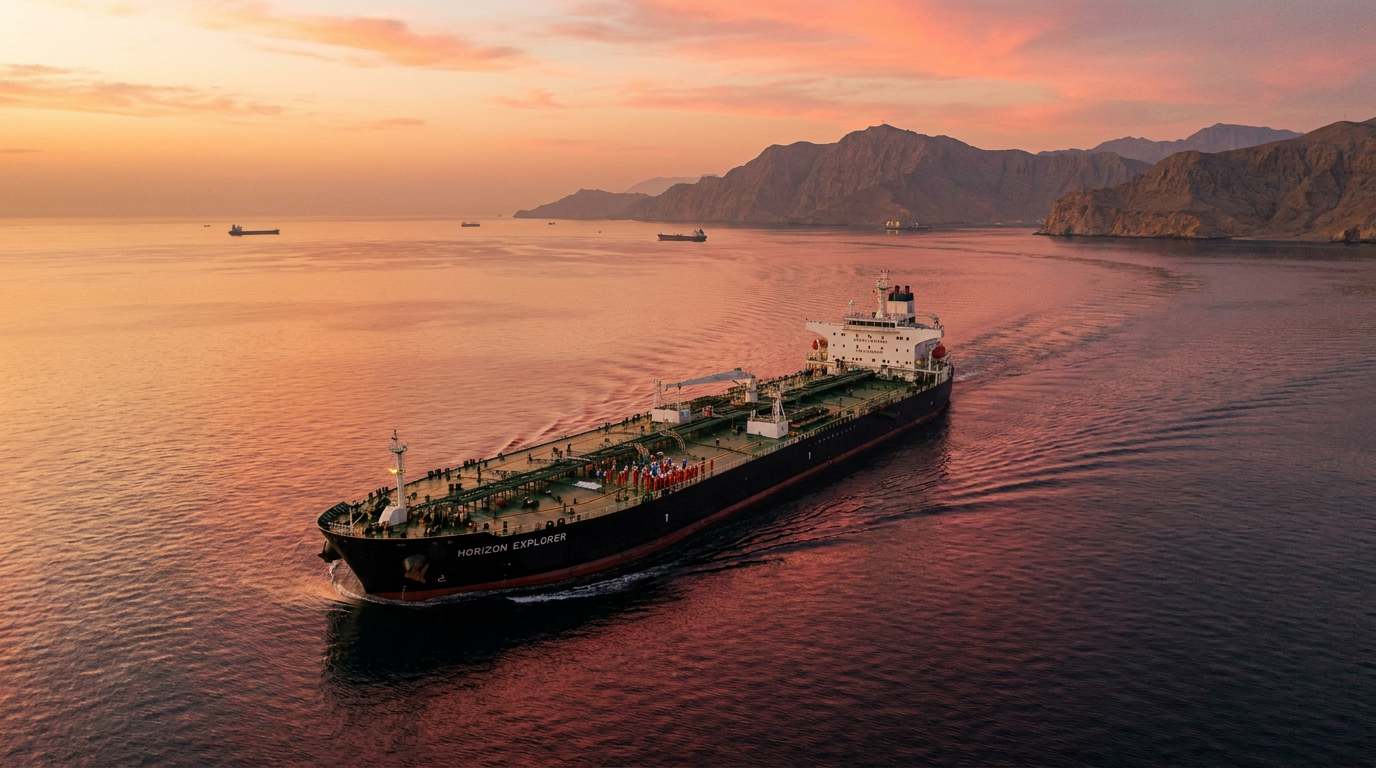
The United States and Iran have agreed to a 60-day ceasefire and a framework to end their 15-week war. The deal lifts the US naval blockade and reopens the Strait of Hormuz, though significant questions remain regarding Israel's ongoing operations in Lebanon.
By Factlen Editorial Team
- Israel & Regional Skeptics
- Warns that the interim deal is fragile and leaves the threat of Iranian proxies unaddressed.
- US Administration
- Frames the deal as a strategic victory that reopens global trade and halts Iran's nuclear ambitions.
- Iranian Leadership & Mediators
- Focuses on the diplomatic breakthrough, the lifting of the blockade, and crucial economic relief.
- Global Markets
- Relieved by the reopening of the Strait of Hormuz and the subsequent drop in energy prices.
What's not represented
- · Lebanese civilians affected by the ongoing Israeli operations against Hezbollah.
- · Commercial shipping companies tasked with navigating the newly reopened, but potentially still mined, Strait of Hormuz.
Why this matters
The reopening of the Strait of Hormuz immediately relieves a massive bottleneck in global energy supplies, lowering oil prices and stabilizing international shipping. However, the fragile 60-day window to negotiate a permanent nuclear settlement means the threat of renewed conflict in the Middle East remains high.
Key points
- The US and Iran agreed to a 60-day ceasefire to negotiate a permanent end to the 15-week war.
- The US will lift its naval blockade, allowing the Strait of Hormuz to reopen to global shipping.
- Brent crude oil prices fell roughly 5% to $82.84 a barrel following the announcement.
- Iran is expected to receive partial sanctions relief and access to frozen assets.
- Israel is not a party to the deal and has signaled it will continue military operations in Lebanon.
The United States and Iran have reached a historic framework agreement to end the 15-week war that has roiled the Middle East and choked global energy supplies.[1][2][8]
Mediated heavily by Pakistan and Qatar, the memorandum of understanding establishes an immediate ceasefire across all fronts and sets the stage for the reopening of the Strait of Hormuz, a critical artery for international trade.[3][8]
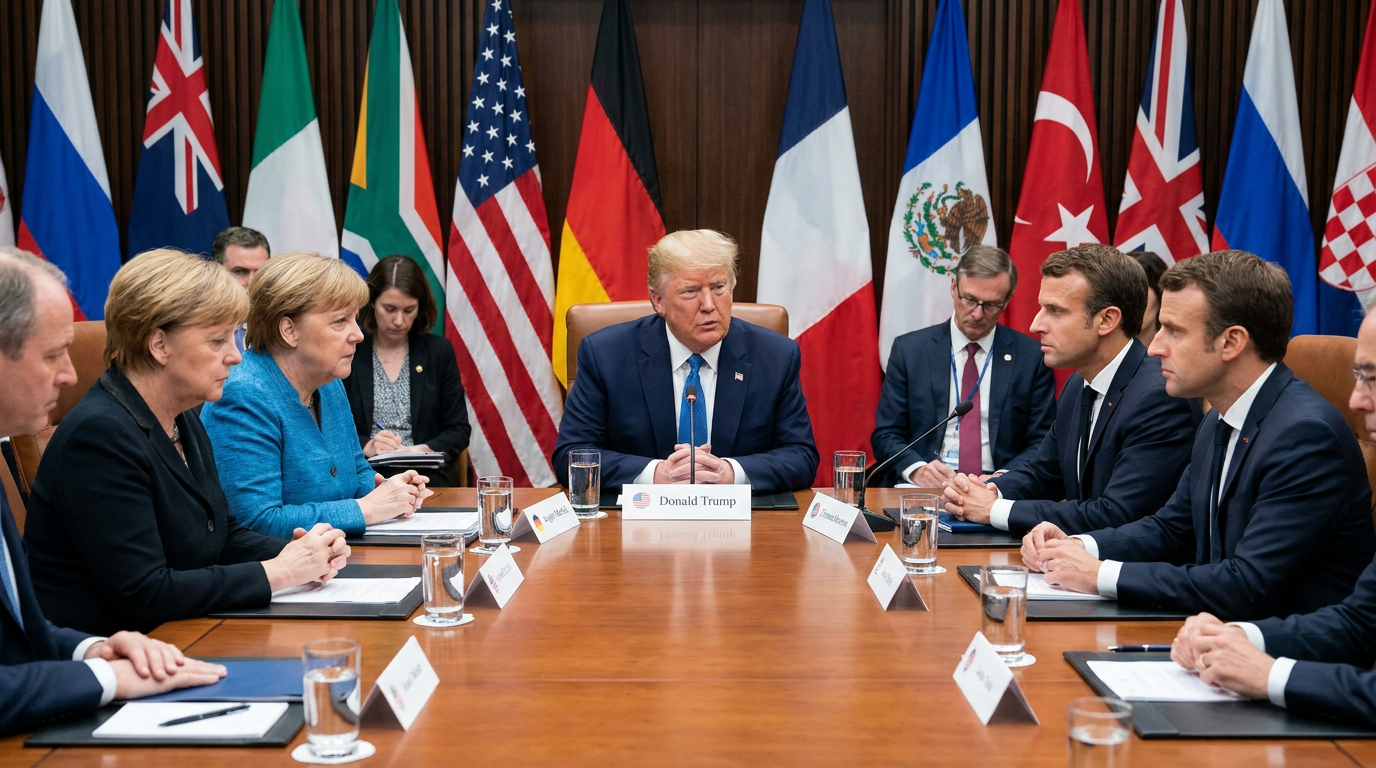
US President Donald Trump announced the diplomatic breakthrough on social media, declaring the deal "complete" and authorizing the immediate lifting of the US naval blockade on Iranian ports.[1][4]
The agreement, which is scheduled to be formally signed in Geneva, Switzerland, on Friday, provides a 60-day window for the two adversaries to negotiate a comprehensive settlement regarding Iran's nuclear program and the lifting of international sanctions.[2][4][7]

Global markets reacted swiftly to the de-escalation. Brent crude, the international oil benchmark, plunged roughly 5% to $82.84 a barrel as traders priced in the return of unimpeded maritime commerce.[4][8]
The Strait of Hormuz, which typically carries a fifth of the world's oil and liquid gas supplies, has been effectively closed since the conflict erupted in late February, sparking volatility in global energy markets.[5][6]
Under the terms of the interim deal, Iranian forces will begin clearing naval mines, with the goal of restoring pre-war shipping levels within 30 days. Iran has also agreed not to charge a toll during the 60-day period.[4][8]
President Trump touted the agreement as a definitive victory, claiming it would make the strait "permanently toll-free" and asserting that Iran had agreed to abandon its pursuit of a nuclear weapon.[1][2]
Iranian officials, including Deputy Foreign Minister Kazem Gharibabadi, confirmed that the text of the agreement had been finalized but emphasized that implementation would not begin until after the official signing ceremony.[6][8]

For Tehran, the primary incentive is economic survival. The framework reportedly includes the partial unfreezing of up to $24 billion in Iranian assets and the suspension of crippling US sanctions on its oil exports.[8]
The framework reportedly includes the partial unfreezing of up to $24 billion in Iranian assets and the suspension of crippling US sanctions on its oil exports.
Despite the optimism radiating from Washington and Islamabad, significant hurdles remain. The 60-day window leaves the most contentious issues—including the specifics of nuclear verification and the exact timeline for sanctions relief—unresolved.[7][9]
Regional analysts warn that the memorandum is merely a fragile pause. The agreement notably omits any requirement for regime change in Tehran, a stark departure from earlier US rhetoric at the onset of the war.[5][9]
Furthermore, the deal does not explicitly mandate the dismantling of Iran's ballistic missile program or force a complete cessation of its support for proxy groups across the region.[5]

The most immediate threat to the ceasefire comes from Israel, which joined the US in launching the initial strikes in February but is not a formal party to this bilateral agreement.[6]
Israeli Prime Minister Benjamin Netanyahu has reportedly informed the White House that Israel will not withdraw its troops from Lebanon, where it continues to battle the Iranian-backed militant group Hezbollah.[1][6]
Hezbollah, in its first public statement since the announcement, credited Iran with a "major achievement" but warned that the situation in Lebanon would not simply revert to the pre-war status quo.[6]
European allies and the United Nations have universally praised the diplomatic breakthrough, urging all parties to seize the opportunity to restore regional stability and ensure freedom of navigation.[3]
How we got here
Feb 28, 2026
The US and Israel launch initial strikes against Iranian military and nuclear infrastructure, sparking the war.
March 2026
Iran closes the Strait of Hormuz and the US imposes a naval blockade, choking global energy supplies.
April 8, 2026
A temporary two-week ceasefire is agreed upon, mediated by Pakistan.
June 14, 2026
President Trump and Iranian officials announce a framework agreement to extend the ceasefire and reopen the strait.
June 19, 2026
The official signing ceremony for the memorandum of understanding is scheduled to take place in Geneva.
Viewpoints in depth
US Administration
Views the deal as a definitive victory that secures global energy flow and halts Iran's nuclear ambitions.
President Trump and his administration are framing the ceasefire as a major strategic win that achieves Washington's primary goals without prolonged entanglement. By securing the reopening of the Strait of Hormuz and claiming that Iran has agreed to abandon its nuclear weapons program, the administration argues that its initial military strikes successfully forced Tehran to the negotiating table. Officials emphasize that the US will maintain leverage during the 60-day window, ensuring that economic benefits are only phased in as Iran demonstrates compliance.
Iranian Leadership
Focuses on economic survival, sanctions relief, and the preservation of the regime.
For Tehran, the memorandum of understanding represents a crucial lifeline. Facing a crippling US naval blockade and severe economic distress, Iranian officials view the unfreezing of up to $24 billion in assets and the suspension of oil sanctions as essential for the country's stability. Hardliners within Iran are likely to claim victory by pointing out that the agreement does not demand regime change or the complete dismantling of their ballistic missile program, allowing the government to survive the 15-week war with its core power structures intact.
Israel & Regional Skeptics
Warns that the 60-day window is fragile and leaves the threat of Iranian proxies unaddressed.
Israel and several regional security analysts remain deeply skeptical of the framework. Because the deal defers the most complex nuclear negotiations and does not explicitly rein in Iranian proxy groups like Hezbollah, skeptics argue it merely provides Tehran with a tactical pause to regroup. Israeli Prime Minister Benjamin Netanyahu's refusal to withdraw troops from Lebanon underscores the reality that while the US and Iran may have paused their direct conflict, the broader regional proxy war remains highly volatile.
What we don't know
- Whether the 60-day window will be enough time to negotiate a complex, permanent nuclear agreement.
- How Israel's ongoing military operations against Hezbollah in Lebanon will impact the fragile US-Iran truce.
- The exact verification mechanisms that will be used to ensure Iran is not pursuing a nuclear weapon.
Key terms
- Strait of Hormuz
- A narrow waterway between the Persian Gulf and the Gulf of Oman that is a critical chokepoint for global oil shipments.
- Memorandum of Understanding (MOU)
- A formal agreement between two or more parties that establishes a framework for future negotiations, though it is often not legally binding.
- Brent Crude
- A major trading classification of sweet light crude oil that serves as a benchmark price for purchases of oil worldwide.
- Naval Blockade
- An effort to cut off supplies, war material, or communications from a particular area by force, typically using ships.
Frequently asked
Is the war between the US and Iran completely over?
Not yet. The current agreement is a 60-day ceasefire and a framework for negotiations, not a permanent peace treaty.
Will gas prices go down?
Global oil prices dropped roughly 5% immediately after the announcement, which is expected to eventually lower fuel costs for consumers as shipping resumes.
Is Israel part of this peace deal?
No. Israel is not a formal party to the US-Iran bilateral agreement and has stated it will continue its military operations in Lebanon.
Sources
Source coverage
9 outlets
4 viewpoints surfaced









[1]CBS NewsUS Administration
Trump says deal with Iran 'complete,' Strait of Hormuz blockade lifted
Read on CBS News →[2]TimeUS Administration
Ceasefire Deal Within Reach, U.S. and Tehran Say
Read on Time →[3]Al JazeeraIranian Leadership & Mediators
World leaders welcome US-Iran deal to end war
Read on Al Jazeera →[4]Financial TimesGlobal Markets
US and Iran reach deal to reopen Strait of Hormuz
Read on Financial Times →[5]The GuardianIsrael & Regional Skeptics
What do we know about the US-Iran peace deal – and what questions remain?
Read on The Guardian →[6]PBSIsrael & Regional Skeptics
Iran and U.S. reach an initial deal to extend the ceasefire and open the Strait of Hormuz but challenges remain
Read on PBS →[7]AxiosGlobal Markets
The 8 unresolved questions in Trump's Iran deal
Read on Axios →[8]The National NewsGlobal Markets
US and Iran agree framework for peace deal and reopening Strait of Hormuz
Read on The National News →[9]Atlantic CouncilIsrael & Regional Skeptics
Experts react: The US and Iran just announced an interim peace deal. Here's what we know so far.
Read on Atlantic Council →

More in news politics
See all 8 stories →US-Iran Conflict
US and Iran Sign 60-Day Ceasefire Framework to Open Path for Peace Talks
0 sources
Middle East Diplomacy
U.S. and Iran Sign 60-Day Cease-Fire and Framework Agreement
0 sources
Voting Systems
Fact-Checking Ranked-Choice Voting: Does It Actually Fix Toxic Politics?
0 sources

Student Loans
House Advances 10% Education Cut as Strict New Student Loan Caps Loom
0 sources
Every angle. Every day.
Get news politics stories with full source coverage and perspective breakdowns delivered to your inbox.