
US and Iran Sign 60-Day Ceasefire Framework to Open Path for Peace Talks
The United States and Iran have agreed to a 60-day ceasefire framework, temporarily halting hostilities to allow for negotiations on a permanent peace agreement and Tehran's nuclear program. While the deal marks a significant de-escalation, the US will maintain its current troop presence in the Middle East during the negotiation period.
By Factlen Editorial Team
- US Administration
- Views the ceasefire as a successful result of military and diplomatic pressure, prioritizing deterrence through maintained troop levels.
- Iranian Leadership
- Frames the pause as a strategic necessity and insists that any permanent deal must include sanctions relief and US military withdrawal.
- Skeptics & Critics
- Argues the US has lost strategic ground and worries the pause allows Iran to advance its nuclear program without consequence.
- Global Markets & Allies
- Focuses on the stabilization of energy prices and the reduction of immediate geopolitical risk, urging a multilateral permanent solution.
What's not represented
- · Civilians in conflict zones
- · Regional proxy leadership
Why this matters
A permanent resolution to the US-Iran conflict would stabilize global energy markets, reduce the risk of a broader Middle Eastern war, and reshape the geopolitical landscape. However, the temporary nature of the ceasefire means the threat of renewed, potentially nuclear-tinged, hostilities remains if talks collapse.
Key points
- The US and Iran signed a 60-day ceasefire framework to allow for peace talks.
- The Pentagon will keep roughly 50,000 troops in the Middle East during the pause.
- Upcoming negotiations will focus on a permanent treaty and Iran's nuclear program.
- Global oil prices stabilized following the announcement of the diplomatic breakthrough.
- The agreement does not explicitly address the actions of Iranian proxy forces.
The United States and Iran have officially signed a framework agreement establishing a 60-day ceasefire, pausing a conflict that has deeply destabilized the Middle East and injected severe volatility into global energy markets. The deal, brokered through international intermediaries in Geneva, aims to create a diplomatic window for comprehensive negotiations on a permanent peace treaty and the future of Iran's nuclear program.[1][5]
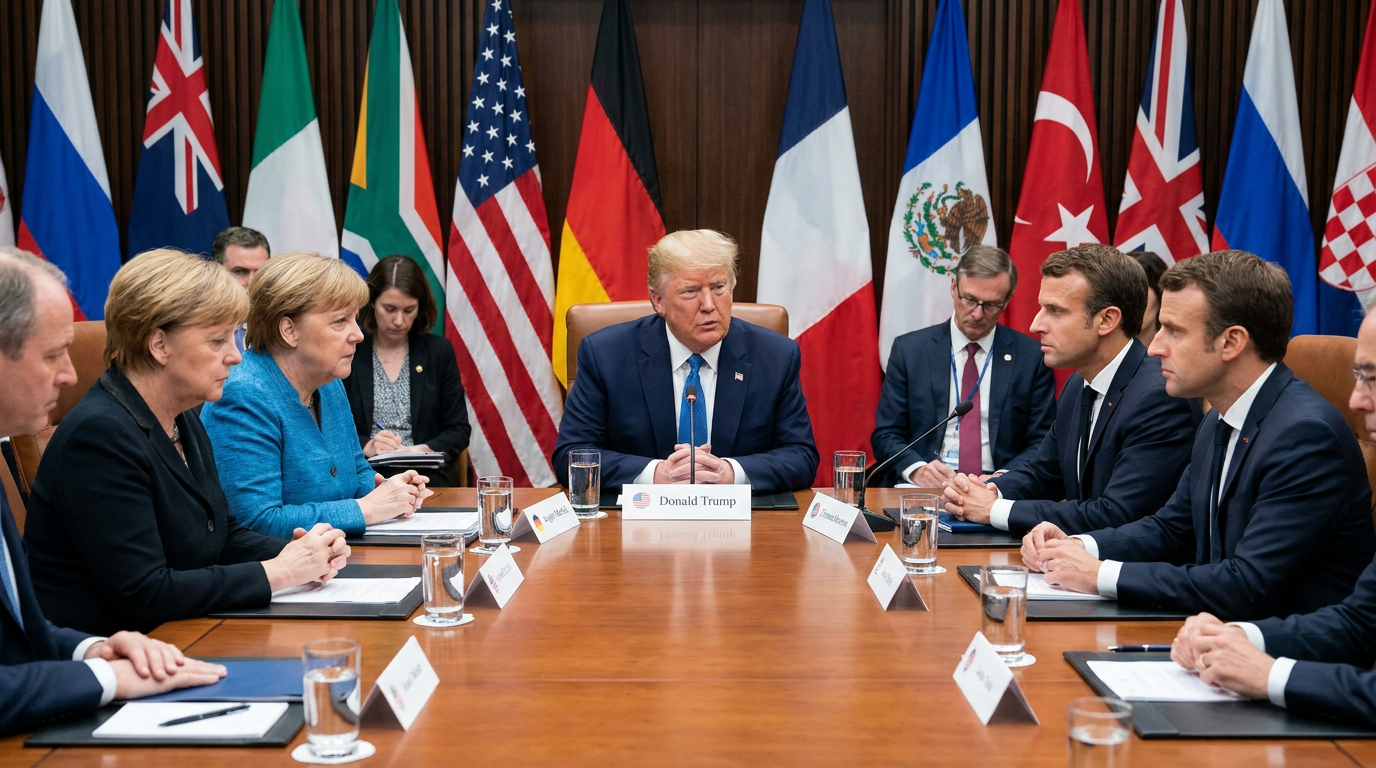
President Donald Trump touted the agreement upon his arrival at the G7 summit in Europe, framing it as a crucial step toward broader peace in the Middle East. Administration officials emphasized that the pause in hostilities demonstrates the effectiveness of recent US military and diplomatic pressure, though they acknowledged that the hardest negotiations lie ahead.[3][5]
Despite the diplomatic breakthrough, the Pentagon has confirmed it will not alter its force posture in the region during the 60-day window. Approximately 50,000 US troops will remain stationed across the Middle East, a decision military officials describe as a necessary deterrent to ensure Tehran adheres to the ceasefire terms and to guard against sudden escalations.[2]

In Tehran, the agreement is being presented as a strategic victory and a necessary pause to alleviate severe economic and military strain. Iranian state media highlighted the government's insistence that any permanent peace deal must include a concrete timeline for a complete withdrawal of US forces from the region, alongside the lifting of all international economic sanctions.[7]
The most complex issue deferred to the upcoming talks is Iran's nuclear program. The framework agreement does not explicitly cap uranium enrichment during the 60-day period, a point of deep contention for non-proliferation experts who worry Tehran could use the pause to advance its capabilities while avoiding the immediate threat of military strikes.[1][6]
The most complex issue deferred to the upcoming talks is Iran's nuclear program.
The mechanics of enforcing the ceasefire remain a critical vulnerability. The framework relies heavily on third-party observers, likely from neutral nations such as Oman or Switzerland, to monitor compliance and investigate alleged breaches. However, the lack of a robust, armed peacekeeping force means any significant skirmish could rapidly unravel the agreement before formal talks even begin.[5][6]

A major unresolved question is how the ceasefire applies to Iran's network of regional proxy forces in Iraq, Syria, Lebanon, and Yemen. While Tehran has committed to halting direct attacks on US assets, Washington has made clear that it will hold the Iranian government responsible for any proxy violence, setting a fragile tripwire for the next two months.[1][2]
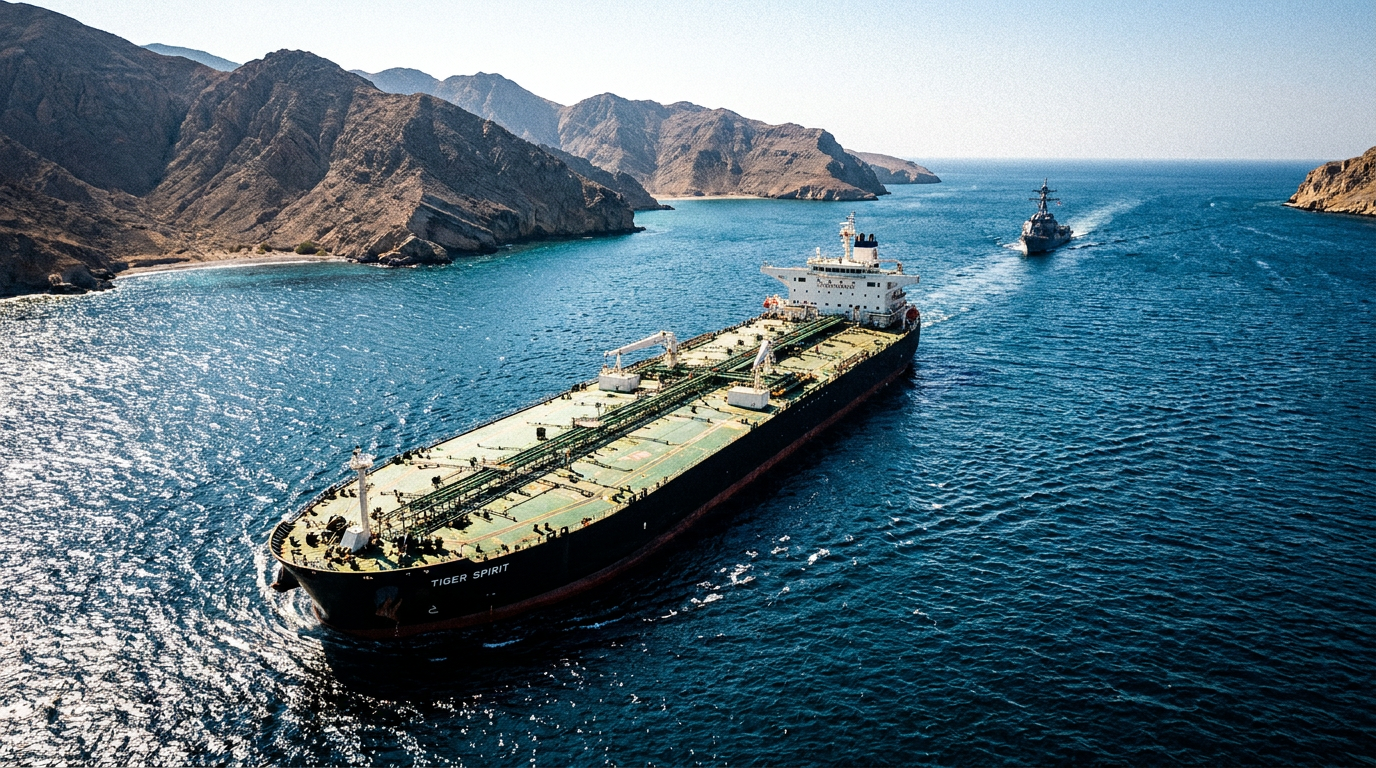
Global markets reacted swiftly to the news, with Brent crude oil prices stabilizing after months of volatility driven by fears of supply disruptions in the Strait of Hormuz. Financial analysts note that while the ceasefire removes immediate panic from the energy sector, long-term investments in the region remain frozen until a permanent resolution is reached.[8]

Within the United States, the deal has drawn a highly polarized response. Supporters of the administration view the ceasefire as a vindication of a hardline approach that forced Tehran to the table, while critics argue the US is emerging from the conflict militarily and economically weaker than when it began, having alienated key allies and suffered significant costs.[4]
European leaders at the G7 offered cautious optimism, welcoming the de-escalation while pressing both Washington and Tehran to commit to binding, verifiable mechanisms in the next phase of talks. The European Union has offered to host the forthcoming negotiations, hoping to anchor the fragile truce in a multilateral framework that includes traditional US allies.[3][6]
Over the next eight weeks, diplomatic teams will face the daunting task of bridging fundamental disagreements over regional security, proxy forces, and nuclear oversight. If the 60-day window expires without a formal extension or a permanent treaty, military commanders on both sides have warned that hostilities could resume with unprecedented intensity.[1][2]
How we got here
Early 2026
Hostilities between the US and Iran escalate, leading to severe disruptions in global energy markets.
May 2026
Secret backchannel talks begin through international intermediaries in Oman and Switzerland.
June 15, 2026
The US and Iran officially sign a 60-day ceasefire framework agreement in Geneva.
Viewpoints in depth
The US Administration's View
The ceasefire is seen as a victory achieved through maximum pressure.
Administration officials argue that the 60-day pause is a direct result of overwhelming US military and economic pressure, which forced Tehran to the negotiating table. By maintaining 50,000 troops in the region, the administration believes it is negotiating from a position of strength, ensuring deterrence while exploring a diplomatic off-ramp.
Tehran's View
The agreement is a strategic pause to demand sanctions relief and US withdrawal.
Iranian leadership frames the ceasefire as a necessary strategic maneuver to alleviate crushing economic sanctions and military fatigue. State media emphasizes that Tehran will not accept a permanent peace treaty unless it includes a binding timeline for the complete withdrawal of US military forces from the Middle East and the unfreezing of international assets.
Non-Proliferation Experts' View
Concerns center on the lack of immediate caps on Iran's nuclear program.
Nuclear watchdogs and non-proliferation experts express deep concern that the 60-day framework lacks explicit restrictions on uranium enrichment. They argue that without immediate, verifiable caps, Tehran could use the two-month window to significantly advance its nuclear capabilities, changing the balance of power before a permanent treaty is even drafted.
What we don't know
- Whether Iran will halt uranium enrichment during the 60-day window.
- How the US will respond if Iranian-backed proxy forces launch independent attacks.
- If the two sides can bridge the massive gap between US security demands and Iran's demand for full troop withdrawal.
Key terms
- Framework Agreement
- A preliminary diplomatic deal that establishes the broad outlines and rules for future, more detailed negotiations.
- Proxy Forces
- Armed groups funded, trained, or directed by a state actor to fight on its behalf, allowing the state to avoid direct military involvement.
- Uranium Enrichment
- The process of increasing the concentration of the uranium-235 isotope, which is necessary for both civilian nuclear power and nuclear weapons.
Frequently asked
Does this mean the war is over?
No. The agreement is a temporary 60-day ceasefire designed to allow for negotiations on a permanent peace treaty.
Are US troops leaving the Middle East?
Not currently. The Pentagon has confirmed that approximately 50,000 US troops will remain in the region during the 60-day negotiation window.
What happens to Iran's nuclear program?
The nuclear program will be a primary subject of the upcoming negotiations. The current 60-day framework does not explicitly cap uranium enrichment.
Sources
Source coverage
8 outlets
4 viewpoints surfaced







[1]The New York TimesSkeptics & Critics
U.S. and Iran Sign a Framework Deal, Leaving Major Issues for Future Talks
Read on The New York Times →[2]Fox NewsUS Administration
US won't move troops despite 'signed' Iran deal, as doubts linger over Tehran's next move
Read on Fox News →[3]Al JazeeraUS Administration
Trump touts Iran deal and Ukraine ambition as he arrives at G7
Read on Al Jazeera →Trump Lost The War He Started In Iran
Read on The New York Times Opinion →[5]ReutersGlobal Markets & Allies
US, Iran agree to 60-day ceasefire framework in Geneva
Read on Reuters →[6]BBC NewsGlobal Markets & Allies
Global leaders cautiously welcome US-Iran ceasefire at G7
Read on BBC News →[7]Tehran TimesIranian Leadership
Iran secures strategic pause, demands full US withdrawal
Read on Tehran Times →[8]The Wall Street JournalGlobal Markets & Allies
Markets rally on US-Iran ceasefire deal, oil prices stabilize
Read on The Wall Street Journal →
More in news politics
See all 7 stories →US-Iran Ceasefire
US and Iran Reach Tentative Agreement to End War and Reopen Strait of Hormuz
0 sources
Digital Provenance
The End of the Deepfake Arms Race: How C2PA and Cryptographic Provenance Are Rebuilding Digital Trust
0 sources

Strait of Hormuz
Potential End to U.S.-Iran War Tests Trump's Economic Promises as Dispute Over Strait of Hormuz Tolls Emerges
0 sources

US-Iran Relations
CIA Director Doubts Iran's Intentions in Peace Deal as White House Seeks Economic Rebound
0 sources
Every angle. Every day.
Get news politics stories with full source coverage and perspective breakdowns delivered to your inbox.