
CIA Director Doubts Iran's Intentions in Peace Deal as White House Seeks Economic Rebound
As the Trump administration pushes to finalize a peace agreement ending the four-month war with Iran, top intelligence officials are warning that Tehran may not make the required nuclear concessions. The White House faces mounting pressure to secure a deal to lower gas prices ahead of the midterm elections.
By Factlen Editorial Team
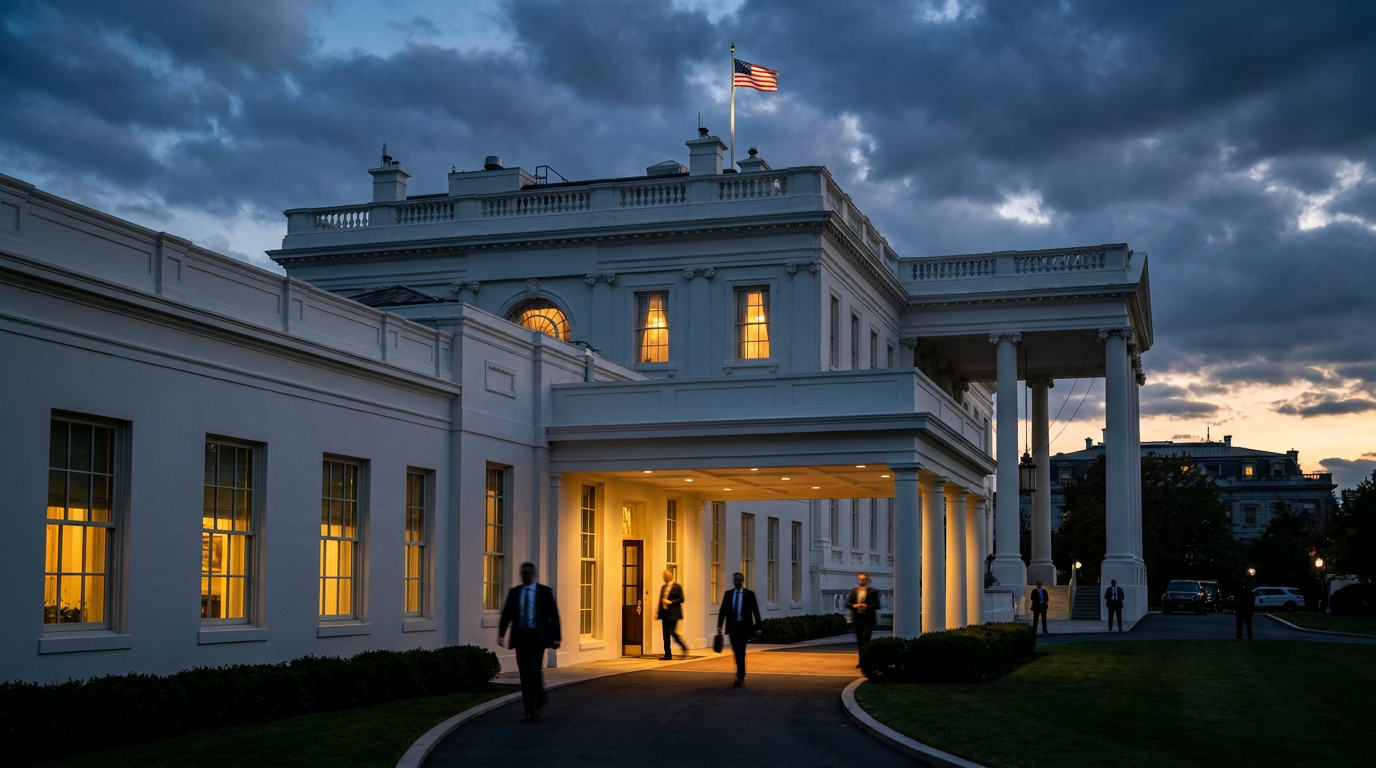
- Intelligence and Defense Skeptics
- Warn that Iran is using negotiations to buy time and will not make genuine concessions on its nuclear program.
- The White House
- Eager to finalize a peace deal to reopen shipping lanes, lower domestic gas prices, and secure a political victory ahead of the midterms.
- Iranian Leadership
- Seeking to leverage the disruption of global trade and regional instability to extract maximum concessions and preserve their nuclear infrastructure.
What's not represented
- · European Allies
- · American Consumers
Why this matters
A flawed peace deal could leave Iran's nuclear infrastructure intact, while a failure to reach an agreement guarantees that gas prices and inflation will remain elevated through the midterm elections. The outcome of these negotiations will directly impact both global security and the wallets of American consumers.
Key points
- CIA Director John Ratcliffe warned President Trump that Iran may not make genuine nuclear concessions in a final peace deal.
- The administration faces intense domestic pressure to end the war and lower gas prices ahead of the midterm elections.
- Iran has floated the idea of charging commercial ships a toll to pass through the Strait of Hormuz, complicating negotiations.
- Ongoing regional violence, including Israeli strikes in Lebanon, threatens to derail the fragile diplomatic progress.
As the United States enters the fourth month of its military conflict with Iran, the Trump administration is aggressively pursuing a diplomatic off-ramp to stabilize the region and the global economy. However, a stark divide is emerging between the White House's political imperatives and the assessments of the intelligence community. CIA Director John Ratcliffe recently briefed President Trump and senior officials, warning that newly gathered intelligence raises serious doubts about Tehran's willingness to make the sweeping nuclear concessions the U.S. is demanding in a final peace deal. The briefing underscores the immense difficulty of translating battlefield strikes into a lasting, verifiable diplomatic agreement.[1][2]
Ratcliffe is not the only voice of caution within the president’s inner circle. Secretary of State Marco Rubio and Secretary of Defense Pete Hegseth have both expressed deep skepticism regarding Iran's long-term intentions. The intelligence and defense establishments fear that Tehran may be using the current pause in major hostilities to buy time, rebuild its degraded missile stockpiles, and preserve the core components of its nuclear infrastructure. For these officials, any agreement that fails to permanently dismantle Iran's nuclear capabilities would render the military campaign—and its associated costs in American lives and taxpayer dollars—a strategic failure.[1]
Despite these private intelligence warnings, the administration is projecting confidence on Capitol Hill. Appearing before the Senate Foreign Relations Committee, Secretary Rubio struck a notably optimistic tone, repeating the administration's claims that a comprehensive deal is "within reach." Rubio testified that, for the first time in recent memory, Iranian negotiators have agreed to discuss aspects of their nuclear program that were entirely off the table just a month ago. He outlined a framework that would require Iran to take demonstrable steps toward ending its nuclear ambitions in exchange for sanctions relief and an end to the military campaign.[4][5]

The urgency to finalize an agreement is heavily driven by mounting domestic economic pressures in the United States. When the conflict began in February, it was widely pitched to the American public as a short, decisive operation. Instead, it has dragged into the summer, severely disrupting global supply chains and causing a sustained spike in energy markets. Gas prices and the cost of everyday goods remain elevated, directly testing President Trump’s promise of a rapid economic rebound. With the midterm elections looming, the White House is acutely aware that prolonged inflation and economic uncertainty could present a formidable political challenge for the Republican party.[2]
The urgency to finalize an agreement is heavily driven by mounting domestic economic pressures in the United States.
A central and highly volatile sticking point in the ongoing negotiations is the status of the Strait of Hormuz. The narrow waterway is a critical chokepoint for global energy supplies, and its closure during the conflict was the primary driver of the global economic shock. Reopening the strait—with Iran committing to remove mines and cease firing on commercial vessels—is a non-negotiable precondition for the United States. However, the mechanics of how the strait will operate post-conflict remain fiercely contested between the negotiating parties.[3][4]
In recent weeks, Iranian officials have floated the unprecedented idea of charging commercial ships a "toll" to pass through the Strait of Hormuz. While charging a transit toll is explicitly illegal under international maritime law, Tehran is reportedly exploring loopholes that would allow them to levy "service fees" for navigation assistance or environmental protection. It remains entirely unclear what actual services Iran would provide, especially given that no such fees were charged prior to the outbreak of the war. For the U.S. and its allies, allowing Iran to tax global shipping would be a massive political concession.[3]

The peace talks are further complicated by the sprawling, interconnected nature of the Middle East's proxy conflicts. The diplomatic back-channeling has repeatedly been threatened by violence outside of Iran's borders. Recently, Tehran threatened to completely suspend its exchange of messages with Washington, pointing to ongoing Israeli military operations in Lebanon. Iran views these operations as a direct violation of a fragile 45-day ceasefire agreement in the Levant, highlighting how easily a localized skirmish can derail the broader nuclear and maritime negotiations.[4][5]
The situation on the ground in Lebanon remains highly volatile, serving as a constant reminder of the war's human toll and the fragility of the regional security architecture. Just this week, a journalist reporting for Press TV was hit by shrapnel from an Israeli strike while filming in southern Lebanon. These continuous cross-border exchanges ensure that tensions remain at a boiling point, making it exceedingly difficult for diplomats in Geneva or Oman to build the trust necessary for a historic peace accord.[6]

Ultimately, the administration must navigate an incredibly narrow and perilous path. Securing a swift deal would reopen the Strait of Hormuz, stabilize global energy markets, and deliver a much-needed domestic political victory ahead of the midterms. However, accepting flawed terms to achieve that economic relief could leave Iran's nuclear infrastructure partially intact and its proxy networks emboldened—the exact scenario the CIA and the Defense Department are warning against. As the summer approaches, the White House must decide whether the price of immediate economic recovery is worth the long-term strategic risk.[1][2][4]
How we got here
February 2026
U.S. and Israel launch military operations against Iran, disrupting global shipping.
May 2026
Iran agrees to negotiate aspects of its nuclear program previously considered off-limits.
June 2026
CIA Director Ratcliffe warns the White House that Iran may not follow through on nuclear concessions.
Viewpoints in depth
Intelligence and Defense Skeptics
National security officials warn that Iran is negotiating in bad faith to preserve its nuclear capabilities.
Figures like CIA Director John Ratcliffe and Defense Secretary Pete Hegseth argue that Tehran responds only to maximum pressure. They fear that a premature diplomatic agreement will allow Iran to rebuild its degraded missile stockpiles and maintain the core components of its nuclear infrastructure, rendering the military campaign a strategic failure.
The White House and Political Allies
The administration is focused on stabilizing the global economy and delivering a domestic political win.
Facing mounting pressure ahead of the midterm elections, the White House is acutely aware of the political cost of high gas prices and inflation. Proponents of the deal argue that reopening the Strait of Hormuz and securing verifiable, albeit imperfect, nuclear concessions is preferable to an endless, costly military engagement.
Iranian Leadership
Tehran is using its control over vital shipping lanes to extract maximum leverage in negotiations.
By floating the idea of maritime tolls and threatening to walk away from talks over regional skirmishes, Iran is attempting to dictate the terms of the peace. The regime's primary goal is to secure sanctions relief and regime survival while conceding as little of its nuclear and military infrastructure as possible.
What we don't know
- Whether President Trump will accept a deal that falls short of the intelligence community's demands for complete nuclear dismantlement.
- If Iran will actually attempt to enforce illegal maritime tolls in the Strait of Hormuz once shipping resumes.
- How the ongoing proxy conflicts in Lebanon and elsewhere will impact the final terms of the agreement.
Key terms
- Strait of Hormuz
- A vital shipping chokepoint between the Persian Gulf and the Gulf of Oman, through which a significant portion of the world's oil passes.
- Proxy Conflict
- A war instigated by a major power that does not itself become fully involved, often fought through allied militant groups or smaller nations.
Frequently asked
Why is the CIA skeptical of the Iran peace deal?
CIA Director John Ratcliffe and other intelligence officials believe Iran is using the negotiations to buy time and has no genuine intention of dismantling its nuclear program.
How is the war affecting the U.S. economy?
The conflict has disrupted shipping through the Strait of Hormuz, causing gas prices and the cost of goods to remain elevated, which threatens the administration's promise of an economic rebound.
Will ships have to pay to use the Strait of Hormuz?
Iran has floated the idea of charging a "toll" or service fee for commercial ships. While illegal under international law, it remains a contested point in the ongoing negotiations.
Sources
Source coverage
6 outlets
3 viewpoints surfaced





[1]AxiosIntelligence and Defense Skeptics
Scoop: CIA director doubts Iran's intentions on deal, sources say
Read on Axios →[2]The New York TimesThe White House
Potential End of War Tests Trump’s Promise of Quick Economic Rebound
Read on The New York Times →Will Commercial Ships Have to Pay to Pass Through the Strait of Hormuz? Maybe.
Read on The New York Times →[4]The GuardianThe White House
Secretary of state appears before Congress and repeats Trump administration's claims that a deal is within reach
Read on The Guardian →[5]U.S. Department of StateThe White House
Secretary of State Marco Rubio Remarks to the Press
Read on U.S. Department of State →[6]Al JazeeraIranian Leadership
Journalist hit by Israeli strike while reporting in Lebanon
Read on Al Jazeera →

Every angle. Every day.
Get news politics stories with full source coverage and perspective breakdowns delivered to your inbox.