
2026 James Beard Media Awards Highlight Global Heritage, Plant-Based Cooking, and Culinary Preservation
The 2026 James Beard Media Awards honored a diverse slate of cookbook authors, celebrating works that preserve ancient techniques, elevate plant-based cuisine, and explore diasporic foodways.
By Factlen Editorial Team
- Culinary Preservationists
- Focus on documenting and passing down ancient, traditional techniques before they are lost to modern convenience.
- Diaspora & Fusion Innovators
- Value the blending of immigrant heritage with local ingredients to create modern, cross-cultural foodways.
- Plant-Based Advocates
- Celebrate the rise of vegan and vegetable-focused cooking as a mainstream, award-winning culinary force.
- Community & Wellness Voices
- View cooking and baking primarily as tools for fostering mental well-being, comfort, and social connection.
What's not represented
- · Traditional Eurocentric Fine Dining Advocates
- · Commercial Food Publishers
Why this matters
Cookbooks serve as cultural time capsules and trendsetters for home kitchens and restaurants alike. This year's winners signal a definitive shift toward sustainable, plant-based eating and the preservation of diverse, generational foodways over traditional Eurocentric fine dining.
Key points
- The 2026 James Beard Media Awards were held at the Art Institute of Chicago, honoring the year's best food literature.
- Yoko Nakazawa won the Single Subject category for her book preserving ancient Japanese pickling and fermentation techniques.
- Top Chef champion Melissa King took home the Professional and Restaurant award for her California-Chinese fusion cookbook.
- Dora Ramírez won the Vegetable-Focused Cooking award for adapting over 100 traditional Mexican recipes into vegan dishes.
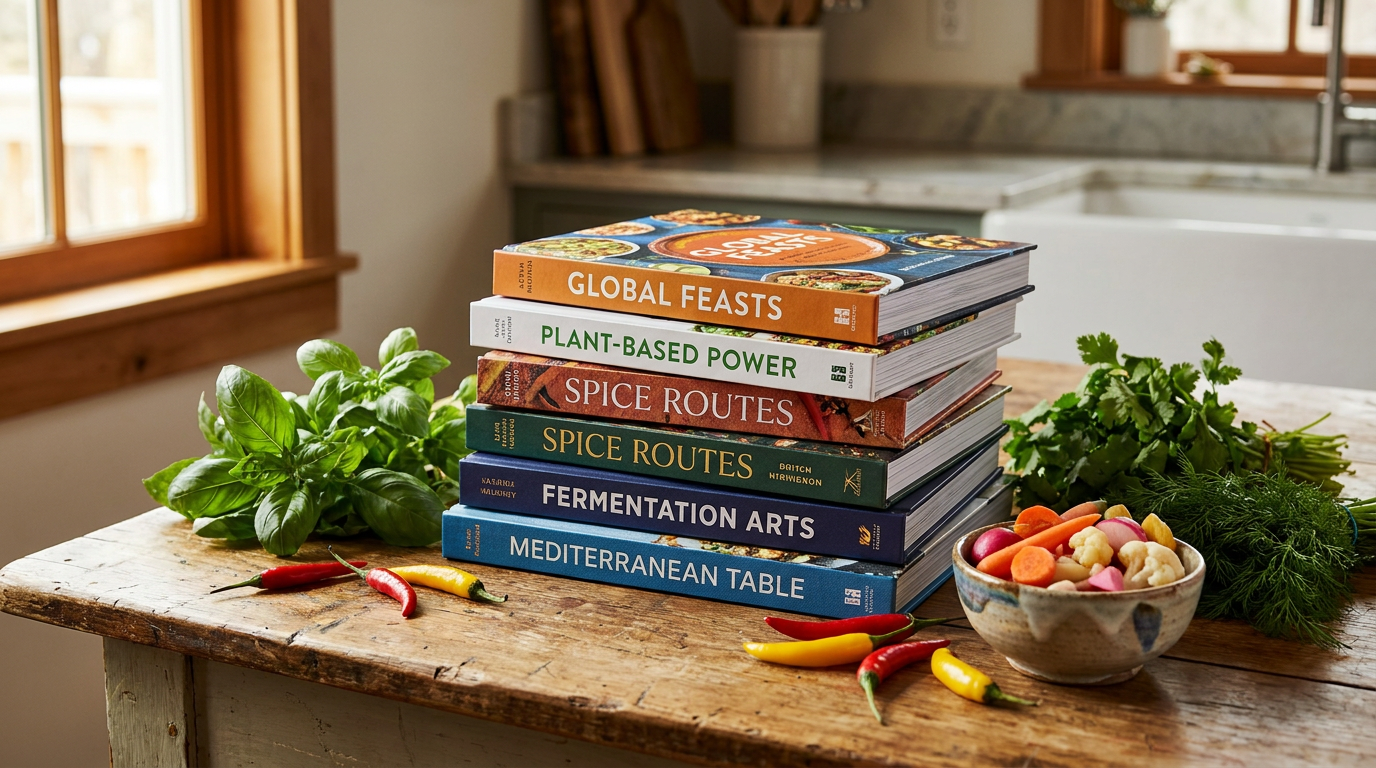
The culinary world gathered at the Art Institute of Chicago over the weekend to honor the year's most impactful food literature at the 2026 James Beard Media Awards. Often regarded as the "Oscars of the food world," the prestigious ceremony recognized the authors, journalists, and broadcast media professionals who are actively shaping how the public understands and interacts with food culture. This year's cookbook winners reflected a profound and inspiring industry shift, heavily favoring works that document diasporic heritage, elevate plant-based cooking, and preserve ancient culinary techniques. Moving away from traditional Eurocentric fine dining, the awards signaled a broader embrace of diverse, global foodways and sustainable kitchen practices that empower home cooks.[2][4][5]
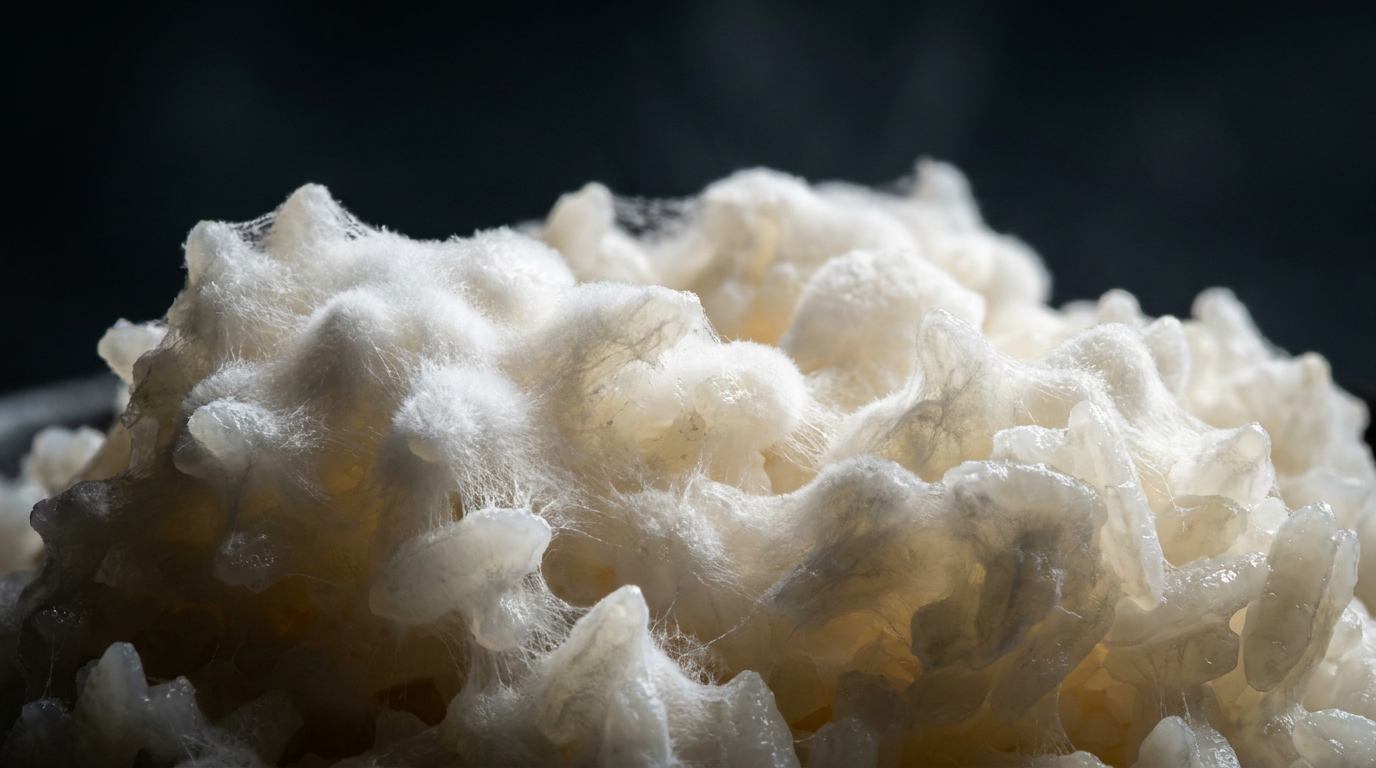
A major theme of the evening was the vital preservation of traditional, zero-waste foodways. Yoko Nakazawa took home the award in the Single Subject category for her comprehensive guide, The Japanese Art of Pickling & Fermenting. The Japanese-born, Australia-based author and organic miso producer chronicles centuries-old techniques, ranging from sweet vinegar pickles to rice bran-fermented nukazuke. In her emotional acceptance speech, Nakazawa emphasized that her primary goal was to preserve the foundational knowledge of the past and pass it securely to the next generation, ensuring that these sustainable preservation methods are not lost to modern convenience or industrial food systems.[1][2]

The celebration of diasporic and fusion cuisines also took center stage, highlighting how immigrant heritage evolves in new environments. Top Chef All-Stars champion Melissa King, alongside co-author JJ Goode, won the highly competitive Professional and Restaurant category for Cook Like a King: Recipes from My California Chinese Kitchen. King's vibrant work seamlessly blends her Shanghainese-Cantonese heritage with the produce-driven ethos of the West Coast, offering 120 dishes that redefine modern Asian-American cuisine for a new generation. Similarly, Marie Mitchell's Kin: Caribbean Recipes for the Modern Kitchen won the International category, exploring the deep, historical connections between food, memory, and the Caribbean diaspora.[4][5][6]
Plant-based cooking continued its rapid ascent into the culinary mainstream, proving that sustainable eating can honor deep cultural roots. San Antonio-based author Dora Ramírez won the Vegetable-Focused Cooking award for Comida Casera: More Than 100 Vegan Recipes, from Traditional to Modern Mexican Dishes. Ramírez spent over two years meticulously translating her family-favorite recipes into vegan interpretations, proving that traditional Mexican cuisine can be adapted for modern, plant-based lifestyles without sacrificing its authentic soul or complex flavor profiles. Her win underscores a growing movement to decouple traditional cultural cooking from heavy meat consumption.[3]

Plant-based cooking continued its rapid ascent into the culinary mainstream, proving that sustainable eating can honor deep cultural roots.
The awards also highlighted the profound emotional and communal power of food, framing cooking as an act of care rather than just sustenance. Helen Goh, a Melbourne-raised pastry chef and frequent Yotam Ottolenghi collaborator, won the Baking and Desserts category for her debut solo book, Baking and the Meaning of Life: How to Find Joy in 100 Recipes. Goh, who is also a practicing psychologist, explores how the simple, tactile act of baking can foster community, alleviate anxiety, and offer tangible comfort in an increasingly atomized and fast-paced world.[1][5]
The beverage categories further expanded the boundaries of traditional pairings and mixology, moving beyond classic European wine guides. Irene Yoo's Soju Party: How to Drink (and Eat!) Like a Korean won for Beverage with Recipes, serving as a comprehensive, joyful guide to Korean drinking culture, complete with snacks and interactive games. Meanwhile, renowned sommelier Cha McCoy's Wine Pairing for the People won the Beverage without Recipes category, offering a first-of-its-kind, inclusive guide to pairing wine with foods from Africa and the broader global diaspora.[4][5][6]

The awards also recognized rising stars who are reshaping the publishing landscape. Ozoz Sokoh was honored with the Emerging Voice in Books award for ChopChop: Cooking the Food of Nigeria, a vibrant exploration of West African ingredients and techniques. This recognition of emerging voices signals a concerted effort by the James Beard Foundation to diversify the stories being told in mainstream food media, ensuring that historically underrepresented cuisines receive the editorial spotlight and institutional backing they deserve.[2][4][5]
The Media Awards serve as the vibrant opening act for the James Beard Foundation's annual weekend of celebrations. With the literary and media honors now distributed, the international culinary community turns its full attention to the Lyric Opera of Chicago, where the highly anticipated 2026 Restaurant and Chef Awards will be presented on Monday evening, honoring the top culinary professionals and dining establishments across the United States. The weekend's events collectively underscore a culinary landscape that is becoming more inclusive, sustainable, and deeply connected to its diverse roots.[2]
How we got here
1990
The James Beard Foundation Awards are established to recognize culinary excellence in the United States.
2024
The James Beard Foundation retires its Leadership Awards to restructure and introduce new beverage categories.
June 13, 2026
The 2026 James Beard Media Awards are presented at the Art Institute of Chicago, honoring top food literature and journalism.
June 15, 2026
The 2026 James Beard Restaurant and Chef Awards ceremony takes place at the Lyric Opera of Chicago.
Viewpoints in depth
Culinary Preservationists
Advocates for documenting ancient techniques before they are lost.
For preservationists, the recognition of books like Yoko Nakazawa's The Japanese Art of Pickling & Fermenting is a vital victory. This camp argues that as the global food system becomes increasingly industrialized and reliant on ultra-processed convenience foods, ancient techniques like rice-bran fermentation and zero-waste vegetable preservation are at risk of disappearing. By awarding these practices, the culinary establishment validates the painstaking, time-intensive work required to keep generational knowledge alive and accessible to modern home cooks.
Plant-Based Advocates
Champions of vegan cuisine adapting traditional cultural dishes.
Plant-based advocates celebrate the success of authors like Dora Ramírez, whose Comida Casera proves that veganism is not inherently at odds with traditional cultural foodways. This viewpoint pushes back against the notion that plant-based diets must rely on modern meat substitutes or Eurocentric health-food trends. Instead, they highlight how indigenous and traditional cuisines—such as Mexican cooking—have deep, historical roots in vegetable-focused eating that can be seamlessly adapted for contemporary vegan lifestyles without losing their authentic flavor profiles.
Diaspora & Fusion Innovators
Chefs blending immigrant heritage with their current local environments.
This camp, represented by winners like Melissa King and Marie Mitchell, views food as a dynamic, evolving dialogue rather than a static museum piece. They argue that the most exciting culinary innovations happen at the intersection of diasporic memory and local, seasonal ingredients. For these innovators, a California-Chinese dish or a modern Caribbean recipe is not inauthentic; rather, it is a deeply authentic reflection of the immigrant experience, honoring ancestral flavors while embracing the produce and culture of their current homes.
What we don't know
- Which emerging food trends highlighted in this year's media awards will translate into the most successful new restaurant concepts in the coming years.
- How the increasing focus on zero-waste and fermentation techniques in home cooking will impact commercial food supply chains and grocery offerings.
Key terms
- Nukazuke
- A traditional Japanese type of pickle made by fermenting vegetables in a mixture of roasted rice bran, salt, and water.
- Diasporic foodways
- The culinary practices, recipes, and food traditions maintained and adapted by communities living outside their ancestral homelands.
- Plant-based
- A diet or cooking style consisting largely or solely of vegetables, grains, pulses, or other foods derived from plants, rather than animal products.
Frequently asked
What are the James Beard Media Awards?
The James Beard Media Awards are annual honors recognizing outstanding work in food literature, broadcast media, and journalism in the United States.
Who won the Baking and Desserts category in 2026?
Australian pastry chef and psychologist Helen Goh won for her debut solo cookbook, Baking and the Meaning of Life: How to Find Joy in 100 Recipes.
Did Melissa King win a James Beard Award?
Yes, Top Chef All-Stars champion Melissa King won the Professional and Restaurant category for Cook Like a King: Recipes from My California Chinese Kitchen.
When are the James Beard Restaurant and Chef Awards?
The 2026 Restaurant and Chef Awards take place on Monday, June 15, at the Lyric Opera of Chicago, following the Media Awards.
Sources
Source coverage
6 outlets
4 viewpoints surfaced






[1]The GuardianCommunity & Wellness Voices
Australian cookbook authors Helen Goh and Yoko Nakazawa win prestigious 2026 James Beard awards
Read on The Guardian →[2]James Beard FoundationCulinary Preservationists
The 2026 James Beard Media Award Winners
Read on James Beard Foundation →[3]San Antonio Express-NewsPlant-Based Advocates
San Antonio cookbook author wins James Beard Media Award
Read on San Antonio Express-News →[4]Cookbookery CollectiveDiaspora & Fusion Innovators
Breaking News: James Beard Cookbook Award Winners
Read on Cookbookery Collective →[5]Eat Your BooksDiaspora & Fusion Innovators
James Beard Award winners
Read on Eat Your Books →[6]Book LarderCulinary Preservationists
2026 James Beard Winners
Read on Book Larder →
Every angle. Every day.
Get food drink stories with full source coverage and perspective breakdowns delivered to your inbox.