
Major Injury Updates: Alcaraz Nears Return as Berrettini Cleared for Wimbledon
As the tennis world prepares for Wimbledon, Carlos Alcaraz is undergoing a crucial medical evaluation to clear his return for the US Open, while Matteo Berrettini has received a clean bill of health. Meanwhile, grass-court slips have claimed casualties, including rising star Victoria Mboko.
By Factlen Editorial Team
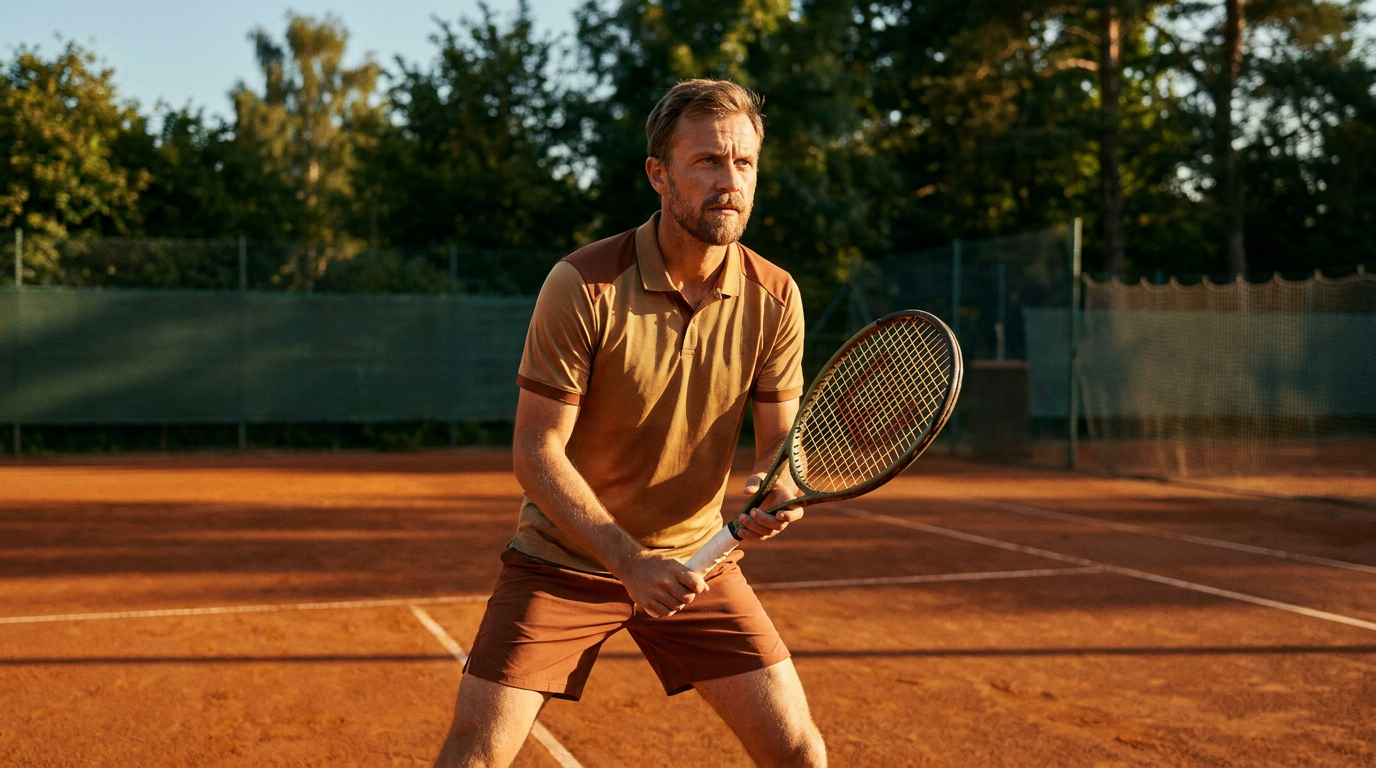
- Medical & Rehabilitation Teams
- Focuses on cautious, long-term recovery protocols over rushing back for immediate tournaments.
- Player Camps
- Prioritizes optimism, mental resets, and targeting specific major events for a full-strength return.
- Tournament Organizers & Analysts
- Monitors the immediate impact of withdrawals on draws, storylines, and the broader tour schedule.
What's not represented
- · Fans and Ticket Holders
- · Sponsors and Broadcasters
Why this matters
Injuries dictate the shifting landscape of championship contention in professional tennis. Understanding the recovery timelines of the sport's biggest stars provides crucial context for how the upcoming Grand Slam draws will unfold and who is physically equipped to endure the grueling two-week tournaments.
Key points
- Carlos Alcaraz is undergoing a pivotal medical evaluation in Barcelona, hoping to be cleared for on-court training ahead of the US Open.
- Matteo Berrettini's medical scans showed no significant muscle damage, clearing the former finalist to compete at Wimbledon.
- British No. 1 Cam Norrie successfully returned to grass-court action after recovering from a rib issue sustained at Roland Garros.
- Canadian teenager Victoria Mboko suffered an MCL tear at Queen's Club, ruling her out of Wimbledon and ending Serena Williams' doubles return.
The professional tennis calendar offers little respite, and as the tours transition to the uniquely demanding grass-court swing, the sport's biggest names find themselves navigating high-stakes medical crossroads. With the prestigious Wimbledon Championships just weeks away and the grueling US Open looming on the late-summer horizon, the focus for several top-tier competitors has shifted away from immediate tournament victories and toward long-term physical resilience. Behind the scenes, the ATP and WTA tours are currently defined by intense rehabilitation efforts, cautious medical evaluations, and the delicate balance of pushing the human body to its limits without crossing the threshold into chronic damage. For fans and analysts alike, the daily injury reports have become just as consequential as the match results, dictating the shifting landscape of championship contention.[1][7]
The most anticipated medical update in the sport currently centers on world No. 2 Carlos Alcaraz, who is approaching a critical juncture in his recovery. The 23-year-old Spanish sensation has been sidelined for 60 days following a devastating right wrist injury sustained at the Barcelona Open in mid-April. Alcaraz’s team has adopted a highly cautious approach, prioritizing the long-term health of his explosive, trademark forehand over the allure of immediate Grand Slam appearances. This conservative strategy necessitated painful but necessary withdrawals from the entire European clay-court swing—including the Masters 1000 events in Madrid and Rome, as well as Roland Garros—before also pulling him from the upcoming grass-court events at Queen's Club and Wimbledon. The extended absence marks the longest injury layoff of the young champion's career, testing his patience as he watches his rivals compete for the sport's biggest prizes.[1][2]
However, genuine optimism is finally building within the Spaniard's camp as he enters the next phase of his rehabilitation. Alcaraz is currently in Barcelona undergoing a pivotal, comprehensive evaluation with renowned sports medicine specialist Dr. Angel Ruiz Cotorro. If the joint shows sufficient healing and the medical team gives the green light, Alcaraz will be cleared to begin specific physical readjustment exercises. Crucially, a positive evaluation would allow the seven-time Grand Slam champion to finally resume hitting tennis balls for the first time in two months. The ultimate goal of this meticulous, step-by-step recovery process is to engineer a full-strength return for the North American hard-court swing in August, ensuring Alcaraz is fully equipped to defend his US Open title under the bright lights of New York.[1][2]
While Alcaraz targets a late-summer resurgence, Matteo Berrettini has delivered an immediate and much-needed boost for the current grass-court season. The Italian powerhouse and former Wimbledon finalist suffered a heart-wrenching retirement during his Roland Garros quarterfinal clash against compatriot Matteo Arnaldi, sparking widespread fears of another prolonged absence in a career that has frequently been derailed by physical setbacks. Berrettini was unable to finish the second set in Paris, leaving the court visibly frustrated and prompting concerns that his resurgent run back into the top 50 of the ATP rankings would be halted by yet another muscular issue.[3]

Those fears were decisively alleviated this week when Berrettini confirmed that comprehensive medical scans detected no significant muscle damage. Leaving Paris with a renewed sense of confidence and relief, the former World No. 6 posted a highly positive update to his supporters on social media. He declared that his physical condition is structurally sound and that his training regimen is already fully focused on preparing for the pristine lawns of SW19. For a player whose booming serve and heavy forehand are tailor-made for grass, the clean bill of health instantly reinserts Berrettini as a dangerous dark horse for the Wimbledon title, provided he can secure the necessary match practice in the coming weeks.[3]
Those fears were decisively alleviated this week when Berrettini confirmed that comprehensive medical scans detected no significant muscle damage.
The British contingent is also experiencing a wave of positive momentum, highlighted by former Wimbledon semi-finalist Cam Norrie successfully returning to competitive action at the HSBC Championships. Norrie had been forced to retire in the first round of Roland Garros due to a persistent rib issue that hindered his breathing and rotational movement. After a necessary period of rest and targeted treatment, the British No. 1 reported feeling completely reset and entirely pain-free during his initial grass-court practice sessions. Norrie noted that the brief time away from the court provided a valuable mental break, allowing him to return to his favorite surface with renewed energy and the physical confidence required to compete at the highest level.[4]
Yet, the notoriously slick and unpredictable nature of grass courts continues to demand a severe physical toll, claiming unfortunate casualties among players trying to find their footing. Canadian rising star Victoria Mboko suffered a devastating knee injury at Queen's Club, tearing her medial collateral ligament (MCL) after slipping awkwardly behind the baseline during a tense second-set battle against Karolina Pliskova. The 19-year-old, who currently sits at No. 9 in the WTA rankings, was visibly distressed as she told attending medical staff that she felt absolutely no stability in the joint, leading to an immediate retirement and a heartbreaking end to her grass-court campaign.[5][6]
Mboko's severe injury not only ruled the promising teenager out of her highly anticipated Wimbledon appearance but also abruptly and prematurely ended the professional return of 44-year-old tennis legend Serena Williams. Williams had shocked the sporting world by entering the Queen's Club doubles draw alongside Mboko, marking her first competitive match since the 2022 US Open. The generational duo had thrilled crowds by securing an opening-round victory, but the Canadian's subsequent singles injury forced the pair to withdraw from the remainder of the tournament, leaving fans wondering if and when Williams might grace the court again.[5][6]

Across the broader WTA Tour, players are increasingly opting for precautionary withdrawals, demonstrating a growing trend of prioritizing long-term health and major tournament readiness over the immediate pursuit of ranking points. Reigning Olympic champion Belinda Bencic made the difficult decision to pull out of highly competitive warm-up events in both London and Berlin in order to rest a minor but persistent ankle injury. Similarly, British standout Emma Raducanu withdrew from the Nottingham Open to carefully manage her physical schedule, a decision made following a concerning thigh scare during her exceptionally deep and physically taxing run to the final at Queen's Club.[7][8]
As the global tennis community converges on London for the climax of the grass-court season, the stark contrast between those rushing to heal and those finally returning to full strength highlights the brutal, unrelenting physical demands of the modern professional tour. For elite competitors like Carlos Alcaraz and Matteo Berrettini, these enforced injury layoffs have transformed from frustrating setbacks into vital, strategic opportunities to rebuild their bodies. By embracing cautious rehabilitation and rejecting the pressure to rush back prematurely, these athletes are ensuring they return to the court with the elite durability required to compete for the sport's most prestigious and grueling prizes.[1][2][3]
How we got here
Mid-April 2026
Carlos Alcaraz sustains a severe right wrist injury at the Barcelona Open.
Early June 2026
Matteo Berrettini retires from the Roland Garros quarterfinals with a muscle scare.
June 10, 2026
Victoria Mboko tears her MCL at Queen's Club, ending Serena Williams' doubles return.
June 15, 2026
Alcaraz undergoes a crucial medical evaluation in Barcelona to clear him for on-court training.
Viewpoints in depth
Medical & Rehabilitation Teams
Focuses on cautious, long-term recovery protocols over rushing back for immediate tournaments.
Sports medicine specialists and rehabilitation teams advocate for a highly conservative approach to joint and tendon injuries, particularly for explosive players like Carlos Alcaraz. From this perspective, the modern tennis calendar is dangerously congested, offering insufficient off-season recovery time and forcing players to play through minor ailments that eventually compound into major structural damage. Medical professionals emphasize that rushing a return to meet the schedule of a Grand Slam often risks chronic, career-altering instability. Instead, they champion extended, timeline-free rehabilitation periods that prioritize complete tissue healing and biomechanical readjustment, ensuring that when a player does return, they are not compensating for lingering weakness.
Player Camps
Prioritizes optimism, mental resets, and targeting specific major events for a full-strength return.
For the athletes and their immediate coaching teams, navigating an injury is as much a psychological battle as a physical one. Player camps focus on maintaining morale by framing forced layoffs as valuable opportunities for mental resets and strategic physical rebuilding. Rather than dwelling on the tournaments missed, this viewpoint hyper-focuses on specific, high-value return targets—such as Alcaraz aiming for the US Open or Berrettini zeroing in on Wimbledon. Coaches and sports psychologists work to keep the athlete engaged through film study and modified training, ensuring that once medical clearance is granted, the player can seamlessly transition back into elite competition without suffering a crisis of confidence.
Tournament Organizers & Analysts
Monitors the immediate impact of withdrawals on draws, storylines, and the broader tour schedule.
From the perspective of tournament directors, broadcasters, and tennis analysts, the wave of injuries leading up to major events represents a significant logistical and narrative challenge. High-profile withdrawals alter the competitive balance of draws, impact ticket sales, and force broadcasters to rapidly pivot their promotional storylines. Analysts operating from this viewpoint often debate the structural issues within the sport that contribute to these injury clusters, such as the rapid transition from slow clay courts to slick grass courts within a matter of weeks. They view the injury landscape not just as individual player setbacks, but as a systemic issue that affects the overall entertainment value and commercial viability of the tour's flagship events.
What we don't know
- Whether Carlos Alcaraz's wrist will respond positively to the impact of hitting tennis balls once he resumes on-court training.
- If Matteo Berrettini can secure enough competitive match practice on grass to mount a serious title challenge at Wimbledon.
- How long Victoria Mboko's MCL rehabilitation will take and when the 19-year-old will be able to return to the WTA Tour.
Key terms
- MCL (Medial Collateral Ligament)
- A critical ligament on the inner part of the knee that provides stability, commonly injured during sudden slips or changes in direction on grass courts.
- Grass-Court Swing
- The brief, intensive period of the professional tennis season played on natural grass, culminating in the Wimbledon Championships.
- Protected Ranking
- A system allowing players sidelined by long-term injuries to enter tournaments using their pre-injury ranking upon their return.
Frequently asked
Will Carlos Alcaraz play at Wimbledon?
No, Alcaraz has officially withdrawn from Wimbledon to focus on rehabilitating his right wrist for the North American hard-court swing.
Is Matteo Berrettini injured?
Berrettini suffered a muscle scare at Roland Garros, but recent scans showed no significant damage, and he has confirmed he will compete at Wimbledon.
Why did Serena Williams' return end early?
Williams was playing doubles with 19-year-old Victoria Mboko, who suffered an MCL tear during a singles match, forcing the pair to withdraw from the doubles draw.
Sources
Source coverage
8 outlets
3 viewpoints surfaced








[1]The Sunday GuardianMedical & Rehabilitation Teams
Carlos Alcaraz To Resume On-Court Training? Major Injury Update Sparks Return Hope For US Open 2026
Read on The Sunday Guardian →[2]CLAYMedical & Rehabilitation Teams
Carlos Alcaraz's longest injury: the mystery of a layoff without a timeline hides a physical gamble
Read on CLAY →[3]TennisUpToDatePlayer Camps
Matteo Berrettini confirms Wimbledon return after French Open injury scare
Read on TennisUpToDate →[4]LTAPlayer Camps
HSBC Championships 2026: Cam Norrie on injury return, playing at Queen's
Read on LTA →[5]NBC SportsTournament Organizers & Analysts
Serena Williams' doubles partner Victoria Mboko to miss Wimbledon with knee injury
Read on NBC Sports →[6]SuperSportTournament Organizers & Analysts
Serena return could be cut short after injury to doubles partner | tennis
Read on SuperSport →[7]UBITENNISTournament Organizers & Analysts
Injured Belinda Bencic Withdraws From Wimbledon Warm-Up Events In London, Berlin
Read on UBITENNIS →[8]Last Word On SportsPlayer Camps
Emma Raducanu withdraws from Nottingham, but doesn't cite injury as cause
Read on Last Word On Sports →
More in sports
See all 10 stories →Injury
Elaine Thompson-Herah Completes Two-Year Comeback from Achilles Injury Ahead of Commonwealth Games
0 sources

Pro Volleyball
How the $325 Million MLV Merger Finally Built a Sustainable Home for US Pro Volleyball
0 sources
NBA Finals
New York Knicks Win 2026 NBA Finals, Ending 53-Year Championship Drought
0 sources
Standings
17-Year-Old Phenom Cooper Lutkenhaus Takes Command of Diamond League 800m Standings
0 sources
Every angle. Every day.
Get sports stories with full source coverage and perspective breakdowns delivered to your inbox.