
The 3-Minute Round Debate Reshaping Women's Boxing
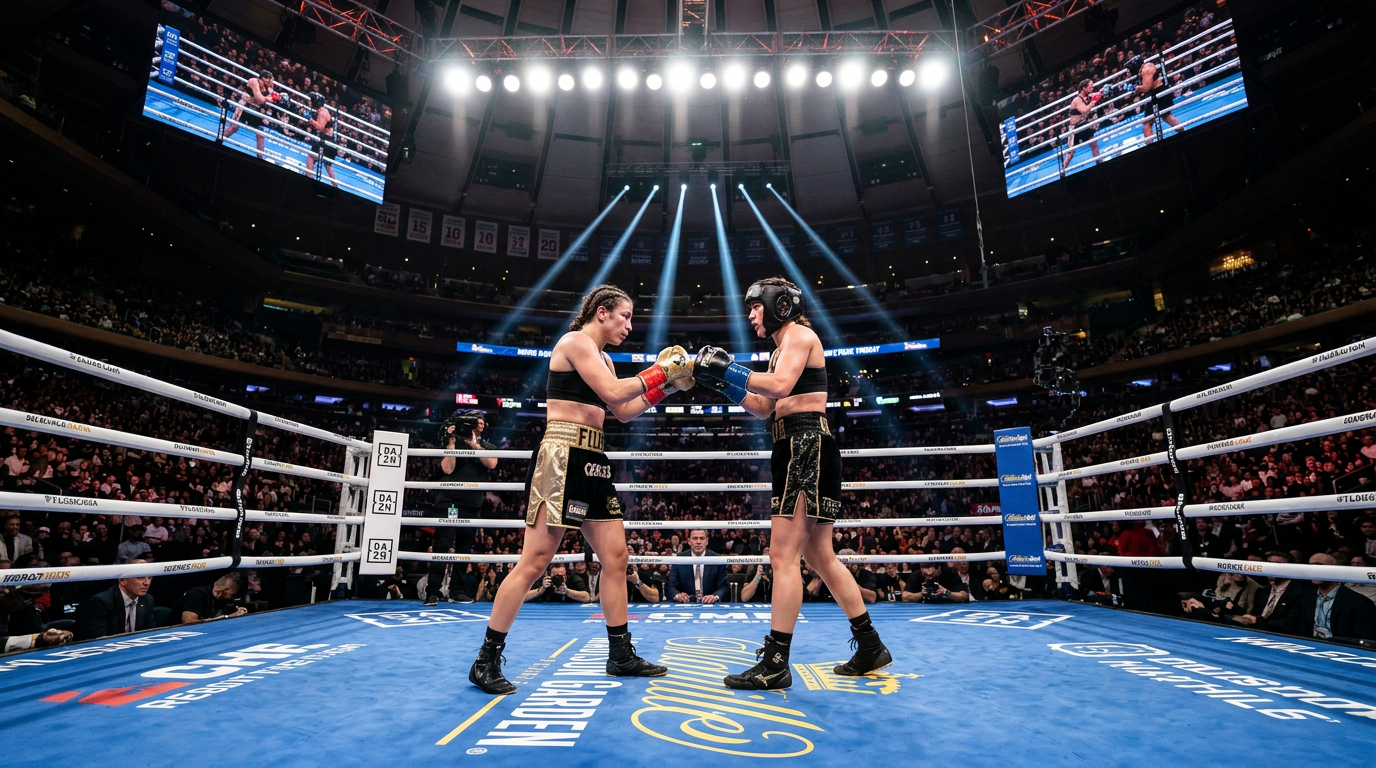
As female boxers push for three-minute rounds to match the men's standard, a fierce debate has emerged over equality, safety, and the entertainment value of the sport.
By Factlen Editorial Team
- Equality Advocates
- Fighters demanding 3-minute rounds to match the men's standard and increase knockout opportunities.
- Safety First Camp
- Governing bodies citing concussion risks and physiological differences to maintain 2-minute rounds.
- Entertainment Pragmatists
- Promoters and fighters who believe the faster pace of 2-minute rounds creates a more exciting product.
What's not represented
- · Grassroots female amateur boxers
- · Ringside physicians and neurologists
Why this matters
The push for three-minute rounds is the most significant structural shift in women's boxing history, directly impacting fighter pay, knockout rates, and the long-term health of the athletes.
Key points
- Women's professional boxing matches typically feature 10 two-minute rounds, compared to 12 three-minute rounds for men.
- Fighters like Amanda Serrano are pushing for three-minute rounds to achieve equality and increase knockout opportunities.
- The World Boxing Council refuses to sanction three-minute rounds for women, citing higher concussion risks and fatigue.
- Promoters and some fighters argue that two-minute rounds create a faster, more action-packed entertainment product.
The landscape of women's boxing has exploded in popularity, headlining major arenas and drawing millions of viewers worldwide. Yet, a fundamental discrepancy remains baked into the rulebook of the sport: women fight two-minute rounds, while men fight three.[1][5]
Seven-division champion Amanda Serrano has become the face of the movement to change this standard. She argues that female athletes are just as capable of fighting 12 three-minute rounds as men, and that the current rules artificially limit their earning potential by suppressing the sport's mechanics.[1][4]
In October 2023, Serrano put her advocacy into action, fighting Danila Ramos in a historic 12-round, three-minute unified title bout. To make the fight happen, Serrano had to vacate her WBC featherweight title, as the organization adamantly refused to sanction the longer format.[4][6]

The World Boxing Council, led by president Mauricio Sulaiman, has firmly rejected the push for three-minute rounds. The organization maintains that the two-minute mandate is not a matter of sexism, but a necessary protocol rooted in medical science and fighter safety.[6][7]
The medical argument centers on traumatic brain injuries. According to the WBC and some sports science researchers, women are at a higher risk for concussions due to physiological differences, including lower neck strength and bone density, which make them more susceptible to the rotational forces of a punch.[5][7]
Fatigue plays a critical role in this safety equation. In combat sports, exhaustion slows reaction times and causes fighters to drop their defensive guards, leaving them vulnerable to heavy, concussive blows. Shorter rounds allow for quicker recovery breaks, which proponents argue is crucial for protecting female athletes.[5]
Inside the ring, the missing minute completely changes the tactical landscape of a fight. A two-minute round forces a frantic, high-volume pace where fighters have very little time to set traps, establish a probing jab, or systematically wear down an opponent's body.[3][5]

Inside the ring, the missing minute completely changes the tactical landscape of a fight.
Because fighters only have 120 seconds to work before the bell rings, knockouts are statistically far less common in women's boxing. Serrano and other power punchers argue that three minutes would allow them to properly break down their opponents, leading to the highlight-reel finishes that traditionally drive pay-per-view buys in the men's game.[3][4]
However, not all elite female champions agree that three minutes is the definitive answer. Undisputed lightweight champion Katie Taylor, Serrano's greatest rival, has publicly defended the two-minute format as a unique asset to the sport.[1][3]
Taylor and her promoter, Eddie Hearn, argue that the two-minute round actually creates a superior entertainment product. The shorter clock forces non-stop action and relentless combinations, resulting in the thrilling, high-volume brawls that have elevated women's boxing to unprecedented commercial heights.[2][3]
Taylor has also questioned whether the broader landscape of women's boxing has the "strength and depth" to support three-minute rounds across the board. While elite fighters routinely spar for three minutes in training camps, she noted that the lower tiers of the sport might struggle with the extended 36-minute championship duration.[3]

The debate reached a boiling point ahead of the Taylor-Serrano trilogy fight scheduled for July 2025. Serrano publicly lobbied for the bout to be contested over 12 three-minute rounds, claiming the two camps had a "handshake deal" to honor the men's standard.[1][4]
Ultimately, Taylor and her team insisted on the standard 10 two-minute rounds. Jake Paul, whose Most Valuable Promotions represents Serrano, accused Taylor of "ducking" the longer rounds, claiming she would have been stopped under the sustained pressure of a three-minute clock.[2]
Despite the setback in the Taylor rivalry, the equality movement continues to gain traction. Other prominent champions, including Britain's Chantelle Cameron, have followed Serrano's lead by vacating their WBC titles in protest of the two-minute mandate, demanding the right to fight under equal rules.[6]
As women's boxing continues its rapid commercial growth, the tension between safety protocols, entertainment value, and the demand for athletic equality will only intensify. Whether the sport eventually unifies under a single standard or fractures into competing rule sets remains one of the most compelling storylines in modern combat sports.[1][6]
How we got here
Oct 2005
The WBC officially sanctions major title fights for women professionals, establishing the 10-round, 2-minute standard.
Oct 2023
Amanda Serrano fights Danila Ramos in a historic 12-round, 3-minute unified title bout, vacating her WBC belt to do so.
July 2025
The highly anticipated Taylor-Serrano trilogy fight proceeds under the 10-round, 2-minute format after a public dispute over the rules.
Oct 2025
Chantelle Cameron vacates her WBC super-lightweight title in protest of the two-minute mandate.
Viewpoints in depth
The Equality Advocates
Fighters pushing for 3-minute rounds to match the men's standard.
Led by Amanda Serrano and Chantelle Cameron, this camp argues that female boxers train for three-minute rounds in the gym and possess the stamina to compete at that duration. They believe the two-minute rule artificially suppresses knockout rates, which in turn limits the commercial appeal and pay-per-view revenue of women's boxing. For these athletes, true equality means fighting under the exact same rules as the men.
The Safety First Camp
Governing bodies and medical professionals prioritizing concussion prevention.
The World Boxing Council (WBC) and some sports scientists argue that physiological differences—such as lower neck strength and bone density—make female fighters more susceptible to concussions. Because fatigue is a primary factor in dropping one's guard and absorbing heavy blows, they maintain that two-minute rounds provide necessary recovery time and significantly reduce the risk of long-term traumatic brain injury.
The Entertainment Pragmatists
Promoters and fighters who believe the 2-minute round is a better product.
Figures like Katie Taylor and promoter Eddie Hearn argue that the two-minute round is actually the secret weapon of women's boxing. Because fighters only have 120 seconds to make an impression on the judges, the bouts feature relentless, high-volume action with very little stalling. They warn that extending rounds to three minutes could slow the pace, resulting in more tactical but ultimately less entertaining fights.
What we don't know
- Whether the major sanctioning bodies will ever unify their stance on round lengths for women.
- If long-term medical data will definitively prove that three-minute rounds are significantly more dangerous for female fighters.
Key terms
- Sanctioning Body
- An organization, like the WBC or WBO, that recognizes championship fights and enforces the rules of the bout.
- Undisputed Champion
- A fighter who holds all four major world titles (WBA, WBC, IBF, WBO) in a single weight class simultaneously.
- Pound-for-Pound
- A ranking system used in combat sports to determine who the best fighters are regardless of their weight class.
Frequently asked
How long are rounds in women's boxing?
Standard professional women's boxing rounds last two minutes, compared to three minutes for men.
How many rounds are in a women's title fight?
Women's championship fights are scheduled for 10 rounds, totaling 20 minutes of action. Men's title fights are 12 rounds, totaling 36 minutes.
Has any woman fought 12 three-minute rounds?
Yes. In October 2023, Amanda Serrano fought Danila Ramos in a historic 12-round, three-minute unified title fight.
Why does the WBC refuse to sanction three-minute rounds?
The World Boxing Council cites medical studies suggesting women are at a higher risk for concussions, arguing that shorter rounds reduce fatigue and protect fighters from brain injuries.
Sources
Source coverage
7 outlets
3 viewpoints surfaced







[1]Ring MagazineEquality Advocates
Amanda Serrano 'Disappointed' Katie Taylor 'Did Not Keep Her Word' For 12, 3-Minute Rounds
Read on Ring Magazine →[2]CBS SportsEntertainment Pragmatists
Katie Taylor vs. Amanda Serrano 3: What's at stake for the fighters and the sport of women's boxing
Read on CBS Sports →[3]The Associated PressEntertainment Pragmatists
Katie Taylor questions if women's boxing has 'strength and depth' for 3-minute rounds
Read on The Associated Press →[4]EssentiallySportsEquality Advocates
Katie Taylor, Amanda Serrano Agree to 12 3-Minute Round Trilogy Regardless of Rematch Outcome
Read on EssentiallySports →[5]KO StudioSafety First Camp
Why Is Women's Boxing Limited to 2-Minute Rounds? Explained
Read on KO Studio →[6]CNAEquality Advocates
Cameron vacates WBC title in protest against men's and women's rules
Read on CNA →[7]World Boxing CouncilSafety First Camp
WBC Statement on Women's Boxing Rules
Read on World Boxing Council →

More in sports
See all 10 stories →Injury
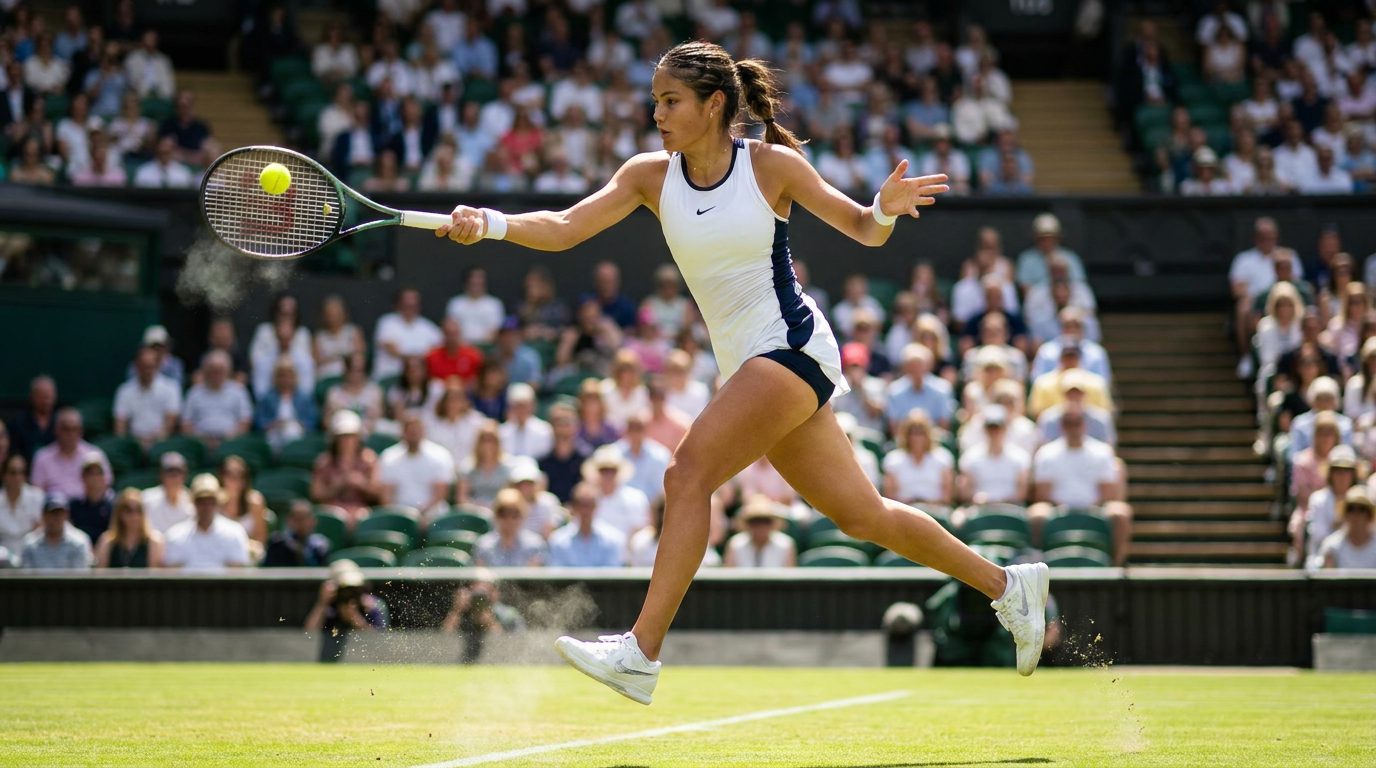
Major Injury Updates: Alcaraz Nears Return as Berrettini Cleared for Wimbledon
0 sources

Standings
Youth Surges and Breakthroughs Reshape ATP and WTA Race Standings Ahead of Grass Season
0 sources
Charity Milestone
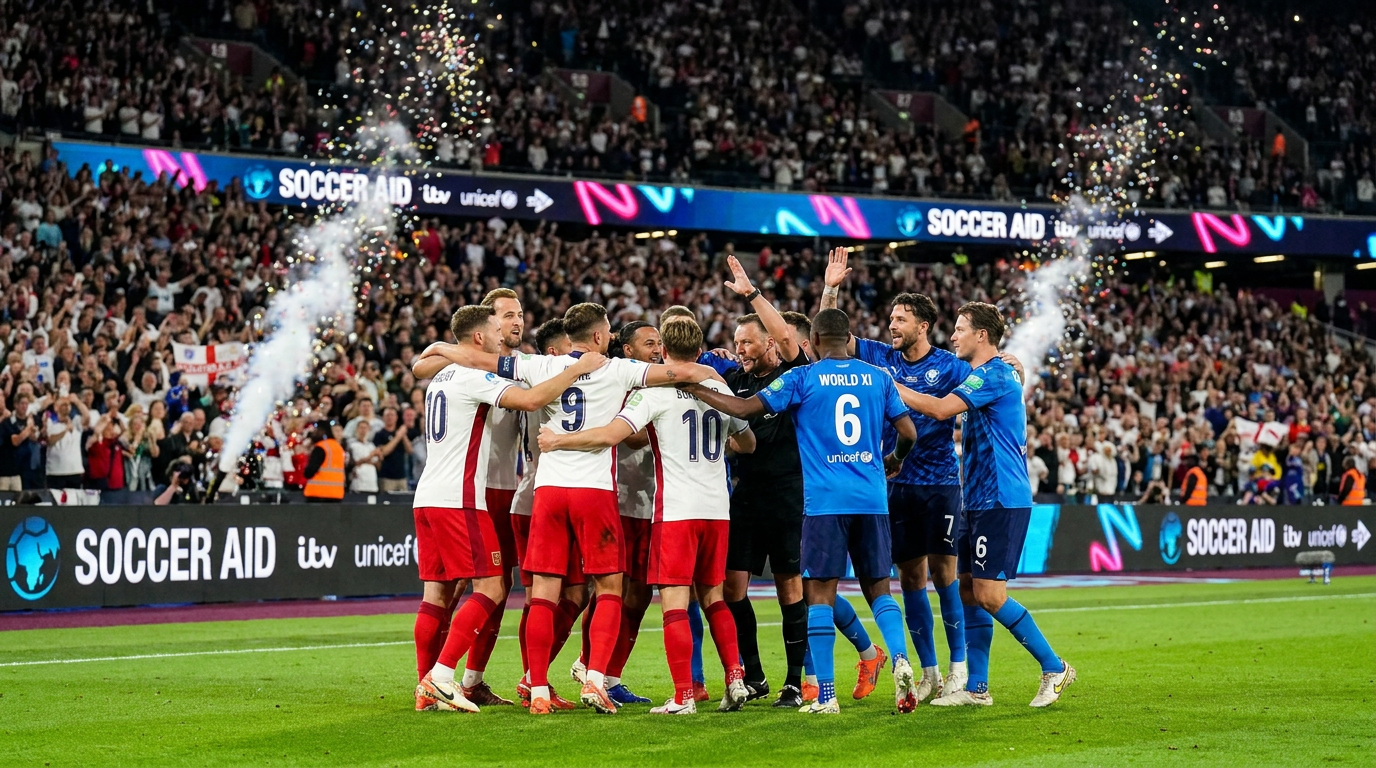
Soccer Aid 2026 Raises Record £16.4 Million for UNICEF in 20th Anniversary Match
0 sources
Injury
Global Cricket Injury Report: Robinson Ruled Out, Lyon Nears Return, and Kohli Sidelined
0 sources

Every angle. Every day.
Get sports stories with full source coverage and perspective breakdowns delivered to your inbox.