
US and Iran Sign Tentative Peace Deal to End War and Reopen Strait of Hormuz
The United States and Iran have reached a framework agreement to end their three-month conflict, lifting the US naval blockade in exchange for reopening the Strait of Hormuz. The deal establishes a 60-day ceasefire to negotiate Iran's nuclear program and sanctions relief, though Israeli officials have warned they are not bound by the terms.
By Factlen Editorial Team
- US Administration
- Focuses on reopening the Strait of Hormuz, lowering energy prices, and ending the immediate conflict while deferring nuclear talks.
- Iranian Leadership
- Focuses on lifting the US naval blockade and securing sanctions relief without immediately surrendering its proxy network or ballistic missiles.
- Israeli Government
- Views the deal as a threat that fails to dismantle Iran's nuclear capabilities or neutralize Hezbollah, insisting Israel is not bound by the ceasefire.
- International Mediators
- View the agreement as a historic, necessary step to stabilize the global economy and prevent a wider regional war.
What's not represented
- · Lebanese civilians affected by the ongoing Israeli operations
- · Global shipping and insurance companies assessing the actual risk in the Strait of Hormuz
Why this matters
The reopening of the Strait of Hormuz immediately stabilizes global energy markets and lowers oil prices, while the ceasefire halts a devastating regional war. However, the deferral of nuclear negotiations and Israel's refusal to halt operations in Lebanon leave the region's long-term security highly precarious.
Key points
- The US and Iran signed a Memorandum of Understanding to end their three-month war and reopen the Strait of Hormuz.
- The agreement establishes a 60-day ceasefire to negotiate Iran's nuclear program and the release of frozen assets.
- The US will lift its naval blockade of Iranian ports and temporarily suspend sanctions on Iranian oil exports.
- Israeli officials rejected the deal, stating they are not bound by it and will continue military operations against Hezbollah in Lebanon.
- Global oil prices dropped sharply following the announcement as commercial shipping prepares to resume in the strait.
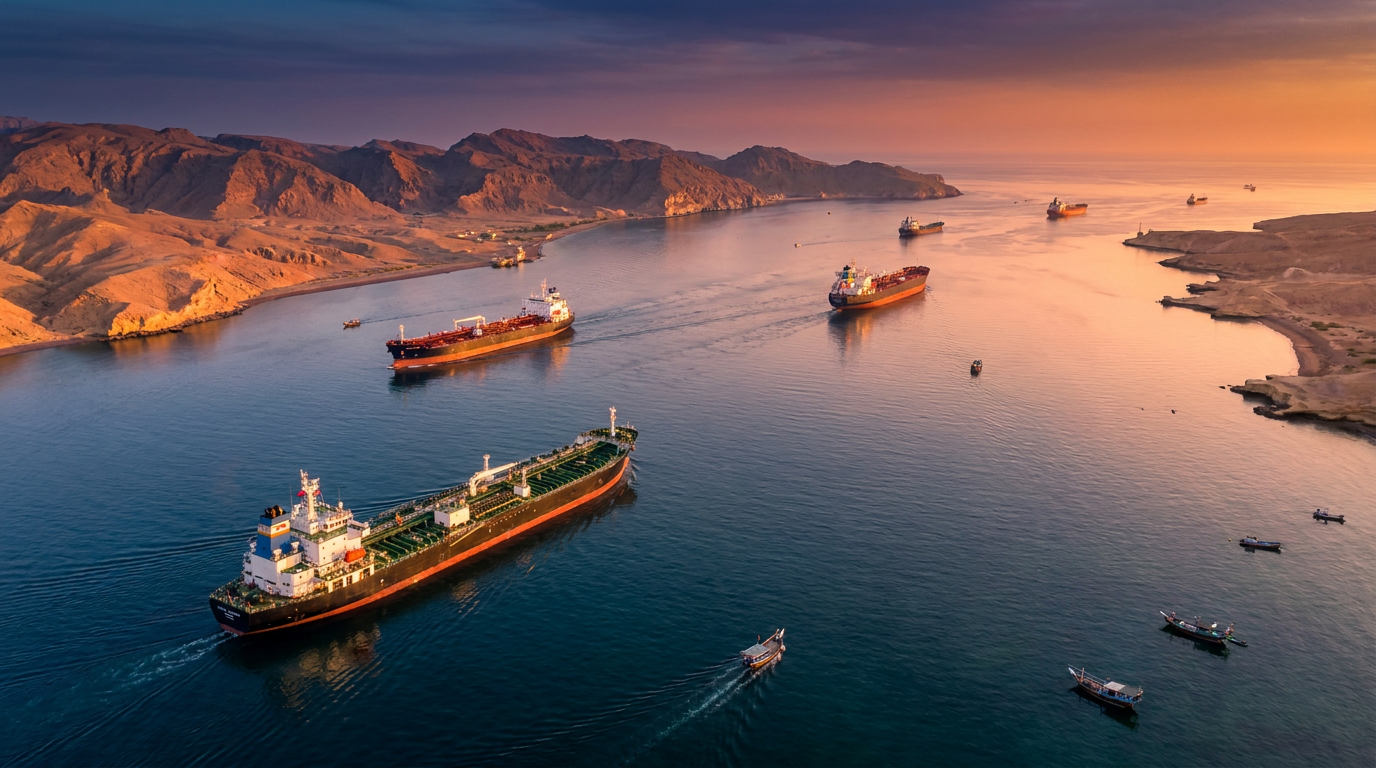
The United States and Iran have electronically signed a Memorandum of Understanding to end their three-month war, establishing an immediate ceasefire and reopening the critical Strait of Hormuz to global shipping. Brokered primarily by Pakistan and Qatar, the tentative agreement halts direct hostilities and lifts the US naval blockade on Iranian ports. A formal signing ceremony is scheduled for Friday in Geneva, marking the most significant diplomatic breakthrough since the conflict erupted in late February. The deal aims to pull the Middle East back from the brink of a wider conflagration, though it leaves several of the war's underlying causes unresolved.[1][6]
The framework deal represents a return to the pre-war status quo, prioritizing immediate economic relief and maritime security over long-term geopolitical resolutions. US President Donald Trump, Vice President JD Vance, and Iranian Parliament Speaker Mohammad Bagher Ghalibaf signed the initial document, which initiates a 60-day window to negotiate the more intractable issues. These deferred topics include Iran's nuclear program, its development of ballistic missiles, and the comprehensive lifting of international sanctions. By separating the immediate cessation of hostilities from the complex nuclear portfolio, negotiators bypassed the deadlock that had stalled previous peace efforts.[1][2]
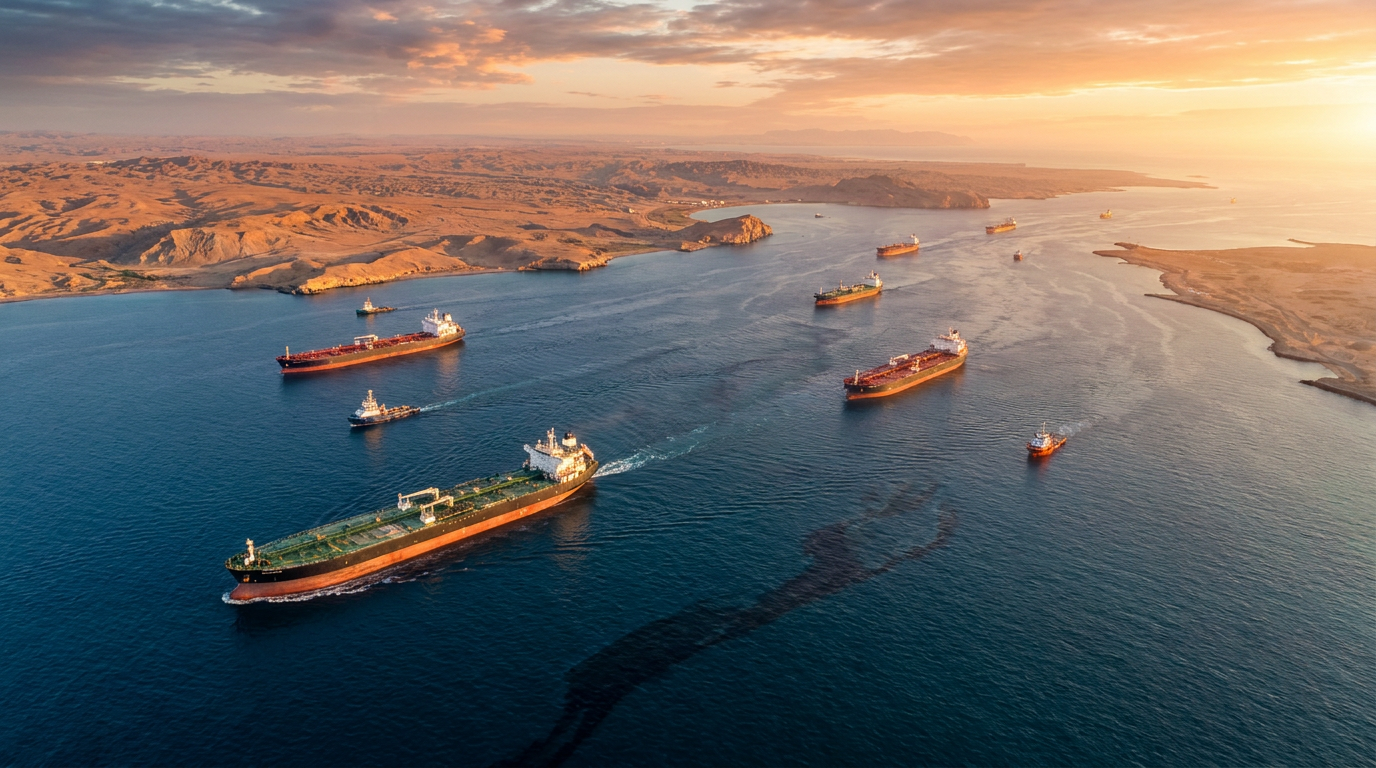
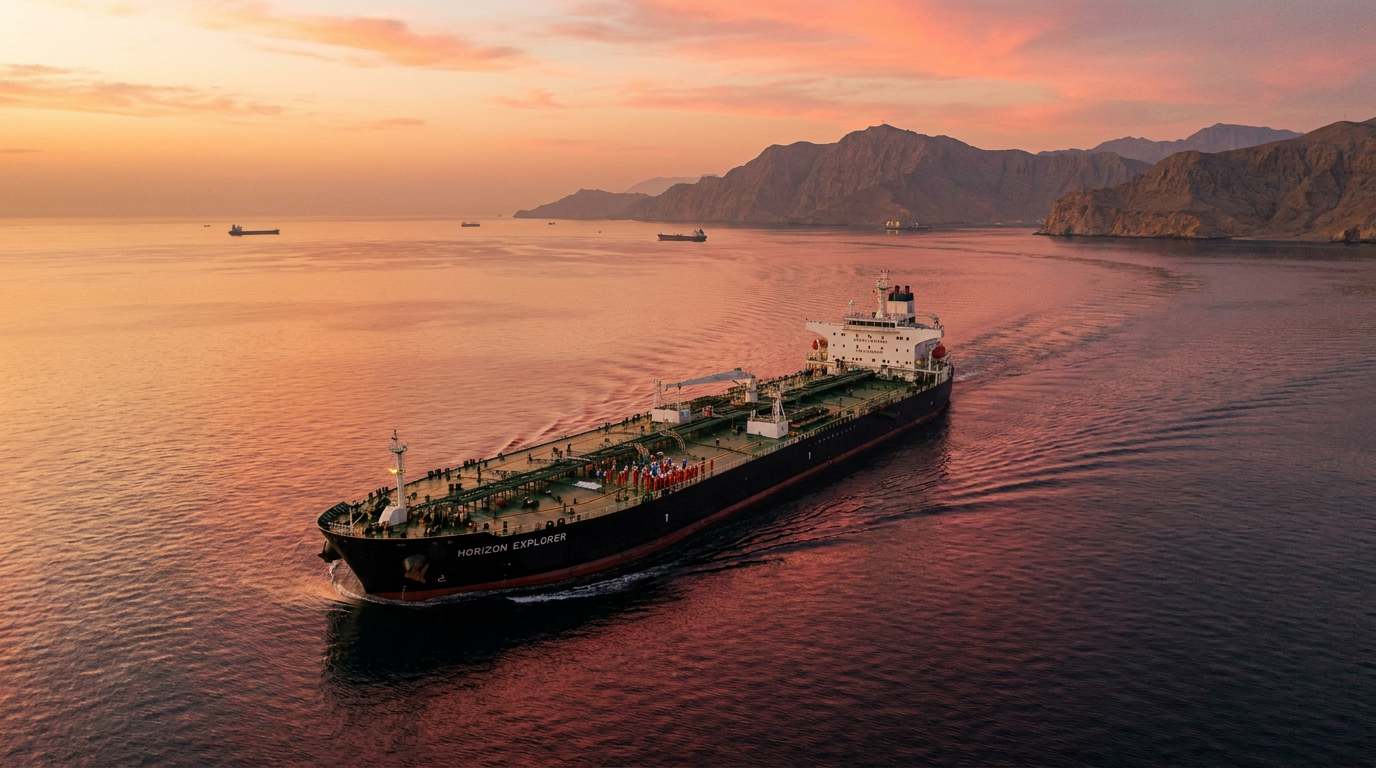
For the global economy, the immediate and most vital priority is the unblocking of the Strait of Hormuz. Following the announcement, global oil prices dropped sharply as President Trump declared on social media that ships were 'starting to move' and that the waterway would be fully open by Friday. The agreement stipulates that commercial traffic should return to pre-war levels within 30 days, contingent on the clearing of naval mines deployed during the conflict. Shipping companies and insurers are closely monitoring the situation, waiting for explicit confirmation that the US military blockade has been fully deactivated before resuming normal transit schedules.[1][4]

In exchange for unblocking the strait, the US has agreed to lift its naval blockade of Iranian ports and suspend primary sanctions on Iranian oil and petrochemical exports for the duration of the 60-day ceasefire. Iranian officials claim the deal also paves the way for the release of up to $24 billion in frozen overseas assets, asserting that half of this amount will be accessible before final negotiations conclude. However, US Vice President Vance emphasized in interviews that no money has been released yet, insisting that any future unfreezing depends entirely on Tehran's strict compliance with the memorandum's terms.[2][4]
The agreement notably omits several of Washington's initial maximalist war aims. Early demands from the US administration for Iran's 'unconditional surrender' and explicit regime change have been dropped from the final text. Furthermore, the current memorandum contains no immediate restrictions on Iran's ballistic missile program and does not require the dismantling of its regional proxy network, deferring those highly sensitive security issues to the upcoming Geneva talks. This pragmatic approach reflects a mutual recognition that a prolonged, all-out war was economically unsustainable for both nations.[1]
The agreement notably omits several of Washington's initial maximalist war aims.
The most significant hurdle to the deal's long-term success is the fierce opposition from Israel. The Israeli government, which was largely sidelined during the final stages of the Pakistani-mediated negotiations, has reacted with profound alarm. Prime Minister Benjamin Netanyahu had previously insisted that any acceptable deal must include the immediate removal of enriched nuclear material and the total dismantling of Iran's proxy forces. For Jerusalem, an agreement that leaves Iran's nuclear infrastructure intact while providing economic relief is viewed as a strategic catastrophe.[1][5]

Israeli officials have explicitly stated that they do not consider themselves bound by the US-Iran agreement. National Security Minister Itamar Ben Gvir called the deal a direct threat to Israeli security, emphasizing Israel's status as a sovereign nation not subject to Washington's dictates. Concurrently, Defense Minister Israel Katz declared that the Israel Defense Forces (IDF) will remain in Lebanon and Gaza 'indefinitely' to combat Hezbollah and Hamas, directly contradicting the agreement's call for a comprehensive ceasefire on all regional fronts.[2][5]
The stark disconnect between Washington and Jerusalem has spilled into public view, straining the historic alliance. President Trump openly criticized Israel's ongoing military operations in Beirut, warning that escalating attacks in Lebanon could jeopardize the fragile peace framework just as it is being implemented. The US administration has reportedly pressured Israel to halt its strikes to give the ceasefire a chance to take hold, but Israeli leadership maintains it has an absolute sovereign right to secure its northern border against Hezbollah's continued presence.[4][5]

Internationally, the agreement has been met with widespread relief and cautious optimism. UN Secretary-General Antonio Guterres praised the deal as a 'critical step' toward a peaceful settlement, while Pakistani Prime Minister Shehbaz Sharif, whose government played a central role in the mediation, called it a 'historic step towards peace.' Leaders from Qatar, Egypt, and the European Union echoed these sentiments, emphasizing the urgent need for swift implementation to stabilize the global economy and facilitate humanitarian aid to war-torn areas.[3][7]
The next 60 days will serve as a critical test of whether the immediate economic incentives can sustain a lasting peace. Negotiators gathering in Geneva face the daunting task of translating a temporary halt in fighting into a comprehensive, binding treaty. They must address Iran's nuclear ambitions, satisfy US security demands, and somehow manage Israel's ongoing military campaign against Hezbollah—all while preventing the fragile ceasefire from collapsing under the weight of decades of mutual distrust.[1][6]
How we got here
Feb 28, 2026
US and Israeli forces launch initial strikes against Iran, beginning the war.
April 8, 2026
A temporary two-week ceasefire is agreed upon, mediated by Pakistan.
April 21, 2026
President Trump extends the temporary ceasefire indefinitely amid ongoing negotiations.
June 14, 2026
The US and Iran electronically sign a Memorandum of Understanding to end the war.
June 19, 2026
Formal signing ceremony scheduled to take place in Geneva, Switzerland.
Viewpoints in depth
The US Administration's view
The White House views the deal as a necessary pragmatic step to stabilize the Middle East and lower domestic energy prices.
By securing the reopening of the Strait of Hormuz, the US administration aims to deliver immediate economic relief to American consumers. Officials emphasize that the deal is a framework, not a final treaty, and that leverage remains intact because frozen funds will only be released upon verified Iranian compliance during the 60-day negotiation window.
The Iranian Leadership's view
Tehran sees the agreement as a victory that breaks the US naval blockade without forcing an immediate surrender of its nuclear or military assets.
Iranian officials highlight the lifting of the blockade and the suspension of oil sanctions as crucial lifelines for their battered economy. They view the deferral of nuclear and ballistic missile talks as a successful defense of their sovereignty, allowing them to enter the 60-day negotiation period from a position of restored economic leverage.
The Israeli Government's view
Israel views the agreement as a dangerous capitulation that leaves Iran's nuclear infrastructure and proxy network intact.
Israeli leaders argue that a ceasefire without the immediate dismantling of Hezbollah or the removal of enriched uranium poses an existential threat. Consequently, the government insists it is not bound by the US-brokered terms and maintains its right to continue military operations in Lebanon and Syria to secure its borders.
International Mediators' view
Brokers like Pakistan and the UN view the deal as a vital diplomatic breakthrough that prevents a wider regional catastrophe.
Mediators emphasize that returning to the pre-war status quo was the only viable way to halt the devastating loss of life and the severe disruption to global trade. They argue that while the deal is imperfect, establishing a 60-day window for diplomacy is vastly preferable to an escalating, multi-front war.
What we don't know
- Whether Israel will comply with the ceasefire in Lebanon or continue its military campaign against Hezbollah.
- How the US and Iran will bridge their massive differences regarding Iran's nuclear program during the 60-day window.
- The exact timeline and verification mechanisms for the release of Iran's $24 billion in frozen overseas assets.
Key terms
- Strait of Hormuz
- A crucial waterway between the Persian Gulf and the Gulf of Oman through which a significant portion of the world's oil supply passes.
- Memorandum of Understanding (MoU)
- A formal agreement between two or more parties that establishes a framework for future negotiations, though often not legally binding in its entirety.
- Naval Blockade
- The use of naval forces to cut off a specific area, preventing ships from entering or leaving ports, used by the US against Iran during the conflict.
Frequently asked
Does this deal permanently end the US-Iran war?
The current agreement is a framework that establishes a 60-day ceasefire. A permanent end to the war depends on the success of upcoming negotiations regarding Iran's nuclear program and sanctions.
Will Israel stop fighting in Lebanon?
Israeli officials have stated they are not bound by the US-Iran agreement and intend to maintain their military presence in Lebanon to combat Hezbollah.
When will the Strait of Hormuz reopen?
The agreement calls for the strait to reopen immediately, with the goal of returning commercial shipping to pre-war levels within 30 days, pending the clearing of naval mines.
Sources
Source coverage
7 outlets
4 viewpoints surfaced







[1]The GuardianInternational Mediators
US-Iran peace deal hinges on shipping, sanctions relief and deferred nuclear talks
Read on The Guardian →[2]Fox NewsUS Administration
US, Iran agree on deal to end war, sending oil prices lower
Read on Fox News →[3]Al JazeeraIranian Leadership
World leaders react to the US-Iran peace deal
Read on Al Jazeera →[4]CBS NewsUS Administration
What to know about the Iran war today: U.S.-Iran deal signed
Read on CBS News →[5]Washington PostIsraeli Government
Israelis disparage US-Iran peace deal as fight against Hezbollah continues
Read on Washington Post →[6]PBSInternational Mediators
Deal is reached to end Iran war and Trump orders stop to U.S. naval blockade
Read on PBS →[7]The HinduInternational Mediators
UN chief Antonio Guterres welcomes announcement of US-Iran peace deal
Read on The Hindu →

More in news politics
See all 7 stories →Information Ecosystem
Evidence Pack: Does Crowdsourced Fact-Checking Actually Curb Misinformation?
0 sources

US-Iran Deal
U.S. and Iran Sign Interim Peace Deal, Reopening Strait of Hormuz as 60-Day Nuclear Talks Begin
0 sources
Strait of Hormuz
US and Iran Reach Framework Peace Deal, Reopening Strait of Hormuz
0 sources
DOJ Probe
Gavin Newsom Says Trump Directed Justice Department to Investigate Him and His Wife
0 sources
Every angle. Every day.
Get news politics stories with full source coverage and perspective breakdowns delivered to your inbox.