
US and Iran Reach Preliminary Deal to Extend Ceasefire and Reopen Strait of Hormuz
The United States and Iran have agreed to a 60-day ceasefire extension and the reopening of the Strait of Hormuz, easing global energy markets. However, the framework faces immediate hurdles as Israel rejects provisions tying the deal to a ceasefire in Lebanon.
By Factlen Editorial Team
- US Administration
- Prioritizes stabilizing global energy markets and securing a diplomatic off-ramp from the conflict.
- Iranian Leadership
- Seeks immediate sanctions relief and the lifting of the naval blockade while protecting regional proxies.
- Israeli Defense Establishment
- Rejects any ceasefire that leaves Hezbollah intact on its northern border, demanding total operational freedom.
- Global Markets & Mediators
- Focuses on the immediate economic relief brought by the reopening of vital shipping lanes.
What's not represented
- · Lebanese civilians caught in the crossfire of the ongoing Israeli-Hezbollah conflict.
- · Commercial shipping companies assessing the actual safety of the Strait of Hormuz.
Why this matters
The reopening of the Strait of Hormuz—a chokepoint for a fifth of global oil and gas—promises immediate relief for skyrocketing energy prices and inflation. However, the exclusion of Israel from the terms leaves the broader Middle East vulnerable to continued conflict, particularly in Lebanon.
Key points
- The US and Iran agreed to a 60-day ceasefire extension and the reopening of the Strait of Hormuz.
- The framework includes the lifting of the US naval blockade on Iranian ports within 30 days.
- Global oil prices fell by roughly 5% following the announcement of the diplomatic breakthrough.
- Iran claims the deal mandates a ceasefire in Lebanon, a condition Israel has explicitly rejected.
- A formal signing ceremony is scheduled for Friday in Geneva, Switzerland.
The United States and Iran have reached a preliminary memorandum of understanding to halt hostilities, extending a fragile ceasefire for 60 days and paving the way for the reopening of the Strait of Hormuz. The diplomatic breakthrough, mediated primarily by Pakistan and Qatar, marks the most significant de-escalation since the conflict erupted on February 28 with joint US-Israeli strikes on Iranian infrastructure.[1][3]
US President Donald Trump announced the framework on social media, declaring that he had authorized the "toll-free opening" of the Strait of Hormuz and the immediate removal of the US naval blockade on Iranian ports. The agreement was reportedly signed electronically by Trump, Vice President JD Vance, and Iranian Parliament Speaker Mohammad Bagher Ghalibaf, with a formal signing ceremony scheduled for Friday in Geneva, Switzerland.[2][4]
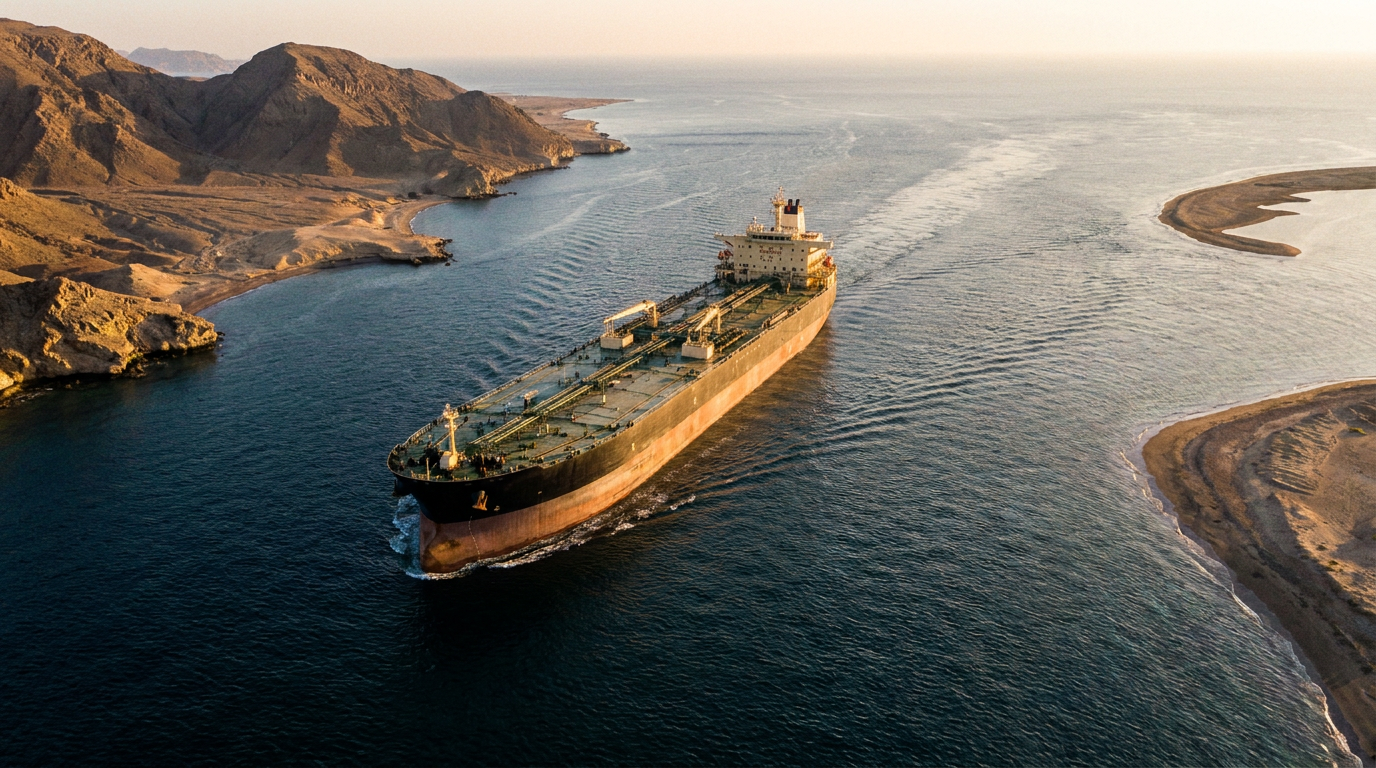
The immediate economic impact of the announcement was palpable, as global oil prices fell by roughly 5 percent on Monday. The Strait of Hormuz is a critical maritime chokepoint through which approximately 20 percent of the world's oil and natural gas flows. Its effective closure by Iran, followed by a retaliatory US naval blockade, had severely disrupted global supply chains and sent energy prices skyrocketing over the past three months.[3][8]

Under the terms of the framework, the waterway is expected to return to pre-war shipping levels within 30 days, following extensive mine-clearance operations and maritime coordination. French President Emmanuel Macron indicated that France and the UK are prepared to deploy frigates and deminers to assist in securing the strait once the deal is formalized.[2][8]
Beyond maritime security, the 60-day ceasefire window is designed to facilitate complex negotiations over Iran's nuclear program and the potential unfreezing of Iranian assets. The Islamic Revolutionary Guard Corps (IRGC) claimed that Tehran would receive half of its roughly $24 billion in frozen funds before final negotiations begin, though US officials have cautioned that sanctions relief will be phased and contingent upon strict Iranian compliance.[3][4]
Despite the optimism surrounding the bilateral US-Iran framework, the agreement faces a massive geopolitical hurdle: the ongoing war in Lebanon. Iranian and Pakistani officials have publicly stated that the memorandum includes an "immediate and permanent" termination of military operations on all fronts, explicitly encompassing the conflict between Israel and the Iran-backed militant group Hezbollah.[1][3]

Despite the optimism surrounding the bilateral US-Iran framework, the agreement faces a massive geopolitical hurdle: the ongoing war in Lebanon.
Israel, however, has fiercely rejected this interpretation. Israeli Defense Minister Israel Katz and National Security Minister Itamar Ben-Gvir both clarified that Jerusalem is not a party to the US-Iran agreement and is not bound by its terms. Israeli forces have stated they will not withdraw from the territory they have seized in southern Lebanon and will continue their campaign to dismantle Hezbollah's military infrastructure.[2][5]
This stark divergence in interpretation threatens to unravel the fragile consensus. Hezbollah released a statement welcoming the memorandum, framing it as a comprehensive ceasefire and warning that it would not accept any Israeli violations of Lebanese sovereignty. Meanwhile, residents in northern Israel expressed dismay over the deal, fearing it leaves them exposed to a resurgent Hezbollah without achieving the security guarantees they had demanded.[2][5]
The diplomatic disconnect places the US administration in a delicate position. While the White House is eager to secure a foreign policy victory and stabilize energy markets ahead of the US midterm elections, it must navigate the competing demands of its closest Middle Eastern ally and the rigid conditions set by Tehran.[1][7]

As the Friday signing ceremony in Geneva approaches, international observers remain cautiously optimistic but highly vigilant. The United Nations and regional powers, including Saudi Arabia and the UAE, have welcomed the framework while urging all parties to commit to a lasting peace. The next 60 days will test whether this preliminary pause can evolve into a durable settlement, or if the unresolved proxy conflicts will drag the region back into open warfare.[3][6]
How we got here
Feb 28, 2026
The conflict begins with joint US-Israeli strikes on Iranian military and nuclear infrastructure.
April 8, 2026
A fragile two-week ceasefire is initially brokered by Pakistan, though sporadic hostilities continue.
Mid-April 2026
The US imposes a naval blockade on Iranian ports in retaliation for Iran's closure of the Strait of Hormuz.
June 14, 2026
The US and Iran reach a preliminary memorandum of understanding to extend the ceasefire and reopen the strait.
June 19, 2026
The formal signing ceremony for the agreement is scheduled to take place in Geneva.
Viewpoints in depth
The US Administration
The White House views the deal as a major diplomatic and economic victory.
For the US administration, securing the reopening of the Strait of Hormuz is a critical domestic and international win. By lifting the naval blockade and pausing hostilities, the US aims to immediately lower global energy prices and ease inflation ahead of the midterm elections. Officials argue that the 60-day window provides a necessary off-ramp from a costly conflict while establishing a structured timeline to address Iran's nuclear ambitions without committing to permanent concessions upfront.
The Iranian Government
Tehran frames the agreement as a successful resistance that secures vital economic relief.
Iranian officials and state media are portraying the framework as a strategic victory that forces the lifting of the US naval blockade and opens the door to unfreezing billions in assets. By tying the broader ceasefire to the cessation of hostilities in Lebanon, Tehran is attempting to project strength and protect its regional allies, particularly Hezbollah. However, the government faces internal pressure from hardliners who view any negotiations with Washington as a capitulation.
The Israeli Security Establishment
Israel views the bilateral US-Iran deal as a dangerous compromise that leaves its northern border exposed.
Israeli leaders are deeply alarmed by the terms of the memorandum, particularly the assertion by Iran and mediators that the ceasefire extends to Lebanon. The Israeli defense establishment insists that halting the campaign against Hezbollah prematurely would allow the militant group to rebuild its arsenal and entrench itself along the border. Consequently, Israel has explicitly stated it is not bound by the agreement and will maintain its military presence in southern Lebanon, risking a unilateral continuation of the conflict.
What we don't know
- Whether Israel's refusal to halt its military operations in Lebanon will cause Iran to back out of the agreement.
- The exact sequencing and conditions for the release of Iran's $24 billion in frozen assets.
- How the 60-day negotiation window will address Iran's highly enriched uranium stockpile.
Key terms
- Strait of Hormuz
- A narrow, strategically vital waterway between the Persian Gulf and the Gulf of Oman, through which roughly 20% of the world's oil passes.
- Memorandum of Understanding (MOU)
- A formal agreement between two or more parties that outlines the framework for a future, more detailed treaty or contract.
- Naval Blockade
- A military operation in which ships are used to prevent vessels from entering or leaving a nation's ports, often to cripple its economy.
Frequently asked
When will the Strait of Hormuz reopen?
The framework aims to return the strait to pre-war shipping levels within 30 days, following necessary mine-clearance operations.
Does this deal end the war in Lebanon?
It is highly contested. Iran and mediators claim the deal covers all fronts, but Israel has stated it is not bound by the agreement and will continue fighting Hezbollah.
Will Iran get its frozen money back?
The deal outlines a phased unfreezing of roughly $24 billion in Iranian assets, though US officials stress this is contingent on Iran's strict compliance during the 60-day negotiation window.
Sources
Source coverage
8 outlets
4 viewpoints surfaced








[1]PBSGlobal Markets & Mediators
Iran and U.S. reach an initial deal to extend the ceasefire and open the Strait of Hormuz but challenges remain
Read on PBS →[2]The GuardianGlobal Markets & Mediators
Middle East crisis live: Trump claims ships carrying oil are moving out of strait of Hormuz after US and Iran agree deal
Read on The Guardian →[3]The NationalGlobal Markets & Mediators
US and Iran agree framework for peace deal and reopening Strait of Hormuz
Read on The National →[4]AxiosUS Administration
US, Iran reach deal to extend ceasefire, open strait
Read on Axios →[5]The Times of IsraelIsraeli Defense Establishment
US-Iran deal met with despair in Israel, joy in Lebanon and hope in Iran
Read on The Times of Israel →[6]Al JazeeraIranian Leadership
World reacts as Iran and US reach tentative deal to end war
Read on Al Jazeera →[7]Fox NewsUS Administration
Trump may have won a strategic pause in Iran. Now comes the hard part
Read on Fox News →[8]Seatrade Maritime NewsGlobal Markets & Mediators
Strait of Hormuz set to reopen under US – Iran peace deal
Read on Seatrade Maritime News →
Every angle. Every day.
Get news politics stories with full source coverage and perspective breakdowns delivered to your inbox.