
U.S. and Iran Sign Initial Agreement to End War and Reopen Strait of Hormuz
The United States and Iran have electronically signed a memorandum of understanding to halt hostilities, lift the U.S. naval blockade, and reopen the Strait of Hormuz. The framework initiates a 60-day negotiation period for a final nuclear accord, though significant disputes remain over Lebanon and the release of frozen Iranian funds.
By Factlen Editorial Team
- U.S. Administration
- Argues the deal secures global shipping and forces Iran to surrender nuclear material before receiving funds.
- Iranian Leadership
- Claims the agreement forces the U.S. to lift its blockade and guarantees the upfront release of frozen assets.
- Israeli Government
- Rejects the ceasefire terms regarding Lebanon and vows to continue military operations against Hezbollah.
- Global Mediators & Markets
- Welcomes the de-escalation for the sake of regional stability and the global economy, but remains cautious about implementation.
What's not represented
- · Commercial shipping and maritime insurance companies assessing the actual safety of the Strait of Hormuz.
- · Lebanese civilians affected by the ongoing Israeli offensive and the uncertain ceasefire.
Why this matters
The closure of the Strait of Hormuz has severely disrupted global energy markets and supply chains for months. If this preliminary agreement holds, it could stabilize oil prices and prevent a broader regional conflict, though Israel's refusal to halt its offensive in Lebanon threatens to unravel the fragile truce.
Key points
- The U.S. and Iran electronically signed a 14-point memorandum of understanding to end military hostilities.
- The agreement authorizes the immediate lifting of the U.S. naval blockade and the reopening of the Strait of Hormuz.
- A 60-day negotiation period will follow to address Iran's nuclear program and the lifting of sanctions.
- Israel stated it is not bound by the deal and will continue its military offensive against Hezbollah in Lebanon.
- The two sides disagree on when $24 billion in frozen Iranian assets will be released.
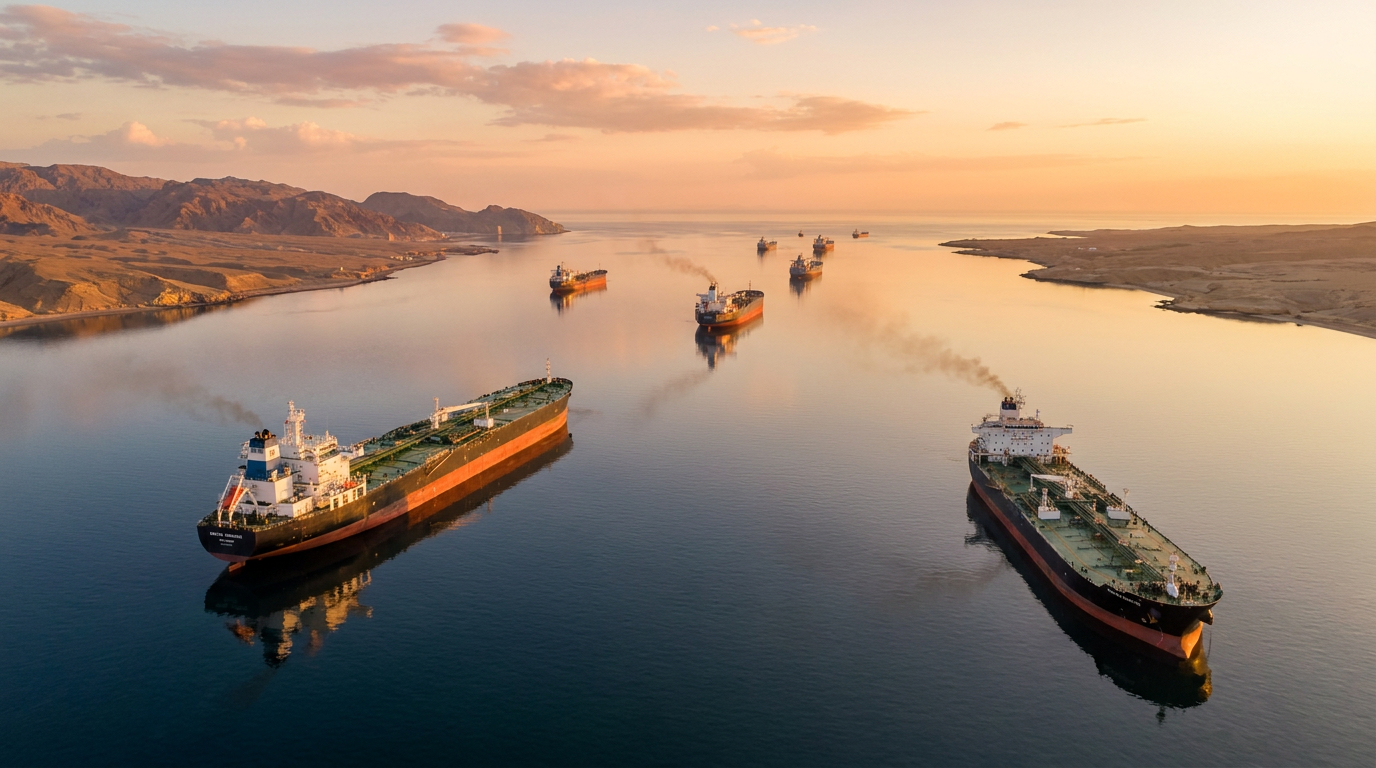
The United States and Iran have reached a preliminary agreement to end their months-long war, signing a memorandum of understanding that aims to reopen the Strait of Hormuz and establish a ceasefire across the Middle East. The framework deal was signed electronically by U.S. President Donald Trump, Vice President JD Vance, and Iranian Parliament Speaker Mohammad Bagher Ghalibaf, marking a sudden de-escalation after 15 weeks of devastating conflict. A formal signing ceremony is scheduled to take place on Friday in Geneva, Switzerland. The diplomatic breakthrough was mediated primarily by Pakistan, with additional assistance from Qatar, Turkey, and Egypt, who facilitated weeks of intensive back-channel negotiations.[1][2][3][4][5]
President Trump announced the agreement on his Truth Social platform, declaring the deal "complete" and authorizing the immediate removal of the U.S. naval blockade on Iranian ports. "I hereby fully authorize the toll free opening of the Strait of Hormuz," Trump wrote, adding, "Ships of the World, start your engines. Let the oil flow!" The blockade was initially imposed in late February in retaliation for Iran's closure of the crucial waterway, a move that severely disrupted global energy markets and triggered a historic spike in oil prices. While Trump claimed the strait would open immediately, Iranian officials indicated that implementation would not begin until the formal signing on Friday.[1][2][3][4][6]
The 14-point memorandum initiates a 60-day period of intensive technical negotiations aimed at reaching a comprehensive settlement regarding Iran's nuclear program and the lifting of international sanctions. During this window, both sides have committed to an immediate and permanent cessation of military operations on all fronts. The U.S. launched its military strikes earlier this year with the stated goal of preventing Iran from developing an atomic weapon. The new framework reportedly requires Iran to reaffirm its commitment to the Nuclear Non-Proliferation Treaty, though any concrete action to dismantle its stockpile of highly enriched uranium will depend on the outcome of the upcoming 60-day talks.[1][3][4][8]

Despite the agreement's call for a ceasefire on all fronts, including Lebanon, the ongoing conflict between Israel and the Iranian-backed militant group Hezbollah remains a major stumbling block. Israeli Defense Minister Israel Katz and Prime Minister Benjamin Netanyahu have explicitly stated that Israel is not bound by the U.S.-Iran agreement and will not withdraw its forces from southern Lebanon. Israel launched fresh airstrikes on Beirut over the weekend, targeting what it described as a Hezbollah command center. The strikes prompted Iranian officials to warn that the peace talks could be halted if the attacks continue, highlighting the fragility of a deal that attempts to pacify multiple interconnected regional conflicts.[1][2][3][6]
Israel launched fresh airstrikes on Beirut over the weekend, targeting what it described as a Hezbollah command center.
A significant point of contention within the memorandum involves the release of roughly $24 billion in frozen Iranian assets held abroad. Iran's Islamic Revolutionary Guard Corps published the 14 points of the draft agreement, claiming that half of the frozen funds must be made available to Tehran before the final negotiations even begin. Iranian media reports also suggest the draft calls for the U.S. and its allies to present a reconstruction plan for Iran worth at least $300 billion. Tehran views the immediate release of funds as a necessary condition for its participation in the broader nuclear talks.[1][8]

However, the Trump administration has provided a starkly different account of the financial arrangements. A senior U.S. official stated that Iran will not receive any portion of the frozen financial assets until it demonstrates concrete compliance with the deal's terms. "If they turn over the nuclear material as promised, they get something," the official said, warning against taking Iranian government statements at face value. This discrepancy suggests that while the overarching framework has been signed, the sequencing of sanctions relief versus nuclear concessions remains highly contested and will be the primary focus of the 60-day negotiation period.[1][4][7]
The international community has largely welcomed the diplomatic breakthrough, expressing hope that it will stabilize the volatile region. Leaders from the G7, the European Commission, and various Arab states praised the de-escalation efforts, emphasizing the urgent need to restore freedom of navigation through the Strait of Hormuz. The United Nations Secretary-General called the agreement a "critical step" toward a peaceful settlement. However, energy market analysts caution that it will likely take months for shipping and maritime insurance companies to feel confident enough to resume normal transit volumes through the previously heavily mined and contested waterway.[5][6][7]

As the Friday signing ceremony in Geneva approaches, the durability of the memorandum remains uncertain. The agreement essentially returns the region to the pre-war status quo, but with thousands dead and Iran having demonstrated its capacity to effectively shut down a major artery of the global economy. If the 60-day technical talks fail to produce a final nuclear accord, or if the violence in Lebanon spirals further out of control, the preliminary ceasefire could easily collapse, plunging the United States and Iran back into direct military confrontation.[2][3][4][7]
How we got here
Feb 28, 2026
The U.S. and Israel launch military strikes on Iran, leading to the closure of the Strait of Hormuz.
June 14, 2026
The U.S. and Iran electronically sign a 14-point memorandum of understanding to end the war.
June 19, 2026
A formal signing ceremony is scheduled to take place in Geneva, Switzerland.
August 2026
The 60-day negotiation period for a final nuclear agreement is set to conclude.
Viewpoints in depth
U.S. Administration's View
The Trump administration frames the deal as a definitive victory that secures global energy routes and halts Iran's nuclear ambitions.
President Trump and his officials argue that the military pressure campaign successfully forced Iran to the negotiating table. They emphasize that the immediate reopening of the Strait of Hormuz will stabilize the global economy, and insist that Iran will not receive any sanctions relief or frozen funds until it verifiably dismantles its highly enriched uranium stockpile.
Iranian Government's View
Tehran presents the agreement as a successful defense of its sovereignty and a necessary step to lift crippling economic sanctions.
Iranian officials, including the Islamic Revolutionary Guard Corps, assert that the U.S. was forced to end its naval blockade. They maintain that the agreement guarantees the release of billions in frozen assets upfront and explicitly excludes discussions on Iran's conventional missile program. Tehran also insists that the ceasefire must apply to its allies, including Hezbollah in Lebanon.
Israeli Government's View
Israel views the U.S.-Iran memorandum with deep skepticism and refuses to halt its military operations against Hezbollah.
Israeli leaders argue that the agreement fails to address the immediate security threats posed by Iranian proxy groups on their borders. Prime Minister Benjamin Netanyahu's government has explicitly stated that Israel is not a party to the deal and will maintain its military presence in southern Lebanon to degrade Hezbollah's capabilities, regardless of the ceasefire terms agreed upon by Washington and Tehran.
What we don't know
- Whether Israel's continued military operations in Lebanon will cause Iran to withdraw from the agreement.
- How quickly commercial shipping and insurance companies will resume normal transit through the Strait of Hormuz.
- Whether the U.S. and Iran can reach a final, comprehensive nuclear accord within the 60-day window.
Key terms
- Strait of Hormuz
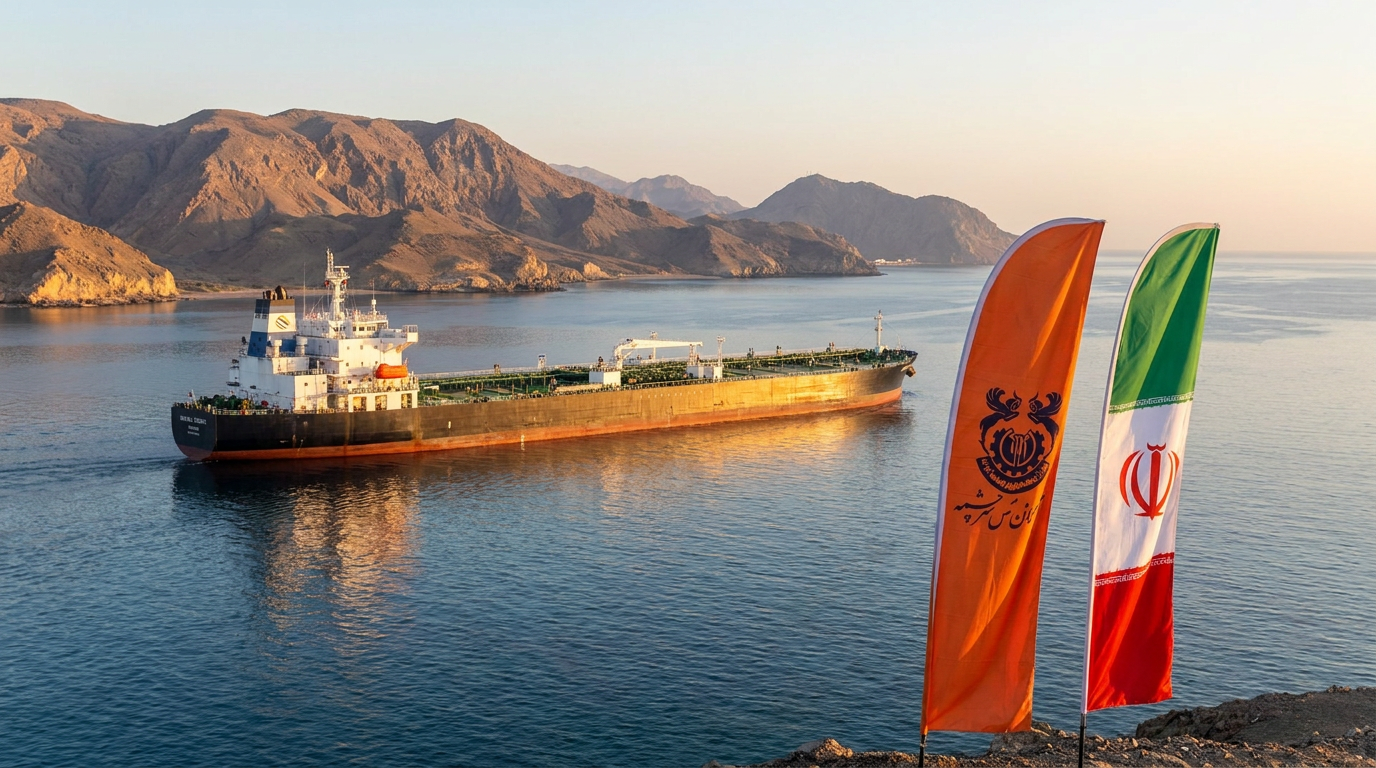
- A narrow, strategically vital waterway between the Persian Gulf and the Gulf of Oman through which a significant portion of the world's oil supply passes.
- Memorandum of Understanding (MOU)
- A formal agreement between two or more parties that outlines the terms and details of an understanding, often serving as the foundation for a binding contract.
- Highly Enriched Uranium
- Uranium that has been processed to increase the concentration of the U-235 isotope, which can be used to fuel nuclear reactors or build atomic weapons.
Frequently asked
Is the war between the U.S. and Iran officially over?
The two countries have signed a preliminary memorandum of understanding to halt hostilities and enter a 60-day negotiation period, but a final, permanent peace treaty has not yet been reached.
Will gas prices go down now?
The reopening of the Strait of Hormuz is expected to ease global energy markets, but experts warn it may take months for shipping to fully normalize and for prices to stabilize.
Is Israel participating in this ceasefire?
No. Israeli officials have explicitly stated that they are not bound by the U.S.-Iran agreement and will continue their military operations against Hezbollah in Lebanon.
Sources
Source coverage
8 outlets
4 viewpoints surfaced








[1]CBS NewsU.S. Administration
What to know about the Iran war today: U.S.-Iran deal signed
Read on CBS News →[2]The GuardianIsraeli Government
US and Iran reach framework peace deal to end war
Read on The Guardian →[3]PBS NewsU.S. Administration
Deal is reached to end Iran war and Trump orders stop to U.S. naval blockade
Read on PBS News →[4]AxiosU.S. Administration
What's in the Iran deal Trump says he's ready to sign
Read on Axios →[5]Al JazeeraGlobal Mediators & Markets
World leaders welcome US-Iran deal to end war
Read on Al Jazeera →[6]Washington PostIsraeli Government
The United States and Iran have reached an initial agreement to end the war
Read on Washington Post →[7]Atlantic CouncilGlobal Mediators & Markets
Experts react: What we know about the US-Iran MOU
Read on Atlantic Council →[8]Iran InternationalIranian Leadership
Iran media publish purported details of Iran-US draft agreement
Read on Iran International →
More in news politics
See all 5 stories →Electoral Reform
Fact-Checking Ranked-Choice Voting: Does the Evidence Match the Hype?
0 sources
Hormuz Reopening
US and Iran Sign Tentative Peace Deal to End War and Reopen Strait of Hormuz
0 sources

Alabama Senate
Former Navy SEAL Jared Hudson Defeats Trump-Backed Barry Moore in Alabama Senate Runoff
0 sources
Every angle. Every day.
Get news politics stories with full source coverage and perspective breakdowns delivered to your inbox.