
Restaurants Nationwide Adopt 'Sensory-Friendly' Dining Hours to Welcome Neurodivergent Guests
A growing movement in the hospitality industry is redesigning the dining experience for neurodivergent individuals, introducing dedicated quiet hours, modified lighting, and acoustic dampening.
By Factlen Editorial Team
- Neurodivergent Diners & Families
- Advocates for low-stimulation environments that allow them to safely and comfortably participate in public social life.
- Restaurant Operators
- Focuses on balancing the operational logistics of quiet hours with the business benefits of building fierce loyalty among an underserved demographic.
- Hospitality Designers
- Prioritizes permanent architectural solutions—like acoustic panels and indirect lighting—that reduce sensory friction for all guests.
What's not represented
- · Front-of-house restaurant staff managing the operational changes
- · Neurodivergent adults dining independently without family support
Why this matters
For the estimated 15 to 20 percent of the population who are neurodivergent, the sensory overload of a typical restaurant can make dining out impossible. This industry-wide shift not only opens up new social opportunities for millions of families, but also represents a lucrative new demographic for a restaurant sector looking to build deep customer loyalty.
Key points
- Restaurants nationwide are introducing dedicated sensory-friendly dining hours to accommodate neurodivergent guests.
- The shift includes dimming harsh lights, silencing background music, and spacing out tables to prevent sensory overload.
- Hospitality designers are increasingly incorporating permanent acoustic dampening and indirect lighting into new restaurant builds.
- The inclusive design movement benefits a wide range of patrons, including older adults with hearing loss.
- Operators are finding that catering to this underserved demographic builds fierce brand loyalty and boosts off-peak revenue.
For decades, the hallmark of a successful restaurant was a bustling, high-energy dining room. Clattering plates, overlapping conversations, pulsing background music, and dramatic overhead lighting were all considered essential ingredients of a vibrant culinary atmosphere. But for the estimated 15 to 20 percent of the population who are neurodivergent, this traditional hospitality model is often a sensory minefield. Individuals with autism, ADHD, or sensory processing disorders can experience severe anxiety or physical distress when bombarded by the chaotic stimuli of a modern eatery. As a result, millions of families have quietly opted out of dining out, relegated to eating at home to avoid the risk of a public meltdown or overwhelming discomfort. Now, a growing movement within the hospitality sector is rethinking the dining experience from the ground up, prioritizing accessibility and comfort over sheer volume.[1][4]
In 2026, the concept of "quiet dining" has officially moved from a niche accommodation to a mainstream industry standard. Across the country, independent bistros and massive entertainment chains alike are introducing dedicated sensory-friendly operating hours, fundamentally altering how they welcome guests. This shift represents a profound evolution in the definition of hospitality, expanding the concept of accessibility beyond physical wheelchair ramps to include neurological and sensory comfort. Industry analysts note that this is not merely a fleeting trend, but a structural adaptation to a society that is becoming increasingly aware of neurodiversity. By intentionally dialing back the intensity of the dining room, restaurants are opening their doors to a massive, previously sidelined demographic, proving that true hospitality means making every guest feel safe and at ease.[6]
The mechanics of a sensory-friendly dining service require a deliberate deconstruction of the standard restaurant environment. During these dedicated hours, operators typically dim harsh overhead lights, completely silence background music, and halt the use of loud equipment like blenders or espresso machines near the dining floor. Reservations are often strictly capped to ensure that tables remain widely spaced, reducing the claustrophobia and overlapping chatter that can quickly lead to sensory overload. Furthermore, many establishments provide "sensory kits" at the host stand, offering noise-canceling headphones, weighted lap pads, and tactile fidget toys for guests who need extra grounding. It is a meticulously choreographed effort to remove friction, requiring front-of-house staff to prioritize calm efficiency over the usual frantic pace of a dinner rush.[2]

The real-world implementation of these practices has yielded deeply emotional results for participating families. At Prairie Grass Cafe in suburban Chicago, the culinary team began experimenting with a 3:45 p.m. Saturday dinner service specifically tailored for neurodiverse guests. By opening before the standard evening rush, the restaurant could guarantee a controlled, serene environment. The staff dimmed the lights, banned kitchen music, and pre-set the tables with glassware and cutlery to eliminate the sudden clatter of silverware during the meal. For many of the families who attended, it was the first time they had been able to enjoy a sit-down restaurant meal together in years. The initiative transformed a typically stressful public outing into a relaxed, joyful experience, highlighting the profound human impact of thoughtful operational tweaks.[2]
The success of independent pioneers has quickly caught the attention of larger corporate entities, proving that sensory-inclusive models can scale. Major family entertainment brands, which are inherently loud and chaotic, are now carving out dedicated quiet times to ensure they do not alienate neurodivergent children. Chuck E. Cheese, for example, has rapidly expanded its "Sensory Sensitive Sundays" program across its North American locations. By opening two hours early on specific days, dimming the arcade lights, and lowering the volume on games and animatronics, the chain provides a manageable environment for children who would otherwise be overwhelmed. This corporate adoption signals a broader recognition that adaptive family experiences are no longer optional charitable endeavors, but essential components of a modern, inclusive business strategy.[3]
The success of independent pioneers has quickly caught the attention of larger corporate entities, proving that sensory-inclusive models can scale.
Beyond the moral imperative, there is a compelling business case driving the rapid adoption of sensory-friendly practices. The National Restaurant Association projects that industry sales will reach a staggering $1.55 trillion in 2026, but operators are simultaneously battling razor-thin margins, lingering inflation, and fierce competition for consumer dollars. In this challenging economic climate, building deep, unshakeable brand loyalty is the ultimate prize. Families with neurodivergent members are notoriously loyal to the businesses that accommodate them, often becoming vocal advocates and repeat customers. By utilizing off-peak hours—such as late afternoons or early Sunday mornings—restaurants can generate vital revenue during typically dead periods while serving a deeply appreciative community that has historically been ignored by the broader market.[5][6]
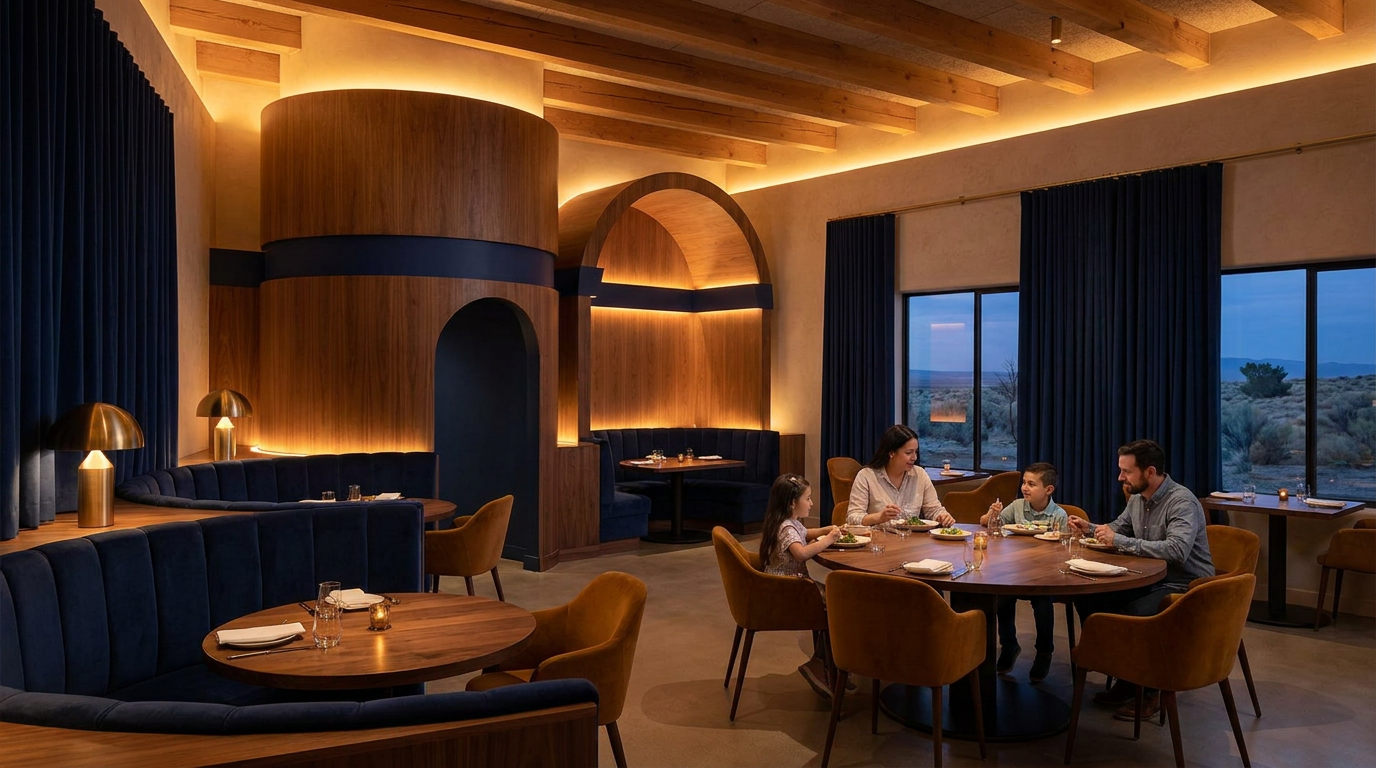
While dedicated quiet hours are an excellent starting point, forward-thinking hospitality designers are now pushing the industry to make sensory inclusivity a permanent architectural feature. Rather than relying on temporary operational changes, new restaurant builds in 2026 are integrating sensory-friendly principles directly into their blueprints. Designers are abandoning harsh, exposed LED bulbs in favor of soft cove lighting, which conceals direct light sources and washes the room in a gentle, indirect glow. This eliminates the aggressive glare and flickering that can trigger patrons with epilepsy or sensory sensitivities. Additionally, the use of individual, adjustable table lamps empowers guests to customize their immediate environment, granting them a sense of control over their dining experience that was previously impossible in a commercial setting.[1][4]

Acoustic management has also undergone a revolution, addressing what is arguably the most common complaint among all restaurant-goers: deafening noise levels. Modern hospitality architecture is moving away from the stark, minimalist aesthetic of bare concrete floors and exposed metal ceilings, which act as echo chambers for clattering dishes and shouting diners. Instead, designers are incorporating sophisticated sound-dampening materials into the aesthetic fabric of the space. Plush velvet seating, heavy linen drapery, and decorative acoustic wall panels are being deployed to absorb ambient noise and break up sound waves. Some larger venues are even designing dedicated "quiet zones" or enclosed booths, offering a retreat for guests who need a break from the sensory stimuli of the main dining room without having to leave the premises entirely.[1][4]
The push for inclusivity extends beyond the physical environment and into the menus themselves. Cognitive accessibility is becoming a major focus, with restaurants redesigning their ordering systems to reduce mental fatigue and confusion. Many establishments are adopting sans-serif fonts, such as Calibri or Arial, which are significantly easier for individuals with dyslexia to read. Furthermore, the integration of visual menus—featuring clear, high-quality images of the dishes alongside the text—helps patrons better understand their options and communicate their choices without the stress of deciphering complex culinary jargon. By combining these thoughtful physical menus with flexible digital ordering options via QR codes, restaurants are empowering guests to navigate the dining experience at their own pace and comfort level.[1]
Perhaps the most fascinating aspect of the sensory-friendly dining movement is the "curb cut effect"—the phenomenon where accommodations designed for a specific disability end up benefiting the general public. Just as sidewalk curb cuts designed for wheelchairs also help parents with strollers and travelers with luggage, sensory-inclusive restaurant design improves the experience for everyone. Older adults with age-related hearing loss find it much easier to hold conversations in acoustically treated rooms. Diners prone to migraines appreciate the absence of glaring overhead lights. Even patrons without any specific sensitivities are drawn to the calm, restorative atmosphere of a thoughtfully designed space, proving that the aggressive, high-decibel dining trend of the past decade may have been alienating a much larger swath of the population than operators realized.[4][6]

Ultimately, the success of a sensory-friendly restaurant hinges on the empathy and training of its staff. Physical design and operational tweaks are useless if the front-of-house team is not equipped to interact with neurodivergent guests compassionately. Industry leaders are investing heavily in staff education, teaching servers how to communicate clearly, avoid hovering, and respond calmly to guests who may be utilizing fidget tools or wearing noise-canceling headphones. This training emphasizes patience and flexibility, empowering servers to adjust their usual routines—such as skipping the lengthy recitation of daily specials—if they sense a table is becoming overwhelmed. This cultural shift within the workforce is fostering a more empathetic hospitality industry, where the focus returns to genuinely caring for the guest's well-being.[2][6]
Looking ahead, the integration of sensory-friendly practices appears poised to become a permanent pillar of the global hospitality industry. What began as a grassroots effort by a few compassionate chefs and community advocates has blossomed into a comprehensive reimagining of how public spaces operate. As awareness of neurodiversity continues to grow, consumers will increasingly expect businesses to accommodate a wider spectrum of human experiences. The restaurants that thrive in the coming decade will be those that recognize that true accessibility is not just about getting people through the front door, but ensuring they feel comfortable, respected, and at peace once they sit down at the table.[6]
How we got here
Early 2020s
Grocery stores and museums begin pioneering 'quiet hours' for neurodivergent patrons.
April 2025
Major family entertainment chains like Chuck E. Cheese expand 'Sensory Sensitive Sundays' across North America.
August 2025
Independent restaurants begin testing dedicated sensory-friendly dinner services during off-peak weekend hours.
Early 2026
Hospitality design firms report a surge in demand for permanent sensory-inclusive architecture, including acoustic zoning and adaptive lighting.
Viewpoints in depth
Neurodivergent Families' View
For families with sensory sensitivities, these initiatives transform dining out from a stressful ordeal into an accessible joy.
For years, many families with autistic children or neurodivergent adults have simply opted out of dining at restaurants. The unpredictable nature of a busy dining room—sudden loud noises, flashing screens, and crowded waiting areas—can trigger severe anxiety or sensory overload. Advocates in this camp emphasize that sensory-friendly hours are not just a nice perk, but a fundamental issue of accessibility. By offering predictable, low-stimulation environments, restaurants are finally allowing these families to participate in a core aspect of public social life without fear of judgment or distress.
Restaurant Operators' View
Operators see inclusive dining as both a moral imperative and a strategic business advantage in a competitive market.
Faced with tight margins and a fiercely competitive landscape projected to reach $1.55 trillion in sales this year, restaurant owners are constantly looking for ways to build customer loyalty. Operators note that families who require sensory-friendly accommodations are incredibly loyal to the businesses that provide them. By utilizing off-peak hours—such as a 3:45 p.m. Saturday service—restaurants can maximize their floor space while serving a deeply appreciative demographic. Furthermore, operators find that the staff often embrace these initiatives, as it fosters a more empathetic and community-focused workplace.
Hospitality Designers' View
Designers argue that sensory-inclusive architecture creates a superior, more comfortable environment for all patrons.
Architects and interior designers are pushing the industry to move beyond temporary 'quiet hours' and integrate sensory-friendly principles directly into the bones of the building. They advocate for the 'curb cut effect'—the idea that designing for the most vulnerable benefits everyone. By installing acoustic dampening panels, utilizing soft cove lighting instead of harsh LEDs, and creating structured, intuitive floor plans, designers argue they are curing the modern restaurant's biggest flaw: the deafening, chaotic dining room. To this camp, inclusive design is simply good design.
What we don't know
- Whether sensory-friendly hours will eventually be mandated by future accessibility legislation.
- How smaller, hyper-casual dining spots with limited square footage will adapt to acoustic design demands.
Key terms
- Neurodivergent
- A non-medical term describing people whose brains develop or work differently, including those with autism, ADHD, and dyslexia.
- Sensory Processing Disorder
- A condition in which the brain has trouble receiving and responding to information that comes in through the senses, often leading to sensory overload.
- Cove Lighting
- A form of indirect lighting built into ledges or recesses that hides the light source and provides a soft, even glow, reducing glare for sensitive eyes.
- Acoustic Dampening
- The use of specialized materials, such as plush fabrics or wall panels, to absorb sound waves and reduce echoes and background noise in a room.
Frequently asked
What makes a restaurant 'sensory-friendly'?
It typically involves dimming harsh overhead lights, turning off background music, spacing out tables to reduce crowding, and providing tools like noise-canceling headphones or visual menus.
Who benefits from sensory-friendly dining?
While designed primarily for neurodivergent individuals—such as those with autism, ADHD, or sensory processing disorders—these environments also benefit older adults, people with hearing loss, and anyone seeking a quieter meal.
Are these changes permanent or temporary?
Many restaurants start with dedicated 'quiet hours' during off-peak times, but a growing number of hospitality designers are incorporating permanent acoustic and lighting solutions into new restaurant builds.
Sources
Source coverage
6 outlets
3 viewpoints surfaced






[1]Modern Restaurant ManagementHospitality Designers
Sensory-Friendly Lighting and Sound Management in Restaurant Design
Read on Modern Restaurant Management →[2]FoodService DirectorNeurodivergent Diners & Families
Restaurants expand sensory-friendly dining hours for neurodiverse guests
Read on FoodService Director →[3]TrendHunterNeurodivergent Diners & Families
Adaptive Family Experiences and Sensory-Inclusive Entertainment
Read on TrendHunter →[4]Design TonicHospitality Designers
Sensory solutions for neurodiverse hospitality needs
Read on Design Tonic →[5]National Restaurant AssociationRestaurant Operators
2026 State of the Restaurant Industry Report
Read on National Restaurant Association →[6]Factlen Editorial TeamRestaurant Operators
Synthesis by Factlen editorial team
Read on Factlen Editorial Team →

Every angle. Every day.
Get food drink stories with full source coverage and perspective breakdowns delivered to your inbox.