
2026 James Beard Awards Highlight Zero-Waste and Community-Driven Dining as Industry Evolves
The culinary world gathers in Chicago for the 2026 James Beard Awards, where nominees reflect a massive industry shift toward sustainable sourcing and zero-waste cooking.
By Factlen Editorial Team
- Sustainable Innovators
- Chefs and operators prioritizing zero-waste techniques and ethical sourcing as the foundation of modern dining.
- Community Builders
- Restaurateurs focused on hyper-local supply chains, cultural authenticity, and supporting regional economies.
- Operational Pragmatists
- Industry analysts and owners leveraging technology and data to protect margins and streamline complex menus.
What's not represented
- · Conventional chain operators who argue that hyper-local sourcing is impossible to scale affordably.
- · Agricultural producers who face logistical challenges meeting the erratic demands of hyper-seasonal restaurant menus.
Why this matters
As the restaurant industry moves away from excess and ultra-processed shortcuts, diners are benefiting from higher-quality, locally sourced food and establishments that actively invest in the economic health of their local ecosystems.
Key points
- The 2026 James Beard Awards are taking place in Chicago, honoring chefs who prioritize community impact and environmental stewardship.
- Nancy Silverton is receiving the Lifetime Achievement Award for her culinary rigor and extensive mentorship of independent restaurateurs.
- A recent industry survey shows 80% of restaurant owners are now prioritizing sustainable and ethical sourcing over traditional menu drivers.
- Zero-waste cooking has become a financial necessity, with kitchens upcycling offcuts into high-value ferments and preserves.
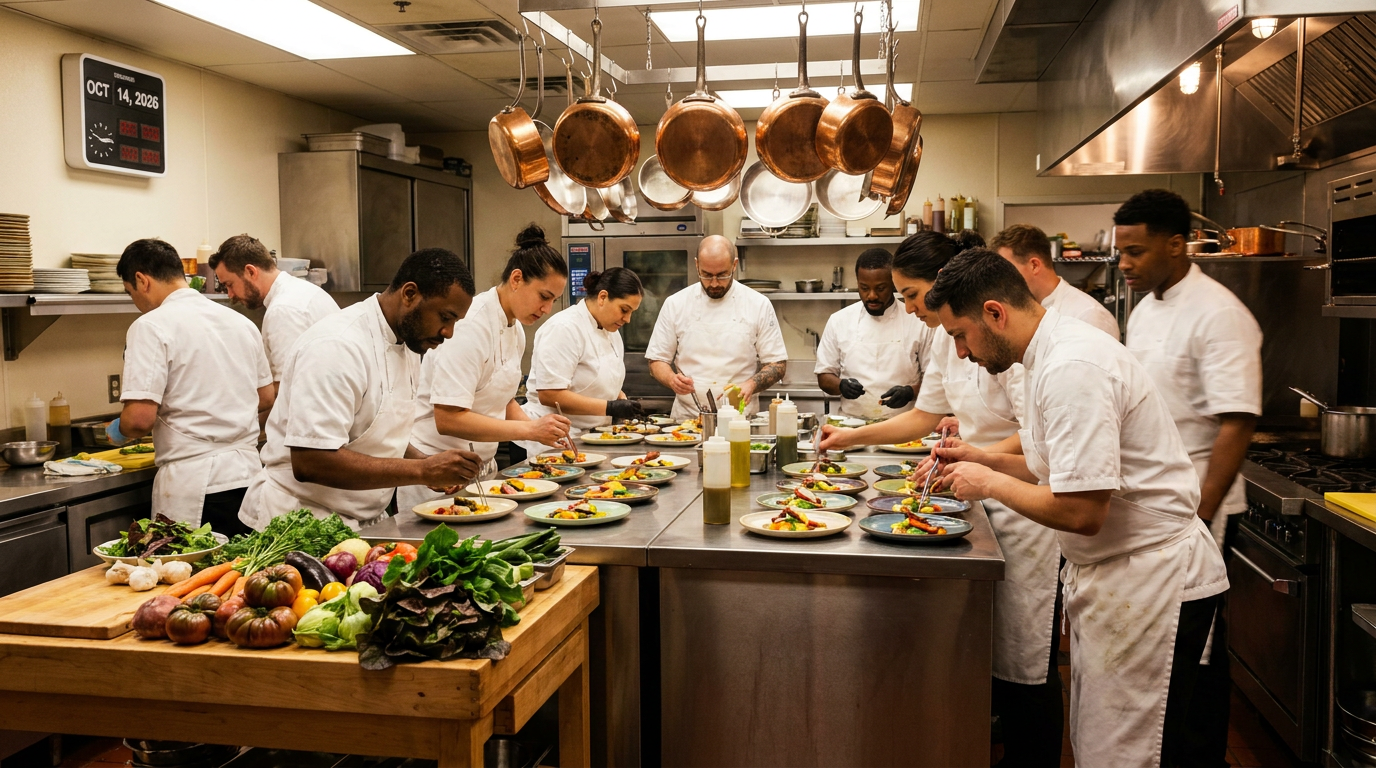
The American culinary establishment descends on the Lyric Opera of Chicago tonight for the 2026 James Beard Restaurant and Chef Awards, an event widely considered the Oscars of the food world. After months of intense anticipation following the semifinalist announcements earlier this year, the industry is gathering to celebrate its brightest talents and most innovative minds. But beyond the glitz, the red carpet, and the prestigious silver medallions, this year’s ceremony underscores a profound transformation in the restaurant business. The 2026 nominees reflect a landscape that has largely abandoned the excess and ultra-processed shortcuts of previous decades in favor of operational discipline, hyper-local sourcing, and deep community integration. Tonight's winners will set the tone for the future of American dining.[1][2]
The shift is evident across the board, from the Outstanding Restaurateur category to the Emerging Chef nominees. Chefs like Zak Baker of Milwaukee’s Ca'Lucchenzo, nominated for Best Chef in the Midwest, and Bailey Sullivan of Chicago’s Monteverde, represent a rising cohort that views hospitality as a holistic ecosystem rather than just a transactional service. These operators have spent years quietly building resilient relationships with regional farmers, independent ranchers, and local artisans, ensuring that their menus are direct, authentic reflections of their local cultures. The James Beard Foundation has actively encouraged this evolution, aligning its recognition with establishments that demonstrate both rigorous culinary excellence and a steadfast commitment to ethical, sustainable business practices.[1][3]
This year’s Lifetime Achievement Award further cements the overarching theme of mentorship and sustainable industry growth. The Foundation is honoring Nancy Silverton, the pioneering chef behind iconic establishments like Campanile and Osteria Mozza, not just for her legendary technique and baking prowess, but for her decades of mentoring independent restaurateurs. Silverton’s enduring legacy is visible in the countless chefs and bakers who have passed through her exacting kitchens and gone on to build their own community-focused, highly successful establishments across the country. Her recognition tonight serves as a vital bridge between the foundational, rigorous techniques of American fine dining and the progressive, community-minded ethos that is driving the 2026 class of nominees.[2]
The trends highlighted on the James Beard stage are currently playing out across the broader hospitality sector this summer. A recent comprehensive industry survey revealed that a staggering 80% of restaurant owners now identify sustainable and ethical sourcing as their primary operational focus for 2026. This commitment has officially surpassed traditional menu drivers like value-for-money comfort foods, health-driven diets, and global fusion concepts. Diners are increasingly savvy and inquisitive, demanding full transparency about where their food comes from, how it is processed, and who grew it. This consumer pressure is forcing restaurants to shorten their supply chains, eliminate greenwashing, and keep more of their spending within their immediate local economies.[4][6]

The trends highlighted on the James Beard stage are currently playing out across the broader hospitality sector this summer.
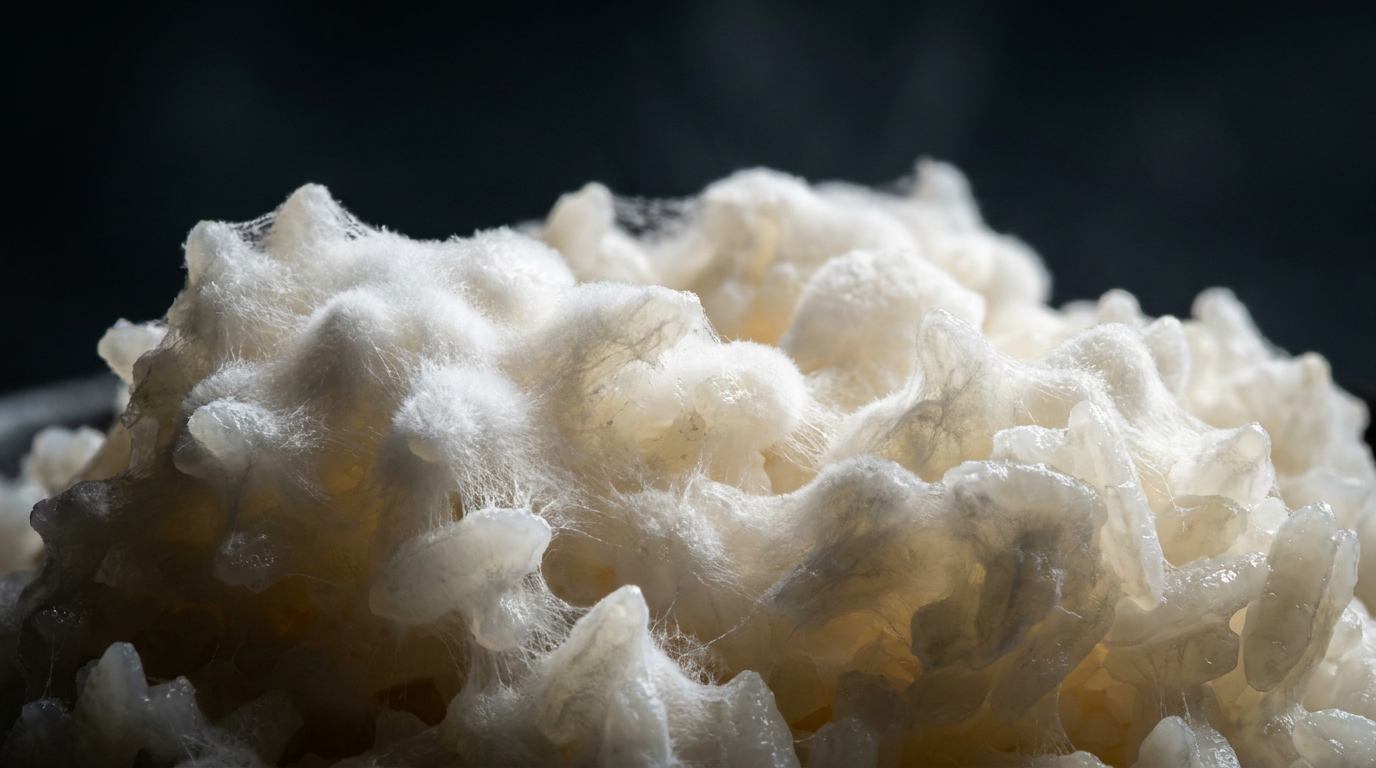
At the heart of this industry-wide sustainability push is the mainstream adoption of zero-waste cooking, which has rapidly evolved from a niche environmental initiative into a core financial strategy. With food costs remaining a persistent pressure point for operators, kitchens are maximizing the yield of every single ingredient through meticulous "root-to-stem" and "nose-to-tail" methodologies. Industrial leftovers, vegetable offcuts, and whey that would have been discarded just a few years ago are now being upcycled into high-value ferments, house-made vinegars, and complex preserves. This circular approach not only slashes disposal costs and improves profit margins, but it also introduces entirely new, bold flavor profiles to adventurous diners.[4][5]
The global culinary community is closely mirroring this American shift toward environmental accountability. Earlier this year, the 2026 Michelin Guide ceremonies handed out a fresh wave of "Green Stars" across Great Britain, Ireland, and France, specifically recognizing restaurants that are pioneering sustainable gastronomy. Establishments like the Knepp Wilding Kitchen and Forest Side were honored for their dynamic environmental initiatives, proving that the highest echelons of fine dining are now inextricably linked to ecological responsibility. Whether operating in a bustling metropolis like London or Chicago, or running a rural farm-to-table outpost, the metric for culinary excellence has fundamentally expanded to include a restaurant's carbon footprint and waste management.[7]

To support these ambitious, highly variable local menus, restaurants are quietly deploying advanced technology behind the scenes. Rather than using automation to replace human hospitality or front-of-house staff, 2026's top operators are utilizing sophisticated data-driven systems to track food waste, predict inventory needs, and manage complex local supply chains. Smart refrigeration units and AI-assisted prep schedules are helping kitchens execute hyper-seasonal menus without the crippling spoilage costs that traditionally plagued farm-to-table models. This invisible technological backbone allows chefs to focus their energy on what truly matters: perfecting the food, mentoring their staff, and delivering an unforgettable, personalized guest experience.[5][6]
As the envelopes are opened in Chicago tonight and the new class of James Beard winners takes the stage, they will represent significantly more than just exceptional cooking and innovative plating. They stand as tangible proof of concept for a maturing industry that has finally learned to balance tight operational profitability with uncompromising environmental and social integrity. The 2026 James Beard Awards are ultimately celebrating a new culinary era where the most celebrated and successful restaurants are those that feed their communities in every sense of the word. By actively supporting local agriculture, aggressively minimizing waste through creative culinary techniques, and treating hospitality as a sustainable, long-term craft, these chefs are laying the groundwork for the next decade of American dining.[1][2][4]
How we got here
1990
The James Beard Foundation Awards are established, becoming the premier recognition for American culinary professionals.
2019-2022
Pandemic disruptions force restaurants to reevaluate fragile global supply chains and pivot toward local sourcing.
January 2026
The James Beard Foundation announces its semifinalists, heavily favoring independent, community-focused establishments.
February 2026
The Michelin Guide awards a record number of 'Green Stars' in Europe, cementing sustainability as a global fine-dining metric.
June 15, 2026
The 2026 James Beard Awards ceremony takes place in Chicago, honoring a new generation of sustainable chefs.
Viewpoints in depth
Zero-Waste Pioneers
Chefs and operators who view sustainability as a core financial and culinary imperative.
This camp argues that the traditional fine-dining model of discarding perfectly good offcuts to achieve a specific aesthetic is financially irresponsible and ecologically damaging. By utilizing fermentation, upcycling, and root-to-stem cooking, they believe restaurants can simultaneously improve their profit margins and create entirely new, complex flavor profiles that cannot be replicated with standard ingredients.
Local Agrarian Advocates
Restaurateurs focused on hyper-local sourcing and community economic integration.
For these operators, a restaurant's primary duty is to its immediate geographic community. They argue against relying on globalized supply chains, even for premium ingredients, preferring instead to build menus around what nearby farmers and artisans can produce. This approach, they contend, not only ensures peak freshness but also keeps capital circulating within the local economy, creating a more resilient regional food system.
Tech-Enabled Operators
Industry leaders utilizing AI and data to solve traditional hospitality bottlenecks.
This perspective emphasizes that the romanticized vision of farm-to-table dining is often operationally unsustainable without modern tools. They advocate for the aggressive integration of smart refrigeration, predictive ordering algorithms, and waste-tracking software. By eliminating the guesswork from inventory management, they argue that technology actually protects the human element of hospitality, freeing up staff to focus on guest experience rather than administrative triage.
What we don't know
- Whether the aggressive push toward zero-waste cooking will eventually lead to lower menu prices for consumers, or simply stabilize current profit margins for operators.
- How smaller, undercapitalized restaurants will afford the smart refrigeration and AI inventory tech currently being adopted by top-tier establishments.
Key terms
- Zero-waste cooking
- A culinary philosophy that aims to eliminate food waste by utilizing every part of an ingredient, often through preservation and fermentation.
- Root-to-stem
- The practice of cooking and serving all edible parts of a vegetable, including leaves, stalks, and peels, rather than discarding them.
- Green Star
- An annual award given by the Michelin Guide to restaurants that demonstrate industry-leading practices in environmental sustainability.
- Upcycled functionalism
- The process of transforming industrial food by-products, like spent grain or whey, into high-value, nutritious ingredients.
Frequently asked
Where are the 2026 James Beard Awards being held?
The 2026 ceremony is taking place on June 15 at the Lyric Opera of Chicago.
Who is winning the Lifetime Achievement Award in 2026?
Nancy Silverton, the pioneering chef behind Campanile and Osteria Mozza, is receiving the 2026 Lifetime Achievement Award for her culinary rigor and mentorship.
What is the biggest restaurant trend for 2026?
Sustainable and ethical sourcing is the dominant trend, with 80% of restaurant owners citing it as their primary operational focus.
How are restaurants achieving zero-waste?
Chefs are using 'root-to-stem' and 'nose-to-tail' techniques, turning offcuts and by-products into high-value ferments, preserves, and house-made vinegars.
Sources
Source coverage
7 outlets
3 viewpoints surfaced







[1]Nation's Restaurant NewsOperational Pragmatists
James Beard Awards, loyalty in California and Chipotle
Read on Nation's Restaurant News →[2]James Beard FoundationCommunity Builders
James Beard Restaurant and Chef Awards
Read on James Beard Foundation →[3]Choose ChicagoCommunity Builders
James Beard Awards 2026: full list of Chicago nominees
Read on Choose Chicago →[4]Expert MarketSustainable Innovators
Sustainability & Ethical Sourcing To Dominate Restaurant Industry in 2026
Read on Expert Market →[5]TastewiseSustainable Innovators
2026 Upcycled & Zero-Waste Food Trends
Read on Tastewise →[6]MB Business MagazineOperational Pragmatists
2026 Restaurant Industry Trends: What Is Changing This Summer
Read on MB Business Magazine →[7]Dine Out MagazineSustainable Innovators
New stars handed out at 2026 Michelin Guide ceremony
Read on Dine Out Magazine →
Every angle. Every day.
Get food drink stories with full source coverage and perspective breakdowns delivered to your inbox.