
US and Iran Reach Peace Deal to End War, Reopen Strait of Hormuz
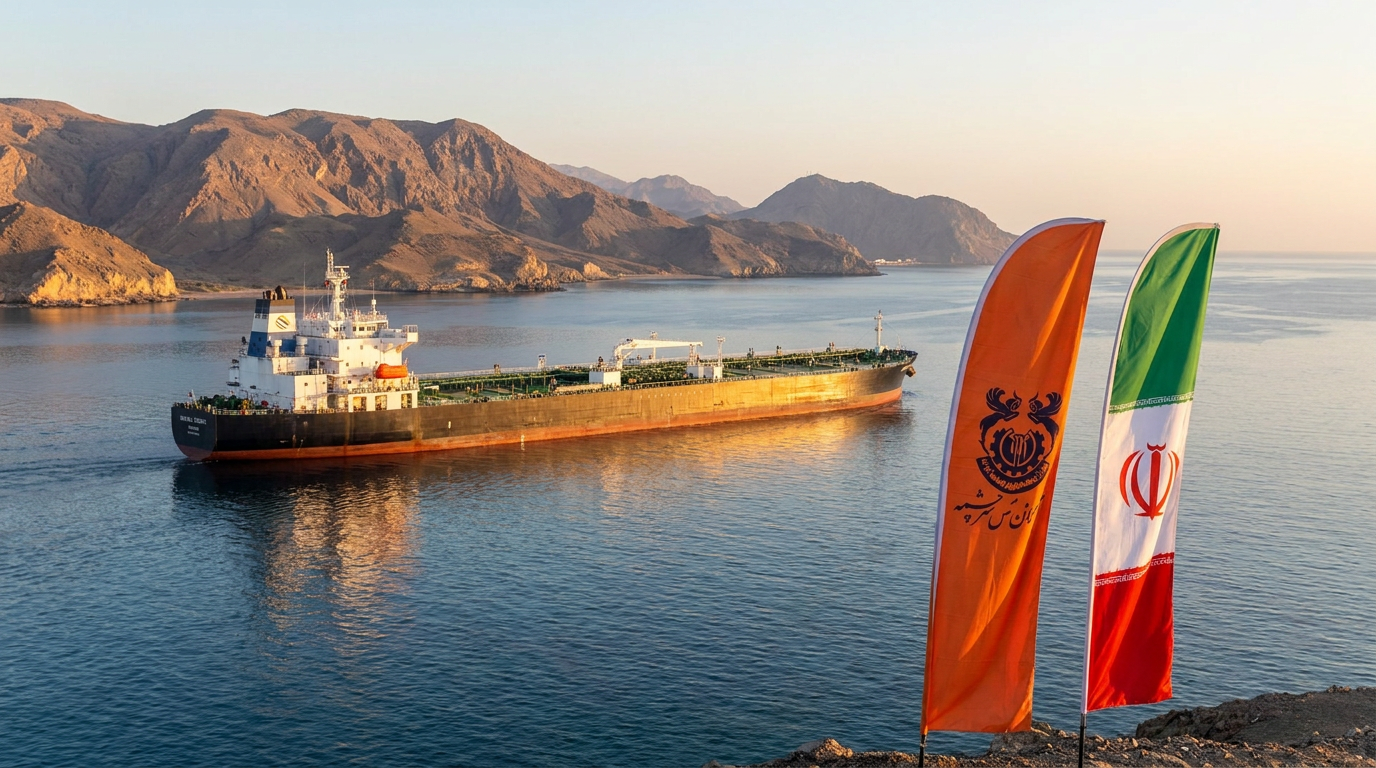
The United States and Iran have agreed to a framework peace deal that ends the U.S. naval blockade and reopens the Strait of Hormuz. The agreement, which includes a controversial ceasefire in Lebanon, faces fierce opposition from Israeli leadership as a 60-day window for nuclear negotiations begins.
By Factlen Editorial Team
- US Administration & Mediators
- Focused on stabilizing the global economy and securing a 60-day window to negotiate a permanent end to Iran's nuclear program.
- Israeli Leadership
- Views the ceasefire as a dangerous capitulation that leaves Hezbollah intact and fails to dismantle Iran's strategic capabilities.
- Iranian State & Public
- The government welcomes sanctions relief, but the Iranian public remains deeply skeptical of long-term stability.
- Global Economic Observers
- Prioritizes the reopening of the Strait of Hormuz and the subsequent stabilization of global energy markets.
What's not represented
- · Lebanese Civilians
- · European Energy Importers
- · Arab Gulf States
Why this matters
The resolution of the 2026 Iran War reopens a critical artery for global energy markets, immediately lowering oil prices, but sets the stage for a profound diplomatic crisis between the U.S. and Israel over the future of the Middle East.
Key points
- The U.S. and Iran have reached a framework peace deal to end the 2026 Iran War, mediated by Pakistan.
- The agreement lifts the U.S. naval blockade and reopens the Strait of Hormuz, causing global oil prices to drop sharply.
- A 60-day window has been established for the two nations to negotiate a permanent end to Iran's nuclear program.
- The deal explicitly includes a ceasefire in Lebanon, which Israeli leadership has fiercely rejected.
- President Trump criticized Israeli Prime Minister Benjamin Netanyahu, warning that military attacks could resume if nuclear talks fail.
The United States and Iran have reached a framework peace deal to end the devastating 2026 Iran War, marking a sudden halt to months of intense military conflict and economic disruption. Mediated by Pakistan, the agreement promises to reopen the critical Strait of Hormuz and lift the U.S. naval blockade on Iranian ports.[1][9]
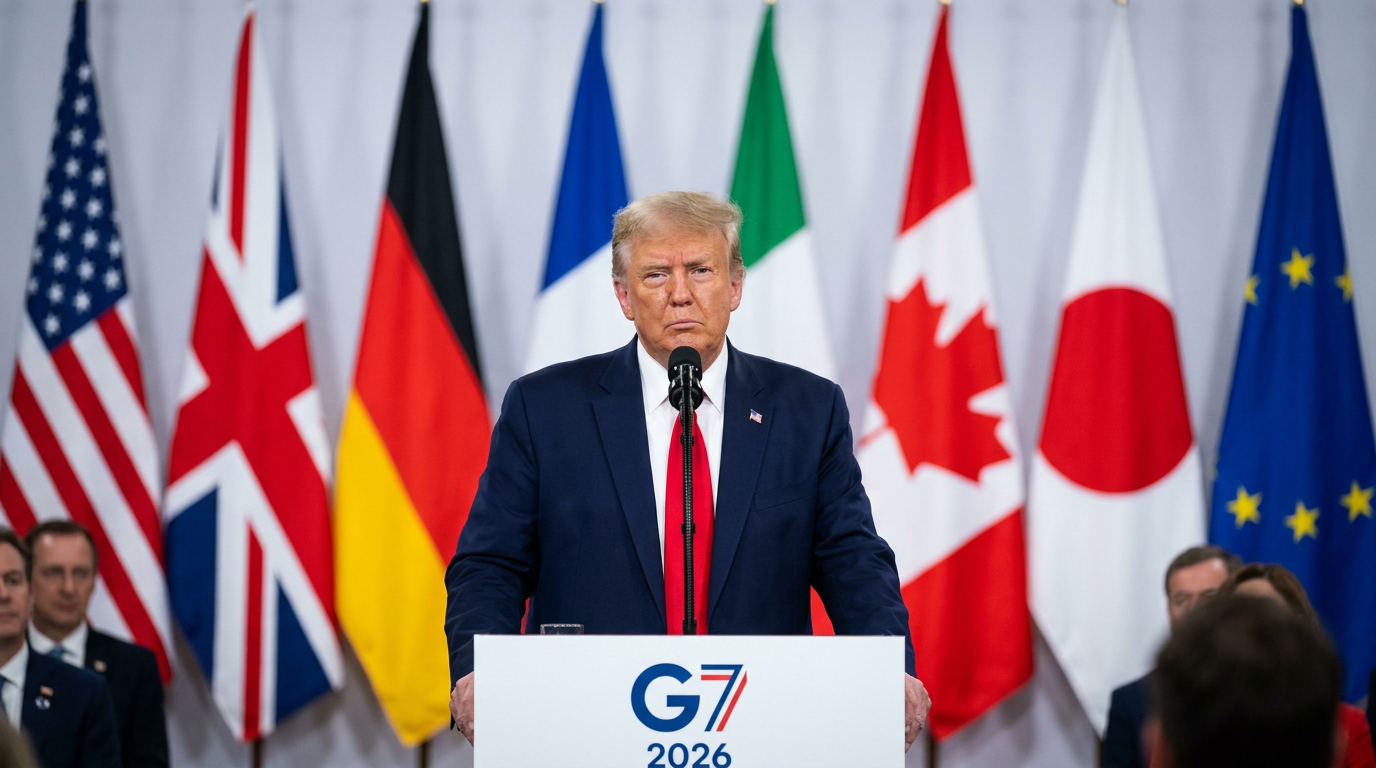
U.S. President Donald Trump announced the breakthrough on Sunday, declaring the deal complete and authorizing the immediate resumption of global shipping through the strait. The formal signing ceremony is scheduled for Friday in Geneva, Switzerland, according to Pakistani Prime Minister Shehbaz Sharif, who played a central role in brokering the truce.[2][3]
The announcement triggered an immediate sigh of relief across global markets. Brent crude oil, which had surged well past $100 per barrel during the height of the conflict, plummeted to approximately $83 per barrel by Monday morning. Asian stock indexes rallied by as much as 5 percent, reflecting widespread optimism that the energy crisis sparked by the waterway's closure was finally easing.[1][9]

However, the diplomatic breakthrough has exposed a severe rift between Washington and Jerusalem. The agreed-upon text explicitly calls for the immediate and permanent termination of military operations on all fronts, including in Lebanon, a stipulation that has infuriated Israeli leadership.[3][5]
Israel, which joined the U.S. in launching the war in late February, is not a formal party to the bilateral U.S.-Iran agreement. Israeli Defense Minister Israel Katz swiftly rejected the Lebanon ceasefire provision, stating that Israeli forces will not withdraw from the territory they have seized in southern Lebanon and will continue their campaign against the Iran-backed militant group Hezbollah.[5][6]
Israeli Prime Minister Benjamin Netanyahu now faces a profound domestic political crisis. Opponents and allies alike have criticized the interim deal as a capitulation that leaves Iran's strategic apparatus largely intact while forcing Israel into an inconvenient truce before achieving its core security objectives.[5][6]

Israeli Prime Minister Benjamin Netanyahu now faces a profound domestic political crisis.
The friction between the U.S. and Israel spilled into public view over the weekend. Following an Israeli airstrike in Beirut on Sunday, Trump publicly rebuked the maneuver, stating it should not have happened while negotiations were in their final hours. In a subsequent interview, Trump described Netanyahu as a very difficult guy and suggested the Israeli premier should be grateful for U.S. intervention, claiming that without it, Israel would have been destroyed.[1][4]
In Tehran, Iranian Deputy Foreign Minister Kazem Gharibabadi confirmed the agreement on state television, noting that implementation would begin following Friday's signing. The deal reportedly includes the suspension of U.S. sanctions on Iranian oil and the unfreezing of billions of dollars in assets, providing a vital lifeline to Iran's battered economy.[2][8]
Despite the official optimism, skepticism runs deep among the Iranian public. After months of devastating strikes that killed former Supreme Leader Ayatollah Ali Khamenei and severely damaged the country's infrastructure, many citizens doubt that the agreement will translate into lasting peace or meaningful improvements in their daily lives.[7][8]
The most complex component of the agreement—Iran's nuclear program—remains unresolved. The current framework establishes a 60-day window for the two nations to negotiate a comprehensive nuclear accord. U.S. officials have indicated that the goal is to secure an indefinite commitment from Tehran to never procure or develop nuclear weapons, moving beyond the time-limited restrictions of the 2015 deal.[1][8]
The stakes for these upcoming nuclear talks are exceptionally high. Trump has explicitly warned that if Tehran fails to reach a final nuclear agreement within the designated timeframe, he will not hesitate to restart military attacks against Iranian targets.[4][8]
Alternatively, Trump suggested that the U.S. could assume the role of guardian of the Middle East in exchange for 20 percent of the region's revenues, a transactional approach to regional security that has raised eyebrows among diplomatic observers.[4]

For now, the international community is holding its breath as Friday's signing ceremony approaches. European nations, including the U.K., France, and Germany, have signaled their readiness to lift sanctions on Iran if the deal holds, while the United Nations has urged all parties to refrain from actions that could derail the fragile truce.[2][3]
How we got here
Feb 2026
The U.S. and Israel launch the 2026 Iran War following the collapse of nuclear negotiations, killing Supreme Leader Ali Khamenei.
April 2026
Pakistan mediates an initial two-week ceasefire, which is repeatedly violated but later extended.
June 14, 2026
President Trump and Pakistani PM Shehbaz Sharif announce a framework peace deal to end the war.
June 19, 2026
The scheduled date for the formal signing ceremony in Geneva, Switzerland.
Viewpoints in depth
US Administration & Mediators
Focused on stabilizing the global economy and securing a 60-day window to negotiate a permanent end to Iran's nuclear program.
For Washington and Islamabad, the immediate priority is halting the economic bleeding caused by the closure of the Strait of Hormuz. The Trump administration views the ceasefire as a necessary precursor to forcing Tehran into an indefinite, ironclad agreement to abandon its nuclear ambitions. By leveraging the lifting of the naval blockade, the U.S. hopes to bring Iran to the table while simultaneously pivoting away from a costly regional war.
Israeli Leadership
Views the ceasefire as a dangerous capitulation that leaves Hezbollah intact and fails to dismantle Iran's strategic capabilities.
Israeli officials across the political spectrum are furious that the U.S. negotiated a deal that explicitly includes a ceasefire in Lebanon. Prime Minister Benjamin Netanyahu and his defense establishment argue that withdrawing from southern Lebanon now would allow Hezbollah to rebuild and pose an existential threat to northern Israel. They view the 60-day nuclear negotiation window as a stalling tactic that leaves Iran's proxy network and ballistic missile programs largely untouched.
Iranian State & Public
The government welcomes sanctions relief, but the Iranian public remains deeply skeptical of long-term stability.
Tehran's leadership desperately needs the economic lifeline provided by the unfreezing of billions of dollars in assets and the resumption of oil exports. However, after suffering devastating military strikes and the loss of their Supreme Leader, ordinary Iranians are wary. Many citizens doubt that the U.S. will honor its commitments or that the underlying tensions with Israel will remain dormant, fearing that the current truce is merely a pause before the next escalation.
What we don't know
- Whether Israel will actively defy the ceasefire terms by continuing major military operations in Lebanon.
- If Iran will agree to the indefinite nuclear restrictions demanded by the Trump administration during the upcoming 60-day window.
- How quickly the Strait of Hormuz can be cleared of mines and fully restored to pre-war shipping volumes.
Key terms
- Strait of Hormuz
- A crucial shipping waterway between the Persian Gulf and the Gulf of Oman, through which approximately a fifth of the world's oil flows.
- Naval Blockade
- A military operation in which the U.S. Navy prevented ships from entering or leaving Iranian ports to exert economic pressure.
- Hezbollah
- A heavily armed, Iran-backed militant group and political party based in Lebanon, currently engaged in conflict with Israel.
Frequently asked
When will the Strait of Hormuz reopen?
President Trump authorized the immediate reopening of the strait on Sunday, though full implementation of the deal is expected after the Friday signing ceremony.
Does this deal end Iran's nuclear program?
Not yet. The agreement establishes a 60-day window for the U.S. and Iran to negotiate a comprehensive and permanent nuclear accord.
Is Israel participating in the ceasefire?
No. Israel is not a party to the U.S.-Iran agreement and has stated it will not withdraw its forces from Lebanon or halt its campaign against Hezbollah.
Sources
Source coverage
9 outlets
4 viewpoints surfaced









[1]The Washington PostUS Administration & Mediators
U.S., Iran reach a deal to end fighting, both sides say
Read on The Washington Post →[2]TIMEUS Administration & Mediators
Trump Says U.S. and Iran Reach Deal to End War
Read on TIME →[3]CBS NewsUS Administration & Mediators
Iran and U.S. reach deal, Trump and Pakistani prime minister say, as Israeli strikes in Lebanon threaten agreement
Read on CBS News →[4]The Times of IsraelIsraeli Leadership
Trump calls Netanyahu 'very difficult guy,' says attacks on Iran could resume if nuclear deal not reached
Read on The Times of Israel →[5]Financial TimesIsraeli Leadership
Benjamin Netanyahu faces domestic backlash over US-Iran deal
Read on Financial Times →[6]BBCIsraeli Leadership
Iran deal presents political nightmare for Netanyahu
Read on BBC →[7]Al JazeeraIranian State & Public
As deal is agreed with US, not all in Iran are convinced that peace is here
Read on Al Jazeera →[8]The GuardianIranian State & Public
If US-Iran peace deal is signed, nuclear talks can finally resume
Read on The Guardian →[9]PBSGlobal Economic Observers
Deal is reached to end Iran war and Trump orders stop to U.S. naval blockade
Read on PBS →
More in news politics
See all 6 stories →Surveillance Law
FISA Section 702 Expires Amid Partisan Gridlock, Triggering Debate Over US Surveillance Powers
0 sources
Middle East Diplomacy
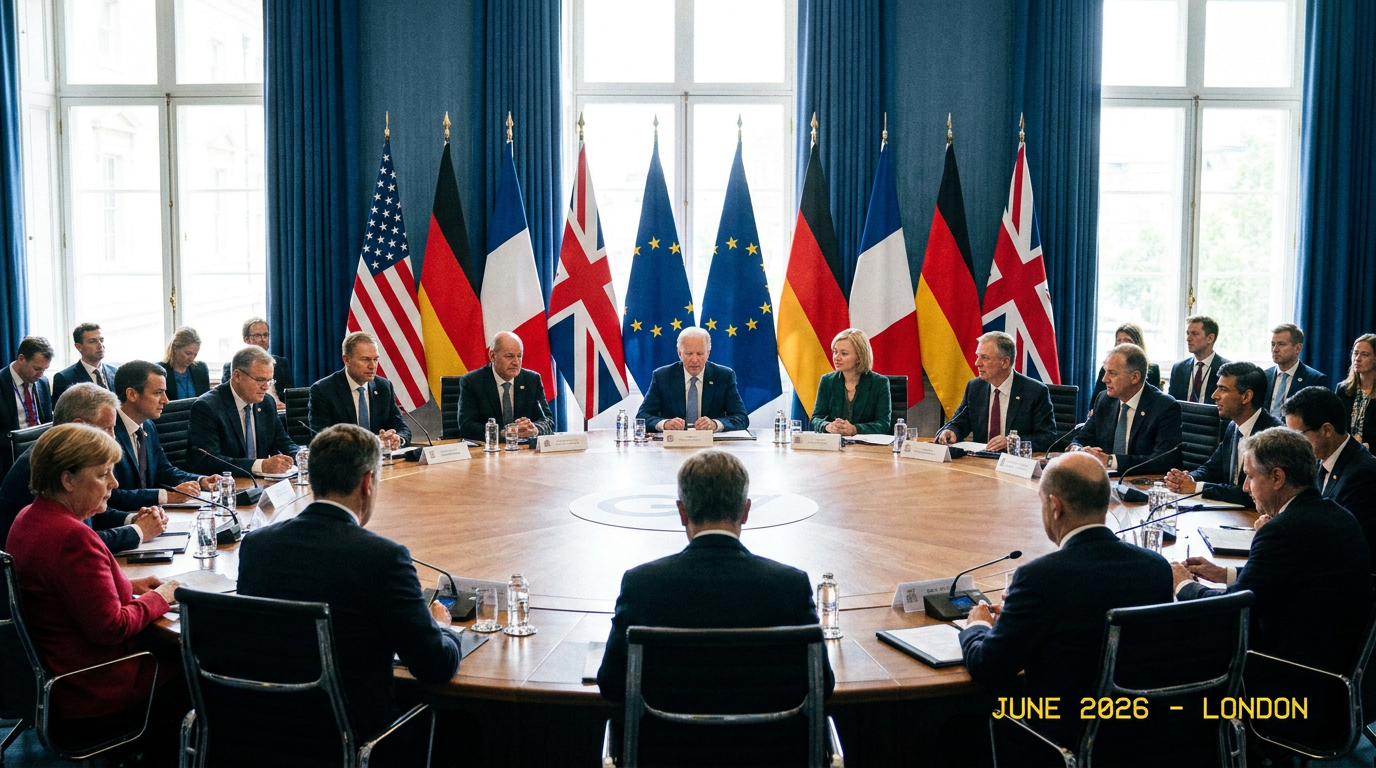
The US-Iran Peace Agreement: Inside the Deal and the Growing Rift with Israel
0 sources
Immigration Law
Supreme Court to Decide if Immigrants Can Be Held Indefinitely Without Bond Hearings
0 sources
Labor Policy
Fact-Checking the 4-Day Workweek: What the Policy Trials Actually Prove
0 sources

Every angle. Every day.
Get news politics stories with full source coverage and perspective breakdowns delivered to your inbox.