
The Toolbelt Generation: Why Gen Z is Ditching College for the Skilled Trades
Driven by skyrocketing university costs and a desire for debt-free financial independence, a massive wave of Gen Z students is driving a historic renaissance in vocational training and the skilled trades.
By Factlen Editorial Team
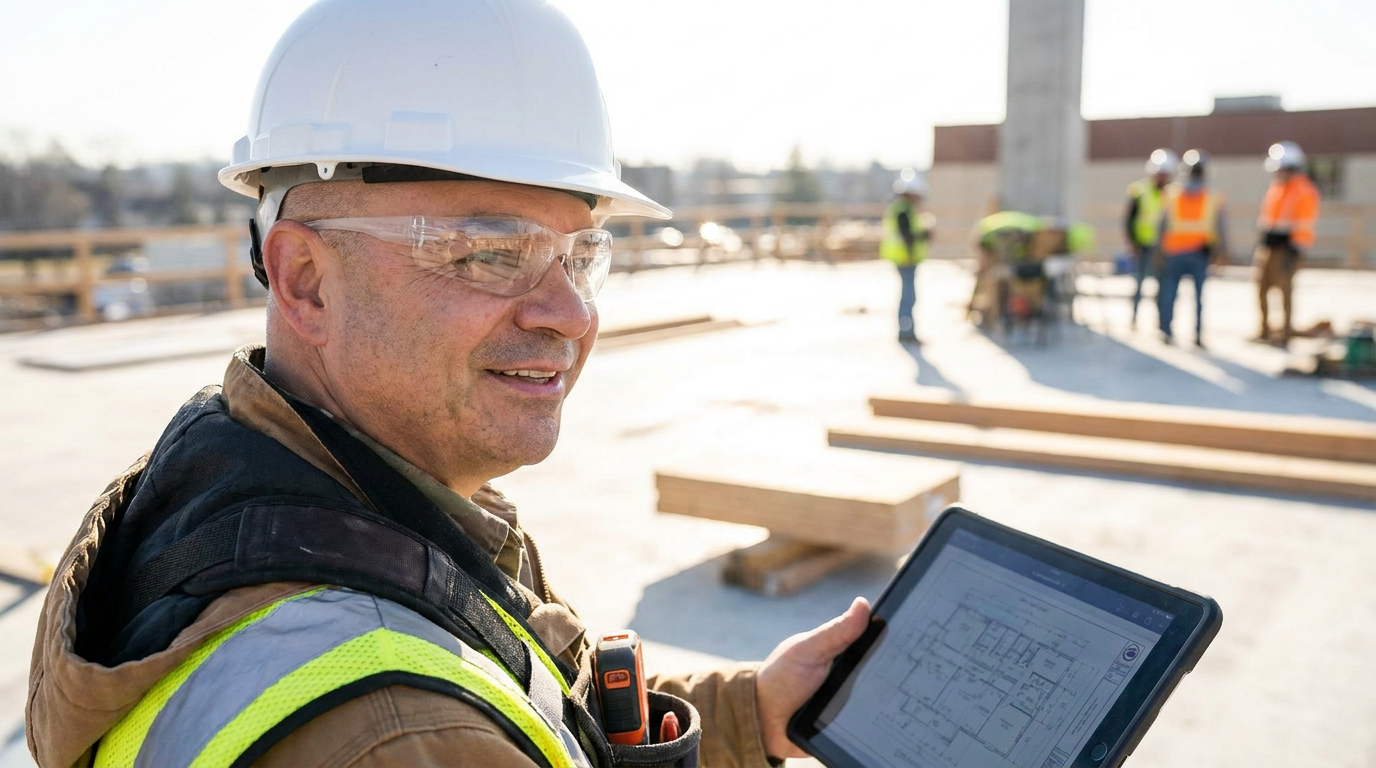
- Economic Pragmatists
- Focuses purely on the mathematical return on investment and the 'time-to-income' advantage.
- Vocational Advocates
- Argues that society has unfairly stigmatized blue-collar work and pushed students into unnecessary debt.
- Higher Ed Defenders
- Maintains that bachelor's degrees still offer the highest long-term earnings ceiling and physical sustainability.
What's not represented
- · High school guidance counselors navigating the shift
- · Union leaders managing the influx of young apprentices
Why this matters
The cultural default of 'college-for-all' is fracturing, offering young adults a viable, highly lucrative path to the middle class that doesn't require decades of student loan debt. This shift is fundamentally rewiring the American workforce and solving critical infrastructure labor shortages.
Key points
- Gen Z is driving a massive surge in trade school enrollment, projected to grow 6.6% annually through 2030.
- Apprenticeships offer a 'time-to-income' advantage, allowing workers to earn a wage from day one without accumulating student debt.
- Nearly half of recent college graduates are currently underemployed in jobs that do not require a bachelor's degree.
- Physical trades are highly resistant to AI automation, providing a 'human-proof' career moat.
- Many specialized trades offer median salaries that rival or exceed entry-level corporate white-collar roles.
For decades, the American educational pipeline operated on a singular, ironclad premise: a four-year university degree was the only reliable ticket to the middle class. Vocational training was quietly sidelined, shop classes were stripped from high schools, and the skilled trades were unfairly stigmatized as a fallback option. But in 2026, a profound demographic and economic correction is underway. Dubbed the 'Toolbelt Generation,' Generation Z is leading a massive migration away from traditional universities and toward trade schools, apprenticeships, and blue-collar entrepreneurship.[3][8]
The shift is driven by a ruthless re-evaluation of educational return on investment (ROI). Traditional higher education has become synonymous with crippling debt, while the skilled trades offer a fundamentally different financial mechanism: the 'time-to-income' advantage. Young adults are increasingly calculating the true cost of four years out of the workforce, and many are deciding the math no longer works in favor of the ivory tower.[7]
The data reveals a stark divergence in post-secondary paths. According to Validated Insights, trade school enrollment is projected to grow at a robust 6.6% annually through 2030. In stark contrast, traditional higher education is expected to eke out just 0.8% growth over the same period. Over the past eight years, trade school enrollment among Gen Z has skyrocketed by an astonishing 1,421%.[1]

This exodus from the traditional college track is deeply intertwined with the student debt crisis. National student loan debt hovers around $1.7 trillion, fundamentally altering the life trajectories of millennials who bought into the 'college-for-all' mandate. Furthermore, the Federal Reserve Bank of New York reported in late 2025 that 43% of recent college graduates (ages 22 to 27) are underemployed—working in jobs that do not actually require the bachelor's degree they just spent four years financing.[2]
Culturally, the renaissance of the skilled trades has been heavily championed by vocational advocates and conservative commentators who have long criticized the modern university system. Figures like Mike Rowe, through his mikeroweWORKS Foundation, have spent years arguing that society has profoundly disconnected from the dignity of physical labor, treating essential work as a punishment rather than a highly respectable career.[5]
This perspective argues that the push for universal college attendance not only devalued essential blue-collar work but also funneled millions of teenagers into massive debt for degrees with little market value. By elevating the trades, these advocates emphasize self-reliance, tangible skill-building, and an escape from the ideological monoculture often associated with elite academic institutions.[5][7]
Beyond cultural debates, the math of an apprenticeship is highly persuasive to pragmatic Gen Z workers. Unlike a university model where students pay for the privilege of sitting in a lecture hall, registered apprenticeships operate on an 'earn while you learn' model. Apprenticeship enrollments grew by over 11% in 2024 alone, signaling a massive embrace of employer-sponsored training.[6]

Beyond cultural debates, the math of an apprenticeship is highly persuasive to pragmatic Gen Z workers.
An apprentice electrician or pipefitter earns a paycheck from day one. By the time a traditional student graduates at age 22 with an average of $37,000 in federal student loans, a 22-year-old journeyman has already banked four years of rising wages, zero educational debt, and significant real-world experience. This head start compounds massively over the first decade of a career.[7]
The compensation ceiling for these roles also shatters outdated stereotypes. The Bureau of Labor Statistics notes that many specialized trades out-earn entry-level corporate positions. Elevator mechanics boast a median annual wage of nearly $98,000, while specialized HVAC leads and electrical linemen routinely clear $75,000 to $100,000, especially when factoring in overtime and union benefits.[4]
Artificial intelligence is acting as an unexpected catalyst for the blue-collar boom. As generative AI models threaten to automate vast swaths of white-collar desk work—from copywriting to entry-level coding and data analysis—the physical trades remain highly resistant to automation. Surveys show that 1 in 6 Gen Z workers are considering a switch from white-collar to blue-collar careers specifically due to AI concerns.[3][7]

You cannot currently download a robot to crawl into a tight residential crawlspace and diagnose a faulty HVAC compressor, nor can an algorithm rewire a 1950s electrical panel. For a generation highly anxious about the future of work, the trades offer a 'human-proof' career moat that a generic communications or business administration degree simply cannot match.[7]
The entrepreneurial upside is another major draw. Trade skills translate directly into business ownership. Industry surveys indicate that Gen Z trade professionals are nearly twice as likely to own their own businesses compared to their college-educated peers. A licensed plumber doesn't just have a job; they have the foundational asset required to launch a plumbing company.[6]
However, the trades are not without their own long-term uncertainties. The most significant trade-off is the physical toll. While a desk job may lead to a sedentary lifestyle, 30 years of framing houses, pulling heavy wire, or working in extreme weather takes a documented toll on the knees, back, and shoulders, requiring workers to transition into management or ownership later in life.[7]

Traditional economists and higher education defenders also point out that while the trades win the first decade of earnings, bachelor's degrees still generally offer a higher lifetime earnings ceiling. College graduates have access to steep management compensation curves and fields like medicine, engineering, and high finance that remain strictly gated by academic credentials.[2][8]
Yet, for millions of young Americans, the abstract promise of a higher lifetime ceiling is no longer worth the crushing upfront cost. The resurgence of vocational training represents a healthy, necessary market correction. By rejecting the one-size-fits-all educational dogma, the Toolbelt Generation is reclaiming the dignity of work, redefining what a successful career looks like, and physically building the infrastructure of the future.[7]
How we got here
1990s-2000s
The 'college-for-all' movement peaks, heavily stigmatizing vocational education and removing shop classes from many high schools.
2008
Mike Rowe launches the mikeroweWORKS Foundation to challenge the stigma against blue-collar jobs and advocate for the skilled trades.
2020-2022
The pandemic disrupts traditional higher education, prompting millions of students to question the ROI of remote university classes.
2024
Surveys reveal that 50% of Gen Z respondents plan to enter the skilled trades, marking a massive generational shift.
Late 2025
The Federal Reserve Bank of New York reports that 43% of recent college graduates are underemployed, accelerating the shift toward vocational training.
2026
Trade school enrollment growth vastly outpaces traditional four-year universities, cementing the era of the 'Toolbelt Generation.'
Viewpoints in depth
Vocational Advocates
Argues that society has unfairly stigmatized blue-collar work and pushed students into unnecessary debt.
Championed heavily by conservative commentators and figures like Mike Rowe, this camp views the 'college-for-all' mentality as a profound cultural misstep. They argue that traditional universities often funnel students into massive debt for degrees with little practical market value, while simultaneously devaluing the essential, tangible work that keeps society functioning. For these advocates, the trades represent self-reliance, financial freedom, and a return to the dignity of physical labor.
Economic Pragmatists
Focuses purely on the mathematical return on investment and the 'time-to-income' advantage.
This perspective, widely held by Gen Z workers and labor analysts, strips away the cultural debate and looks strictly at the numbers. They point out that apprentices earn a wage from day one, avoiding the $37,000 average student debt burden entirely. When factoring in the four years of foregone wages during college, the trades offer a massive head start in wealth accumulation that can take college graduates decades to overcome.
Higher Ed Defenders
Maintains that bachelor's degrees still offer the highest long-term earnings ceiling and physical sustainability.
While acknowledging the high upfront costs of university, traditional economists and higher education advocates point to longitudinal data showing that bachelor's degree holders still earn a significant lifetime premium. They emphasize that college unlocks steep management compensation curves and protects workers from the severe physical wear-and-tear that often accompanies 30 years of manual labor in the trades.
What we don't know
- Whether the influx of new tradespeople will eventually suppress wages in currently high-demand fields.
- How traditional four-year universities will adapt their pricing models to compete with the rising popularity of trade schools.
Key terms
- Time-to-Income
- The duration it takes for a student or trainee to begin earning a livable wage after starting their post-secondary education.
- Underemployment
- A situation where a worker is employed, but in a job that does not require the level of education or degree they possess.
- Registered Apprenticeship
- An industry-vetted training program where workers earn a wage from day one while learning a highly skilled trade.
- Degree Inflation
- The trend of employers demanding a four-year college degree for entry-level jobs that previously did not require one.
- Journeyman
- A skilled worker who has successfully completed an official apprenticeship qualification in a building trade or craft.
Frequently asked
Are trade schools growing faster than colleges?
Yes. Trade school enrollment is projected to grow 6.6% annually through 2030, compared to just 0.8% for traditional higher education.
Do trade jobs pay as much as jobs requiring a degree?
Many do. Elevator mechanics, electrical linemen, and specialized HVAC technicians frequently earn between $75,000 and $100,000 annually, often outpacing entry-level corporate roles.
What is the main financial advantage of an apprenticeship?
Apprentices earn a wage from their first day of training, meaning they build wealth immediately rather than accumulating years of student loan debt.
Will AI replace skilled trade jobs?
Currently, physical trades like plumbing, electrical work, and construction are considered highly resistant to AI and automation compared to many white-collar desk jobs.
Sources
Source coverage
8 outlets
3 viewpoints surfaced








[1]Validated InsightsEconomic Pragmatists
Trade School Enrollment Projections 2025-2030
Read on Validated Insights →[2]Federal Reserve Bank of New YorkHigher Ed Defenders
The Labor Market for Recent College Graduates
Read on Federal Reserve Bank of New York →[3]Intuit Credit KarmaEconomic Pragmatists
Gen Z and the Shift to Skilled Trades
Read on Intuit Credit Karma →[4]Bureau of Labor StatisticsHigher Ed Defenders
Occupational Outlook Handbook: Construction and Extraction Occupations
Read on Bureau of Labor Statistics →[5]mikeroweWORKS FoundationVocational Advocates
The Profound Disconnect in the American Workforce
Read on mikeroweWORKS Foundation →[6]The Blue Collar RecruiterVocational Advocates
Why Gen Z is Choosing Skilled Trades Over College
Read on The Blue Collar Recruiter →[7]Factlen Editorial TeamEconomic Pragmatists
Synthesis by Factlen editorial team
Read on Factlen Editorial Team →[8]NewsweekHigher Ed Defenders
Gen Z is Skipping College for the Trades
Read on Newsweek →

Every angle. Every day.
Get perspectives stories with full source coverage and perspective breakdowns delivered to your inbox.