
The Science of the 'Repair Stack': How Collagen and Vitamin C Are Transforming Tendon Recovery
For decades, athletes have struggled with slow-healing tendon injuries. Now, a targeted protocol of pre-workout collagen peptides and Vitamin C is showing strong clinical evidence for rebuilding connective tissue.

In short
- Tendons heal slower than muscles due to poor blood supply and low cellular turnover.
- Collagen peptides provide the specific amino acids needed to rebuild connective tissue.
- Vitamin C is a mandatory cofactor required to cross-link new collagen fibers.
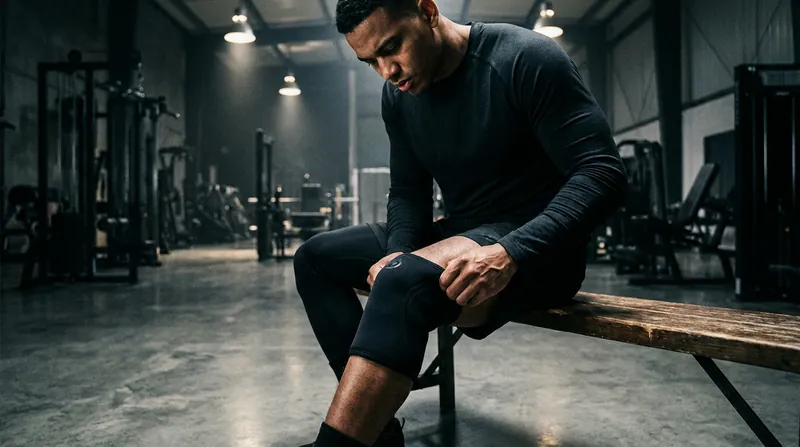
For anyone who has trained consistently through their late twenties and beyond, the story is agonizingly familiar. The cardiovascular engine is firing, the muscles are recovering, but a persistent ache in the Achilles or a sharp twinge in the patellar tendon forces a sudden halt. Tendon pain is the great equalizer of athletes, often turning a productive training block into a frustrating cycle of rest, brief recovery, and inevitable reinjury.
The root of this cycle is a fundamental biological disadvantage. Unlike muscle tissue, which is flush with blood and regenerates rapidly, tendons are dense, avascular bands of connective tissue. They receive nutrients slowly and have a sluggish rate of cellular turnover. Furthermore, tendons are heavily reliant on a single structural component: collagen makes up roughly 65 to 80 percent of a tendon's dry weight.
Traditional rehabilitation has long relied on a combination of rest, ice, and stretching. While these methods can temporarily reduce inflammation and manage pain, they do not address the underlying structural deficit. When an athlete simply rests a tendinopathy, the tissue often forms inferior, disorganized scar tissue rather than regenerating the robust, parallel collagen fibers required to absorb heavy mechanical loads.
Over the past decade, a quiet revolution has occurred in sports nutrition and physical therapy. Researchers and clinicians have identified a targeted nutritional intervention—often referred to as the "repair stack"—that directly supports connective tissue regeneration. This protocol relies on two inexpensive, widely available components: hydrolyzed collagen peptides and Vitamin C.
To understand why this stack works, we have to look at the unique architecture of connective tissue. Tendons require specific amino acids—primarily glycine, proline, and hydroxyproline—to build new tissue. Standard protein sources like whey, chicken, or tofu are excellent for muscle protein synthesis, but they contain relatively low concentrations of these specific building blocks. Hydrolyzed collagen peptides deliver them in a highly bioavailable format.
However, delivering the building blocks is only half the equation. Vitamin C acts as a non-negotiable chemical catalyst in this process. It functions as a crucial cofactor for the enzymes responsible for collagen cross-linking. Without adequate Vitamin C, the body cannot weave the newly synthesized collagen fibers together, resulting in weak tissue that remains highly susceptible to micro-tears.
The most significant breakthrough in this field wasn't just the ingredients, but the timing. For decades, athletes were conditioned to consume protein immediately after a workout to maximize muscle recovery. Connective tissue operates on an entirely different schedule. Clinical protocols now dictate that collagen and Vitamin C must be consumed 30 to 60 minutes before exercise.
This pre-workout timing exploits the mechanical nature of tendons. Because tendons have poor resting blood flow, they rely on movement to absorb nutrients. During exercise, the tendon acts somewhat like a sponge; mechanical loading squeezes fluid out of the tissue, and as the tendon relaxes, it pulls fluid—and the circulating amino acids—back in. Taking the supplement an hour prior ensures that amino acid levels in the bloodstream peak exactly when the tendon is actively "drinking."
The foundational evidence for this approach was established in a landmark 2017 study published in the American Journal of Clinical Nutrition. Researchers demonstrated that participants who consumed Vitamin C-enriched gelatin before intermittent jumping exercises experienced a doubling of collagen synthesis markers compared to a placebo group. This proved that oral supplementation could directly influence tendon biology.[1]
Since that initial proof-of-concept, the clinical data has matured significantly. A comprehensive 2025 systematic review evaluated multiple high-quality randomized controlled trials and awarded "GRADE A" evidence to the protocol. The review confirmed that supplementing with 15 grams of collagen combined with resistance training led to measurable increases in tendon cross-sectional area and stiffness.[2]
The medical community has taken notice. Orthopaedic surgeons and sports medicine physicians are increasingly integrating the collagen and Vitamin C stack into perioperative care. For patients recovering from tendon repairs or managing chronic tendinopathy, artificially boosting the nutrient density around the injury site offers a powerful, non-invasive tool to support conservative management and post-surgical healing.
Despite the enthusiasm, sports scientists are careful to outline what this protocol cannot do. The 2025 reviews explicitly noted that collagen supplementation provides no meaningful benefit for muscle hypertrophy or muscular strength. If an athlete's goal is to build bigger biceps or increase their squat max, traditional complete proteins remain the gold standard. Collagen is strictly a structural supplement.
Furthermore, the nutritional stack is entirely useless without the accompanying physical stimulus. Consuming collagen and sitting on the couch will not heal an Achilles tendon. The tissue requires mechanical loading—such as heavy slow resistance training or targeted eccentric exercises—to signal the fibroblasts to begin the remodeling process. The nutrition simply ensures the raw materials are present when the signal is sent.
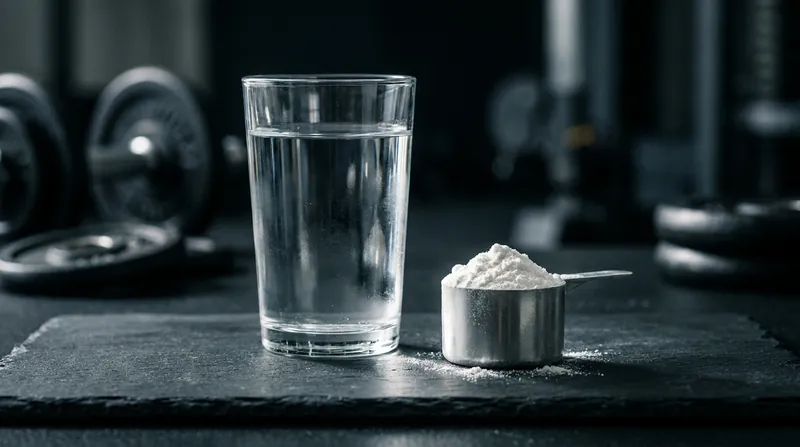
For athletes looking to implement the protocol, the dosing parameters are highly specific. The consensus recommendation is 10 to 15 grams of hydrolyzed collagen peptides paired with 50 to 100 milligrams of Vitamin C. Because Vitamin C is water-soluble and easily excreted, massive megadoses are unnecessary; the minimum effective dose is sufficient to trigger the cross-linking process.
Patience is perhaps the most critical component of the entire protocol. Tendon remodeling is an agonizingly slow biological process. While muscle soreness might resolve in a few days, structural changes to connective tissue take a minimum of 8 to 12 weeks of consistent loading and supplementation. Athletes must commit to the regimen long-term to see meaningful clinical changes.
It is also important to acknowledge the current limitations in the research. As with many areas of sports science, the majority of clinical trials have heavily skewed toward male participants. Female athletes, who experience different hormonal fluctuations that can impact ligament laxity and collagen synthesis, remain significantly underrepresented in the literature, highlighting a critical area for future study.
It is also important to acknowledge the current limitations in the research.
Ultimately, the shift toward targeted connective tissue nutrition represents a broader evolution in how we view athletic longevity. By understanding the distinct biological needs of tendons and ligaments, and fueling them with the precise tools they require, athletes can protect the vital structural framework that keeps them moving year after year.[3]
Key terms
- Collagen Peptides
- Short chains of amino acids derived from collagen that have been broken down (hydrolyzed) for easier absorption by the body.
- Tendinopathy
- A broad term for conditions causing pain and reduced function in a tendon, often resulting from overuse and failed healing.
- Fibroblasts
- Cells in connective tissue that produce collagen and other fibers, responsible for repairing tendons and ligaments.
- Mechanical Loading
- The physical stress placed on tissues during exercise, which signals the body to strengthen and adapt those specific areas.
- Cross-linking
- The chemical process where collagen fibers bond together to provide tensile strength and elasticity to the tendon.
Frequently asked
Can I just eat more protein instead of taking collagen?
While total protein is essential for muscle, collagen contains a unique, highly concentrated profile of glycine, proline, and hydroxyproline that standard proteins like whey or chicken lack. These specific amino acids are the primary building blocks for connective tissue.
Why do I need to take Vitamin C with it?
Vitamin C is a mandatory cofactor for collagen synthesis. Without it, the body cannot properly cross-link the collagen fibers, resulting in weak tissue that is prone to re-tearing.
Does it matter what type of collagen I use?
Research supports the use of hydrolyzed collagen peptides (often bovine or marine). The hydrolysis process breaks the proteins down into smaller chains, making them easily absorbable by the gut.
Will this help me build muscle mass?
No. Clinical reviews show strong evidence that collagen does not meaningfully contribute to muscle hypertrophy or strength gains. It is strictly a structural supplement for tendons, ligaments, and joints.
Viewpoints in depth
Sports Physiotherapists
Focus on mechanical loading and view collagen as a structural support to enhance rehabilitation.
Physical therapists emphasize that collagen is not a magic pill that works in isolation. Tendons require mechanical stress—such as eccentric heel drops for the Achilles or heavy slow resistance training—to signal fibroblasts to lay down new tissue. In this view, the nutritional 'repair stack' simply ensures that when the body receives the signal to rebuild, the necessary raw materials are circulating in the bloodstream.
Orthopaedic Medicine
Emphasize clinical outcomes, tissue repair, and the integration of nutrition in perioperative and injury care.
Orthopaedic surgeons are increasingly adopting collagen and Vitamin C protocols for post-surgical recovery and conservative injury management. Because tendons have notoriously poor blood supply, healing is naturally sluggish. Medical professionals view targeted amino acid supplementation as a way to artificially boost the nutrient density around the injury site, potentially reducing the need for invasive interventions.
Sports Nutrition Science
Investigate the metabolic pathways, dosing, and timing of amino acids for connective tissue synthesis.
Nutrition researchers are focused on the precise pharmacokinetics of the protocol. They highlight that unlike whey protein, which triggers muscle protein synthesis, collagen peptides provide specific amino acids like glycine and proline. The scientific consensus now strongly supports the 30-to-60-minute pre-exercise window, ensuring peak amino acid availability exactly when exercise-induced blood flow to the tendons is highest.
- Sports Physiotherapists
- Focus on mechanical loading and view collagen as a structural support to enhance rehabilitation.
- Orthopaedic Medicine
- Emphasize clinical outcomes, tissue repair, and the integration of nutrition in perioperative and injury care.
- Sports Nutrition Science
- Investigate the metabolic pathways, dosing, and timing of amino acids for connective tissue synthesis.
- Evidence Synthesis
- Aggregates clinical data and practical protocols to provide actionable guidelines for athletes.
Perspectives this story doesn't cover
- Female Athletes (underrepresented in current clinical trials)
- Plant-Based Athletes (seeking vegan collagen-builder alternatives)
Sources
Source coverage
3 outlets
4 viewpoints surfaced



- [1]American Journal of Clinical NutritionSports Nutrition Science
Vitamin C-enriched gelatin supplementation before intermittent activity augments collagen synthesis
Read on American Journal of Clinical Nutrition → - [2]European Journal of Sport ScienceSports Nutrition Science
Specific collagen peptides increase adaptations of patellar tendon morphology
Read on European Journal of Sport Science → - [3]Factlen Editorial TeamEvidence Synthesis
Synthesis by Factlen editorial team
Read on Factlen Editorial Team →
More in Fitness
See all →Performance Nutrition
The Science of Bicarbonate Loading: How Hydrogel Technology Unlocked an Old Performance Enhancer
6 sources

Sports Nutrition
The End of the "Anabolic Window": How Modern Sports Nutrition Views Protein Timing
4 sources

Protein Timing
The Science of Muscle Protein Synthesis: Why Total Daily Intake Outperforms the Anabolic Window
5 sources

Connective Tissue
How Collagen Peptides Became the Science-Backed Standard for Tendon Repair
6 sources
Comments
Every angle. Every day.
Get Fitness stories with full source coverage and perspective breakdowns, free every day.