
The Rise of Accessible Esports: How Adaptive Tech is Leveling the Playing Field in 2026
Breakthroughs in adaptive hardware and the introduction of high-contrast visual modes in competitive multiplayer are allowing gamers with disabilities to compete at the highest levels of esports.
By Factlen Editorial Team
- Accessibility Advocates
- Argue that gaming is for everyone and that hardware and software must adapt to the player, not the other way around.
- Esports Publishers & Organizers
- View accessibility as both a moral imperative and a massive untapped market necessary for the sport's longevity.
- Competitive Player Base
- Focused on maintaining competitive integrity, though increasingly embracing accessibility tools to optimize their own gameplay.
What's not represented
- · Traditional sports governing bodies
- · Medical rehabilitation professionals
Why this matters
For decades, physical limitations dictated digital potential, locking millions of disabled players out of competitive gaming. The standardization of adaptive hardware and accessible software ensures that esports is finally fulfilling its promise as a truly equal-opportunity arena.
Key points
- Adaptive controllers allow players to map complex inputs to modular switches and joysticks.
- EA Sports FC 26 introduced High Contrast Mode to competitive PvP, breaking a long-standing industry taboo.
- Logitech G hosts dedicated adaptive esports tournaments with prize pools up to $50,000.
- Accessibility features are increasingly used by the broader player base to optimize competitive performance.
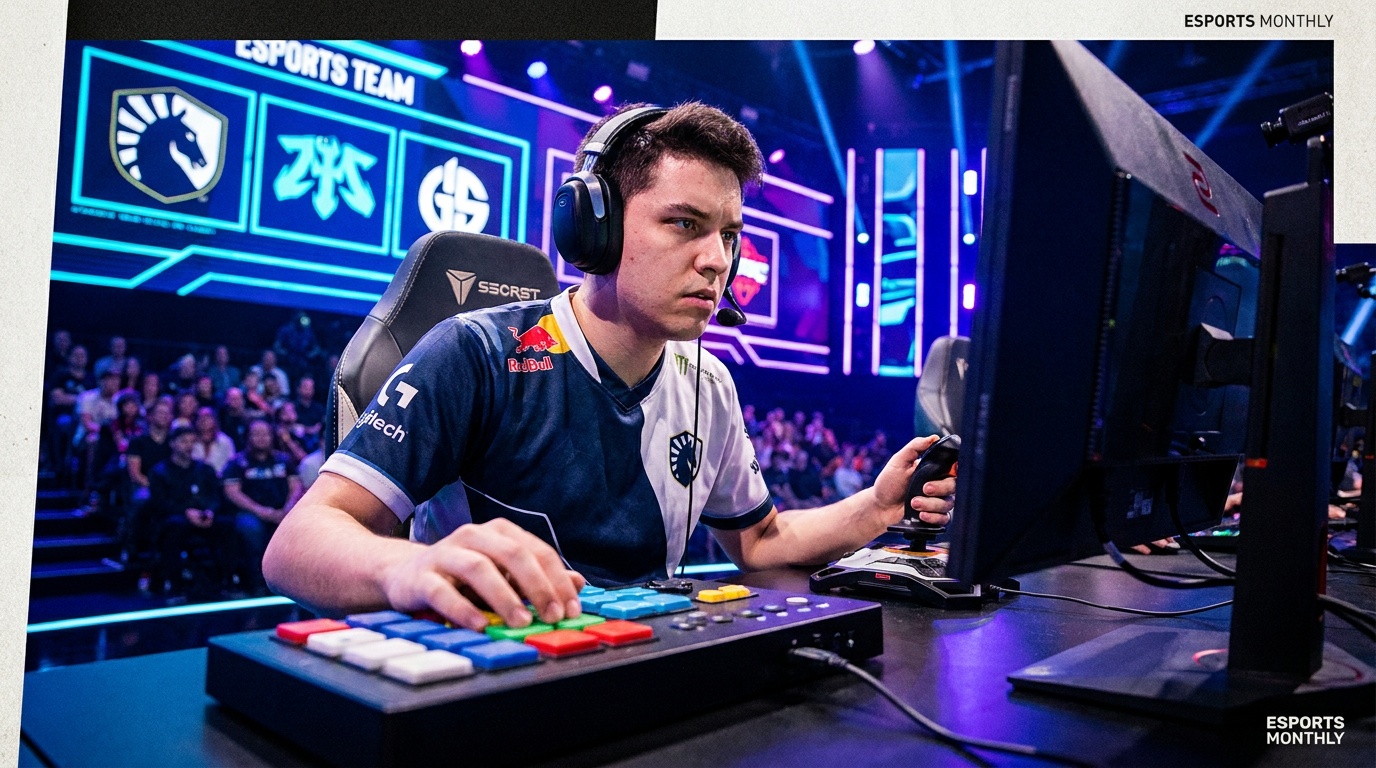
The image of a professional esports stage in 2026 is evolving. Alongside the standard glowing keyboards and dual-stick gamepads, a new array of hardware is taking center stage: modular buttons, foot pedals, and eye-tracking sensors. The rise of adaptive esports is transforming competitive gaming from an exclusive club into a truly level playing field.[8]
For decades, gamers with disabilities faced insurmountable barriers in top-tier competitive play. Rigid hardware requirements and software that lacked visual or motor accommodations meant that physical limitations dictated digital potential. With an estimated 31% of gamers identifying as having a disability, a massive segment of the community was effectively locked out of the competitive scene.[5]
That paradigm has shifted dramatically. The hardware revolution, catalyzed years ago by pioneering devices like the Xbox Adaptive Controller, has matured into a robust ecosystem of competitive-grade gear. Companies are now producing highly customizable kits that allow players to map complex inputs to large external switches, joysticks, and even sip-and-puff devices.[3][8]
These modular setups allow players to bypass the traditional controller layout entirely. A player without the use of their hands can execute flawless, frame-perfect combos in a fighting game or coordinate high-speed maneuvers in a racing simulator using custom-built rigs tailored to their specific mobility needs.[5]

But hardware is only half the battle. If the game software itself is not accessible, the most advanced controller in the world cannot bridge the gap. Historically, developers locked accessibility features behind single-player modes, fearing that visual assists would compromise the integrity of online multiplayer.[2][8]
The breakthrough arrived in the recent competitive seasons, spearheaded by major franchise releases. EA Sports FC 26 shattered a long-standing industry taboo by introducing High Contrast Mode (HCM) directly into its competitive Player-vs-Player (PvP) ecosystem.[1][2]
High Contrast Mode allows players to apply a configurable color overlay to their team, the opposition, and the ball, while desaturating the pitch to a neutral gray. This visual separation is crucial for low-vision players or those who struggle to track fast-paced action against complex backgrounds.[1][2]
High Contrast Mode allows players to apply a configurable color overlay to their team, the opposition, and the ball, while desaturating the pitch to a neutral gray.
Implementing this in a ranked, competitive environment required developers to carefully balance visibility with fairness. The feature was so groundbreaking that it won the award for "Greatest Accessibility Innovation" at the GAconf Awards, marking the first time a AAA title allowed such extensive visual modification in competitive PvP.[4]

Other major titles have followed suit. Competitive shooters like Call of Duty: Black Ops 6 now feature robust accessibility systems that allow players to independently customize the colors of enemies, teammates, and neutral interface elements. Players can push color intensity to the maximum, ensuring that targets pop against the environment regardless of the player's color vision deficiency.[6]
As software and hardware barriers fall, a dedicated tournament infrastructure has risen to support these athletes. The Logitech G Adaptive Esports Tournaments have become a premier destination for gamers with disabilities, offering substantial prize pools—up to $50,000—and professional broadcasting.[3]
Partnering with organizations like The AbleGamers Charity and Mount Sinai Hospitals, these tournaments feature high-stakes 2v2 Rocket League competitions. They provide a platform where adaptive players can connect, compete, and showcase their skills to a global audience without being hindered by inaccessible design.[3]
The momentum extends beyond online brackets. The Adaptive Esports Summit, hosted at the Daejeon Esports Arena, brings together industry thought leaders, accessibility researchers, and professional players. The event features interactive exhibitions of the latest adaptive tech and high-level showmatches, cementing accessibility as a core pillar of the industry's future.[7]

This push for inclusion has also sparked conversations about the "curb-cut effect" in gaming. Features originally designed for disabled gamers—such as remappable buttons, text-to-speech chat, and high-contrast visual filters—are increasingly being utilized by the broader player base to reduce eye strain and improve their own competitive performance.[6][8]
Some competitive purists initially worried that these features might offer an "unfair advantage" to non-disabled players. However, the prevailing consensus among developers and tournament organizers is that providing everyone with the tools to customize their experience creates a more genuinely skill-based environment, reducing the impact of hardware or visual limitations.[2][8]
Looking ahead, the industry is moving toward system-level accessibility standardization. Hardware manufacturers are integrating features like grayscale and high-contrast modes directly into console operating systems, ensuring that players don't have to rely on individual game developers to include basic visual aids.[6]

Esports was always pitched as the ultimate equalizer—a digital arena where mind and strategy matter more than physical stature. With the rapid advancement of adaptive technology and inclusive software design in 2026, competitive gaming is finally fulfilling that promise, ensuring that the thrill of the victory screen is accessible to everyone.[8]
How we got here
2018
Microsoft releases the Xbox Adaptive Controller, pioneering mainstream accessible hardware.
2023
The inaugural Logitech G Adaptive Esports Tournament launches, creating a dedicated competitive space.
July 2025
EA Sports announces High Contrast Mode for competitive PvP in FC 26.
December 2025
The Adaptive Esports Summit in Daejeon highlights global advancements in inclusive gaming.
Viewpoints in depth
Accessibility Advocates
Argue that gaming is for everyone and that hardware and software must adapt to the player, not the other way around.
Advocacy groups and accessibility consultants emphasize that physical limitations should never dictate a person's ability to participate in digital spaces. They point out that roughly 31% of gamers identify as having some form of disability. For this camp, the push for adaptive controllers and software-level visual aids is about fundamental inclusion. They argue that when developers design with accessibility in mind from the ground up, it eliminates the need for players to rely on expensive, third-party workarounds just to launch a game.
Esports Publishers & Organizers
View accessibility as both a moral imperative and a massive untapped market necessary for the sport's longevity.
For major publishers like EA Sports and hardware manufacturers like Logitech, investing in accessibility is a strategic priority. By standardizing features like High Contrast Mode in competitive PvP and funding dedicated adaptive tournaments, these companies are expanding their total addressable market. Organizers view these initiatives as a way to foster brand loyalty and demonstrate corporate social responsibility, while also recognizing that inclusive design often leads to better overall software architecture that benefits all users.
Competitive Player Base
Focused on maintaining competitive integrity, though increasingly embracing accessibility tools to optimize their own gameplay.
The broader competitive community has historically been wary of features that might alter the skill gap, such as visual filters that make enemies easier to spot. However, this perspective is shifting rapidly. As accessibility tools become standardized and available to everyone, competitive players are adopting them to reduce eye strain and improve reaction times. The consensus is moving toward the idea that true competitive integrity means testing a player's strategic mind and reaction speed, rather than their visual acuity or physical dexterity.
What we don't know
- Will adaptive controllers become standardized and permitted across all major offline LAN tournaments?
- How will anti-cheat software adapt to increasingly complex custom hardware inputs without falsely flagging them as unauthorized macros?
Key terms
- Adaptive Controller
- A customizable gaming device designed for players with limited mobility, often featuring large programmable buttons and external switch inputs.
- High Contrast Mode (HCM)
- A visual setting that desaturates background environments and highlights key gameplay elements in bright colors to assist low-vision players.
- Curb-Cut Effect
- The phenomenon where features designed specifically for accessibility end up benefiting the broader population.
- Sip-and-Puff Device
- An assistive technology that allows users to send input signals to a computer or console using their breath.
Frequently asked
What is an adaptive controller?
It is a highly customizable gamepad designed for players with limited mobility, allowing them to map inputs to external switches, foot pedals, or joysticks.
Why was High Contrast Mode previously banned in competitive play?
Developers feared that visual filters highlighting enemies would give non-disabled players an unfair advantage in ranked multiplayer matches.
Can anyone enter adaptive esports tournaments?
Tournaments like the Logitech G series require competitors to meet specific criteria as a person with a disability, often verified through medical partnerships.
Do accessibility features help non-disabled gamers?
Yes. Many competitive players use colorblind filters and remappable inputs to reduce eye strain and optimize their reaction times—a phenomenon known as the curb-cut effect.
Sources
Source coverage
8 outlets
3 viewpoints surfaced








[1]EA SportsEsports Publishers & Organizers
FC 26 Gameplay Deep Dive: Competitive and Authentic Gameplays
Read on EA Sports →[2]Player.OneCompetitive Player Base
'EA Sports FC 26' sets a new standard in gaming accessibility
Read on Player.One →[3]LogitechEsports Publishers & Organizers
Logitech G Announces the Next Adaptive Esports Tournament for Inclusive Gamers
Read on Logitech →[4]GAconfAccessibility Advocates
GAconf Awards 2026 Winners
Read on GAconf →[5]Makers Making ChangeAccessibility Advocates
Gaming Accessibility Made for Everyone (GAME)
Read on Makers Making Change →[6]RGBlindCompetitive Player Base
Colorblind Settings in Competitive Games 2026
Read on RGBlind →[7]Adaptive Esports SummitEsports Publishers & Organizers
Adaptive Esports Summit: Breaking Down Barriers
Read on Adaptive Esports Summit →[8]Factlen Editorial TeamAccessibility Advocates
Synthesis by Factlen editorial team
Read on Factlen Editorial Team →
More in sports
See all 9 stories →Injury
World Cup 2026 Injury Tracker: Neymar Races the Clock as Squads Shuffle Rosters
0 sources
Storyline
Generational Shift Takes Center Stage as Messi and Yamal Headline 2026 World Cup
0 sources
Tactics
Germany's 2026 World Cup Tactical Blueprint: Inside Julian Nagelsmann's 'Double Diamond' System
0 sources

Preview
World Cup 2026 Preview: Uruguay's High-Stakes Gamble Under Marcelo Bielsa
0 sources
Every angle. Every day.
Get sports stories with full source coverage and perspective breakdowns delivered to your inbox.