
US-Iran Peace Deal Nears Sunday Deadline Amid Fresh Beirut Airstrikes
President Trump is pushing to finalize a preliminary peace agreement with Iran to end a three-month conflict, despite recent Israeli airstrikes in Lebanon that threaten to derail the negotiations.
By Factlen Editorial Team
- U.S. Administration & Mediators
- Focused on securing a swift diplomatic resolution to end the conflict and stabilize the region ahead of the G7 summit.
- Iranian Hardliners
- Viewing the preliminary terms as capitulation, demanding concrete guarantees on sanctions relief and maritime control.
- Regional Security Analysts
- Highlighting the fragility of the deal in the face of independent military actions by regional actors like Israel.
What's not represented
- · Lebanese civilians affected by the Beirut strikes
- · European G7 allies awaiting the summit
Why this matters
A successful agreement would end a volatile three-month conflict that has disrupted global shipping and threatened a broader regional war. The outcome will immediately impact global energy markets and define the geopolitical landscape ahead of the upcoming G7 summit.
Key points
- The U.S. and Iran are nearing a Sunday deadline to sign a preliminary peace agreement.
- Recent Israeli airstrikes in Beirut have severely complicated the final stages of negotiations.
- President Trump criticized Israeli leadership but insists the deal remains on track.
- Iranian hardliners are actively pushing to reject the proposal over sanctions and maritime control.
- The outcome of the deal will dominate the upcoming G7 summit in France.
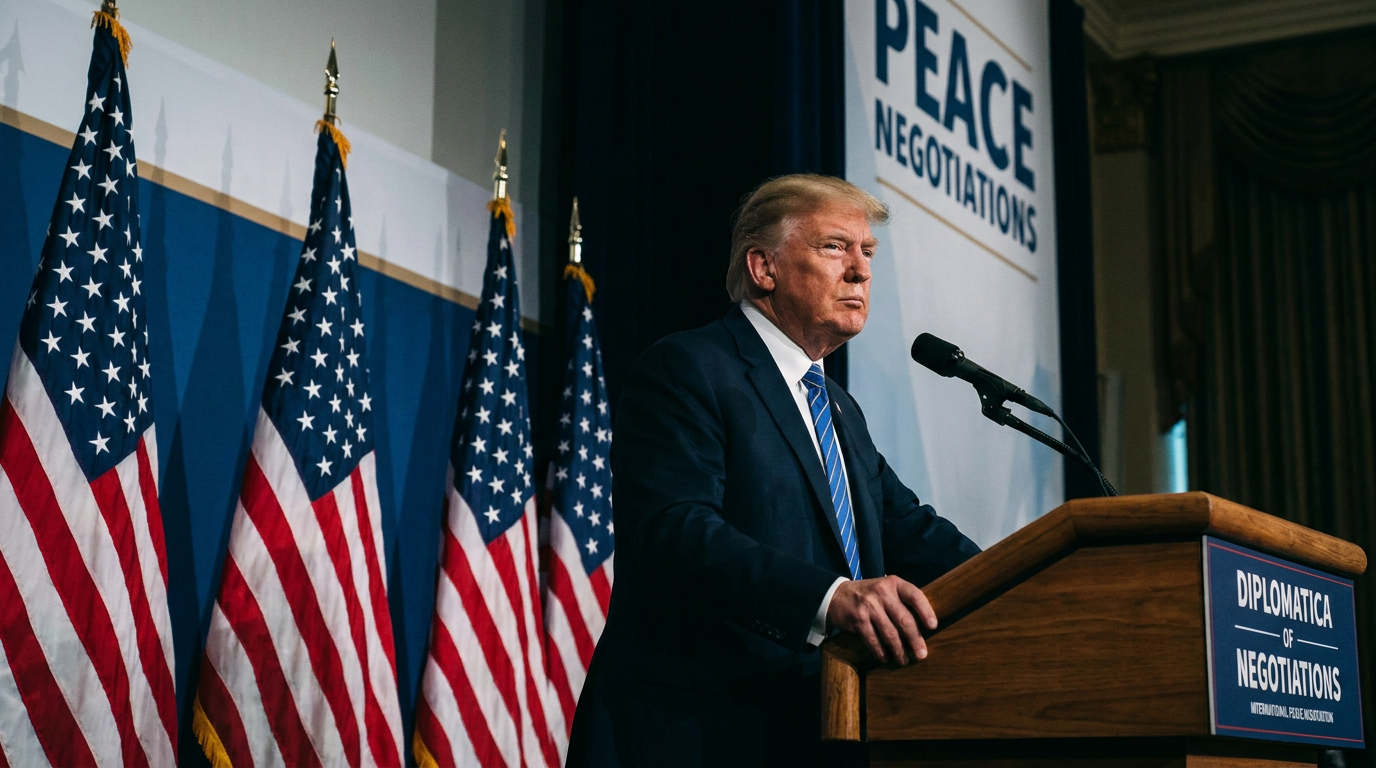
President Donald Trump is urgently working to salvage a preliminary peace agreement between the United States and Iran, aiming to end a volatile three-month conflict in the Middle East. The diplomatic push, which mediators hope to finalize by Sunday, faces severe headwinds following a series of fresh Israeli airstrikes on the Lebanese capital of Beirut. The strikes have threatened to derail the fragile negotiations just as they reach their most critical phase, prompting the U.S. president to publicly demand that all involved parties immediately stand down.[1][2]
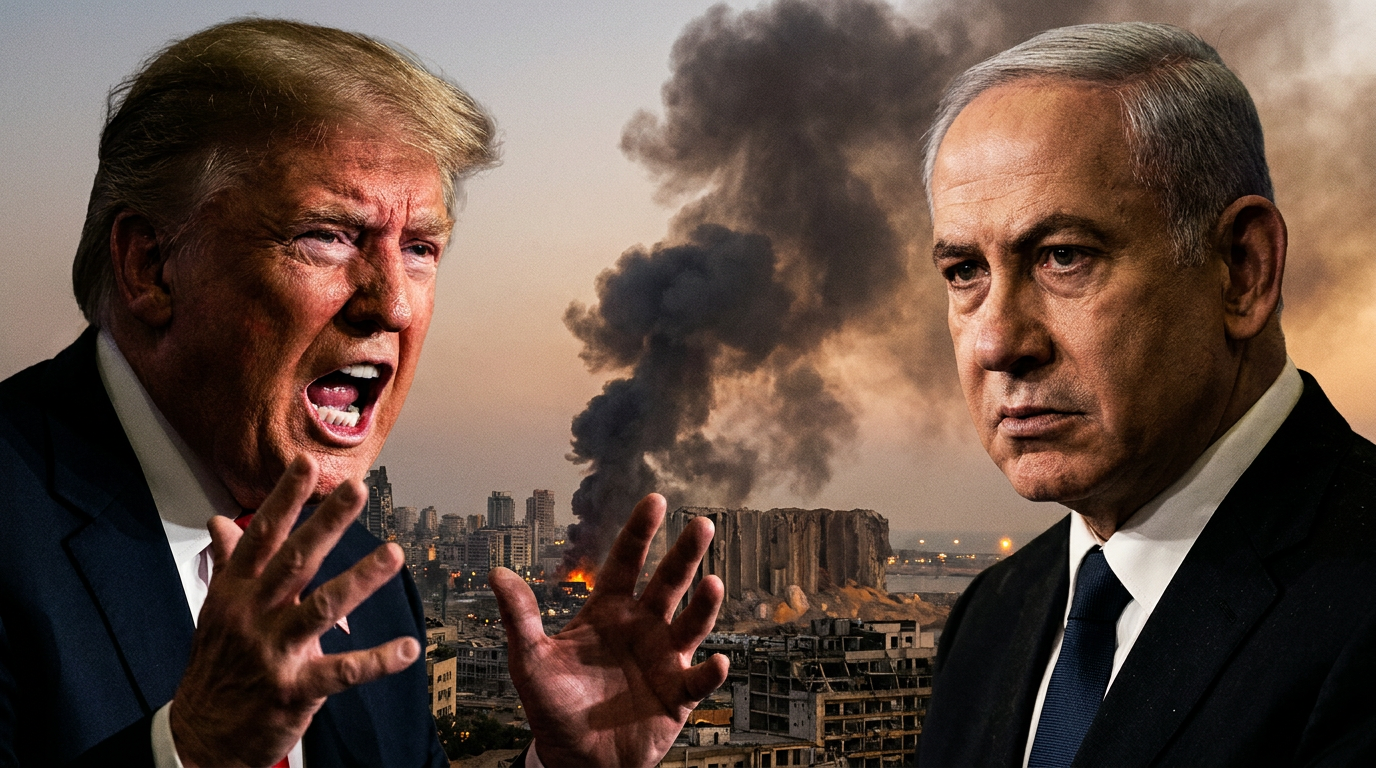
The sudden escalation in Lebanon nearly collapsed the framework of the agreement the moment the munitions struck Beirut. Iranian officials immediately threatened severe retaliation, casting doubt on whether their delegation would proceed with the scheduled signing. In a remarkably candid interview, President Trump expressed intense frustration with Israeli Prime Minister Benjamin Netanyahu, stating that the Israeli leader has "no fucking judgment" for authorizing the strikes at such a delicate diplomatic juncture. Despite the friction, Trump insisted that the U.S.-Iran deal remains firmly on track.[1]
The stakes for the administration are exceptionally high as the president prepares to depart for the G7 summit in France. Originally intended to focus on a broad spectrum of global economic and security issues, the summit's agenda has been entirely eclipsed by the U.S.-led conflict with Iran and the frantic efforts to secure a ceasefire. European allies, who have watched the three-month war disrupt global energy markets and shipping lanes, are heavily invested in the outcome of the Sunday deadline and are looking to Washington for stability.[5][8]

Inside Iran, the proposed peace framework is facing fierce resistance from hardline political factions. Conservative clerics and military leaders have mounted a vociferous campaign to reject the deal, arguing that the current terms amount to a capitulation to Western demands. These hardliners are publicly demanding absolute guarantees regarding the immediate lifting of economic sanctions, financial compensation for damages incurred during the conflict, and undisputed Iranian control over the strategic Strait of Hormuz.[3]
The internal political battle in Tehran has forced backers of the regime and proponents of the diplomatic track onto the defensive. They are actively trying to sell the preliminary agreement to a skeptical domestic audience, emphasizing that a cessation of hostilities is necessary to stabilize the nation's battered economy. The fact that Iranian negotiators are being forced to publicly defend the merits of the proposal highlights the deep divisions within the country's leadership regarding the path forward and the compromises required for peace.[3][7]
The internal political battle in Tehran has forced backers of the regime and proponents of the diplomatic track onto the defensive.
Regional analysts are closely monitoring how the tripartite dynamic between Washington, Tehran, and Jerusalem will unfold in the coming days. The Israeli government's decision to target assets in Beirut—despite the ongoing U.S.-Iran talks—underscores Israel's determination to degrade Iranian proxy networks regardless of Washington's diplomatic timetable. This independent military posture complicates the U.S. administration's ability to offer Iran credible security guarantees across the broader Middle East.[4][8]

For the U.S. administration, securing the deal would represent a massive foreign policy victory and a definitive end to a conflict that has strained American military resources. The proposed framework reportedly includes a comprehensive ceasefire, a phased withdrawal of certain forward-deployed U.S. assets, and a structured roadmap for addressing the underlying nuclear and regional security disputes. However, the exact sequencing of these steps remains a closely guarded secret among the mediating parties.[6][7]
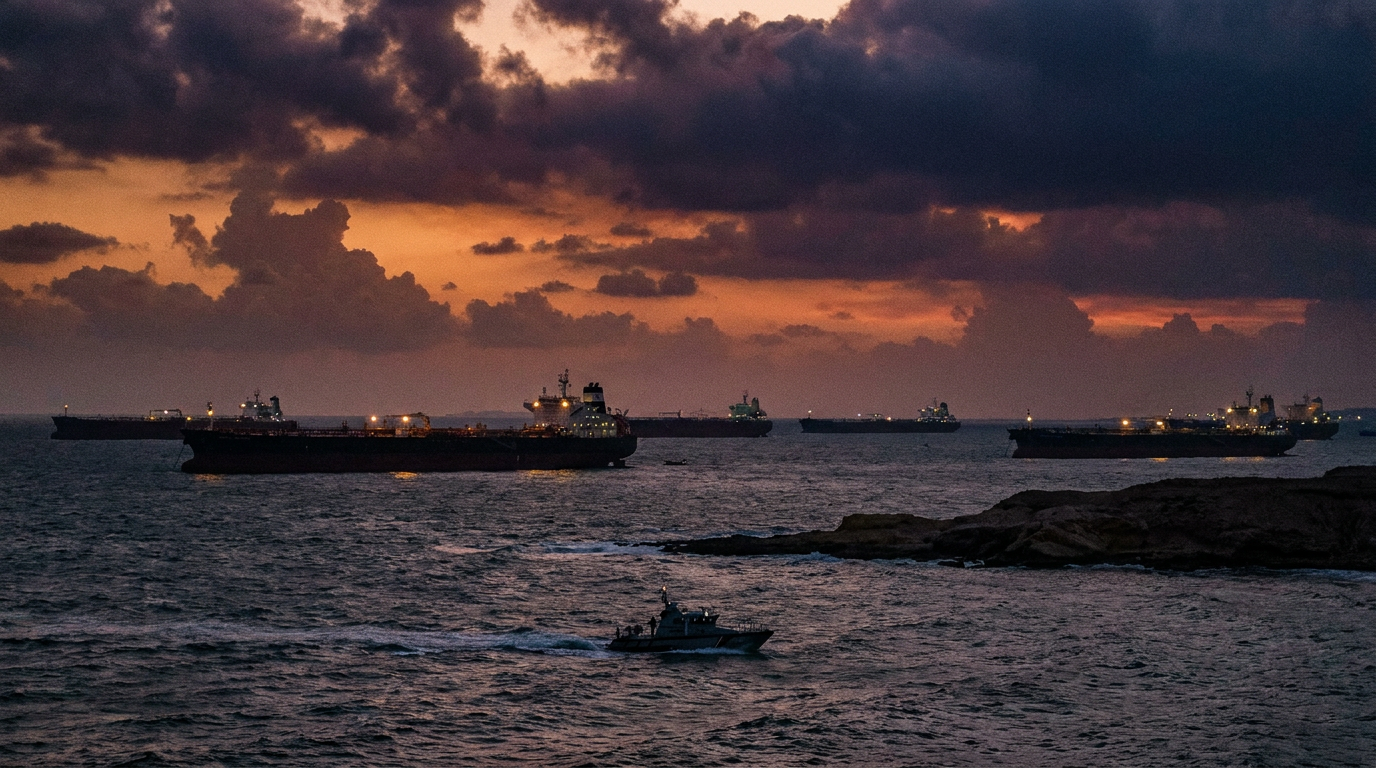
The economic ramifications of the three-month war have been felt globally, particularly in the energy sector. The Strait of Hormuz, a vital maritime chokepoint through which a significant portion of the world's oil supply flows, has been a central flashpoint in the conflict. Ensuring the uninterrupted passage of commercial vessels through this corridor is a primary objective for the U.S. and its European allies, making the maritime security provisions of the peace deal a critical sticking point in the final hours of negotiation.[3][8]

As the Sunday deadline approaches, the diplomatic back-channeling has reached a fever pitch. Mediators from neutral nations are shuttling between U.S. and Iranian representatives, attempting to smooth over the diplomatic crisis triggered by the Beirut strikes. Whether the preliminary agreement can survive the weekend's violence will not only determine the immediate trajectory of the Middle East but also set the tone for President Trump's engagements with global leaders at the impending G7 summit.[2][5][7]
Ultimately, the success or failure of the Sunday signing will hinge on whether both Washington and Tehran can absorb the political shocks generated by the Beirut strikes without abandoning the negotiating table. With hardliners in Iran threatening to walk away and Israel demonstrating its willingness to act unilaterally, the U.S. administration is navigating one of the most complex diplomatic minefields in recent history. The coming hours will dictate whether the region steps back from the brink of a wider war or plunges deeper into conflict.[1][4][7]
How we got here
March 2026
The current U.S.-led conflict with Iran begins, escalating regional tensions.
Early June 2026
Mediators establish a framework for a preliminary peace agreement between Washington and Tehran.
June 13, 2026
Israel launches fresh airstrikes on Beirut, threatening to derail the fragile negotiations.
June 14, 2026
President Trump calls for restraint and pushes to finalize the deal by the Sunday deadline.
Viewpoints in depth
U.S. Administration's View
The White House is prioritizing a swift diplomatic resolution to end the conflict.
For the U.S. administration, finalizing the preliminary agreement is viewed as a necessary step to untangle American military assets from a volatile regional conflict. Officials argue that securing a ceasefire before the G7 summit will project strength and stability to European allies who have been deeply concerned about the economic fallout of the three-month war. The administration's frustration with the Beirut strikes stems from a belief that unilateral military actions by allies undermine the delicate diplomatic leverage required to bring Tehran to the table.
Iranian Hardliners' View
Conservative factions in Tehran view the current terms as an unacceptable capitulation.
Hardline clerics and military commanders in Iran argue that the proposed preliminary deal heavily favors Western interests without providing concrete, irreversible benefits to Tehran. They assert that any agreement must include immediate and total sanctions relief, rather than a phased approach, and demand explicit recognition of Iranian authority over the Strait of Hormuz. These factions view the recent Israeli strikes in Lebanon as proof that the U.S. cannot guarantee regional security, using the attacks to bolster their argument against signing the accord.
Israeli Leadership's View
Israel maintains its right to conduct independent military operations against regional threats.
Despite intense pressure from Washington to pause military operations during the peace talks, Israeli leadership argues that it cannot allow Iranian proxy networks in Lebanon to operate unchecked. From their perspective, the U.S.-Iran negotiations do not negate Israel's immediate national security imperatives. The decision to strike targets in Beirut reflects a strategic calculation that degrading hostile infrastructure takes precedence over the diplomatic timetables set by international mediators.
What we don't know
- Whether the Iranian delegation will actually sign the agreement on Sunday following the Beirut strikes.
- The exact sequencing of sanctions relief and military drawdowns outlined in the preliminary framework.
- How European allies at the G7 will respond if the peace deal collapses over the weekend.
Key terms
- Strait of Hormuz
- A highly strategic waterway between the Persian Gulf and the Gulf of Oman through which a significant portion of the world's oil supply passes.
- G7 Summit
- An annual meeting of the leaders of seven of the world's advanced economies to discuss global security and economic policies.
- Preliminary Peace Deal
- An initial framework agreement that establishes a ceasefire and outlines the core terms for a future, more comprehensive treaty.
Frequently asked
What is the Sunday deadline?
Sunday is the target date set by mediators for the U.S. and Iran to sign a preliminary peace agreement to end their three-month conflict.
How did the Beirut strikes affect the deal?
Israeli airstrikes in Beirut nearly collapsed the negotiations, prompting Iranian threats of retaliation and forcing President Trump to call for restraint.
What do Iranian hardliners want?
They are demanding guaranteed sanctions relief, financial compensation, and control over the Strait of Hormuz before agreeing to any peace terms.
Why is the G7 summit relevant?
President Trump is scheduled to attend the G7 summit in France, where the U.S.-led conflict with Iran and the potential peace deal will dominate discussions with European allies.
Sources
Source coverage
8 outlets
3 viewpoints surfaced







[1]AxiosU.S. Administration & Mediators
Trump to Axios: Netanyahu has "no fucking judgment" but Iran deal still on
Read on Axios →[2]The GuardianIranian Hardliners
Trump calls for restraint after Israel launches fresh airstrikes on Beirut
Read on The Guardian →Iranian hardliners in vociferous push to reject proposed peace deal with US
Read on The Guardian →[4]Al JazeeraRegional Security Analysts
Analyst says what attacks on Lebanon could mean for potential US-Iran deal
Read on Al Jazeera →[5]NPRU.S. Administration & Mediators
The U.S.-led war in Iran will dominate Trump's G7 trip to France
Read on NPR →[6]Fox NewsU.S. Administration & Mediators
Trump pushes for historic Middle East peace deal ahead of G7 summit
Read on Fox News →[7]ReutersRegional Security Analysts
US-Iran peace talks reach critical juncture following Beirut strikes
Read on Reuters →[8]The New York TimesRegional Security Analysts
In Final Push for Iran Deal, Trump Faces Resistance from Allies and Adversaries
Read on The New York Times →
More in news politics
See all 6 stories →US-Iran Relations
US-Iran Peace Deal Thrown Into Chaos After Israeli Strike on Beirut
0 sources
Middle East Peace
Trump Condemns Israeli Strike on Beirut as U.S.-Iran Peace Deal Hangs in the Balance
0 sources
Universal Meals
Fact-Checking the Impact of Universal Free School Meals: The 2026 Evidence Pack
0 sources

Deepfake Detection
How Open-Source AI Fact-Checking Tools Are Catching Deepfakes in 2026
0 sources

Every angle. Every day.
Get news politics stories with full source coverage and perspective breakdowns delivered to your inbox.