
How World Boxing Saved the Sport's Olympic Future for LA 2028
After the unprecedented expulsion of its former governing body, amateur boxing has secured its place at the Los Angeles 2028 Games under a new, reform-minded federation.
Share this story
For nearly two years, the oldest combat sport in the Olympic program was effectively dead in the water. Following decades of judging scandals, financial opacity, and deep-seated governance failures, the International Olympic Committee took the drastic step of stripping boxing from the initial Los Angeles 2028 schedule. The decision sent shockwaves through the amateur ranks, leaving thousands of young fighters without a pinnacle to strive for and threatening to sever the vital funding pipelines that sustain local gyms worldwide.[2][3]
Now, midway through 2026, the sport has not only been resurrected but fundamentally restructured from the ground up. The IOC has officially reinstated boxing for the LA 2028 Games, handing the reins to a newly formed governing body called World Boxing.
This monumental shift ends a period of intense anxiety for the global boxing community and establishes a new framework designed to prioritize transparency and athlete welfare over boardroom politics. The reinstatement is being celebrated as a massive victory for the national federations that took the massive risk of breaking away from the established order to save their sport's Olympic future.[3]
The reinstatement marks the end of a bitter institutional war and the beginning of a new era for amateur fighters. With 14 medal events planned for Los Angeles—achieving full gender parity for the first time in Olympic history—the focus has finally shifted from legal battles in Switzerland back to the canvas. For the athletes currently grinding through the 2026 World Boxing Cup circuit, the clarity of a guaranteed Olympic pathway provides the necessary motivation to endure the grueling four-year cycle of international competition.[2][4]
To understand how boxing managed to save itself, it is necessary to look at why it collapsed in the first place. For the vast majority of its history, international amateur boxing was governed by a single monolithic organization: the International Boxing Association, formerly known as AIBA.
This body sanctioned the Olympic tournaments, ran the World Championships, and oversaw national federations in nearly 200 countries, wielding absolute control over the amateur ranks. However, that absolute control eventually gave way to systemic rot, setting the stage for a dramatic showdown with the Olympic movement's highest authorities.[2]
By the late 2010s, the IBA had become synonymous with corruption and administrative dysfunction. The IOC cited severe governance failures, massive financial mismanagement, and widespread manipulation of bout officiating that robbed countless fighters of their rightful victories. The situation deteriorated so severely that the IOC suspended the IBA in 2019 and took the unprecedented step of running the Tokyo 2020 and Paris 2024 boxing tournaments itself through specially created task forces, effectively sidelining the sport's official governing body.[3]
In June 2023, the IOC delivered the final, fatal blow to the old regime, permanently expelling the IBA. It was the first time in Olympic history that an international federation was entirely removed from the movement. The IOC issued a stark ultimatum: unless the sport's national federations banded together to build a new, credible, and transparent international governing body, boxing would not be part of the Los Angeles Games. The sport was given a ticking clock to reform or face Olympic extinction.[2][3]
Enter World Boxing. Launched in April 2023 by a breakaway coalition of national federations known as the Common Cause Alliance, the new federation was built specifically to meet the IOC's stringent demands. From day one, the organization focused on implementing independent oversight mechanisms, strict anti-doping compliance, and a transparent financial structure.
It was a massive gamble for the founding nations, who faced threats of suspension and retaliation from the exiled IBA for their defection. Yet, the promise of preserving the Olympic dream proved stronger than the fear of reprisal, sparking a mass exodus of federations eager for a clean slate.[2][5]
The growth of World Boxing was remarkably rapid, defying expectations that the sport was too fractured to unite. Starting with just 18 charter nations, the organization aggressively recruited national federations by promising a clean break from the toxic legacy of the past. By early 2026, its membership had swelled to an impressive 180 national federations. This roster includes traditional boxing powerhouses like USA Boxing and GB Boxing, providing the new entity with the critical mass necessary to claim legitimate global representation.[2][5]
The turning point in this institutional rebuild arrived in early 2025. After a rigorous, multi-month assessment of World Boxing's governance structures, financial audits, and adherence to the World Anti-Doping Code, the IOC granted the organization provisional recognition in February 2025.
This critical milestone signaled that the new federation had successfully met the baseline criteria for integrity and operational competence, clearing the path for the ultimate prize: formal Olympic reinstatement. The provisional status allowed the IOC to observe the federation's operations during the 2025 World Championships, ensuring their promises of fair play held up under the pressure of live competition.[3]
One month later, at the 144th IOC Session in Costa Navarino, Greece, the final hurdle was cleared. The IOC unanimously voted to include boxing on the LA 2028 sports program, officially recognizing World Boxing as the sport's international federation.
The announcement triggered widespread celebration across the amateur boxing landscape, with national federations issuing statements of relief and athletes taking to social media to celebrate the revival of their ultimate competitive goal. For the administrators who had spent two years locked in tense negotiations and bureaucratic restructuring, the unanimous vote served as a powerful validation of their reform efforts.[3]
The leadership of this new era brings significant star power and deep institutional knowledge to the table. Former two-time middleweight world champion and 2004 Olympic silver medalist Gennady Golovkin was tapped to lead World Boxing, bringing immediate, undeniable credibility to the organization.
As a universally respected figure who navigated both the amateur and professional ranks with distinction, Golovkin serves as the perfect bridge between the sport's gritty reality and its polished Olympic aspirations. His presence at the helm signals to skeptical observers that the federation is genuinely committed to an athlete-first philosophy.[1]
Golovkin's mandate extends far beyond simply acting as a figurehead or organizing routine tournaments. His administration is tasked with implementing cutting-edge technology to guarantee fair judging, ensuring absolute financial transparency, and expanding developmental opportunities for athletes globally. By focusing heavily on the integrity of the scoring system—the very issue that doomed the IBA—the new leadership aims to permanently eradicate the shadow of corruption that has haunted Olympic boxing for decades. The introduction of independent vetting panels for referees and judges represents a core pillar of this new operational strategy.[1]
The LA 2028 tournament itself will look markedly different from its predecessors, reflecting a modernized approach to the sport. The IOC and World Boxing have confirmed a total of 14 weight classes for the Games—seven for men and seven for women.
This structural change closes the lingering gap from Paris 2024, which featured seven men's and six women's divisions, finally achieving true, historic gender parity in the Olympic boxing ring. The addition of the seventh women's weight class provides crucial new opportunities for female fighters, ensuring that athletes are not forced into dangerous weight cuts to fit into limited divisional slots.[2]
A total of 248 athletes—split evenly between 124 men and 124 women—will compete in Los Angeles. The preliminary bouts are slated to take place at the Peacock Theater, with the high-stakes medal rounds moving to the massive Crypto.com Arena.
Placing the finals in one of the world's most famous sporting venues underscores the IOC's renewed confidence in the sport's marketability and its enduring appeal as a marquee Olympic event. For the fighters who secure their tickets to California, the prospect of fighting for gold under the bright lights of Los Angeles represents the absolute pinnacle of amateur combat sports.[2]
For the athletes themselves, the reinstatement provides desperately needed clarity and a tangible timeline. The 2026 calendar is now packed with World Boxing Cup events across the globe, allowing fighters to build their international records and secure crucial seeding points ahead of the continental qualification tournaments in 2027.
Without this structured pathway, many elite amateurs would have been forced to abandon their Olympic dreams and turn professional prematurely just to make a living. Now, national high-performance programs can confidently allocate funding and tailor their training cycles specifically for the grueling road to Los Angeles.[2][4]
While the Olympic dream is secure, World Boxing still faces significant operational challenges in the years ahead. The organization must prove that its new, independent judging protocols can withstand the intense pressure of Olympic qualification, where the margins between victory and defeat are razor-thin and national pride is on the line.
Any hint of the scoring controversies that plagued the IBA era could quickly erode the hard-won trust of the IOC and the global public. Maintaining absolute vigilance over the integrity of the referees and judges remains the single most critical task for Golovkin's administration.[1][2]
Furthermore, the exiled IBA continues to operate in the background, attempting to maintain relevance by offering highly lucrative prize money at its own unsanctioned world championship events. This creates an ongoing tug-of-war for talent, particularly in developing nations where immediate financial rewards can be incredibly tempting for young fighters.
World Boxing must ensure that the prestige of the Olympic medal, coupled with clean governance, remains the ultimate draw for the world's best amateur talent. Navigating this fractured landscape requires deft diplomacy and continued financial support from major national federations to keep athletes focused on the Olympic pathway.[2]
Ultimately, the successful rebuild of Olympic boxing serves as a powerful blueprint for international sports governance. By forcing a complete institutional reset, the IOC and the global boxing community managed to excise decades of entrenched corruption. They proved that a sport can be saved from its own leadership if the athletes and national federations are willing to demand better.
Ultimately, the successful rebuild of Olympic boxing serves as a powerful blueprint for international sports governance.
Key points
- The IOC has officially reinstated boxing for the LA 2028 Olympics after a period of uncertainty.
- The sport will be governed by World Boxing, a new federation formed in 2023 to replace the expelled IBA.
- LA 2028 will feature 14 boxing medal events, achieving full gender parity for the first time.
- Former middleweight champion Gennady Golovkin leads the new organization.
- World Boxing has rapidly grown to include 180 national federations.
How we got here
2019
IOC suspends the IBA over judging and governance scandals.
April 2023
World Boxing is formed by a breakaway coalition of national federations.
June 2023
IOC permanently expels the IBA from the Olympic movement.
February 2025
World Boxing receives provisional recognition from the IOC.
March 2025
IOC officially reinstates boxing for the LA 2028 Games.
Late 2025
Gennady Golovkin is elected president of World Boxing.
- World Boxing Leadership
- Focuses on the restoration of integrity and the successful campaign to save the sport's Olympic status.
- Athletes & Coaches
- Emphasizes the relief of having a clear qualification pathway and the historic achievement of gender parity.
- Sports Governance Analysts
- Cautiously optimistic but wary of the immense pressure the new judging systems will face during qualifiers.
Perspectives this story doesn't cover
- The exiled International Boxing Association (IBA) leadership
- Fighters from nations not yet affiliated with World Boxing
Sources
Source coverage
5 outlets
3 viewpoints surfaced




- [1]The GuardianSports Governance Analysts
World Cup 2026: Mexico v England buildup, France battle past Paraguay, Morocco march on – live
Read on The Guardian → - [2]Boxing InsiderAthletes & Coaches
The International Path to 2028: How Olympic Boxing Was Rebuilt
Read on Boxing Insider → - [3]International Olympic CommitteeWorld Boxing Leadership
Boxing to be part of LA28 sports programme
Read on International Olympic Committee → - [4]USA BoxingWorld Boxing Leadership
IOC Executive Board Announces Olympic-Style Boxing Will be Included on LA28 Olympic Schedule
Read on USA Boxing → - [5]England BoxingWorld Boxing Leadership
England Boxing Delighted as IOC Confirms Boxing for LA 2028
Read on England Boxing →
More in Sports
See all →Standings
Lightweight Boxing Standings: Abdullah Mason Defends WBO Crown as Muratalla Surges in 2026 Title Race
2 sources
Standings
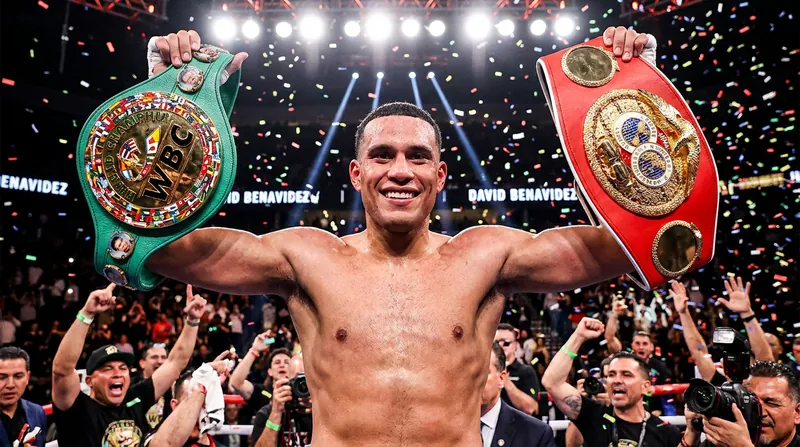
Cruiserweight Standings: Benavidez and Opetaia Rule 200 Pounds as Unification Race Heats Up
3 sources
Injury
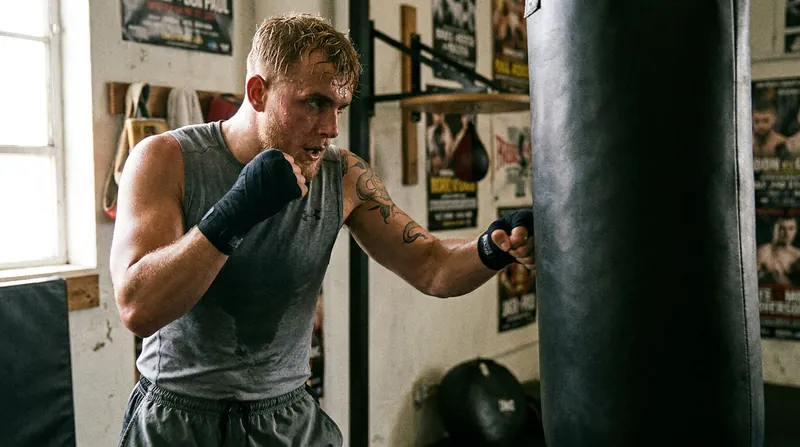
Jake Paul Cleared to Resume Training Following Double Jaw Fracture, Targets Late 2026 Return
2 sources
Standings
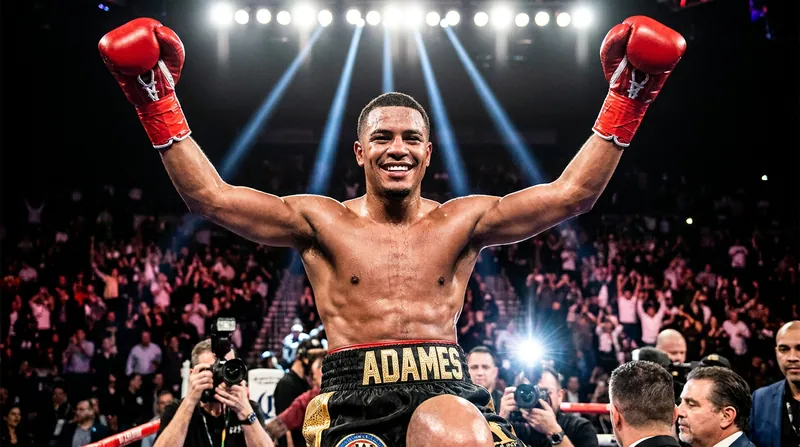
Carlos Adames Vacates Middleweight Crown to Enter Loaded 168-Pound Title Race
3 sources
Comments
Every angle. Every day.
Get Sports stories with full source coverage and perspective breakdowns, free every day.