
U.S. Nears Historic Iran Deal as Israeli Strikes in Beirut Complicate Final Negotiations
The United States and Iran are on the verge of signing a major peace agreement to reopen the Strait of Hormuz and address Tehran's nuclear program. However, recent Israeli airstrikes in Beirut have drawn sharp criticism from President Trump and threatened to derail the fragile diplomatic process.
By Factlen Editorial Team
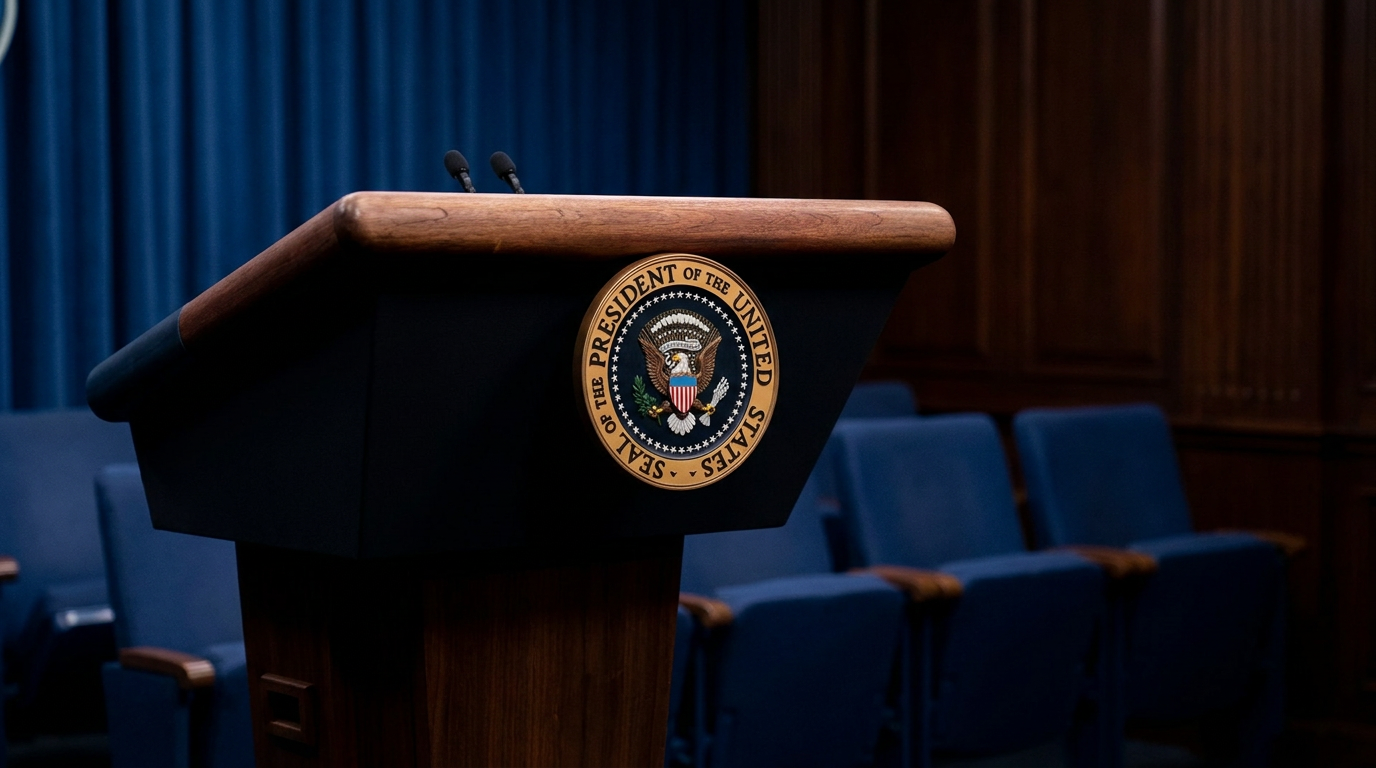
- U.S. Diplomatic Push
- Focused on securing a regional ceasefire, stabilizing oil markets, and containing Iran's nuclear ambitions.
- Israeli Security Establishment
- Prioritizes immediate tactical defense against Hezbollah and views the Iran deal as dangerously incomplete.
- Iranian Negotiators
- Seeks maximum sanctions relief and an end to Israeli strikes in Lebanon in exchange for maritime concessions.
What's not represented
- · Lebanese civilians caught in the crossfire of Israeli strikes and Hezbollah operations.
- · European allies who rely heavily on the energy markets stabilized by the Strait of Hormuz.
Why this matters
A finalized U.S.-Iran deal would fundamentally reshape Middle Eastern security alliances and stabilize global energy markets by reopening a critical shipping choke point. However, the growing rift between Washington and Jerusalem over the terms could alter the long-standing U.S.-Israel relationship.
Key points
- The U.S. and Iran are nearing a 60-day Memorandum of Understanding to end their conflict.
- The deal would reopen the Strait of Hormuz and lift the U.S. blockade on Iranian ports.
- Israeli airstrikes on Hezbollah in Beirut killed three people, complicating the final negotiations.
- President Trump strongly condemned the Israeli strikes, urging all sides to 'stand down.'
- Israeli leaders fear the deal leaves fundamental security threats from Iranian proxies unaddressed.
- Iran has threatened to halt talks if the U.S. cannot stop Israeli military actions in Lebanon.
The United States and Iran are on the precipice of a historic diplomatic breakthrough, with officials preparing to sign a Memorandum of Understanding that would extend a fragile ceasefire, reopen the Strait of Hormuz, and lay the groundwork for dismantling Tehran's nuclear program. Mediated by Pakistan and Qatar, the agreement aims to end months of direct and proxy conflict that has severely disrupted global energy markets and drawn the U.S. military into a naval blockade of Iranian ports.[6][7]
President Donald Trump had publicly forecasted that the deal would be electronically signed on Sunday, coinciding with his 80th birthday. The proposed framework requires Iran to guarantee safe passage through the Strait of Hormuz—a conduit that historically handled 20 percent of the world's oil shipments—in exchange for the U.S. lifting its blockade and initiating the release of billions in frozen Iranian assets.[5][7]
However, the final hours of negotiations were thrown into chaos by an Israeli airstrike on the southern suburbs of Beirut. The Israel Defense Forces targeted a Hezbollah command center in the Dahiyeh neighborhood, a known stronghold for the Iran-backed militant group, in response to drone attacks launched toward northern Israel. The strike reportedly killed three people and wounded 15, prompting immediate outrage from Tehran.[4][5]

The military action triggered a furious public response from President Trump, who took to Truth Social to condemn the operation. He argued that the Israeli strike "should not have happened, particularly on a special day when we are so close to a Peace Deal with Iran." Trump characterized the initial Hezbollah drone fire that Israel was responding to as "small and meaningless," urging all sides to "stand down" and warning that the diplomatic process must not be blown up at the finish line.[4][5]
The public rebuke underscores a deepening rift between the White House and Israeli Prime Minister Benjamin Netanyahu. Analysts note that Trump has grown increasingly weary of Netanyahu's resistance to U.S. demands to curb military action in Lebanon. Reports suggest the relationship has frayed to the point where Israeli officials fear a fundamental "flip" in U.S. policy, as Washington prioritizes a regional settlement over Jerusalem's immediate tactical objectives against Hezbollah.[3][7]
The public rebuke underscores a deepening rift between the White House and Israeli Prime Minister Benjamin Netanyahu.
Within Israel, discontent over the emerging U.S.-Iran deal spans the political spectrum. Israeli leaders and opposition figures alike argue that the agreement appears to leave fundamental security threats unaddressed. By focusing heavily on maritime security and a delayed framework for nuclear talks, Israelis fear the deal effectively grants Iran sanctions relief without forcing it to dismantle its proxy networks in Lebanon, Syria, and Yemen.[1][6]

Israel has maintained that it is not a party to the U.S.-Iran negotiations and retains the right to self-defense. Demonstrating this posture, the IDF recently announced the elimination of Ali Musa Daqduq, a senior Hezbollah commander accused of orchestrating the 2007 kidnapping and murder of five American soldiers. The operation highlights Israel's ongoing commitment to degrading Hezbollah's leadership, regardless of the diplomatic timeline in Islamabad and Doha.[1][3]
In Tehran, the Beirut strikes provided hardliners with ammunition to question Washington's reliability. Mohammad Bagher Ghalibaf, Iran's parliament speaker and top negotiator, threatened to halt the talks entirely. He stated that the Israeli incursion into Beirut demonstrated that the United States "either lacks the will to fulfill its commitments or the ability to do so," insisting that any comprehensive deal must include an end to Israeli operations in Lebanon.[5][7]
Despite the harsh rhetoric from Tehran, U.S. officials remain confident that the economic incentives will keep Iran at the table. Following the Beirut strikes, Trump acknowledged in a phone call with Axios that the signing had been delayed by a "few hours" but insisted the framework remained intact. U.S. Defense Secretary Pete Hegseth echoed this optimism, stating that securing safe passage through the Strait of Hormuz was already underway.[5][6]
The diplomatic maneuvering extends beyond the Middle East. Over the weekend, Trump held a phone call with Russian President Vladimir Putin, during which the two leaders discussed the imminent Iran deal. According to Russian state media, Trump also used the call to express his readiness to help broker an end to the ongoing war in Ukraine, signaling a broad push by the administration to resolve multiple global conflicts simultaneously.[2]

If finalized, the 60-day Memorandum of Understanding will serve as a bridge to more complex technical talks regarding Iran's nuclear program. U.S. officials have indicated that the ultimate goal is the complete dismantling of Iran's highly enriched uranium stockpiles. However, Iranian officials have cautioned domestic audiences against speculative reporting, maintaining that they have not agreed to permanently dismantle their civilian nuclear infrastructure.[6][7]
For now, the region remains in a precarious holding pattern. The U.S. military continues to enforce its blockade while simultaneously preparing for a stand-down order, and Israel remains on high alert for retaliatory fire from Hezbollah. The coming days will determine whether Washington's diplomatic pressure can successfully thread the needle between Iranian demands for sanctions relief and Israeli imperatives for border security.[1][5][7]
How we got here
April 8, 2026
A temporary truce halts the heaviest direct fighting between U.S. and Iranian forces.
Early June 2026
Negotiations mediated by Pakistan and Qatar accelerate toward a formal Memorandum of Understanding.
June 13, 2026
President Trump announces that a historic peace deal is scheduled to be signed on Sunday.
June 14, 2026
Israel launches airstrikes on Beirut; Trump condemns the action and Iran threatens to walk away from talks.
Viewpoints in depth
U.S. Administration's view
Prioritizes finalizing the deal to stabilize global markets and end the immediate conflict.
The White House views the Memorandum of Understanding as a critical foreign policy victory that will reopen the Strait of Hormuz, lower global energy prices, and initiate the dismantling of Iran's nuclear program. The administration is deeply frustrated by Israeli military actions in Lebanon, which they believe unnecessarily jeopardize the fragile diplomatic progress at the eleventh hour. U.S. officials argue that a broader regional peace agreement is the most effective way to ensure long-term security for all allies, including Israel.
Israeli Leadership's view
Fears the agreement provides Iran with economic relief without neutralizing proxy threats.
Across the political spectrum, Israeli leaders are deeply skeptical of the emerging deal. They argue that lifting the blockade and unfreezing billions in Iranian assets will only embolden Tehran to further fund proxy groups like Hezbollah and Hamas. Jerusalem insists that it is not bound by the U.S.-Iran negotiations and maintains that it must retain absolute freedom of military action to degrade Hezbollah's capabilities in Lebanon, regardless of Washington's diplomatic timeline.
Iranian Leadership's view
Demands an end to Israeli strikes and immediate sanctions relief as prerequisites for peace.
Tehran approaches the negotiations demanding tangible economic relief, specifically the lifting of the U.S. naval blockade and access to frozen assets. Iranian negotiators have repeatedly stated that any comprehensive peace must include a cessation of Israeli military operations in Lebanon. Hardliners within the Iranian government view the recent strikes on Beirut as proof that the U.S. cannot control its ally, threatening to walk away from the table if Washington cannot guarantee a halt to Israeli incursions.
What we don't know
- Whether Iran will formally sign the agreement if Israel continues its military campaign against Hezbollah in Lebanon.
- The exact technical mechanisms that will be used to dismantle Iran's highly enriched uranium stockpiles.
- How the U.S. Congress will react to the unfreezing of billions of dollars in Iranian assets.
Key terms
- Strait of Hormuz
- A narrow, strategically vital waterway between the Persian Gulf and the Gulf of Oman, through which roughly 20 percent of the world's oil shipments pass.
- Memorandum of Understanding (MoU)
- A formal agreement between two or more parties that establishes a framework for cooperation, often used as a precursor to a binding treaty.
- Dahiyeh
- A predominantly Shia Muslim suburb south of Beirut, Lebanon, known as a major stronghold and command center for Hezbollah.
Frequently asked
What does the U.S.-Iran deal actually do?
The proposed 60-day agreement extends a ceasefire, reopens the Strait of Hormuz to global shipping, lifts the U.S. naval blockade on Iran, and sets the stage for talks to dismantle Iran's nuclear program.
Why is Israel upset about the agreement?
Israeli leaders believe the deal provides Iran with massive economic relief without forcing Tehran to stop funding and arming proxy militant groups like Hezbollah, which directly threaten Israel.
How did the Beirut airstrikes affect the talks?
The Israeli strikes on Hezbollah targets in Beirut angered Iran, leading its top negotiator to threaten to walk away from the table. It also caused a public rift between President Trump and Israeli Prime Minister Netanyahu.
Sources
Source coverage
7 outlets
3 viewpoints surfaced







[1]The New York TimesIsraeli Security Establishment
In Israel, Broad Discontent Over the Emerging U.S. Deal With Iran
Read on The New York Times →[2]The GuardianU.S. Diplomatic Push
Trump reportedly tells Putin he is prepared to help end war in Ukraine
Read on The Guardian →[3]Fox NewsIsraeli Security Establishment
Israel fears Trump weary of ‘highly suspicious’ Netanyahu and could 'flip' amid Iran deal: analyst
Read on Fox News →[4]Al JazeeraIranian Negotiators
Trump says Israeli attacks on Beirut unjustified, puts Iran deal at risk
Read on Al Jazeera →[5]Financial TimesU.S. Diplomatic Push
Donald Trump warns Israel and Hizbollah to 'stand down' after Beirut strike
Read on Financial Times →[6]Times of IsraelIsraeli Security Establishment
US-Iran deal to be signed Sunday, contradicting Tehran
Read on Times of Israel →[7]Al ArabiyaU.S. Diplomatic Push
US, Iran inch closer to deal, Trump says Sunday but timing remains unclear
Read on Al Arabiya →

More in news politics
See all 5 stories →
Every angle. Every day.
Get news politics stories with full source coverage and perspective breakdowns delivered to your inbox.