
US-Iran Peace Deal Thrown Into Chaos After Israeli Strike on Beirut
A historic agreement to end the four-month US-Iran war was nearly derailed Sunday by an Israeli airstrike in Lebanon, prompting a furious response from President Trump.
By Factlen Editorial Team
- US Administration
- Argues the deal is essential to reopen global shipping lanes and halt Iran's nuclear progress, prioritizing immediate de-escalation over Israeli tactical strikes.
- Israeli Government
- Views the agreement as a dangerous concession that enriches Tehran without dismantling its proxy network, maintaining the right to strike Hezbollah regardless of US diplomatic timelines.
- Iranian Negotiators
- Seeks sanctions relief and the unfreezing of assets to rescue the domestic economy, but demands guarantees that the US can control Israeli military actions.
- Iranian Hardliners
- Opposes the deal entirely, viewing any compromise with Washington as capitulation and demanding immediate military retaliation for the Beirut strike.
What's not represented
- · Lebanese Civilians
- · Global Oil Importers
Why this matters
A collapse of this peace agreement would prolong a devastating four-month war, keeping the critical Strait of Hormuz closed, guaranteeing continued high global energy prices, and risking a wider regional conflagration.
Key points
- The US and Iran were hours away from signing a peace deal when Israeli airstrikes hit Beirut.
- President Trump furiously condemned Israeli Prime Minister Benjamin Netanyahu, stating he has 'no judgment.'
- The draft agreement requires Iran to reopen the Strait of Hormuz and dilute its highly enriched uranium.
- In exchange, the US would waive oil sanctions and unfreeze an estimated $25 billion in Iranian assets.
- Iranian officials contradicted Trump's timeline, stating the deal will not be signed on Sunday.
- Qatari and Pakistani mediators are working urgently to salvage the agreement and prevent further military escalation.
The United States and Iran were hours away from signing a historic peace agreement to end a devastating four-month war when Israeli airstrikes hit the Lebanese capital of Beirut on Sunday, throwing the entire diplomatic effort into chaos.[1][2]
President Donald Trump, who has staked significant political capital on brokering the ceasefire, erupted in fury at Israeli Prime Minister Benjamin Netanyahu. In a blunt phone call with Axios, Trump stated that the Israeli leader has "no f***ing judgment," revealing the depth of the rift between Washington and Jerusalem over the conflict's endgame.[1][3]
"Why did Bibi have to do a f***ing attack? I was so pissed off. I let him know," Trump said, noting that the strike occurred just an hour before the deal was scheduled to be signed.[1]
Despite the eleventh-hour crisis, Trump insisted on Sunday that the memorandum of understanding remains on track to be signed electronically within hours. He took to his Truth Social platform to publicly urge restraint, writing that the Beirut attack "should not have happened" and pleading with all sides, "Let's not blow it!"[1][6]

The stakes of the agreement are monumental. The four-month conflict, which escalated sharply following the death of Iranian Supreme Leader Ali Khamenei in a joint US-Israeli strike, has strangled global energy markets and triggered a worldwide oil crisis.[4]
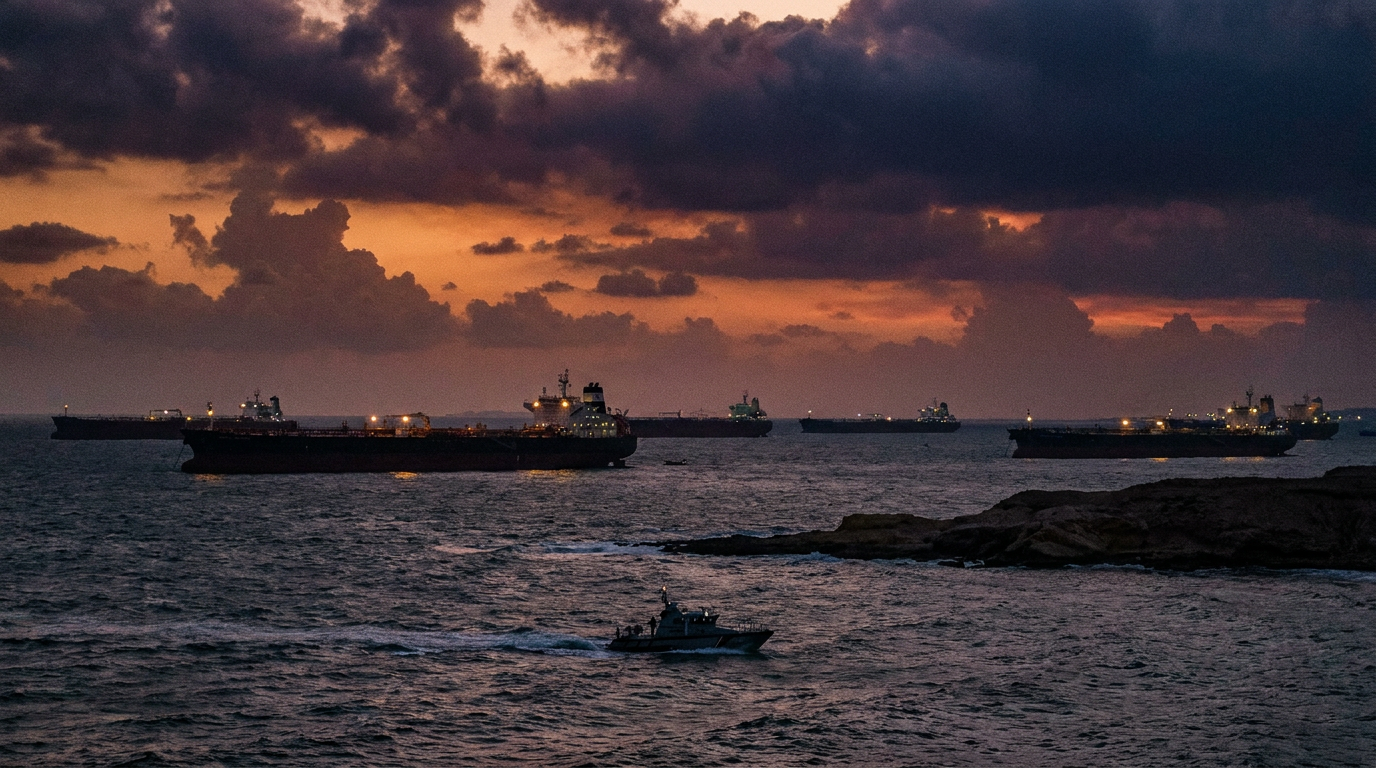
Under the draft terms circulated by Qatari and Pakistani mediators, the deal hinges on a massive economic and security exchange. Iran would immediately reopen the Strait of Hormuz to all commercial vessels, ending a blockade that has choked off a critical artery for global oil shipments.[4][5]
In return, the United States would lift its naval blockade on Iranian ports and waive oil sanctions for a specified period. This waiver would allow Tehran to legally sell crude oil and receive revenues, providing a vital lifeline to its battered economy.[2][5]
In return, the United States would lift its naval blockade on Iranian ports and waive oil sanctions for a specified period.
The agreement also requires the US to unfreeze an estimated $25 billion in Iranian assets, reportedly through direct cash transfers, while committing not to impose any new sanctions until a final, comprehensive treaty is reached.[2]

The nuclear component of the deal—a central focus for Washington—requires Tehran to commit to neither producing nor acquiring nuclear weapons. Iran must dilute its existing stockpile of highly enriched uranium, with a specific mechanism for this process to be established within 60 days.[5]
However, the Israeli strike on Hezbollah targets in Beirut's southern Dahieh suburbs threatens to unravel this carefully choreographed diplomacy. The Israel Defense Forces stated the attack was a necessary response to Hezbollah aggression, but the timing infuriated American negotiators.[3][7]
Israel has been largely sidelined from the US-Iran talks, and Netanyahu's government views the emerging agreement with deep skepticism. Israeli officials fear the deal will enrich Tehran and leave its proxy network intact without permanently dismantling its nuclear infrastructure.[3][8]
In Tehran, the reaction to the Beirut strike was swift and severe. Iran's highest national security body warned of an "imminent" military response, while top negotiators accused the United States of lacking either the will or the ability to control its closest regional ally.[2]

Iranian Foreign Ministry spokesman Esmaeil Baqaei publicly contradicted Trump's optimistic timeline. While acknowledging that a deal remains possible in the coming days, Baqaei stated definitively that it would not be signed on Sunday, citing the need for further political and legal review.[4][5]
The diplomatic push also faces fierce internal opposition within Iran. Hardline factions staged protests in Tehran and Mashhad, chanting slogans against Foreign Minister Abbas Araghchi and accusing the negotiating team of capitulating to American demands.[2][8]
In a desperate bid to salvage the agreement, Qatari diplomats rushed to Tehran on Sunday morning to smooth over the latest friction points. They are working alongside Pakistani Prime Minister Shehbaz Sharif, who has served as a primary mediator and previously announced that the text was finalized.[5][6]
How we got here
Feb 2026
A major escalation ignites a four-month war between the US, Israel, and Iran, severely disrupting global shipping.
April 2026
A fragile, temporary ceasefire takes hold, allowing Qatari and Pakistani mediators to begin brokering a long-term settlement.
Early June 2026
Negotiators finalize a draft memorandum of understanding focused on sanctions relief and nuclear limits.
June 13, 2026
President Trump announces the deal is scheduled to be signed, promising the immediate reopening of the Strait of Hormuz.
June 14, 2026
Israeli airstrikes hit Hezbollah targets in Beirut, infuriating Washington and prompting Iran to threaten an imminent military response.
Viewpoints in depth
The US Administration's View
The White House sees the deal as a necessary compromise to end a crippling global economic crisis.
President Trump and US negotiators are focused on the macro-level stakes: reopening the Strait of Hormuz to stabilize global energy markets and securing a verifiable halt to Iran's nuclear enrichment. From Washington's perspective, tactical Israeli strikes against Hezbollah, while perhaps militarily justified in a vacuum, are a strategic disaster if they derail a comprehensive ceasefire that achieves core American security objectives.
The Israeli Government's View
Israel views the emerging agreement as a dangerous capitulation that ignores regional proxy threats.
Sidelined from the primary negotiations, Prime Minister Benjamin Netanyahu's government fears the deal will flood Tehran with $25 billion in unfrozen assets without permanently dismantling Hezbollah or other Iranian proxies. Israel maintains that it cannot pause its own security operations against imminent threats in Lebanon simply to accommodate Washington's diplomatic timetable, viewing the US push for a quick signature as dangerously rushed.
The Iranian Hardliners' View
Conservative factions in Tehran view the negotiations as a surrender to Western pressure.
Hardline political and military figures in Iran are fiercely opposed to the draft agreement, arguing that diluting the country's highly enriched uranium surrenders its primary leverage. Following the Israeli strike on Beirut, these factions have intensified their protests, demanding that the government abandon the talks and launch an immediate military retaliation, framing any diplomatic compromise as a betrayal of the late Supreme Leader Ali Khamenei.
What we don't know
- Whether Iran will launch a military retaliation for the Beirut strike before the deal can be signed.
- If the US can guarantee Israel will halt further strikes in Lebanon during the implementation phase.
- The exact mechanism by which Iran's highly enriched uranium will be diluted within the 60-day window.
Key terms
- Strait of Hormuz
- A narrow, strategically critical waterway between the Persian Gulf and the Gulf of Oman through which a significant portion of the world's oil supply passes.
- Highly Enriched Uranium
- Uranium that has been processed to contain a high concentration of the U-235 isotope, bringing it closer to the grade required for a nuclear weapon.
- Dahieh
- A predominantly Shia suburb south of Beirut, Lebanon, known as a stronghold for the Iran-backed militant group Hezbollah.
- Memorandum of Understanding
- A formal agreement between two or more parties that outlines the terms and details of a mutual understanding, often serving as the foundation for a final treaty.
Frequently asked
Why is the US-Iran deal important?
The agreement aims to end a four-month war that has choked off the Strait of Hormuz, causing a global oil crisis. It also seeks to halt Iran's nuclear enrichment program.
What did Israel bomb in Beirut?
The Israel Defense Forces launched airstrikes against infrastructure belonging to Hezbollah, an Iran-backed militant group based in Lebanon.
Why is Trump angry at Netanyahu?
Trump believes the Israeli strike on Beirut was poorly timed, occurring just hours before the US and Iran were scheduled to sign the peace agreement, nearly derailing the entire process.
What does Iran get out of the deal?
Under the draft terms, Iran would receive temporary waivers on US oil sanctions and gain access to an estimated $25 billion in frozen assets.
Sources
Source coverage
8 outlets
4 viewpoints surfaced








[1]AxiosUS Administration
Trump to Axios: Netanyahu has 'no f***ing judgment' but Iran deal still on
Read on Axios →[2]The GuardianIranian Hardliners
Middle East crisis live: Iran warns of 'imminent' response to Israeli strike on Beirut as ceasefire deal looks shaky
Read on The Guardian →[3]The Times of IsraelIsraeli Government
Trump on Beirut strike: Netanyahu 'has no f**king judgment'
Read on The Times of Israel →[4]The Washington PostUS Administration
U.S. and Iran to close deal within a day, Trump says, but Tehran yet to confirm
Read on The Washington Post →[5]ReutersIranian Negotiators
Despite Trump pronouncement, Iran signals no final decision made on deal
Read on Reuters →[6]Fox NewsUS Administration
Trump says Iran deal in 'a few hours,' blames Israel for delay
Read on Fox News →[7]Al JazeeraIranian Negotiators
Al Jazeera reports from Israeli attack site in southern Beirut
Read on Al Jazeera →[8]The HinduIranian Hardliners
West Asia war LIVE: Israel strikes in Beirut delays U.S.-Iran peace deal by few hours, say reports
Read on The Hindu →

More in news politics
See all 5 stories →US-Iran Deal
US and Iran Near Sweeping Peace Deal as Israeli Strikes in Beirut Threaten Final Agreement
0 sources

Middle East Diplomacy
U.S. Nears Historic Iran Deal as Israeli Strikes in Beirut Complicate Final Negotiations
0 sources
US Foreign Policy
Trump Pushes Dual Peace Deals for Ukraine and Iran, Clashes with Israel Over Beirut Strike
0 sources
Every angle. Every day.
Get news politics stories with full source coverage and perspective breakdowns delivered to your inbox.