
The U.S.-Iran Peace Deal and the Beirut Strike Threatening It, Explained
The U.S. and Iran are nearing a two-stage agreement to end their three-month war and reopen the Strait of Hormuz, but a sudden Israeli airstrike in Lebanon has threatened to derail the fragile diplomacy.
By Factlen Editorial Team
- U.S. Administration
- Argues the deal achieves core American objectives by reopening the Strait of Hormuz and setting the stage to dismantle Iran's nuclear program.
- Israeli Security Establishment
- Warns the agreement endangers Israel by leaving Hezbollah intact and failing to address Iran's proxy network.
- Iranian Regime & Hardliners
- Views the memorandum as a tactical pause, with hardliners arguing it fails to guarantee permanent sanctions relief or adequate reparations.
- International Mediators
- Focuses on immediate de-escalation and securing a signed framework to prevent further regional destabilization.
What's not represented
- · Lebanese Civilians
- · Global Energy Importers
- · European Allies
Why this matters
A peace deal would reopen the Strait of Hormuz, stabilizing global energy markets and lowering oil prices after months of disruption. However, if the agreement collapses over the Beirut strike, the region faces an immediate re-escalation of a war that has already drawn in the U.S., Israel, and multiple proxy groups.
Key points
- The U.S. and Iran are nearing a two-stage agreement to end their three-month war.
- The deal would establish a 60-day ceasefire and reopen the Strait of Hormuz.
- Iran would gain access to billions in frozen assets before nuclear negotiations resume.
- An Israeli airstrike in Beirut has threatened to collapse the fragile diplomatic framework.
- President Trump publicly condemned the Israeli strike and demanded all sides stand down.
- Israeli officials warn the deal endangers their security by leaving Hezbollah intact.
The United States and Iran are on the precipice of signing a landmark memorandum of understanding to end their three-month war, but a sudden Israeli airstrike in Beirut has threatened to derail the fragile diplomacy. The proposed agreement, brokered by international mediators, aims to halt hostilities across all fronts and reopen the strategically vital Strait of Hormuz.[1][2][7][10]
U.S. President Donald Trump announced over the weekend that the framework for the peace deal was scheduled to be signed on Sunday. In a social media post, Trump declared that the agreement would bring peace to the region and ensure that Iran would never acquire a nuclear weapon. The sudden breakthrough follows weeks of back-channel negotiations hosted by Pakistan, Qatar, and Oman.[5][6][9][10]
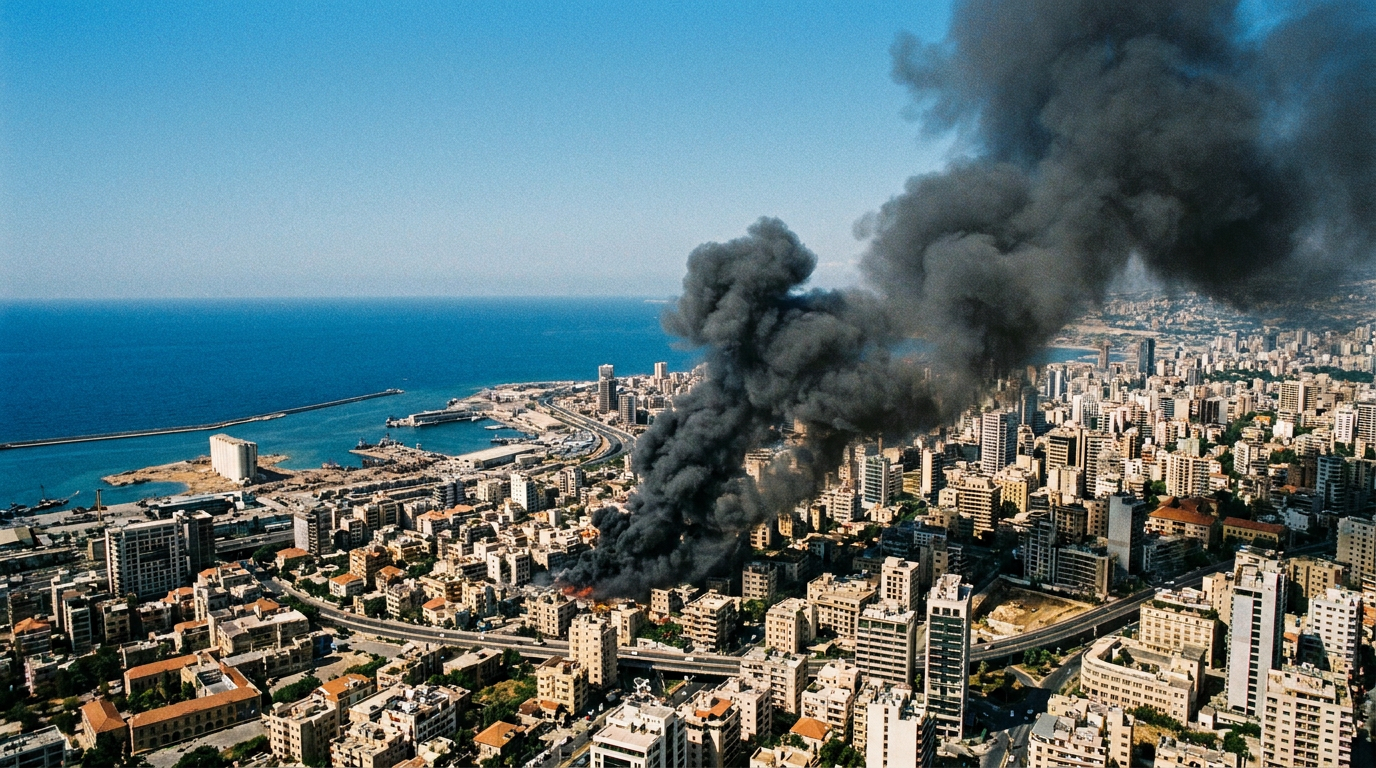
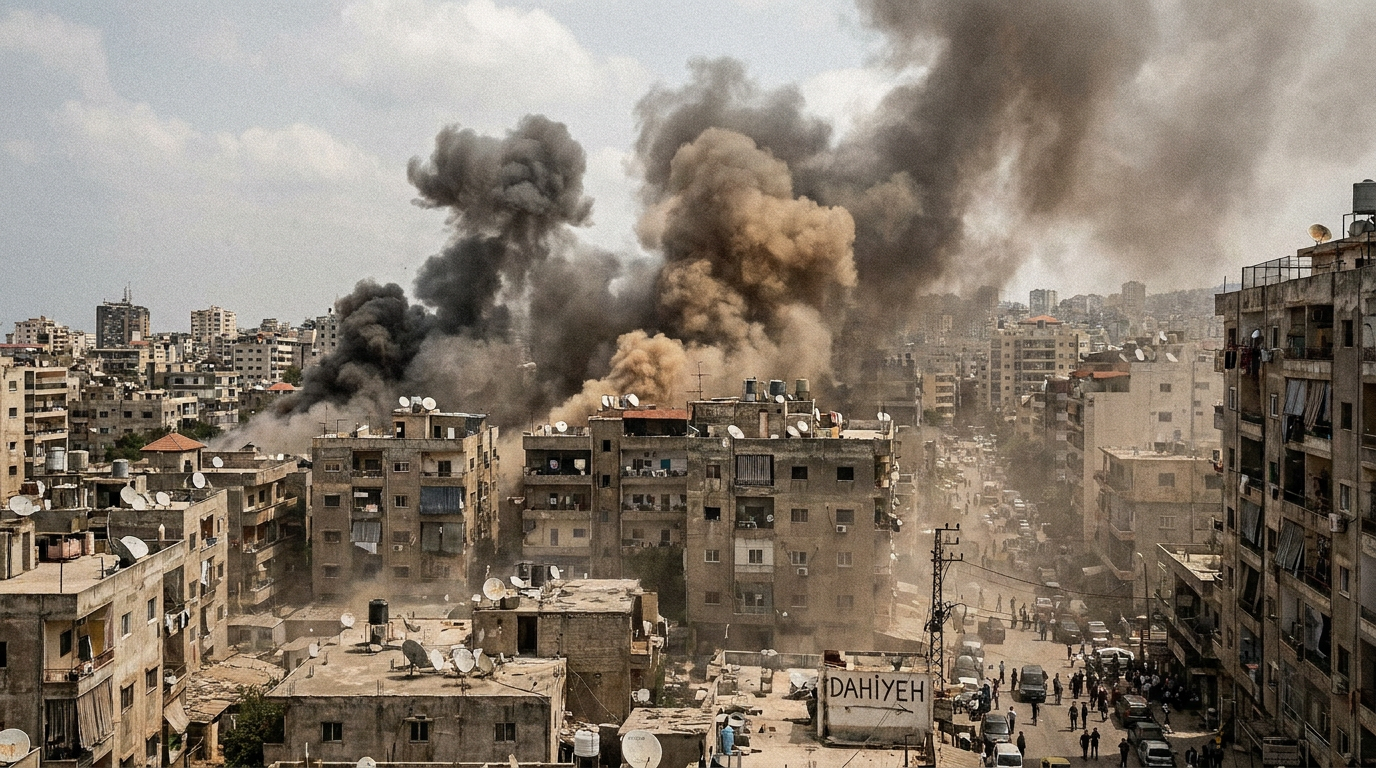
However, hours before the expected signing, Israel launched an airstrike targeting a Hezbollah command center in the southern suburbs of Beirut. The strike immediately complicated the diplomatic landscape, with Iranian officials warning that the attack proved the U.S. either lacked the will or the ability to control its ally.[2][5]
The Beirut strike prompted a furious public rebuke from the U.S. president. Trump declared that the attack "should not have happened" and demanded that all sides, including Israel and Hezbollah, stand down immediately so as not to disrupt the peace process. In a private interview, Trump reportedly expressed intense frustration with Israeli Prime Minister Benjamin Netanyahu, stating he had "no fucking judgment," while insisting the Iran deal remained on track.[1][2][5]
The emerging memorandum of understanding is structured in two distinct phases. The first stage focuses on immediate de-escalation, establishing a 60-day ceasefire that explicitly includes the conflict in Lebanon. This initial phase prioritizes ending the active military engagements that began when the U.S. and Israel launched strikes on Iran in late February.[8][10]

In exchange for halting attacks, Iran stands to gain significant economic relief. The draft agreement reportedly includes the unfreezing of up to $24 billion in Iranian assets, the lifting of the U.S. naval blockade on Iranian ports, and the suspension of certain sanctions. Iranian media has portrayed this phase as a tactical pause rather than a final settlement, allowing Tehran to access critical funds before engaging in deeper negotiations.[8]
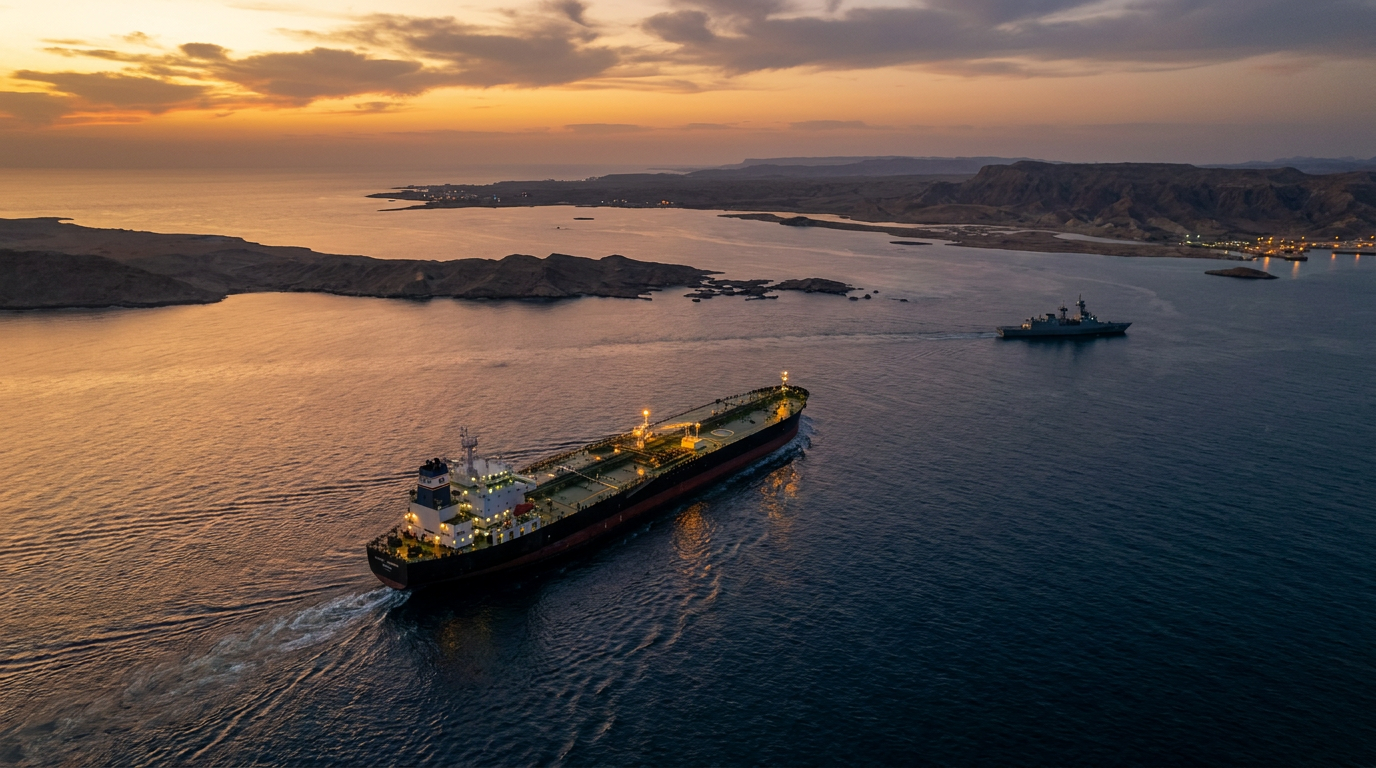
A central pillar of the first phase is the reopening of the Strait of Hormuz, a critical maritime chokepoint that handles roughly a fifth of the world's oil supply. The waterway has been effectively closed to most international shipping by Iranian forces since the outbreak of hostilities. The U.S. administration insists that under the new deal, the strait will be completely "open to all."[6][7][10]

A central pillar of the first phase is the reopening of the Strait of Hormuz, a critical maritime chokepoint that handles roughly a fifth of the world's oil supply.
Yet, the exact terms governing the waterway remain fiercely contested. Iranian Foreign Minister Abbas Araghchi has publicly stated that Iran will retain management of the strait and intends to charge "service fees" for civilian vessels passing through. This interpretation directly contradicts stated U.S. policy and long-established maritime legal precedents, setting the stage for future disputes.[8]
The second phase of the agreement defers the most intractable issue: Iran's nuclear program. While Trump has claimed the U.S. will extract and destroy Iran's highly enriched uranium "when all is calm," the initial memorandum does not require immediate nuclear concessions from Tehran. U.S. officials maintain that the 60-day ceasefire window will be used to conduct technical discussions regarding the dismantling of the nuclear program.[6][7][8]
Inside Iran, the proposed deal faces intense scrutiny. Hardline factions have mounted a vociferous campaign to reject the memorandum, arguing that the terms amount to capitulation. Critics within the regime complain that the agreement fails to guarantee permanent sanctions relief or secure adequate war reparations, forcing negotiators to publicly defend the framework.[4][8]
The strongest opposition, however, comes from Israel. Israeli officials, who have been largely sidelined from the recent mediator-led negotiations, warn that the terms of the memorandum severely endanger their national security. Prime Minister Netanyahu's security cabinet is expected to convene to discuss the ramifications of the impending agreement.[6][7]

Israeli defense leaders are particularly alarmed that the deal imposes a ceasefire in Lebanon without requiring Iran to sever its support for proxy groups. By failing to address the broader "Axis of Resistance," Israeli officials argue the agreement effectively allows Hezbollah to regroup and rearm while shielding Iran from further military pressure.[6]
Despite the friction, international mediators are racing to salvage the signing. Pakistani Prime Minister Shehbaz Sharif indicated that an electronic signing could proceed imminently, followed by technical-level talks in Geneva. Qatari and Omani delegations remain engaged with Tehran to prevent the Beirut strike from collapsing the framework.[7][10]
The diplomatic scramble coincides with Trump's trip to the G7 summit in France, where the U.S.-led war and the prospective peace deal are expected to dominate discussions with European and Arab allies. The summit provides a critical venue for the U.S. to rally international support for the two-stage framework and coordinate the logistics of reopening the Strait of Hormuz.[3][10]

If the memorandum holds, it will mark a significant, albeit fragile, pause in a conflict that has rattled global energy markets and reshaped Middle Eastern security dynamics. If the deal collapses, however, the region faces the prospect of immediate re-escalation, with the U.S. administration warning it retains an "ultimate alternative" should Tehran walk away.[2][5]
How we got here
Late February 2026
The U.S. and Israel launch military strikes on Iran, initiating a three-month regional war.
April 2026
Pakistan hosts initial peace talks between the U.S. and Iran, which end in failure.
June 12, 2026
U.S. and Iranian officials signal that a draft text for a two-stage peace agreement has been reached.
June 13, 2026
President Trump announces the deal is scheduled to be signed on Sunday, reopening the Strait of Hormuz.
June 14, 2026
Israel launches an airstrike on Hezbollah in Beirut, prompting Trump to demand an immediate halt to attacks.
Viewpoints in depth
U.S. Administration's view
The deal achieves core American objectives by reopening the Strait of Hormuz and preventing a nuclear-armed Iran.
U.S. officials argue that the two-stage framework successfully de-escalates a volatile war while securing immediate economic and strategic wins, most notably the unblocking of global oil routes. They maintain that deferring the nuclear issue to a second phase allows for a cooling-off period, and they have expressed intense frustration with Israeli military actions that threaten to upend the diplomatic progress.
Israeli Security Establishment's view
The agreement endangers Israel by leaving Hezbollah intact and failing to address Iran's proxy network.
Israeli leaders view the proposed memorandum as a dangerous capitulation that rewards Tehran with billions in sanctions relief without dismantling its regional military capabilities. They are particularly alarmed that the deal imposes a ceasefire in Lebanon without requiring Iran to cut ties with Hezbollah, effectively allowing the militant group to regroup and rearm on Israel's northern border.
Iranian Hardliners' view
The memorandum is a tactical pause that fails to guarantee permanent sanctions relief or adequate reparations.
Conservative factions within Iran are vociferously pushing back against the deal, arguing that the negotiating team gave up too much leverage. They insist that any agreement must include permanent, irreversible sanctions relief and concrete war reparations, rather than a temporary 60-day window that leaves Iran vulnerable to future U.S. pressure.
What we don't know
- Whether Iran will actually sign the agreement following the Israeli airstrike in Beirut.
- How the U.S. and Iran will resolve their conflicting claims over who manages and tolls the Strait of Hormuz.
- What specific concessions Iran will be required to make regarding its nuclear program in the second phase of negotiations.
Key terms
- Strait of Hormuz
- A critical maritime chokepoint between the Persian Gulf and the Gulf of Oman, through which roughly 20% of the world's oil supply passes.
- Memorandum of Understanding (MoU)
- A preliminary agreement outlining the broad terms of a deal before a final, legally binding treaty is drafted.
- Axis of Resistance
- A network of autonomous militant groups across the Middle East, including Hezbollah and Hamas, that receive backing and coordination from Iran.
- Down-blending
- The process of mixing highly enriched uranium with natural or depleted uranium to reduce its concentration, making it unusable for nuclear weapons.
Frequently asked
What does the proposed U.S.-Iran deal actually do?
It establishes a 60-day ceasefire, reopens the Strait of Hormuz, and releases frozen Iranian assets, while deferring nuclear negotiations to a second phase.
Why is Israel objecting to the agreement?
Israeli officials argue the deal leaves Hezbollah intact, fails to address Iran's support for proxy groups, and was negotiated without Israel's direct involvement.
How does the Beirut strike affect the negotiations?
The Israeli airstrike on Hezbollah in Beirut angered both U.S. and Iranian officials, prompting Trump to publicly demand Israel stand down to prevent the deal from collapsing.
What happens to Iran's nuclear program under this deal?
The initial memorandum defers the nuclear issue to a second stage of negotiations, though the U.S. claims it will eventually remove and destroy Iran's enriched uranium.
Sources
Source coverage
10 outlets
4 viewpoints surfaced









[1]AxiosU.S. Administration
Trump to Axios: Netanyahu has "no fucking judgment" but Iran deal still on
Read on Axios →[2]The GuardianIranian Regime & Hardliners
Trump calls for restraint after Israel launches fresh airstrikes on Beirut
Read on The Guardian →[3]NPRU.S. Administration
The U.S.-led war in Iran will dominate Trump's G7 trip to France
Read on NPR →Iranian hardliners in vociferous push to reject proposed peace deal with US
Read on The Guardian →[5]Fox NewsU.S. Administration
Trump demands end to Israeli attacks on Lebanon, says Sunday strikes 'should not have happened'
Read on Fox News →[6]The Times of IsraelIsraeli Security Establishment
Israeli officials warn reported US-Iran deal terms endanger country's security
Read on The Times of Israel →[7]CBC NewsInternational Mediators
U.S. and Iran signal peace deal close as reports suggest terms appear to favour Tehran
Read on CBC News →[8]Institute for the Study of WarIranian Regime & Hardliners
Iran Update Special Report, June 13, 2026
Read on Institute for the Study of War →[9]TIMEU.S. Administration
The United States and Iran May Be Close to a Deal to Pause the War
Read on TIME →[10]The NationalInternational Mediators
US and Iran poised to sign landmark deal Trump says will reopen Hormuz
Read on The National →
More in news politics
See all 6 stories →Middle East Conflict
Israel Strikes Beirut as U.S.-Iran Peace Deal Nears, Drawing Sharp Rebuke from Trump
0 sources
Title IX
Supreme Court Declines California Parental Notification Case, Leaving Schools in Legal Limbo
0 sources
Electoral Reform
Does Ranked-Choice Voting Actually Work? Fact-Checking the Evidence
0 sources
US-Iran Diplomacy
US-Iran Peace Deal Nears Sunday Deadline Amid Fresh Beirut Airstrikes
0 sources
Every angle. Every day.
Get news politics stories with full source coverage and perspective breakdowns delivered to your inbox.