
How the Gut-Brain Axis is Redefining Nutritional Psychiatry
Emerging research reveals that the trillions of microbes in the human digestive tract play a direct role in regulating mood, anxiety, and cognitive function. This paradigm shift is giving rise to 'psychobiotics'—using targeted nutrition to support mental well-being.
By Factlen Editorial Team
- Clinical Researchers
- Focus on the measurable biological mechanisms linking gut flora to neuroinflammation and mood disorders.
- Public Health Advocates
- Emphasize the role of broad dietary patterns and the dangers of ultra-processed foods on population-level mental health.
- Factlen Analysis
- Synthesizes the emerging science into actionable, evidence-based takeaways while warning against commercial supplement overhype.
What's not represented
- · Gastroenterologists treating severe clinical disorders
- · Agricultural scientists studying soil microbiome impact on food
Why this matters
Understanding the gut-brain connection empowers individuals to use everyday dietary choices as a tool for mental resilience. It shifts the focus of nutrition from purely physical metrics, like weight loss or muscle gain, to holistic cognitive and emotional health.
Key points
- The gut microbiome acts as a 'second brain,' directly influencing mood, anxiety, and cognitive function.
- Up to 90% of the body's serotonin, a key neurotransmitter for happiness and sleep, is produced in the digestive tract.
- A Stanford study found that a diet high in fermented foods significantly increases microbial diversity and lowers systemic inflammation.
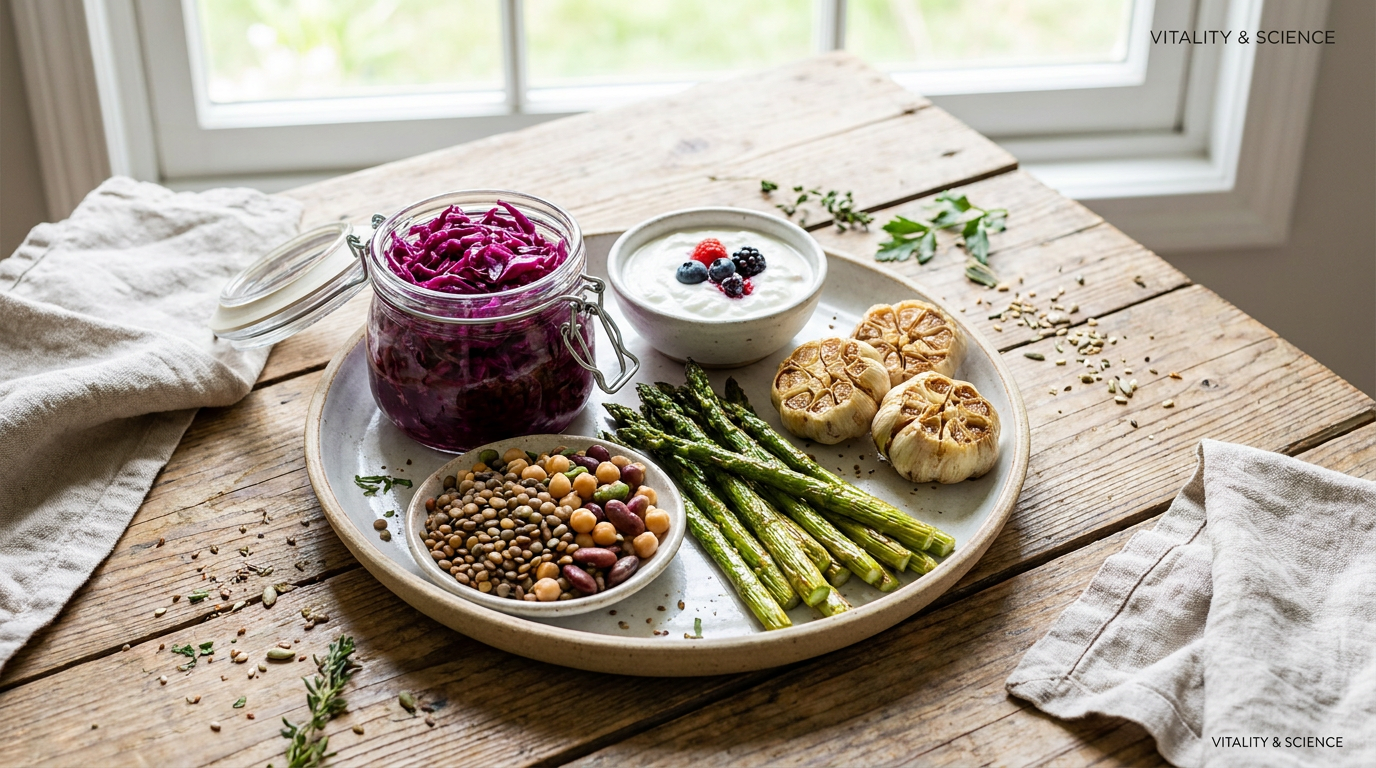
- Beneficial bacteria require prebiotic fiber (found in plants like garlic, onions, and asparagus) to survive and produce brain-protecting compounds.
- Researchers warn against relying on commercial probiotic supplements, advocating instead for a diverse, whole-food diet.
For decades, modern medicine maintained a strict boundary between the mind and the body. Mental health was the exclusive domain of neurology and psychiatry, treated through cognitive therapy and pharmaceuticals, while nutrition was viewed purely through the lens of metabolic health, cardiovascular risk, and physical energy. Food was considered fuel, a mechanical input to keep the biological engine running. However, a profound paradigm shift is currently rewriting the textbooks of both gastroenterology and neuroscience. Researchers are discovering that the foods we consume do not merely power our cells; they serve as a complex communication system that directly influences our emotional state, stress resilience, and cognitive clarity.[6]
At the center of this revolution is the human microbiome, a vast and bustling ecosystem of bacteria, viruses, and fungi residing primarily in the large intestine. To understand the scale of this internal world, consider that the human digestive tract hosts roughly 100 trillion microbial cells, outnumbering human cells in the body. This ecosystem is so complex and metabolically active that many scientists now classify the microbiome as a distinct, acquired organ. Embedded within the walls of this digestive system is the enteric nervous system, a network of over 500 million neurons that operates with such autonomy it has earned the moniker of the body's 'second brain.'[1][4]
The communication between the primary brain in the skull and the secondary brain in the gut is not a one-way street. They are connected by a bidirectional superhighway known as the gut-brain axis. This network allows the brain to send signals to the gastrointestinal tract—explaining why nervousness can cause 'butterflies' in the stomach or why chronic stress can lead to digestive distress. More importantly, researchers have discovered that the communication flows heavily in the opposite direction. The microbial residents of the gut are constantly sending chemical signals up to the brain, actively shaping our mood, anxiety levels, and overall mental well-being.[1]
The primary physical conduit for this communication is the vagus nerve, the longest cranial nerve in the body, which wanders from the brainstem all the way down to the abdomen. The vagus nerve acts as a biological telegraph wire, transmitting information about the state of the gut directly to the brain's emotional centers, including the amygdala and the hippocampus. When beneficial bacteria thrive in the digestive tract, they stimulate the vagus nerve in ways that promote a state of calm and neuroplasticity. Conversely, a state of dysbiosis—an imbalance of gut bacteria—can send distress signals along this same nerve, triggering systemic anxiety and heightened stress responses.[3]

Beyond physical nerve connections, the gut microbiome exerts its influence through the production of neurotransmitters. It is a common misconception that the brain manufactures all the chemicals required for its own operation. In reality, the digestive tract is a massive biochemical factory. Astonishingly, an estimated 90 percent of the body's serotonin—the neurotransmitter most heavily implicated in regulating mood, sleep, and feelings of well-being—is produced by specialized cells in the gut, heavily influenced by the presence of specific bacterial strains. The microbiome also plays a role in synthesizing dopamine and gamma-aminobutyric acid (GABA), a chemical that helps calm nervous system activity.[4]
Another crucial mechanism of the gut-brain axis involves the production of short-chain fatty acids, or SCFAs. When we consume dietary fiber—complex carbohydrates that human digestive enzymes cannot break down—these fibers travel intact to the large intestine. There, beneficial bacteria ferment the fiber, producing SCFAs like butyrate, propionate, and acetate as byproducts. Butyrate, in particular, is a metabolic superstar. It not only provides energy for the cells lining the colon but also crosses the blood-brain barrier. Once in the brain, butyrate acts as a powerful anti-inflammatory agent, reducing neuroinflammation, which is increasingly recognized as a root cause of clinical depression and cognitive decline.[2]
This growing understanding of microbial influence has given birth to a new field of study and a new class of interventions known as 'psychobiotics.' Coined by researchers in the early 2010s, the term refers to live organisms that, when ingested in adequate amounts, produce a health benefit in patients suffering from psychiatric illness. While traditional probiotics are marketed for digestive health or immune support, psychobiotics are specifically evaluated for their capacity to produce neuroactive substances, lower cortisol levels, and improve behavioral outcomes. The goal of nutritional psychiatry is to identify which specific strains of bacteria yield these mental health benefits and how to cultivate them through diet.[3]
The goal of nutritional psychiatry is to identify which specific strains of bacteria yield these mental health benefits and how to cultivate them through diet.
The clinical evidence supporting dietary interventions for microbiome health has grown increasingly robust. A landmark study conducted by researchers at Stanford Medicine provided compelling data on how specific food groups alter microbial diversity and immune status. The researchers divided healthy adults into two groups: one assigned to a diet high in plant-based fiber, and the other assigned to a diet high in fermented foods, such as yogurt, kefir, fermented cottage cheese, kimchi, and kombucha. The participants were monitored over a 10-week period, with researchers tracking their microbiome composition and hundreds of markers of systemic inflammation.[5]

The results of the Stanford study surprised even the researchers. While the high-fiber diet altered microbiome function, it was the high-fermented-food diet that led to a steady, significant increase in overall microbial diversity. More importantly, the fermented food group experienced a marked decrease in 19 different inflammatory proteins, including interleukin-6, which is heavily linked to chronic stress, depression, and rheumatoid arthritis. The findings provided concrete human evidence that adding fermented foods to the diet can actively remodel the microbiome in a matter of weeks, cooling the systemic inflammation that often drives mood disorders.[5]
While fermented foods introduce beneficial live cultures (probiotics) into the digestive tract, maintaining those cultures requires a steady supply of prebiotics. Prebiotics are the specific types of dietary fiber that serve as fertilizer for good bacteria. Foods rich in prebiotic fiber include garlic, onions, leeks, asparagus, Jerusalem artichokes, and slightly underripe bananas. A diet that includes probiotics but lacks prebiotics is akin to planting seeds in barren soil; the beneficial bacteria may pass through the system, but they will not colonize, thrive, or produce the short-chain fatty acids necessary to communicate effectively with the brain.[2]
This symbiotic relationship highlights the profound negative impact of the standard Western diet on mental health. Diets heavily reliant on ultra-processed foods, refined sugars, and artificial emulsifiers actively starve beneficial microbes while feeding inflammatory strains of bacteria. Furthermore, the widespread use of artificial sweeteners has been shown in some studies to alter the microbiome in ways that impair glucose tolerance and increase systemic stress. By stripping away dietary fiber and replacing it with highly refined ingredients, modern dietary patterns inadvertently dismantle the very microbial ecosystem required to maintain emotional stability and cognitive resilience.[1][2]
Despite the excitement surrounding nutritional psychiatry, researchers emphasize the need for scientific humility. Much of the foundational evidence for the gut-brain axis comes from animal models, particularly studies involving 'germ-free' mice raised in sterile environments. When these mice receive fecal transplants from humans with depression, they often begin exhibiting depressive behaviors themselves, proving that the microbiome can transfer behavioral traits. However, translating these findings to human clinical trials is incredibly complex. The human microbiome is as unique as a fingerprint, influenced by genetics, geography, birth method, and lifetime antibiotic exposure, making standardized treatments difficult to design.[3]

This complexity also serves as a warning against the commercial overhype prevalent in the wellness industry. The supplement market is currently flooded with generic probiotic pills making sweeping, often unsubstantiated claims about curing depression or eliminating anxiety. Clinical researchers caution that many commercial strains do not survive the harsh, acidic environment of the human stomach, and even if they do reach the colon, they may not successfully compete with the established microbial residents. Swallowing a generic probiotic capsule cannot undo the systemic damage caused by a chronically poor diet devoid of whole foods and fiber.[4][6]
Instead of relying on isolated supplements, the most evidence-based approach to cultivating a healthy gut-brain axis involves adopting a diverse, whole-food 'psychobiotic diet.' This involves a dual strategy: consistently consuming a wide variety of plant fibers to provide prebiotic fuel, and regularly incorporating traditional fermented foods to introduce diverse bacterial strains. Nutritionists recommend aiming for 30 different types of plants per week—including nuts, seeds, legumes, whole grains, and vegetables—alongside daily servings of foods like kefir, sauerkraut, or miso. This dietary diversity directly correlates with microbial diversity, which is the hallmark of a resilient gut.[2][5]

The future of this field lies in the concept of bio-individuality and personalized nutrition. Because every individual's baseline microbiome is unique, a dietary intervention that dramatically improves mood and energy for one person might have negligible effects on another. Advanced sequencing technologies are becoming more accessible, allowing individuals to map their specific microbial composition. In the coming years, nutritional psychiatrists hope to move beyond general dietary advice, using microbiome sequencing to prescribe highly targeted dietary interventions and specific psychobiotic strains tailored to an individual's unique neurochemical needs.[1]
Ultimately, the discovery of the gut-brain axis represents a deeply empowering shift in how we approach mental health. It does not replace the need for traditional psychiatric care, therapy, or medication for those who need it. Instead, it adds a powerful, accessible, and side-effect-free tool to the therapeutic arsenal. By recognizing that every meal is an opportunity to nourish the complex ecosystem within us, individuals can take an active, daily role in supporting their own cognitive clarity and emotional resilience, proving that the path to a healthier mind truly does run through the gut.[6]
How we got here
Early 2000s
Initial studies on 'germ-free' mice demonstrate that gut bacteria can directly alter mammalian behavior and stress responses.
2013
The term 'psychobiotics' is officially coined by researchers to describe live organisms that yield psychiatric benefits.
2021
Stanford Medicine publishes a landmark clinical trial showing fermented foods rapidly increase microbiome diversity and lower inflammation in humans.
2026
Nutritional psychiatry continues to expand, moving toward personalized dietary interventions based on individual microbiome sequencing.
Viewpoints in depth
Nutritional Psychiatrists
Advocate for using diet as a primary, side-effect-free intervention for mood disorders.
This camp views the gut-brain axis as a massive, untapped therapeutic target. They argue that while traditional pharmaceuticals like SSRIs are necessary for many, they often come with significant side effects and don't address underlying systemic inflammation. By prescribing specific dietary patterns—such as increasing fermented foods and diverse plant fibers—they aim to treat the root cause of neuroinflammation, empowering patients to manage their mental health through daily, accessible choices.
Microbiome Researchers
Focus on the immense complexity of the microbiome and caution against oversimplifying the science.
While excited by the data, basic science researchers emphasize how much remains unknown. They point out that the human microbiome is highly individualized, meaning a bacterial strain that reduces anxiety in one person might be ineffective in another. They advocate for rigorous, large-scale human clinical trials to move beyond animal models, stressing that we are still in the early stages of understanding exactly which microbial metabolites cross the blood-brain barrier and how they function once there.
Commercial Supplement Industry
Seeks to package emerging microbiome science into accessible consumer products.
The wellness and supplement industry has rapidly capitalized on gut-brain research, marketing a wide array of probiotic capsules, powders, and fortified foods specifically targeted at stress and mood. While this camp argues they are democratizing access to psychobiotics, critics point out that many commercial products utilize generic bacterial strains that lack clinical backing for mental health benefits, and that these supplements cannot outwork a fundamentally poor diet.
What we don't know
- Exactly which specific strains of bacteria are most responsible for producing distinct mental health benefits in humans.
- How individual genetic differences interact with the microbiome to determine a person's response to a psychobiotic diet.
- The long-term psychological impacts of microbiome damage caused by early-life antibiotic exposure.
Key terms
- Gut-Brain Axis
- The bidirectional communication network that links the central nervous system (the brain) with the enteric nervous system (the gut).
- Enteric Nervous System
- A vast network of over 500 million neurons embedded in the lining of the gastrointestinal system, often referred to as the body's 'second brain.'
- Short-Chain Fatty Acids (SCFAs)
- Beneficial compounds, such as butyrate, produced when gut bacteria ferment dietary fiber; they help reduce inflammation in the body and brain.
- Dysbiosis
- An imbalance in the gut microbial community, often characterized by a loss of beneficial bacteria and an overgrowth of harmful strains, linked to various health issues.
Frequently asked
What are psychobiotics?
Psychobiotics are specific strains of live bacteria (probiotics) that, when ingested in adequate amounts, produce measurable mental health benefits, such as reduced anxiety or improved mood.
Can I just take a probiotic pill for depression?
Experts caution against relying solely on commercial probiotic pills, as many strains do not survive stomach acid. A diet rich in diverse plant fibers and whole fermented foods is considered a more effective, evidence-based approach.
What is the vagus nerve?
The vagus nerve is the longest cranial nerve in the body, acting as a direct physical communication line between the digestive tract and the brain's emotional centers.
Why is dietary fiber important for mental health?
Fiber acts as a 'prebiotic,' providing essential fuel for beneficial gut bacteria. When microbes ferment this fiber, they produce short-chain fatty acids that travel to the brain and reduce neuroinflammation.
Sources
Source coverage
6 outlets
3 viewpoints surfaced






[1]National Institutes of HealthPublic Health Advocates
The Gut-Brain Axis: Influence of Microbiota on Mood and Mental Health
Read on National Institutes of Health →[2]Harvard T.H. Chan School of Public HealthClinical Researchers
The Microbiome and Diet: How Bacteria Shape Human Health
Read on Harvard T.H. Chan School of Public Health →[3]Nature Reviews MicrobiologyClinical Researchers
Psychobiotics and the Manipulation of Bacteria-Brain Signals
Read on Nature Reviews Microbiology →[4]American Psychological AssociationPublic Health Advocates
Microbes and Mental Health: The Gut Feeling
Read on American Psychological Association →[5]Stanford MedicineClinical Researchers
Fermented-food diet increases microbiome diversity, decreases inflammatory proteins
Read on Stanford Medicine →[6]Factlen Editorial TeamFactlen Analysis
Synthesis by Factlen editorial team
Read on Factlen Editorial Team →


Every angle. Every day.
Get health stories with full source coverage and perspective breakdowns delivered to your inbox.