
The Proposed US-Iran Peace Deal: What It Contains and Why It Faces Immediate Threats
The U.S. and Iran are reportedly nearing a framework agreement to end their 100-day war, but Israeli strikes in Lebanon and fierce opposition from Iranian hardliners threaten to derail the diplomatic breakthrough.
By Factlen Editorial Team
- US Administration
- Confident the framework secures nuclear disarmament and reopens global shipping lanes.
- Iranian Hardliners
- View the proposed concessions as a capitulation that surrenders strategic leverage without guaranteed economic relief.
- European Allies
- Anxious for immediate de-escalation and a clear exit strategy to stabilize global energy markets.
- Israeli Government
- Opposed to negotiations that leave Iran's regime intact, maintaining military pressure on Iranian proxies in Lebanon.
What's not represented
- · Global shipping companies
- · Lebanese civilians affected by strikes
Why this matters
A finalized peace deal would reopen the Strait of Hormuz—a critical chokepoint for 20% of the world's oil supply—easing a global energy shock. However, if the agreement collapses, the 100-day war could expand further into Lebanon and trigger severe economic volatility.
Key points
- The US and Iran are reportedly nearing a framework agreement to end their 100-day war.
- The deal would reopen the Strait of Hormuz, unfreeze $24 billion in Iranian assets, and limit Tehran's nuclear program.
- Iranian officials insist the text is only a memorandum, while hardliners protest the concessions.
- Israeli drone strikes in Beirut threatened the fragile truce, drawing a rare condemnation from President Trump.
- The diplomatic crisis is dominating the agenda at the G7 summit in France.
US President Donald Trump announced that a peace agreement with Iran is scheduled to be signed on Sunday, aiming to end a 100-day war that has roiled the Middle East and disrupted global energy markets. The proposed framework, brokered with the help of mediators in Pakistan and Oman, seeks to halt direct military confrontations between Washington and Tehran.[5][6]
The stakes of the agreement are massive. If implemented, the deal promises to reopen the Strait of Hormuz to international shipping, unfreeze billions of dollars in Iranian assets, and place strict, indefinite limits on Tehran's nuclear program.[1][5][6]
However, a stark disconnect exists between the two capitals regarding the finality of the talks. While Trump has publicly claimed the deal is finalized and ready for signature, Iranian officials insist that the current text is merely a memorandum of understanding. Iran's Foreign Ministry spokesperson Esmaeil Baghaei cautioned that no final decision has been made and that the exact date of signing remains undetermined.[1][6][7]
The core mechanism of the proposed deal centers on nuclear concessions. Under the draft terms, Iran would commit indefinitely to never procure or develop nuclear weapons. In exchange, the United States would be permitted to extract and "downblend" Iran's highly enriched uranium stockpile, a process Trump stated would occur "at an appropriate time" once hostilities cease.[5][6]

In return for these nuclear limits, the framework outlines significant economic relief for Tehran. The agreement reportedly requires the United States to lift its naval blockade on Iranian ports and unfreeze an estimated $24 billion in Iranian assets that were locked under US sanctions. Administration officials describe the arrangement as a performance-based framework, where economic incentives will be phased in only as Tehran demonstrably dismantles its nuclear facilities.[1][5][6]
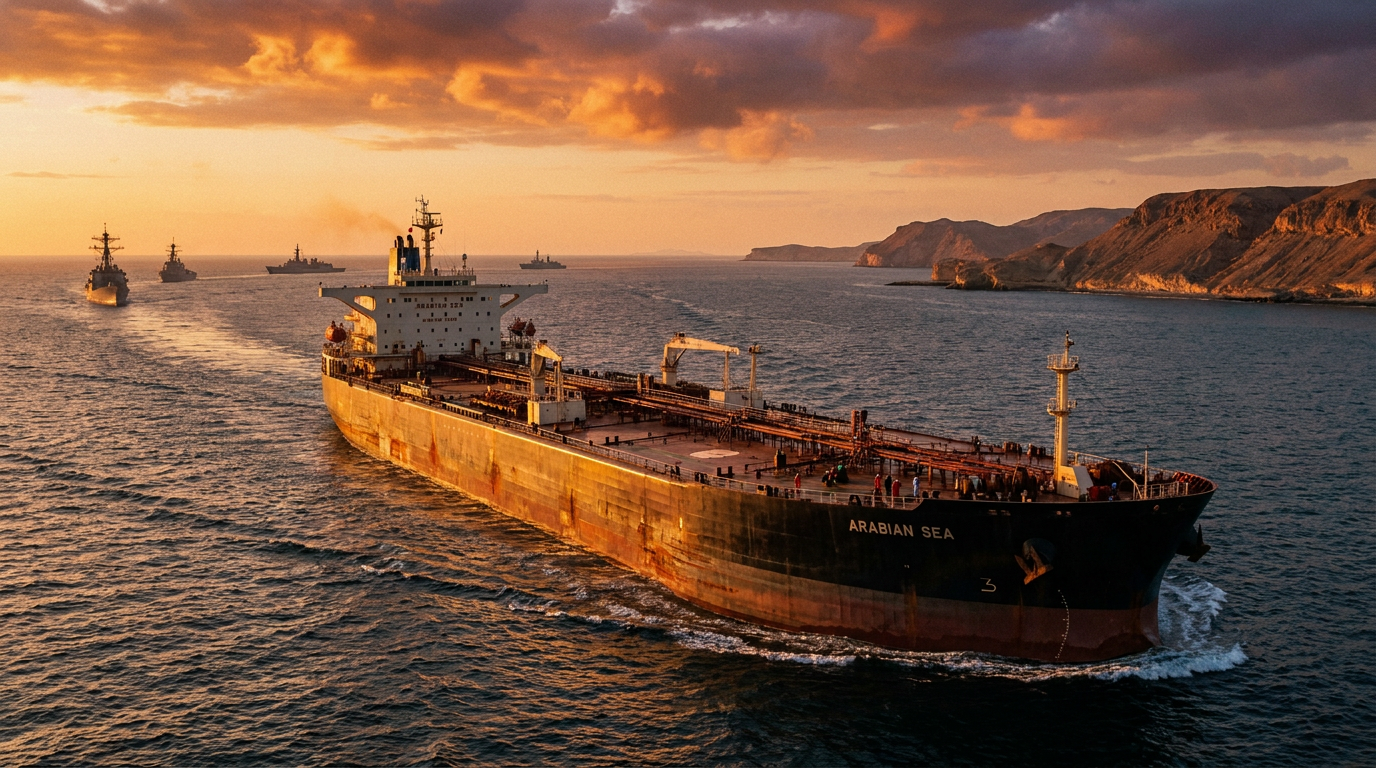
A critical component for the global economy is the reopening of the Strait of Hormuz. The strategic waterway, which handles roughly a fifth of global oil supplies, has been effectively closed by Iran during the conflict, causing a severe global energy shock and spiking gasoline prices. The draft agreement stipulates that the strait will be "open to all" immediately following the signing.[6][7][8]
A critical component for the global economy is the reopening of the Strait of Hormuz.
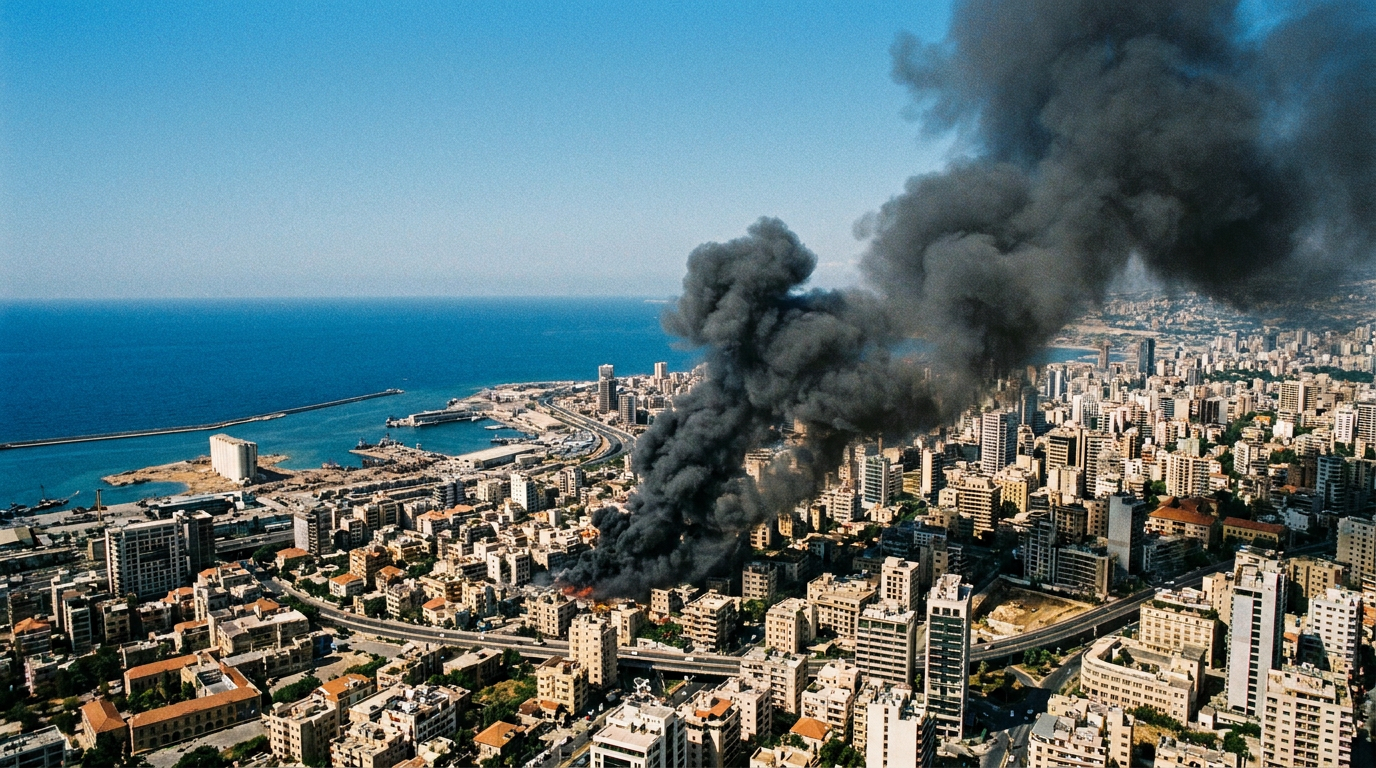
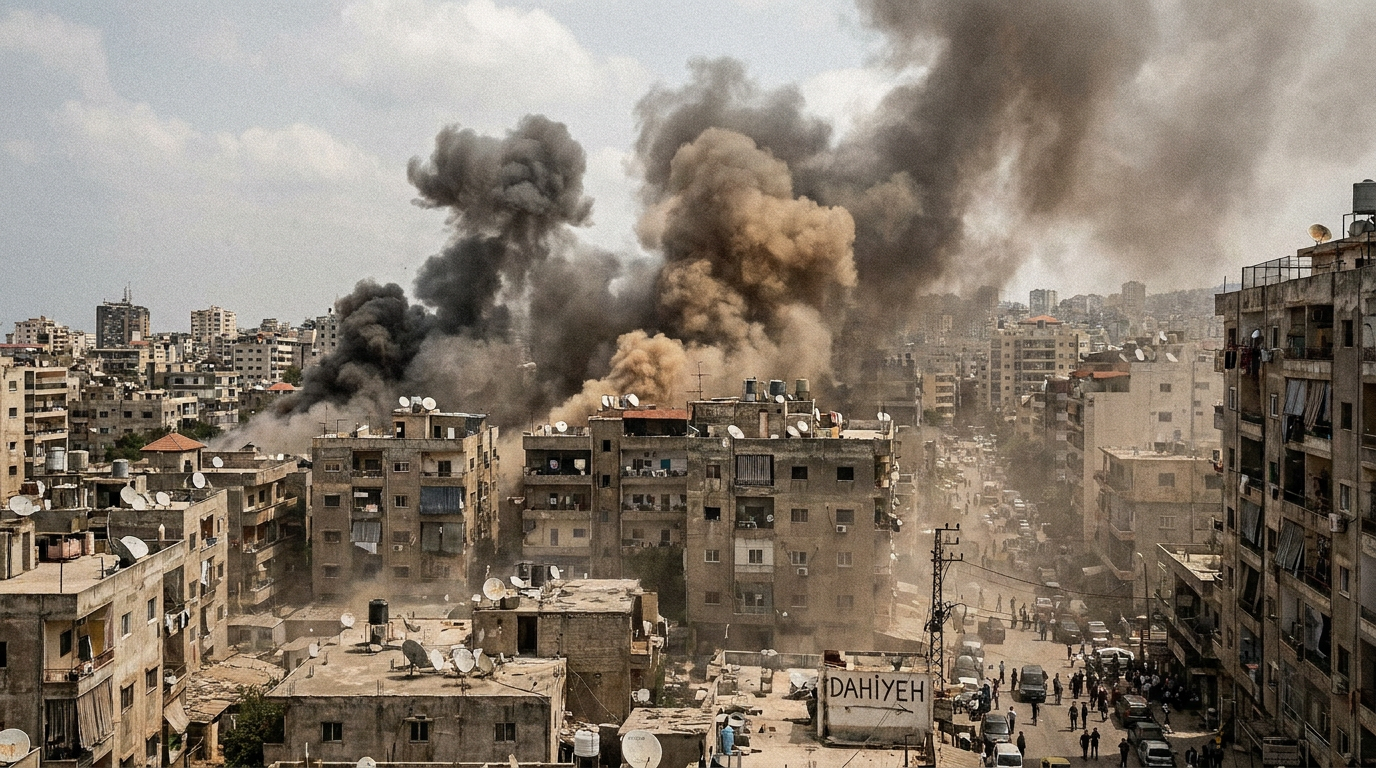
Despite the diplomatic progress, the fragile truce faces immediate threats from ongoing regional violence. On Sunday, Israeli drone strikes targeted the southern suburbs of Beirut, Lebanon, killing at least three people. The Israeli military stated the attack was aimed at the Iran-backed militant group Hezbollah, which has been firing rockets into northern Israel.[4][7]
The Beirut strikes prompted a rare public rebuke from the US President. Trump condemned the attack, stating on his Truth Social platform that the strikes "should not have happened" and urging all parties to exercise restraint. He warned regional actors not to "blow" the impending agreement on the "special day" it is meant to be signed.[3]

Inside Iran, the proposed concessions have sparked fierce domestic opposition. Hardline factions have mounted a vociferous push to reject the deal, staging protests outside the Foreign Ministry's representative office in Mashhad and chanting against Foreign Minister Abbas Araghchi.[1]
These conservative groups accuse the negotiating team of capitulation. They argue that the deal deprives Tehran of its primary strategic leverage—control over the Strait of Hormuz—without guaranteeing permanent sanctions relief or adequate compensation for the damages incurred during the 100-day war.[1]
This diplomatic drama is unfolding just as world leaders gather for the G7 summit in Evian-les-Bains, France. French President Emmanuel Macron has crafted an agenda heavily focused on crisis management, with the global economic fallout from the US-Iran war dominating the discussions.[2][8]

European allies, who have largely refrained from engaging militarily in the US-Israeli campaign against Iran, are seeking clarity from the Trump administration. Diplomats at the summit hope the US can provide a definitive exit strategy to stabilize the international system, as the conflict has strained transatlantic cohesion.[8]
The next 24 to 48 hours are critical for the peace process. Pakistani Prime Minister Shehbaz Sharif indicated that Islamabad is preparing for an electronic signing of the memorandum, which would then be followed by technical-level talks next week to iron out the phased implementation.[1][6]
Even if a framework is signed, the transition from a memorandum to a binding, implemented treaty remains fraught with uncertainty. With deep distrust persisting between Washington, Tehran, and Jerusalem, experts warn that the Middle East may be entering a period of managed conflict rather than a comprehensive peace.[5][7]
How we got here
Late Feb 2026
The US and Israel launch military strikes against Iran, initiating a 100-day war.
April 2026
Iran effectively closes the Strait of Hormuz, triggering a global energy shock.
June 13, 2026
President Trump announces a peace deal is finalized and ready for signature.
June 14, 2026
Israeli drone strikes hit Beirut, prompting Trump to condemn the attack as a threat to the deal.
Viewpoints in depth
US Administration's View
The White House frames the deal as a definitive victory that neutralizes Iran's nuclear threat.
President Trump and his administration argue that the performance-based framework achieves what previous diplomatic efforts could not: an indefinite commitment from Iran to abandon nuclear weapons development. By phasing in economic relief only after Tehran dismantles its facilities, the US believes it retains maximum leverage while successfully reopening the critical Strait of Hormuz to stabilize global energy markets.
Iranian Hardliners' View
Conservative factions in Tehran view the agreement as an unacceptable surrender of national leverage.
Hardline political groups and influencers in Iran accuse the foreign ministry of capitulation. They argue that reopening the Strait of Hormuz strips Tehran of its most potent asymmetric weapon, while the promised unfreezing of $24 billion in assets remains vulnerable to future US policy shifts. These factions are demanding permanent sanctions relief and compensation for the 100-day war before any concessions are made.
European Allies' View
G7 nations are prioritizing immediate crisis management and the restoration of global trade.
For European leaders gathered at the G7 summit in France, the primary objective is ending the global energy shock caused by the war. Having largely abstained from the US-led military campaign, European diplomats are urging Washington to secure a binding exit strategy, fearing that continued volatility will further fracture transatlantic cohesion and damage the global economy.
What we don't know
- Whether Iranian Supreme Leader Ayatollah Khamenei will ultimately approve the final signing of the deal.
- How the US plans to physically extract and downblend Iran's enriched uranium stockpile.
- Whether Israel will agree to halt its military operations against Hezbollah in Lebanon as part of the broader regional de-escalation.
Key terms
- Strait of Hormuz
- A narrow, strategically vital waterway between the Persian Gulf and the Gulf of Oman through which roughly 20% of the world's oil supply passes.
- Downblending
- The process of mixing highly enriched uranium with natural or depleted uranium to reduce its concentration, making it unusable for nuclear weapons.
- Memorandum of Understanding
- A formal agreement between two or more parties that outlines a framework for cooperation, though it is often not legally binding until finalized.
Frequently asked
Is the US-Iran war officially over?
Not yet. While the US claims a peace deal is ready to be signed, Iranian officials state that no final decision has been made and hardliners are protesting the terms.
What happens to Iran's nuclear program?
Under the proposed framework, Iran would commit indefinitely to never develop nuclear weapons, and the US would be permitted to downblend Tehran's highly enriched uranium.
Why did Israel strike Beirut?
Israel launched drone strikes targeting the Iran-backed militant group Hezbollah in Lebanon, an action Trump condemned as a risk to the impending peace deal.
How does this affect gas prices?
The deal includes reopening the Strait of Hormuz. If successful, the resumption of normal oil shipments through this critical chokepoint is expected to stabilize global energy markets and lower prices.
Sources
Source coverage
8 outlets
4 viewpoints surfaced








[1]The GuardianIranian Hardliners
Iranian hardliners in vociferous push to reject proposed peace deal with US
Read on The Guardian →[2]NPREuropean Allies
The U.S.-led war in Iran will dominate Trump's G7 trip to France
Read on NPR →[3]Al JazeeraIsraeli Government
Trump condemns Israel attack on Beirut, says Iran deal still close
Read on Al Jazeera →[4]BBCIsraeli Government
Lebanon says three killed in Israeli strike on Beirut suburb
Read on BBC →[5]TIMEUS Administration
Ceasefire Deal Within Reach, U.S. and Tehran Say
Read on TIME →[6]ForbesUS Administration
U.S.-Iran Peace Deal Expected To Be Signed Sunday, Trump Says
Read on Forbes →[7]The Hindu
West Asia war LIVE: 'No point' in peace talks if U.S. fails to uphold commitments, says Iran chief negotiator
Read on The Hindu →[8]Council on Foreign RelationsEuropean Allies
Macron's Agenda Meets Trump's at the G7 Summit
Read on Council on Foreign Relations →
More in news politics
See all 6 stories →Middle East Conflict
Israel Strikes Beirut as U.S.-Iran Peace Deal Nears, Drawing Sharp Rebuke from Trump
0 sources
Title IX
Supreme Court Declines California Parental Notification Case, Leaving Schools in Legal Limbo
0 sources
Electoral Reform
Does Ranked-Choice Voting Actually Work? Fact-Checking the Evidence
0 sources
US-Iran Diplomacy
US-Iran Peace Deal Nears Sunday Deadline Amid Fresh Beirut Airstrikes
0 sources
Every angle. Every day.
Get news politics stories with full source coverage and perspective breakdowns delivered to your inbox.