
U.S.-Iran Peace Deal Nears Signing Amid Fresh Israeli Strikes on Beirut and Hardliner Opposition
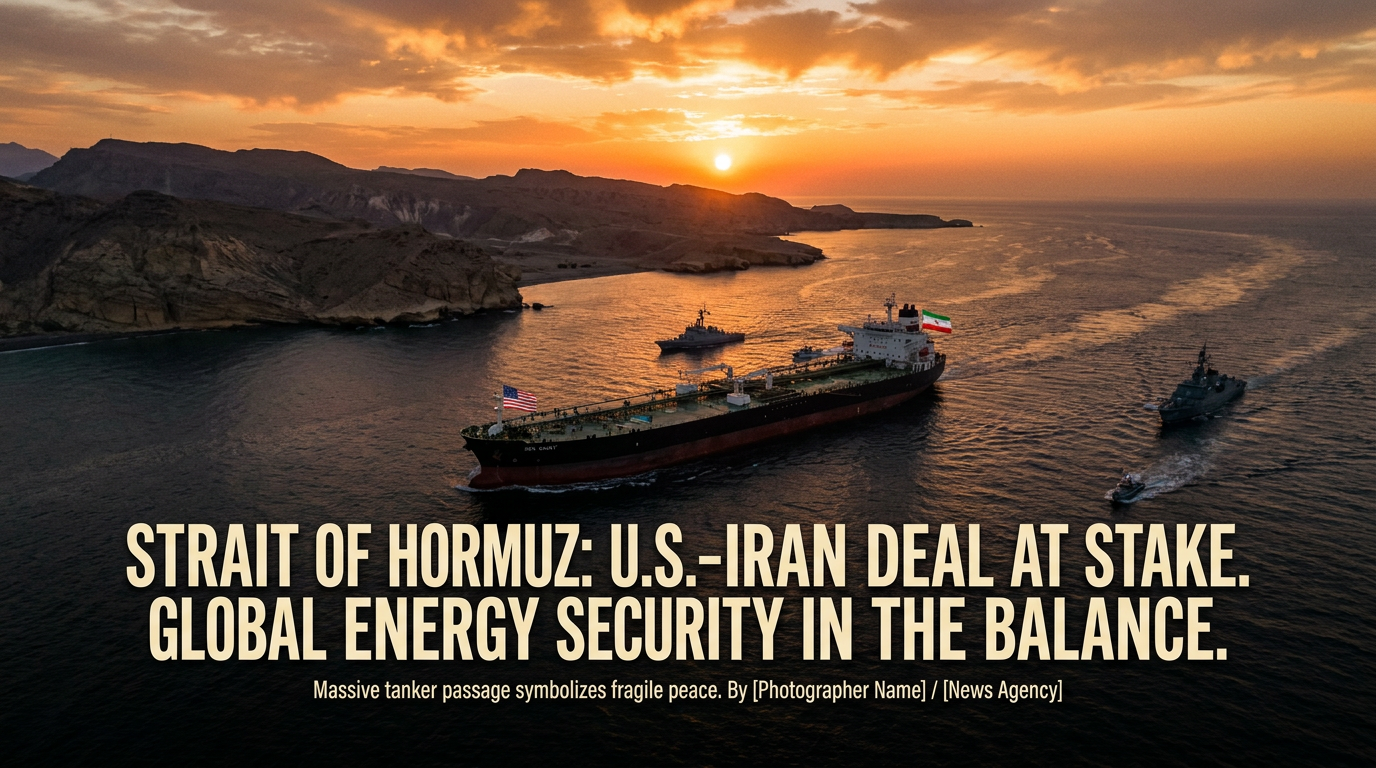
The United States and Iran are on the verge of signing a historic agreement to end their three-month war and reopen the Strait of Hormuz. However, the fragile negotiations face immediate threats from new Israeli airstrikes in Lebanon and fierce opposition from Iranian hardliners.
By Factlen Editorial Team
- U.S. Administration
- Pushing aggressively to finalize the deal, emphasizing the reopening of the Strait of Hormuz and the dismantling of Iran's nuclear program.
- Iranian Negotiators
- Seeking sanctions relief and the lifting of the U.S. naval blockade, while warning that Israeli strikes undermine American credibility.
- Israeli Government
- Continuing military operations against Hezbollah in Lebanon, viewing the current deal framework as deeply disappointing.
- Iranian Hardliners
- Vociferously opposing the agreement, arguing it surrenders Iran's strategic leverage over the Strait of Hormuz.
- International Community
- Desperate for a resolution to the global energy shock caused by the war, preparing to address the fallout at the G7 summit.
What's not represented
- · Lebanese civilians affected by the airstrikes
- · Global shipping companies navigating the blockade
Why this matters
The three-month war has paralyzed global shipping and triggered a worldwide energy crisis by closing the Strait of Hormuz. A successful peace deal would stabilize global markets, release $25 billion in frozen assets, and reshape the geopolitical balance of the Middle East.
Key points
- The U.S. and Iran are nearing a historic peace deal to end their three-month war.
- The agreement would reopen the Strait of Hormuz and lift the U.S. naval blockade.
- Israel launched fresh airstrikes on Beirut, complicating the final stages of diplomacy.
- President Trump publicly urged all sides to stand down and preserve the peace process.
- Iranian hardliners are fiercely protesting the deal, arguing it concedes too much strategic leverage.
The United States and Iran are reportedly hours away from signing a landmark memorandum of understanding to end their three-month war, a conflict that has paralyzed global shipping and triggered a worldwide energy crisis. Mediated by Pakistan and Qatar, the proposed agreement would reopen the strategic Strait of Hormuz, lift the U.S. naval blockade on Iranian ports, and establish a framework for dismantling Tehran's nuclear program.[4][6]
President Donald Trump announced over the weekend that the deal was scheduled to be signed on Sunday, declaring that the waterway would be "open to all" immediately afterward. The administration has touted the agreement as a definitive end to Iran's nuclear ambitions, with provisions for the U.S. to eventually extract and destroy highly enriched Iranian uranium.[4][6]
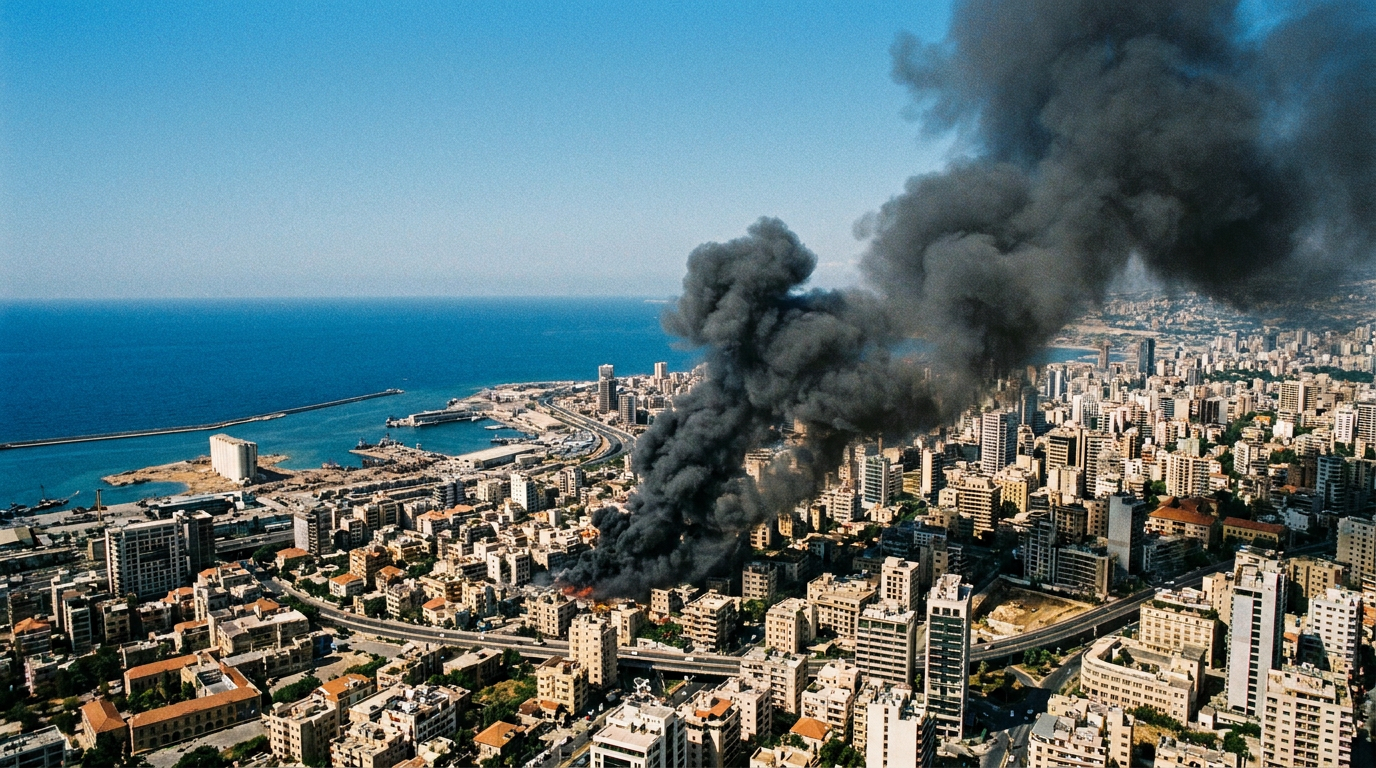
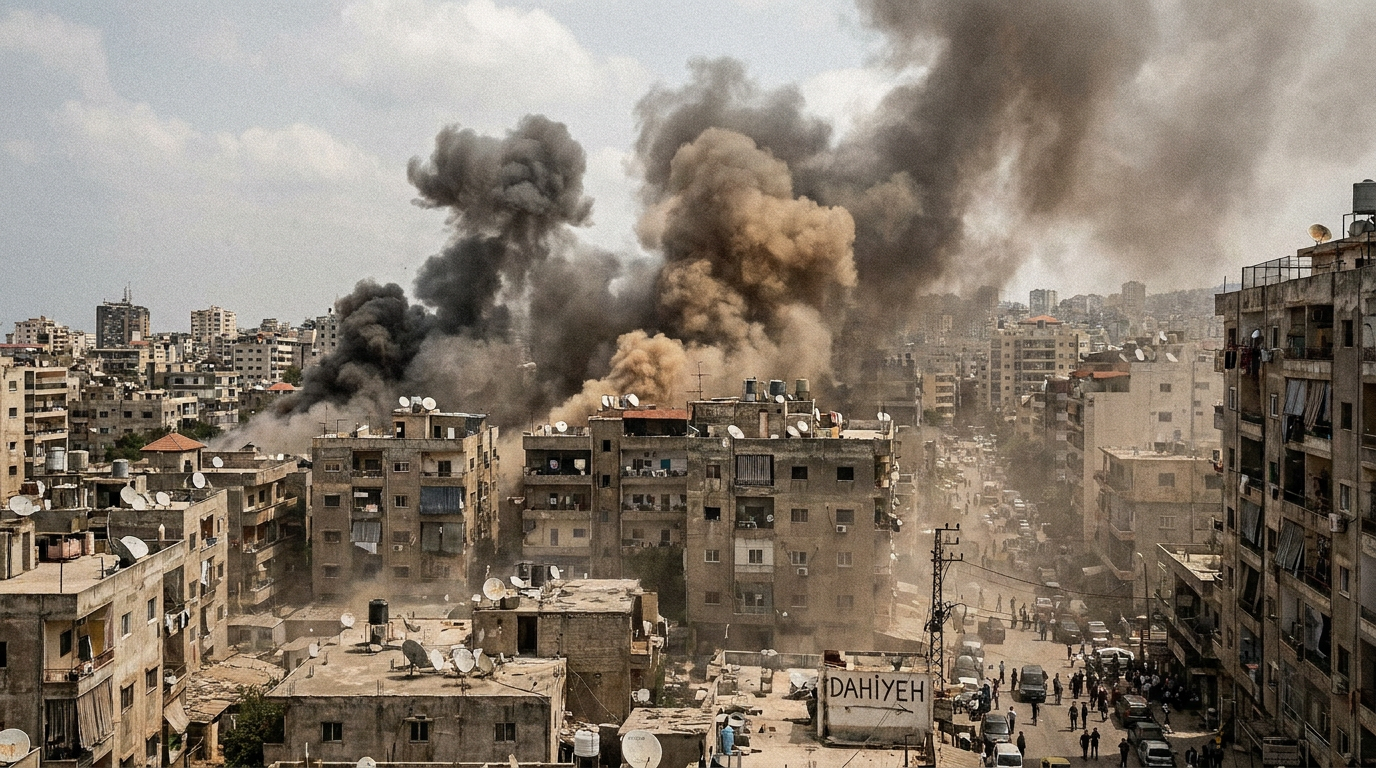
However, the fragile diplomatic progress was violently jolted on Sunday when the Israeli military launched fresh airstrikes on Hezbollah targets in Beirut's southern suburbs. The attack, which Lebanese civil defense officials said killed three people and wounded six, sent smoke billowing over the capital and triggered immediate threats of retaliation from Tehran.[2][5]

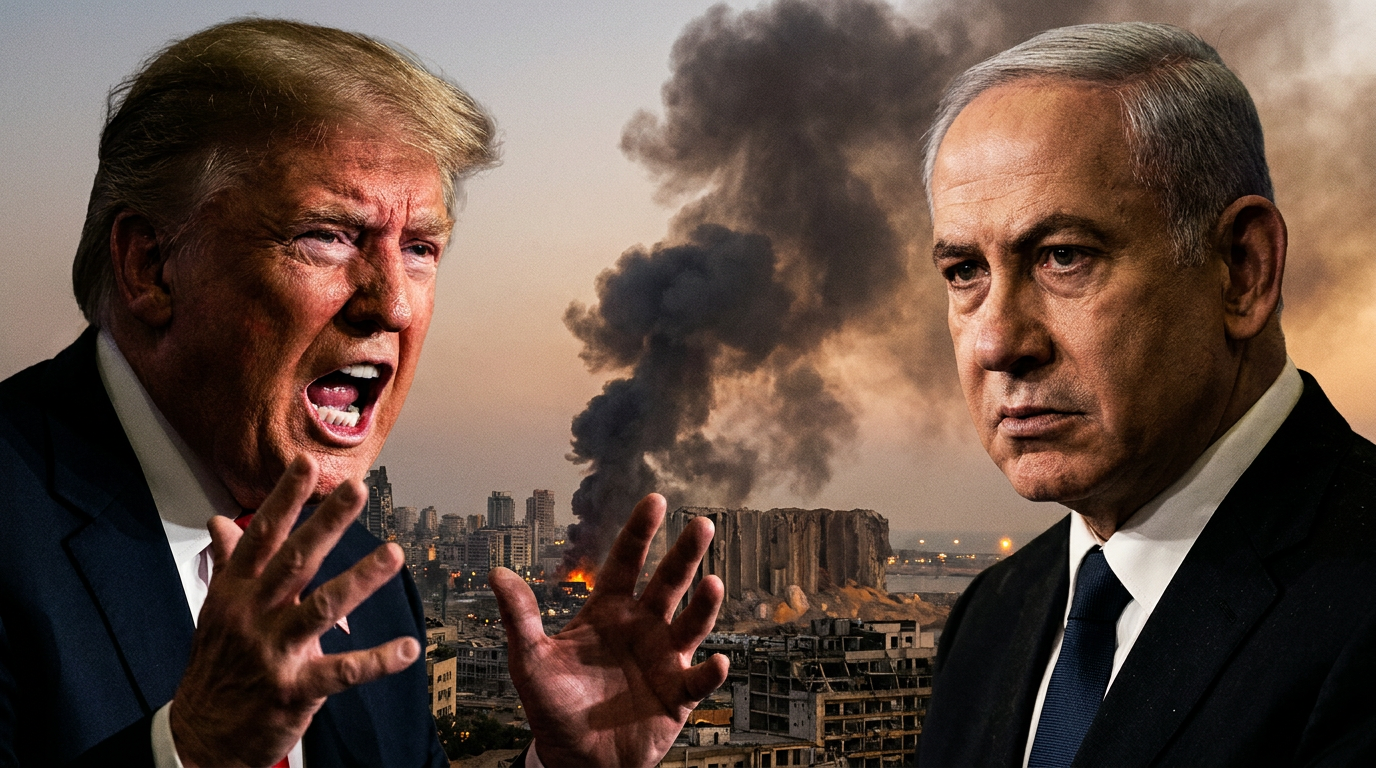
The strikes infuriated the White House, which has been pressuring Israeli Prime Minister Benjamin Netanyahu to halt operations in Lebanon while the peace deal is finalized. In a blunt interview with Axios, President Trump reportedly declared that Netanyahu has "no fucking judgment," though he insisted the U.S.-Iran agreement remains on track.[1][5]
Taking to Truth Social, Trump publicly urged restraint, writing that "all sides should stand down" and warning that the region was too close to a "long and beautiful peace" to blow it now. He cautioned both Israel against further attacks in Lebanon and Hezbollah against striking Israeli territory.[2][4]
The Israeli government, which has been largely sidelined in the Pakistan-led negotiations, views the emerging deal with deep skepticism. Netanyahu's office defended the Beirut strikes as a necessary response to Hezbollah projectiles fired into northern Israel, asserting that the country will not tolerate attacks on its territory regardless of the broader diplomatic timeline.[5]
The Israeli government, which has been largely sidelined in the Pakistan-led negotiations, views the emerging deal with deep skepticism.
Inside Iran, the proposed agreement faces fierce resistance from conservative factions. Hardline lawmakers and protesters have mounted a vociferous campaign against the deal, arguing that it forces Tehran to surrender its primary strategic leverage—control over the Strait of Hormuz—without guaranteeing sufficient sanctions relief.[2][7]

Dozens of protesters gathered outside a Foreign Ministry office in Mashhad, chanting slogans against top Iranian diplomat Abbas Araghchi. Iranian MP Mahmoud Nabavian publicly criticized the draft text, claiming it was more damaging than previous versions and represented a capitulation to American demands.[7][8]
Iranian officials involved in the negotiations have also cast doubt on the immediate timeline. Foreign Ministry spokesman Esmaeil Baqaei stated that while an agreement is close, a Sunday signing is unlikely. Meanwhile, Iran's parliamentary speaker warned that the Israeli strikes on Beirut demonstrate that the U.S. either lacks the will or the ability to fulfill its commitments.[5][8]
The stakes of the negotiations extend far beyond the Middle East. The three-month war has severely disrupted global supply chains, and the economic fallout is set to dominate the upcoming G7 summit in Évian-les-Bains, France.[3]

European allies, who have occasionally clashed with the Trump administration over the handling of the conflict, are desperate for a resolution that stabilizes energy markets. The U.K. and France are reportedly working to build a coalition to assist with demining the Strait of Hormuz once the peace deal is officially implemented.[3]
Under the reported terms of the draft memorandum, the U.S. would waive oil sanctions on Iran for a specified period and release approximately $25 billion in frozen Iranian assets. In exchange, Iran would commit to maintaining the nuclear status quo during a 60-day technical discussion period, ultimately leading to the dilution or removal of its enriched uranium.[2][6]
How we got here
April 2026
A tenuous ceasefire between the U.S. and Iran takes hold after weeks of direct conflict.
June 13, 2026
President Trump announces a peace deal is ready to be signed, promising the immediate reopening of the Strait of Hormuz.
June 14, 2026
Israel launches fresh airstrikes on Beirut, prompting Iranian threats of retaliation and complicating the final negotiations.
June 15, 2026
The G7 summit begins in France, with the economic fallout of the Iran war dominating the agenda.
Viewpoints in depth
U.S. Administration
The deal is a historic victory that neutralizes Iran's nuclear threat and restores global economic stability.
U.S. officials view the proposed memorandum as a definitive end to the three-month conflict and a major diplomatic triumph. They emphasize that the agreement forces Iran to abandon its nuclear ambitions indefinitely, with provisions for the U.S. to extract and destroy highly enriched uranium. By securing the reopening of the Strait of Hormuz, the administration believes it has resolved the global energy crisis while maintaining long-term security in the region.
Israeli Government
The agreement is deeply flawed, and Israel must maintain its freedom to neutralize immediate threats from Hezbollah.
Israeli leadership is highly skeptical of the Pakistan-mediated negotiations, viewing the framework as a disappointment that fails to address the broader network of Iranian proxies. Prime Minister Benjamin Netanyahu's government insists that Israel is not bound by the U.S.-Iran ceasefire and will continue to launch preemptive and retaliatory strikes against Hezbollah in Lebanon to protect its northern border, regardless of the diplomatic fallout.
Iranian Hardliners
The negotiations are a capitulation that surrenders Iran's strategic leverage for empty American promises.
Conservative factions within Iran, including hardline lawmakers and the IRGC, argue that the negotiating team has made unacceptable concessions. They believe that relinquishing control over the Strait of Hormuz strips Tehran of its most potent deterrent against Western aggression. Furthermore, they express deep distrust of the U.S., arguing that the promised sanctions relief and unfreezing of assets will not materialize even if Iran complies with the nuclear restrictions.
European Allies
The war's economic toll is unsustainable, making the reopening of the Strait of Hormuz an urgent global necessity.
For the G7 and European nations, the primary concern is the severe economic shock caused by the closure of the Strait of Hormuz. Having clashed with the Trump administration over the initial handling of the war, European leaders are now desperate for a resolution that stabilizes energy markets. They are actively preparing to assist with post-war logistics, including demining operations in the strait, to ensure the rapid resumption of international trade.
What we don't know
- Whether the Israeli airstrikes on Beirut will provoke a military response from Iran that derails the deal.
- The exact timeline for the signing, as U.S. and Iranian officials have provided conflicting dates.
- How the U.S. will physically extract and destroy Iran's highly enriched uranium under the proposed framework.
Key terms
- Strait of Hormuz
- A crucial waterway between the Persian Gulf and the Gulf of Oman through which a significant portion of the world's oil passes.
- Hezbollah
- An Iranian-backed militant group and political party based in Lebanon.
- Naval Blockade
- An effort by the U.S. military to cut off maritime traffic and trade to Iranian ports during the conflict.
- Enriched Uranium
- Uranium that has been processed to increase the concentration of the U-235 isotope, which can be used for civilian nuclear power or, at higher levels, nuclear weapons.
Frequently asked
When will the U.S.-Iran peace deal be signed?
President Trump stated it would be signed on Sunday, June 14, but Iranian officials have cast doubt on that timeline, suggesting it may take a few more days.
Why did Israel strike Beirut?
The Israeli military stated the strikes were targeting Hezbollah commanders in response to projectiles fired into northern Israel.
What happens to the Strait of Hormuz?
Under the proposed deal, the Strait of Hormuz would be immediately reopened to all commercial shipping, ending the global energy shock.
What does the deal say about Iran's nuclear program?
It establishes a 60-day framework for technical discussions, with the ultimate goal of diluting or removing Iran's stockpile of highly enriched uranium.
Sources
Source coverage
8 outlets
5 viewpoints surfaced








[1]AxiosU.S. Administration
Trump to Axios: Netanyahu has "no fucking judgment" but Iran deal still on
Read on Axios →[2]The GuardianIranian Hardliners
Trump calls for restraint after Israel launches fresh airstrikes on Beirut
Read on The Guardian →[3]NPRInternational Community
The U.S.-led war in Iran will dominate Trump's G7 trip to France
Read on NPR →[4]CBS NewsIranian Negotiators
Live Updates: Trump says "all sides should stand down" after Israel strikes Lebanon as U.S.-Iran peace talks continue
Read on CBS News →[5]AP NewsIsraeli Government
Israeli military strikes Beirut suburbs ahead of anticipated US-Iran deal
Read on AP News →[6]TIMEU.S. Administration
Ceasefire Deal Within Reach, U.S. and Tehran Say
Read on TIME →[7]Iran InternationalIranian Hardliners
Iranian MP says draft US deal more damaging than earlier versions
Read on Iran International →[8]The HinduIranian Negotiators
West Asia war LIVE: 'No point' in peace talks if U.S. fails to uphold commitments, says Iran chief negotiator
Read on The Hindu →
More in news politics
See all 6 stories →Universal Meals
Fact-Checking the Impact of Universal Free School Meals: The 2026 Evidence Pack
0 sources

Deepfake Detection
How Open-Source AI Fact-Checking Tools Are Catching Deepfakes in 2026
0 sources

Middle East Diplomacy
US-Iran Peace Deal Hangs in Balance After Israeli Airstrikes on Beirut
0 sources
Middle East Conflict
Israel Strikes Beirut as U.S.-Iran Peace Deal Nears, Drawing Sharp Rebuke from Trump
0 sources
Every angle. Every day.
Get news politics stories with full source coverage and perspective breakdowns delivered to your inbox.