
Global 'Silent Sidelines' Movement Transforms Youth Soccer, Drastically Reducing Referee Abuse
A coordinated initiative to ban parental shouting at youth soccer matches has led to a massive drop in referee resignations and a surge in player retention across Europe and North America.

The atmosphere at a typical under-10s soccer match has long been defined by a cacophony of noise: coaches barking tactical instructions, parents yelling at the teenage referee, and adults screaming at children to pass the ball. For decades, this high-stress environment was simply accepted as the unavoidable soundtrack of grassroots sports.
But across thousands of pitches in Europe and North America this spring, a radical new sound has taken over the weekend fixtures: complete silence. The shift marks one of the most significant cultural changes in the history of youth sports, prioritizing child development over adult entertainment.
The "Silent Sidelines" movement—a coordinated initiative requiring spectators to refrain from offering any verbal instructions or criticism during youth matches—has rapidly evolved from a niche local experiment into official, enforceable policy for several major national federations.
Under these new frameworks, parents are permitted to offer polite applause for good plays from both teams, but are strictly forbidden from coaching from the touchline or questioning the decisions of the match officials. The goal is to return the game to the children, removing the intense adult pressure that has increasingly professionalized the lowest levels of community sports.[1][2]
The results of these sweeping policy changes have been immediate, measurable, and overwhelmingly positive. In England, the Football Association recently reported a staggering 40% reduction in incidents of referee abuse following a series of mandatory "Silent Support" weekends implemented earlier this year across all grassroots leagues.
Local county associations noted that matches flowed better, children reported having significantly more fun, and the usual post-match confrontations between rival groups of parents were entirely eliminated. The data has provided federations with the hard evidence needed to make these temporary pilot programs permanent fixtures of the youth calendar.[1]
The crisis the movement aims to solve is severe and existential for the sport. For years, youth soccer has hemorrhaged young referees, many of whom are teenagers themselves just learning the rules, due to relentless and often aggressive verbal abuse from adult spectators. In some regions, referee retention rates had plummeted below 30% after a single season, leading to a critical shortage of officials. Without referees, games cannot be played, and the toxic sideline culture was actively threatening the operational viability of weekend leagues across entire states and counties.[4]
By removing the pressure cooker of parental shouting, federations are finally seeing those alarming attrition numbers reverse course. Pilot programs in the United States, particularly in massive youth soccer hubs like Southern California and New Jersey, have recorded a 65% increase in referee retention since implementing mandatory quiet zones.
Teenage officials report feeling safe and supported on the pitch for the first time, ensuring that weekend fixtures can actually go ahead without being abruptly canceled due to a lack of available referees. The quiet zones have effectively created a safe workplace for the game's most vulnerable participants.[2]
The developmental benefits extend far beyond the officials holding the whistle. Sports psychologists and child development experts have long warned that constant sideline instruction—which often contradicts what the actual coach is telling the team—creates severe cognitive overload and anxiety for young players.
When children are constantly looking over their shoulders for parental approval or instruction, they lose the ability to make their own creative decisions on the ball. The silent framework strips away this anxiety, allowing players to fall back in love with the game and drastically reducing the burnout rates that cause millions of kids to quit sports by age 13.[4]
Germany's national football association, the DFB, has been at the absolute forefront of this cultural shift, recently expanding its innovative "Fair Play Liga" rules to all under-12 competitions nationwide. Under these progressive rules, parents are physically required to stand at least 15 meters away from the pitch in designated fan zones.
Furthermore, referees are entirely removed from the youngest age groups. Instead, the children are forced to call their own fouls and resolve on-field disputes themselves, fostering a sense of fair play, mutual respect, and emotional maturity that traditional officiated matches often fail to develop.[3]
The success of these national programs has prompted action at the very top of the sport's governing pyramid. FIFA has taken notice of the data, officially incorporating the silent sideline framework into its updated global grassroots guidelines.
The international governing body is now providing a comprehensive toolkit for local clubs in developing nations to establish healthy sporting environments from the ground up, ensuring that as soccer expands into new markets, the toxic baggage of parental over-involvement does not follow. This top-down endorsement provides local club administrators with the institutional backing they need to enforce the rules.[5]
This top-down endorsement provides local club administrators with the institutional backing they need to enforce the rules.
While the transition hasn't been entirely frictionless—some traditionalist parents initially push back against the restrictions, arguing that passionate cheering is a fundamental part of the communal sporting experience—the overwhelming consensus is shifting. Once parents experience the calm of a silent sideline, and see the visible relief and joy on their children's faces, the resistance quickly fades.
Coaches, players, and officials are united in their assessment: the quiet revolution is successfully saving the soul of youth soccer, proving that sometimes the best way to support a young athlete is simply to watch them play in peace.[2]
The essentials
- National soccer federations across Europe and North America are mandating 'Silent Sidelines' for youth matches.
- The policy bans parents from yelling instructions or criticizing officials, allowing only positive applause.
- Early data shows a 40% drop in referee abuse and a 65% increase in official retention.
- Sports psychologists praise the move for reducing cognitive overload and anxiety in young athletes.
Timeline
2018
Small regional leagues in the UK and US begin experimenting with occasional 'Silent Saturdays.'
2022
Sports psychology studies definitively link parental sideline behavior to high youth dropout rates.
2024
The English FA pilots national 'Silent Support' weekends across all grassroots levels.
June 2026
Multiple national federations, including the US and Germany, adopt permanent quiet zone mandates for under-12 competitions.
- Child Development Experts
- Focus on the cognitive and emotional benefits of allowing children to play without constant adult instruction.
- Referees & Officials
- Prioritize the safety, retention, and mental well-being of the officials who make the games possible.
- National Federations
- Focused on implementing scalable, enforceable policies to protect the long-term health of grassroots soccer.
Perspectives this story doesn't cover
- Local club administrators tasked with enforcing the rules on resistant parents
Sources
Source coverage
5 outlets
3 viewpoints surfaced





- [1]BBC SportReferees & Officials
Dutch referee dies weeks after being dropped from World Cup
Read on BBC Sport → - [2]ESPNReferees & Officials
US Youth Soccer adopts mandatory quiet zones to combat sideline toxicity
Read on ESPN → - [3]KickerNational Federations
DFB expands Fair Play Liga rules to all under-12 competitions nationwide
Read on Kicker → - [4]Journal of Applied Sport PsychologyChild Development Experts
The impact of parental verbal behavior on youth athlete burnout and retention
Read on Journal of Applied Sport Psychology → - [5]FIFANational Federations
FIFA Grassroots: Global guidelines for a positive sideline culture
Read on FIFA →
More in Sports
See all →Standings
MLS Playoff Bubble Boils Over: Three-Way Tie in the East as Decision Day Looms
3 sources

UEFA Nations League
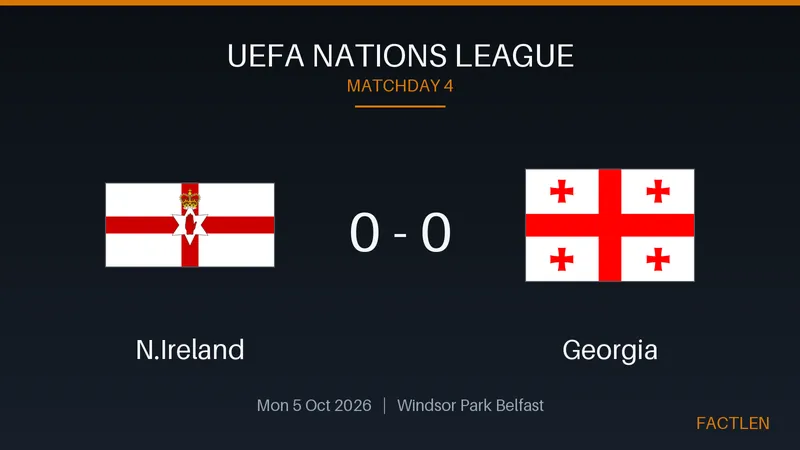
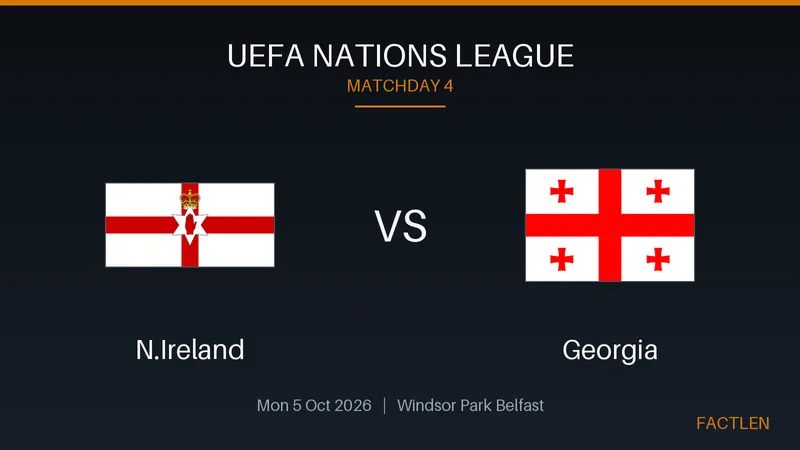
Northern Ireland Chases Nations League Promotion Against Struggling Georgia
6 sources
UEFA Nations League
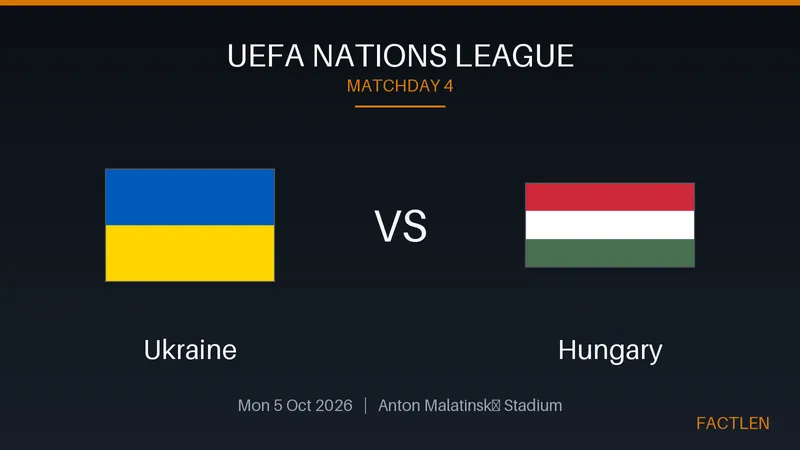
Ukraine and Hungary Face Defining Nations League Clash in Trnava
6 sources
UEFA Nations League
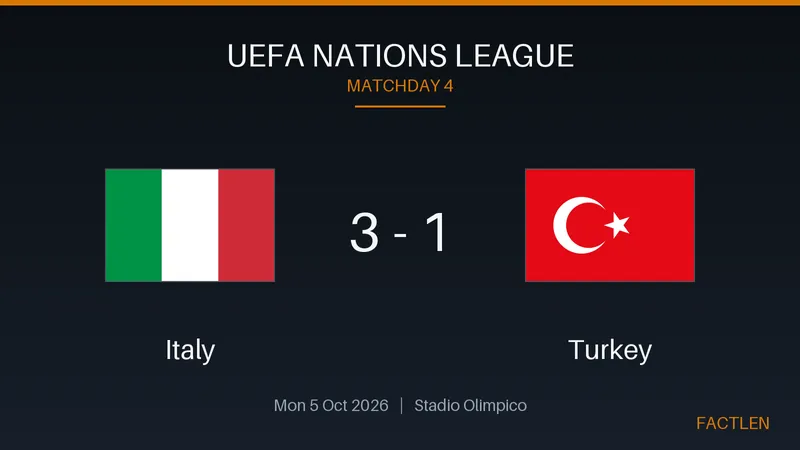
Italy Overcomes Turkey 3-1 to Secure Second Place in Nations League Group A1
4 sources
Comments
Every angle. Every day.
Get Sports stories with full source coverage and perspective breakdowns, free every day.