
The New Rules of Digital Etiquette: Voice Notes, AI, and the Death of the Cold Call
As asynchronous messaging and AI tools reshape how we connect, a new consensus on digital manners is emerging to combat tool fatigue and preserve human empathy.
By Factlen Editorial Team
- Digital Pragmatists
- Professionals who prioritize efficiency and the integration of AI tools to manage communication overload.
- Empathy Advocates
- Those who warn that over-optimizing communication strips away our humanity and genuine connection.
- Asynchronous Adopters
- Digital natives who favor voice notes and texts over real-time phone calls to reduce social pressure.
What's not represented
- · Accessibility advocates who rely on voice notes or AI tools due to physical or cognitive disabilities.
- · Customer service workers who face different, often harsher, digital etiquette standards from the public.
Why this matters
The way we communicate digitally directly impacts our professional reputations and personal relationships. Mastering these evolving norms prevents misunderstandings, reduces daily anxiety, and ensures your messages are actually heard in an increasingly noisy world.
Key points
- Calling someone without texting first is increasingly viewed as an intrusion.
- Voice notes should be kept under 60 seconds and accompanied by a text summary for actionable details.
- Workplace messages should follow the '3-Second Clarity Rule' to reduce tool fatigue.
- Using AI for scheduling is acceptable, but using it for emotional or personal messages is a faux pas.
- Leaving someone 'on read' is now often recognized as a healthy digital boundary rather than a slight.
Etiquette used to be about which fork to use at a dinner party or how to properly address a formal letter. In 2026, it is about how we navigate the invisible web of group chats, voice notes, and AI-generated emails. The modern social graces are no longer dictated by high-society rulebooks, but by the urgent need to manage our collective digital exhaustion.[6]
As our devices buzz with notifications from Slack, WhatsApp, and LinkedIn, a new consensus is emerging. Good manners today are fundamentally about emotional intelligence and respecting another person's time and attention. It is the choreography of knowing when to send a quick text, when to leave a voice note, and when to actually pick up the phone.[2][6]
Perhaps the most jarring shift for older generations is the death of the unscheduled phone call. Calling someone out of the blue—without texting first—is now widely considered an intrusion. In a hyper-connected world, people prefer to mentally prepare for a conversation rather than being interrupted mid-task.[1]
The new standard is the "pre-call text." A simple message asking, "Do you have five minutes to chat?" acts as the modern equivalent of knocking on someone's door. It gives the recipient the agency to say yes, or to suggest a better time, transforming a potential interruption into a consensual exchange.[1]

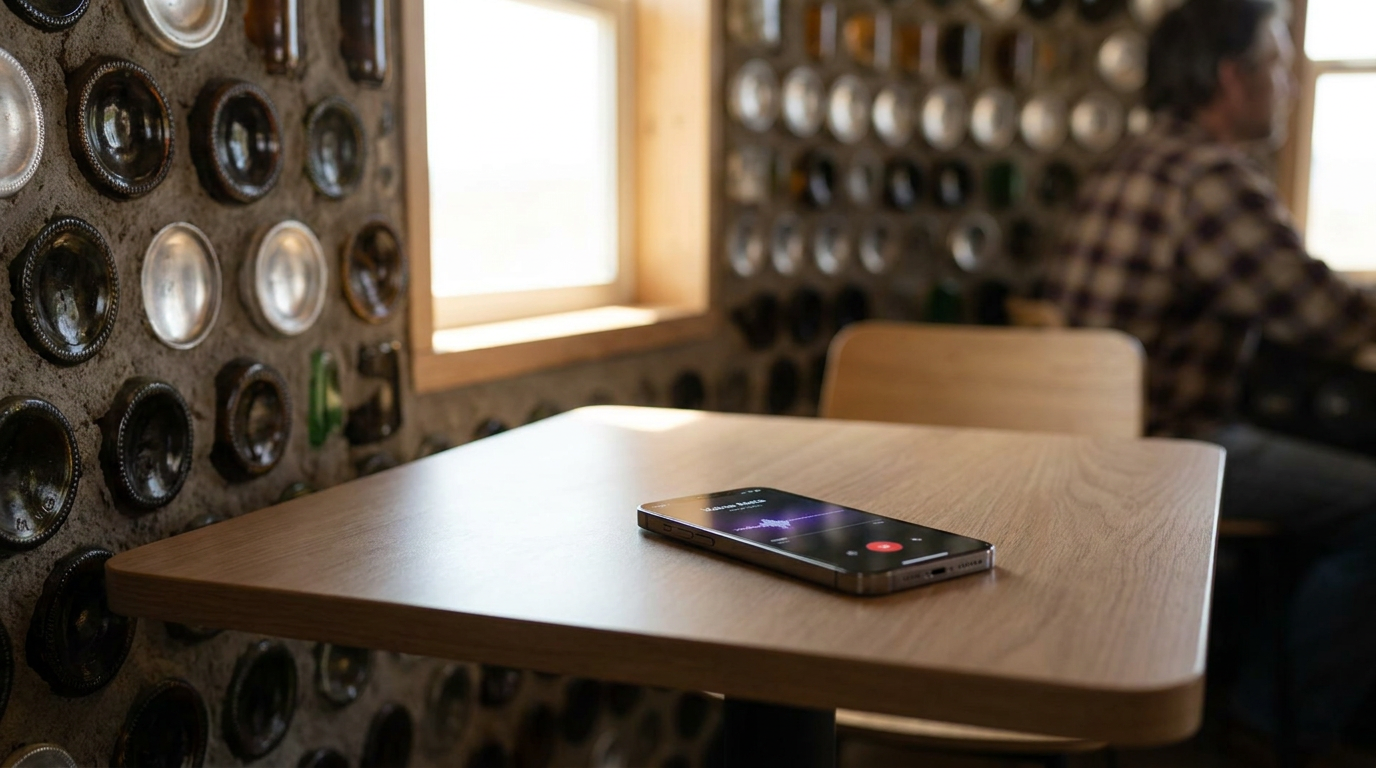
In the space left behind by the phone call, the voice note has ascended. Originally championed by Gen Z and millennials, audio messages offer the spontaneity and emotional richness of speech without the pressure of a real-time conversation. You can hear a friend's laughter or a colleague's subtle inflection, which reduces the risk of misinterpretation that plagues plain text.[4]
However, the voice note comes with its own hidden costs and emerging rules. While they are highly convenient for the sender, they demand real-time, undivided attention from the receiver. You cannot skim a three-minute audio file the way you can scan an email, making long voice notes a potential burden in a busy day.[4]
Consequently, digital etiquette experts have established the 60-second rule. Voice notes should be concise and to the point. If a thought requires several minutes to articulate, it warrants a scheduled phone call. Furthermore, if a voice note contains actionable information—like an address or a meeting time—the sender should follow up with a brief text summary so the recipient does not have to re-listen to find the details.[4][6]
Consequently, digital etiquette experts have established the 60-second rule.
The rules are equally stringent in the workplace, where "tool fatigue" is a growing epidemic. With employees juggling emails, instant messages, and project management software, clarity has become the ultimate form of professional courtesy.[3]
Enter the "3-Second Clarity Rule" for platforms like Slack and Microsoft Teams. A message should make sense within three seconds. The infamous "Hey" followed by a typing bubble is now a major faux pas. It holds the recipient hostage in a state of anticipation. Instead, the polite approach is to combine the greeting and the request into a single, actionable message.[5]

The landscape is further complicated by the rapid integration of Artificial Intelligence. AI tools are now seamlessly drafting emails, summarizing long threads, and suggesting replies. This technological leap has sparked a profound debate about authenticity in our daily interactions.[3][6]
The emerging consensus on AI etiquette hinges on transparency and stakes. Using AI to schedule a meeting, summarize a lengthy report, or draft a routine administrative update is widely accepted and even encouraged for efficiency.[3]
But crossing the line into emotional territory is where the faux pas occurs. Using AI to draft a personal apology, a condolence message, or a performance review strips the interaction of its humanity. When the recipient discovers that a heartfelt message was generated by a language model, the breach of trust is severe.[6]
Another critical pillar of modern etiquette is the respect for digital boundaries. The expectation of an instant reply is a relic of the early smartphone era. Today, leaving someone "on read" for a few hours is not necessarily an insult; it is often a sign of healthy boundary-setting.[2]

Professionals are increasingly encouraged to use "Do Not Disturb" modes and to respect time zones. If you are working late, scheduling an email or message to arrive during the recipient's normal working hours is a simple yet profound gesture of respect.[2][3]
In public spaces, the rules are even more absolute. The use of speakerphone or listening to voice notes without headphones in a cafe or on public transit is universally condemned. It is the digital equivalent of littering—forcing your personal noise into a shared environment.[1]
Ultimately, the new rules of digital etiquette are not about rigid conformity. They are about empathy. Whether it is keeping a voice note brief, formatting a Slack message for quick reading, or putting the phone face-down during a dinner, these small acts of consideration remind us that behind every screen is a human being worthy of our respect.[2][6]
How we got here
Pre-2010s
The phone call is the default method for urgent or personal communication; texting is reserved for brief updates.
2020–2021
The pandemic forces a massive shift to remote work, blurring the lines between professional and personal digital spaces.
2023–2024
Voice notes surge in popularity across generations as an alternative to 'Zoom fatigue' and typing long texts.
2025–2026
AI integration becomes mainstream in messaging apps, prompting a new wave of etiquette rules around authenticity.
Viewpoints in depth
Digital Pragmatists
Professionals who prioritize efficiency and the integration of AI tools to manage communication overload.
This camp argues that the sheer volume of modern communication makes traditional etiquette impossible to maintain. They champion the 3-second rule, asynchronous updates, and AI-drafted emails as essential survival tools. For Pragmatists, the highest form of respect is not a handwritten note, but a perfectly formatted, easily skimmable message that saves the recipient time.
Empathy Advocates
Those who warn that over-optimizing communication strips away our humanity and genuine connection.
Empathy Advocates believe that friction is sometimes a feature, not a bug, of human relationships. They argue that taking the time to write a manual thank-you note or giving someone your undivided, screen-free attention is the ultimate modern luxury. They draw a hard line against using AI for personal or emotional communication, viewing it as a breach of trust.
Asynchronous Adopters
Digital natives who favor voice notes and texts over real-time phone calls to reduce social pressure.
Typically younger generations, this group views an unscheduled phone call as an aggressive demand for immediate attention. They prefer voice notes because they offer the emotional nuance and tone of a call without forcing the recipient to drop everything. For them, true etiquette is giving the other person the freedom to respond on their own schedule.
What we don't know
- How the widespread use of AI-generated text will alter our ability to detect genuine human empathy in written communication.
- Whether the backlash against 'always-on' culture will lead to legislation protecting the right to disconnect in more countries.
- How the next generation of wearable technology will further complicate the rules of digital presence and distraction.
Key terms
- Asynchronous Communication
- Communication that does not happen in real-time, such as emails, texts, or voice notes, allowing the recipient to respond on their own schedule.
- Tool Fatigue
- The mental exhaustion caused by constantly switching between multiple digital communication apps like Slack, Teams, email, and text.
- The 3-Second Rule
- A workplace etiquette guideline stating that a direct message should contain enough context to be understood within three seconds.
- Shadow AI
- The use of artificial intelligence tools by employees without the formal approval or oversight of their company's IT department.
Frequently asked
Is it ever okay to call someone without texting first?
Only in genuine emergencies or with immediate family members who have established that boundary. Otherwise, a quick 'free to chat?' text is the standard.
How long is too long for a voice note?
Etiquette experts suggest keeping voice notes under 60 seconds. If a topic requires several minutes of explanation, it is better suited for a scheduled phone call.
Can I use AI to write my emails?
For routine administrative tasks or scheduling, AI is perfectly acceptable. However, using AI to draft apologies, condolences, or highly personal messages is considered a breach of trust.
What is the polite way to handle a message I can't answer right away?
Send a brief acknowledgment. A simple 'Received, I'll get back to you by tomorrow' relieves the sender's anxiety and buys you time to craft a proper response.
Sources
Source coverage
6 outlets
3 viewpoints surfaced






[1]Flawless MagazineEmpathy Advocates
Modern Etiquette Rules You Probably Don't Know
Read on Flawless Magazine →[2]PaperCity MagazineEmpathy Advocates
Modern Etiquette Rules to Live By in 2025 and Beyond
Read on PaperCity Magazine →[3]Beyond IntranetDigital Pragmatists
Mastering Digital Communication in the Workplace
Read on Beyond Intranet →[4]MetalhearfAsynchronous Adopters
The Hidden Costs of Voice Messages
Read on Metalhearf →[5]MediumDigital Pragmatists
Chat, Text, and DMs: Digital Etiquette in the Workplace
Read on Medium →[6]Factlen Editorial TeamEmpathy Advocates
Synthesis by Factlen editorial team
Read on Factlen Editorial Team →

Every angle. Every day.
Get lifestyle stories with full source coverage and perspective breakdowns delivered to your inbox.