
The Gut-Brain Axis: How Psychobiotics and Nutrition Are Reshaping Mental Health
Emerging research reveals that the trillions of microbes in our digestive tract play a central role in regulating mood, anxiety, and cognitive function. By optimizing the gut-brain axis through targeted nutrition and 'psychobiotics,' science is unlocking new, natural pathways to support mental health.
By Factlen Editorial Team
- Nutritional Psychiatrists
- Advocate for whole-food dietary interventions and lifestyle changes as the primary method to optimize the gut-brain axis.
- Clinical Microbiologists
- Focus on isolating specific bacterial strains to develop targeted, pharmaceutical-grade psychobiotic treatments.
- Evidence Skeptics
- Warn that human microbiome variability makes broad probiotic recommendations premature, emphasizing the need for more rigorous clinical trials.
What's not represented
- · Patients with severe treatment-resistant depression
- · Gastroenterologists treating concurrent IBS and anxiety
Why this matters
Understanding the gut-brain connection empowers individuals to take an active role in their mental health through daily dietary choices, offering a natural, accessible complement to traditional psychiatric care.
Key points
- The microbiota-gut-brain axis is a bidirectional communication network linking the digestive tract to the central nervous system.
- Psychobiotics are live bacteria or dietary fibers that confer measurable mental health benefits by altering gut ecology.
- Gut bacteria ferment dietary fiber into short-chain fatty acids (SCFAs), which reduce neuroinflammation and protect the brain.
- Clinical trials show targeted probiotics can significantly alleviate symptoms of major depressive disorder, though anxiety results remain mixed.
For decades, the fields of psychiatry and gastroenterology operated in entirely separate medical silos. Mental health was considered strictly a matter of brain chemistry, psychological trauma, and genetics, while the digestive system was viewed merely as a biological engine for processing fuel and absorbing nutrients. If a patient experienced both severe anxiety and gastrointestinal distress, doctors typically treated them as two distinct, unrelated problems. The brain was the undisputed command center of human emotion, and the gut was just a subordinate organ following orders, completely disconnected from the nuances of mood and cognition.
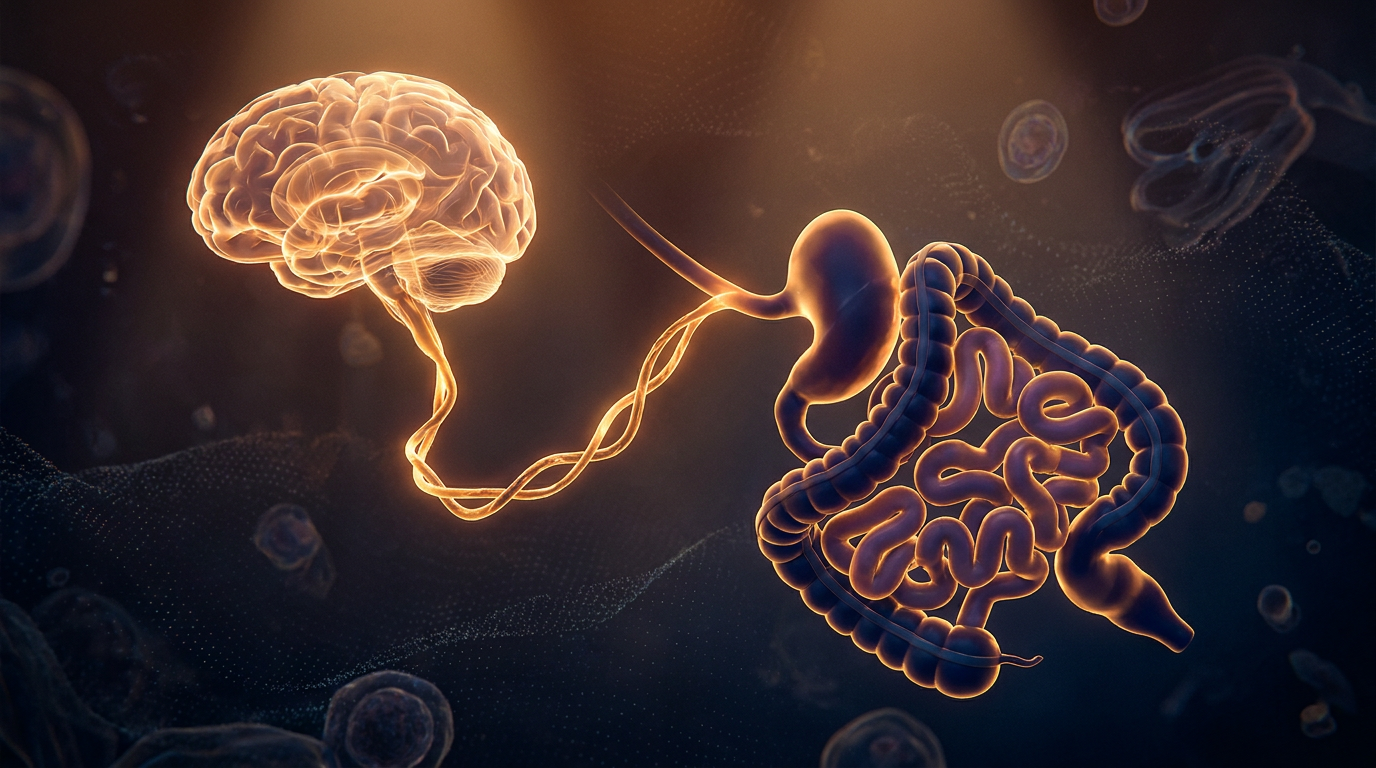
That paradigm is currently undergoing a radical and empowering shift. A surge of recent scientific research has illuminated a profound, bidirectional communication network linking our intestines directly to our central nervous system. This discovery is fundamentally rewriting our understanding of human biology, proving that the mind and the gut are in constant, intimate conversation. It turns out that what happens in the digestive tract has immediate and lasting consequences for how we feel, how we think, and how we handle stress.
This network, known as the microbiota-gut-brain axis, suggests that the estimated 100 trillion microorganisms residing in our digestive tract are not just passive passengers hitching a ride in our bodies. They are active, essential participants in regulating our mood, our resilience to anxiety, and our overall cognitive function. By mapping this axis, researchers have discovered that our microbial residents produce chemicals that directly influence the brain, opening up entirely new avenues for treating mental health conditions through nutrition.[4][6]
At the center of this emerging science is the concept of "psychobiotics"—a term first coined by researchers to describe live bacteria (probiotics) or the specific dietary fibers that feed them (prebiotics) which confer measurable mental health benefits when ingested. Unlike traditional psychiatric medications that target the brain directly, psychobiotics work from the bottom up. They alter the ecology of the gut to create a more favorable chemical environment, which then cascades upward to improve neurological function and emotional well-being.[3]
To understand how a simple bowl of lentils or a daily serving of kefir could possibly influence complex conditions like anxiety or depression, we have to look at the physical architecture of the gut-brain connection. The most direct and rapid route of communication between these two systems is the vagus nerve. This massive bundle of nerve fibers acts as a high-speed biological internet cable, transmitting data back and forth 24 hours a day.

Wandering from the brainstem all the way down through the chest and into the abdomen, the vagus nerve touches almost every major organ, but its connection to the gut is particularly dense. Studies indicate that gut bacteria can directly stimulate vagal neurons, sending electrical signals upward that influence how the brain processes emotional information, stress, and satiety. When the gut microbiome is balanced, these signals promote a state of calm; when it is in dysbiosis, it can transmit signals of systemic distress.[4]
But the communication network isn't just electrical; it is also highly chemical, driven by the foods we choose to eat. When we consume indigestible dietary fibers—found abundantly in whole foods like artichokes, oats, beans, and legumes—they pass intact through the stomach and the small intestine. Human digestive enzymes cannot break these complex carbohydrates down, meaning they arrive in the lower digestive tract entirely intact and ready to be utilized.
Upon reaching the colon, these fibers meet a specialized workforce of beneficial bacteria that eagerly consume and ferment them. The byproduct of this microbial fermentation process is a class of highly beneficial molecules known as short-chain fatty acids, or SCFAs. The production of SCFAs is one of the most critical functions of a healthy microbiome, serving as a primary mechanism through which diet translates into tangible health outcomes.[5]
Upon reaching the colon, these fibers meet a specialized workforce of beneficial bacteria that eagerly consume and ferment them.
SCFAs, which primarily include acetate, propionate, and butyrate, are emerging as metabolic superstars in the medical community. In a healthy gut, these three acids typically exist in a 60:20:20 ratio. They serve as the primary energy source for the epithelial cells lining the gut wall, keeping the barrier strong and preventing the "leaky gut" conditions that allow pathogens and toxins to escape into the bloodstream and trigger systemic inflammation.[5]

Crucially, the benefits of SCFAs do not stay confined to the digestive tract. These molecules enter the bloodstream and have the remarkable ability to cross the highly selective blood-brain barrier. Once inside the brain, butyrate in particular has been shown to exert powerful neuroprotective effects. It actively dampens neuroinflammation—a known driver of depression and cognitive decline—and stimulates the production of brain-derived neurotrophic factor (BDNF), a protein that encourages the growth of new neurons and synapses.[4][5]
Beyond the production of SCFAs, the gut microbiome plays a staggering role in the synthesis and regulation of our body's neurotransmitters. It is a frequently cited, yet still astonishing, biological fact that an estimated 90 percent of the body's serotonin—the "feel-good" chemical targeted by many traditional antidepressant medications—is actually produced in the digestive tract, not in the brain.[6]
While this gut-derived serotonin cannot directly cross the blood-brain barrier to alter mood, it heavily influences the vagus nerve and regulates intestinal movements. This local activity sends calming or distress signals back up to the brain, indirectly shaping our emotional state. Furthermore, specific strains of gut bacteria are responsible for producing other vital neurotransmitters, including gamma-aminobutyric acid (GABA), which helps regulate anxiety, and dopamine, which controls our reward and pleasure centers.

The clinical evidence supporting these biological mechanisms is rapidly moving from animal models into robust, large-scale human trials. A comprehensive 2025 umbrella review published by the National Institutes of Health analyzed dozens of randomized controlled trials examining psychobiotic interventions in adults. The goal was to determine if altering the gut microbiome could produce statistically significant improvements in patients suffering from diagnosed psychiatric conditions.[1]
The results of the review were highly encouraging for specific applications. The data revealed that targeted probiotic interventions demonstrated consistent, statistically significant benefits for alleviating symptoms of major depressive disorder (MDD). Patients receiving specific strains of beneficial bacteria showed measurable, sustained improvements in their mood and overall depressive symptoms when compared to control groups receiving a placebo, validating the psychobiotic approach as a viable adjunctive therapy.[1]
However, the clinical data regarding anxiety disorders proved to be much more nuanced and complex. While some specific subgroups of patients experienced modest improvements in their perceived stress levels, the overall effects of prebiotics and probiotics on generalized anxiety remained inconsistent across different studies. This discrepancy highlights the immense complexity of treating different psychiatric conditions through the gut, suggesting that anxiety may require different microbial strains or entirely different therapeutic approaches than depression.[1][3]
Researchers at University College Cork, a leading global hub for microbiome research, emphasize that daily diet remains the most tractable and powerful tool we have for modulating this system. Their research indicates that energy-dense, highly processed diets actively promote microbial dysbiosis and neuroinflammation. In contrast, Mediterranean-style diets rich in diverse plant fibers and fermented foods actively cultivate a psychobiotic environment, offering a protective effect against the development of mood disorders.[2]

Despite the incredible promise of the gut-brain axis, medical experts caution against viewing commercial psychobiotics as a standalone cure-all for severe mental illness. The human microbiome is highly individualized, functioning much like a biological fingerprint. What works perfectly to balance one person's gut ecology and improve their mood may have little to no effect on another person's entirely different microbial makeup.[2][6]
The great challenge ahead for nutritional psychiatry lies in the realm of precision medicine. The future of psychobiotics will require identifying exactly which specific bacterial strains and dietary fibers are missing in an individual patient's gut, and then tailoring highly specific interventions to restore that precise balance. Broad-spectrum probiotics will likely be replaced by personalized microbial therapies designed to address a patient's unique biological deficits.
As the science continues to mature and clinical trials refine our understanding of these mechanisms, the integration of nutritional psychiatry into mainstream mental health care appears inevitable. We are rapidly moving toward a future where treating the mind will routinely and necessarily involve tending to the microscopic ecosystem within the gut, empowering patients to support their mental health every time they sit down for a meal.
How we got here
Early 2000s
Initial animal studies begin demonstrating that altering gut bacteria can change behavior and stress responses in mice.
2013
The term 'psychobiotics' is officially coined to describe live organisms that produce health benefits in patients with psychiatric illness.
2019
Large-scale population studies reveal clear correlations between specific gut microbiome profiles and the incidence of depression.
2025
Major umbrella reviews of clinical trials confirm that targeted probiotic interventions can significantly reduce symptoms of major depressive disorder.
Viewpoints in depth
Nutritional Psychiatrists
Advocate for whole-food dietary interventions and lifestyle changes as the primary method to optimize the gut-brain axis.
This camp argues that the most effective way to support mental health through the gut is by adopting a comprehensive, whole-food diet. Researchers in this field point to the Mediterranean diet—rich in diverse plant fibers, healthy fats, and fermented foods—as the gold standard for cultivating a resilient microbiome. They emphasize that while supplements have their place, the synergistic effects of eating whole foods provide a broader spectrum of prebiotics and probiotics that cannot be easily replicated in a pill. Their focus is on long-term lifestyle modification rather than quick pharmaceutical fixes.
Clinical Microbiologists
Focus on isolating specific bacterial strains to develop targeted, pharmaceutical-grade psychobiotic treatments.
Researchers in clinical microbiology view the gut microbiome through a highly precise, mechanistic lens. They argue that to treat specific psychiatric conditions effectively, we must move beyond general dietary advice and isolate the exact bacterial strains responsible for producing specific neurotransmitters or anti-inflammatory molecules. By identifying these specific strains—such as certain variants of Lactobacillus or Bifidobacterium—they aim to develop pharmaceutical-grade psychobiotics with clear dose-response curves, allowing doctors to prescribe targeted microbial therapies with the same precision as traditional antidepressants.
Evidence Skeptics
Warn that human microbiome variability makes broad probiotic recommendations premature, emphasizing the need for more rigorous clinical trials.
While acknowledging the exciting potential of the gut-brain axis, this perspective urges caution against the commercial hype surrounding probiotics. Skeptics point out that while animal models have produced stunning results, translating those findings to humans is incredibly complex due to the vast individual variability in human microbiomes. They argue that many over-the-counter probiotic supplements lack the clinical evidence to support their mental health claims, and they advocate for much larger, long-term randomized controlled trials before psychobiotics are widely adopted as standard psychiatric treatments.
What we don't know
- Exactly which specific bacterial strains are most effective for treating generalized anxiety disorders.
- How individual genetic differences influence the way a person's microbiome responds to psychobiotic interventions.
- The long-term effects of taking highly concentrated, single-strain probiotic supplements over multiple years.
Key terms
- Psychobiotics
- Live organisms (probiotics) or fibers (prebiotics) that, when ingested in adequate amounts, confer mental health benefits.
- Short-Chain Fatty Acids (SCFAs)
- Metabolites produced when gut bacteria ferment dietary fiber, crucial for reducing inflammation and protecting the brain.
- Vagus Nerve
- The primary neural highway connecting the gut and the brain, allowing for rapid bidirectional communication.
- Dysbiosis
- An imbalance or maladaptation of the microbial communities in the gut, often linked to disease or mood disorders.
- Blood-Brain Barrier
- A highly selective semipermeable border that prevents toxins in the blood from entering the central nervous system.
Frequently asked
Can eating yogurt cure clinical depression?
No. While fermented foods support overall brain health, clinical depression requires comprehensive medical treatment. However, psychobiotics are emerging as a powerful adjunct therapy to support traditional care.
What are the best foods for the gut-brain axis?
High-fiber foods like legumes, oats, and artichokes feed beneficial bacteria, while fermented foods like kefir, kimchi, and sauerkraut introduce live probiotics directly into the digestive tract.
How long does it take to change the gut microbiome?
Dietary changes can alter the microbiome's composition in just a few days, but sustained mental health benefits typically require weeks or months of consistent nutritional habits.
What are short-chain fatty acids (SCFAs)?
They are beneficial molecules produced when gut bacteria ferment dietary fiber. They help reduce systemic inflammation and protect the blood-brain barrier.
Sources
Source coverage
6 outlets
3 viewpoints surfaced






[1]National Institutes of HealthEvidence Skeptics
Umbrella Review of Psychobiotics for Depressive and Anxiety Symptoms
Read on National Institutes of Health →[2]University College CorkNutritional Psychiatrists
From fork to feelings: How foods shape mental health via the microbiota-gut-brain axis
Read on University College Cork →[3]FrontiersClinical Microbiologists
Clinical Trials on Psychobiotics and Mental Health Outcomes
Read on Frontiers →[4]MDPIClinical Microbiologists
The Gut-Brain Axis: Mechanisms and Communication Pathways
Read on MDPI →[5]Psychology TodayEvidence Skeptics
The Gut's Gift to Your Brain: Understanding SCFAs
Read on Psychology Today →[6]Factlen Editorial TeamNutritional Psychiatrists
Synthesis by Factlen editorial team
Read on Factlen Editorial Team →

Every angle. Every day.
Get health stories with full source coverage and perspective breakdowns delivered to your inbox.