
US and Iran Trade Conflicting Claims Over Potential Peace Deal as Strikes Canceled
The US administration abruptly canceled planned military strikes on Iran, claiming a peace agreement is imminent, but both sides are now publicly disputing the terms of the draft deal.
By Factlen Editorial Team
- US Administration
- Argues the deal is a strict, performance-based mechanism requiring Iran to disarm before receiving any sanctions relief.
- Iranian Establishment
- Frames the agreement as a diplomatic victory that secures the release of frozen assets and ends economic sanctions.
- Geopolitical Analysts
- Views the negotiations as highly volatile and vulnerable to internal political fractures and miscommunications.
What's not represented
- · Iranian civilians affected by the war and economic sanctions
- · Allied Gulf states relying on the Strait of Hormuz for trade
- · US military personnel deployed in the region
Why this matters
A finalized US-Iran peace deal would end a devastating three-month regional war, reopen the heavily restricted Strait of Hormuz, and stabilize global energy markets. However, a collapse in these fragile negotiations could trigger immediate US military strikes and a wider Middle Eastern conflict.
Key points
- The US abruptly canceled planned military strikes on Iran, announcing that a peace deal was imminent.
- Iranian state media claimed the deal includes unfreezing $24 billion in assets and lifting oil sanctions.
- The US dismissed the Iranian claims as 'Fake News,' stating they bear no relation to the written agreement.
- US officials describe a 'performance-based' deal requiring Iran to dismantle its nuclear program and halt proxy funding.
- The negotiations follow a three-month regional war and a profound leadership vacuum in Tehran.
- Failure to finalize the agreement could result in immediate US military strikes and renewed conflict.
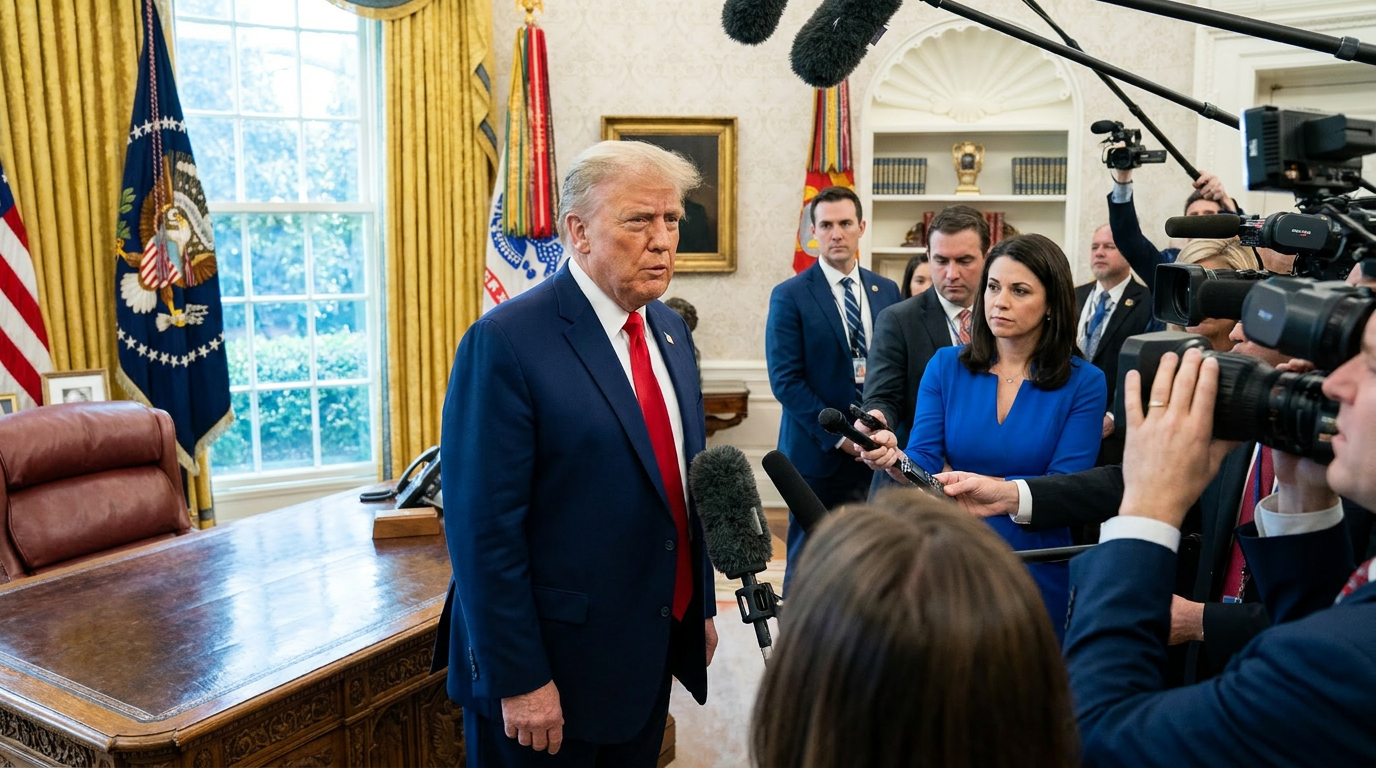
The US administration abruptly canceled planned military strikes against Iran late Thursday, announcing that the two nations were on the verge of signing a historic peace agreement. The sudden pivot from threats of "very hard" kinetic action to diplomatic optimism sent shockwaves through global markets, temporarily driving down oil prices. However, within hours of the announcement, the fragile diplomatic breakthrough devolved into a public dispute, with Washington and Tehran trading conflicting claims over the actual terms of the draft deal.[1][2][4]
The chaotic negotiations follow a devastating three-month regional conflict that began in late February with a US-Israeli military campaign against Iran. While a temporary ceasefire was brokered in April, tensions flared again in early June. Recent days saw a resumption of hostilities, including an Iranian drone attack on commercial shipping in the Strait of Hormuz and Israeli strikes against Hezbollah militants in Lebanon. The initial US threat to target Iran's Kharg Island oil terminal was widely seen as an attempt to force Tehran into finalizing an "off-ramp" agreement.[2][5]
The dispute over the deal's contents erupted after Iranian state media published what it claimed was a finalized draft of the Memorandum of Understanding (MOU). According to the semi-official Mehr news agency, the agreement included massive concessions from the United States. The leaked terms alleged that Washington would unfreeze $24 billion in Iranian assets, lift crippling sanctions on Iranian oil and petrochemicals, and ensure an end to military operations in Lebanon. The report also claimed the US agreed not to intervene in Iran's internal affairs.[1][3][4][7]

The US President responded furiously to the Iranian reports, taking to social media to denounce the leaked terms as "Fake News." He stated that the claims bore "no relation to the truth" and had "nothing to do with the terms that were agreed to, in writing." The administration characterized the Iranian leadership as "very dishonorable people to deal with," adding that "there is no such thing as dealing in good faith" with Tehran. The US also demanded that Iran immediately halt its attacks on shipping vessels.[1][3][4]
Senior US administration officials quickly offered a starkly different version of the emerging agreement. According to officials who briefed Reuters and other outlets, the US-backed draft is a strictly "performance-based" deal. Under these terms, Iran would be required to completely dismantle its nuclear program, destroy all existing nuclear materials, and permanently cease funding for proxy militant groups across the Middle East. Officials emphasized that none of Tehran's frozen assets would be released until these sweeping conditions were verifiably met.[3][4][6]
Senior US administration officials quickly offered a starkly different version of the emerging agreement.
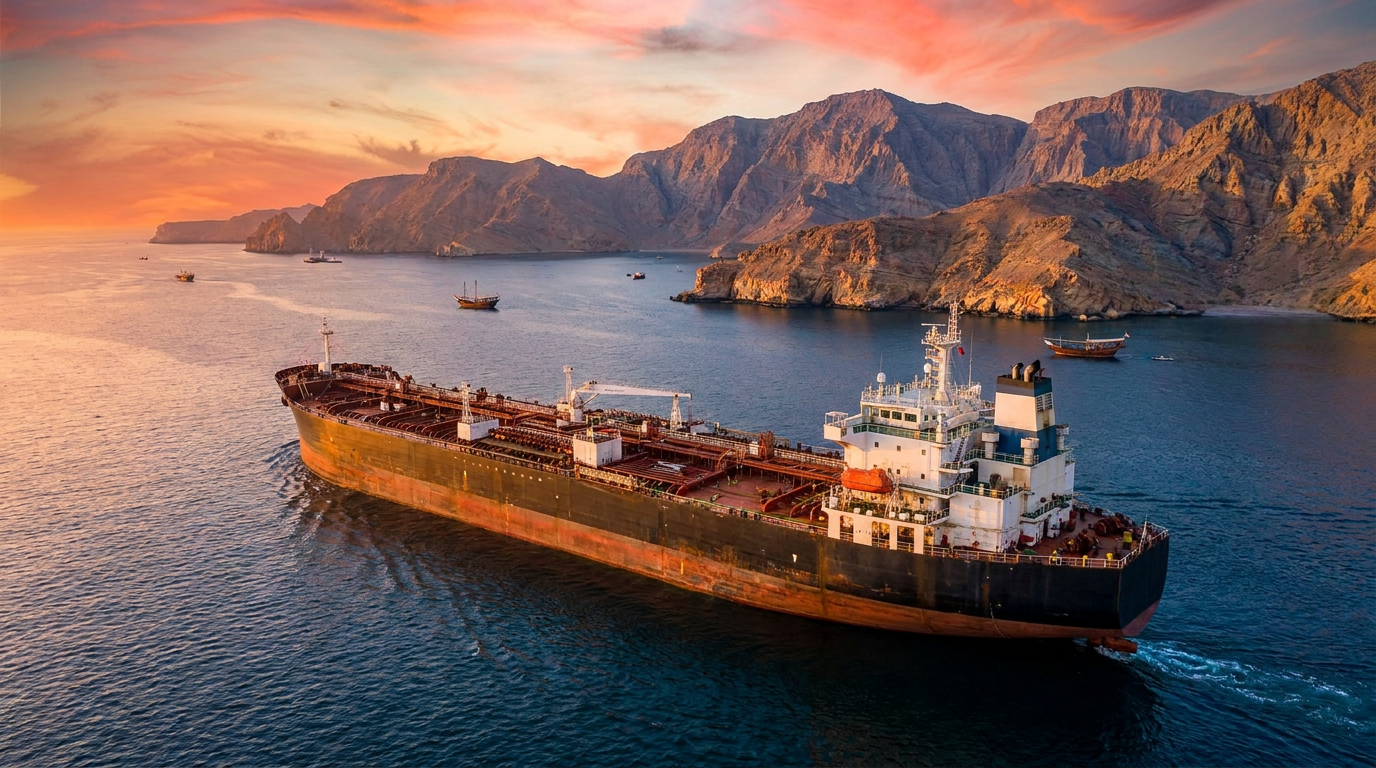
A major sticking point remains the Strait of Hormuz, a critical maritime chokepoint for global energy supplies. Iran has heavily restricted the waterway in recent months, demanding that international vessels obtain permission from its armed forces before transiting. The US administration insists that the peace deal must guarantee total freedom of navigation. US officials indicated that the agreement would see the strait fully reopened, while the US would simultaneously lift its naval blockade on Iranian ports.[1][4]

The nuclear component of the treaty also presents significant hurdles. Washington is reportedly demanding concrete parameters, including a strict 15-year moratorium on uranium enrichment and the immediate disposal of Iran's highly enriched uranium stockpile. While the US wants these details codified in the initial MOU, Iran has reportedly pushed for a 60-day negotiation period specifically dedicated to the nuclear program, separate from the immediate cessation of hostilities.[1][2][4]
Complicating the diplomatic efforts is a profound leadership vacuum in Tehran. Supreme Leader Ayatollah Ali Khamenei, who historically held ultimate authority over Iran's nuclear and foreign policy, was reportedly killed or severely wounded during the initial days of the war in February. With his status uncertain and no clear successor publicly steering the state, US negotiators face the challenge of determining whether the Iranian officials at the table have the actual authority to sign and enforce a binding international treaty.[1][2]

The international community has been left to navigate a maze of contradictory signals. Adding to the confusion, Pakistani Prime Minister Shehbaz Sharif claimed on social media that a final text had already been agreed upon, a statement neither Washington nor Tehran corroborated. Meanwhile, a senior US official estimated there was an "80 to 85 percent" likelihood of the agreement being signed within days, noting that while most Iranian authorities want the deal, internal fractures within Tehran's leadership are still being resolved.[1]
If the remaining disputes can be bridged, the agreement could be signed as early as this weekend in Europe, with the US Vice President expected to attend the ceremony. However, the situation remains highly volatile. If the conflicting narratives cause the fragile MOU to collapse, the US military remains positioned to execute the strikes that were canceled just days ago, threatening to plunge the Middle East back into full-scale war.[2][3]
How we got here
Feb 28, 2026
US and Israeli military forces launch a campaign against Iran, reportedly killing or wounding Supreme Leader Ali Khamenei.
April 2026
A temporary ceasefire is brokered, halting direct military confrontation between the nations.
Early June 2026
Clashes resume, highlighted by an Iranian drone attack on commercial shipping in the Strait of Hormuz.
June 11, 2026
The US threatens 'very hard' military strikes against Iran in response to the renewed hostilities.
June 12, 2026
The US abruptly cancels the strikes, announcing a peace deal is close, though both sides immediately dispute the terms.
Viewpoints in depth
US Administration's view
The agreement is a strict, performance-based mechanism to neutralize Iran's nuclear and proxy capabilities.
US officials emphasize that Washington is not handing out preemptive concessions. From the administration's perspective, the draft deal requires Iran to verifiably dismantle its nuclear infrastructure, destroy highly enriched uranium, and cut off funding to regional militant groups before any sanctions relief occurs. The public rejection of the leaked Iranian terms underscores a strategy of maintaining maximum pressure, using the looming threat of military strikes to force Tehran into accepting a highly restrictive framework.
Iranian Establishment's view
The deal represents a diplomatic victory that secures vital economic relief and regional stability.
Through state-aligned media outlets like Mehr, the Iranian establishment is framing the emerging agreement as a major concession by the United States. Tehran's narrative highlights the unfreezing of $24 billion in foreign assets, the lifting of crippling oil sanctions, and a US commitment to non-interference. For an Iranian leadership grappling with the economic toll of the war and the reported loss or incapacitation of Supreme Leader Ali Khamenei, projecting strength and securing immediate financial relief are paramount to maintaining domestic stability.
Geopolitical Analysts' view
The negotiations are highly volatile and vulnerable to internal political fractures on both sides.
International observers remain deeply skeptical that a finalized treaty will materialize smoothly. Analysts point to the profound leadership vacuum in Tehran, questioning whether the current Iranian negotiators have the consolidated authority to enforce a total dismantling of the nation's nuclear program. Furthermore, experts note that the unpredictable negotiating style of the US administration—pivoting from threats of military strikes to declaring a diplomatic breakthrough within hours—creates an unstable environment where a single miscommunication could collapse the talks and reignite the conflict.
What we don't know
- Whether the Iranian officials currently negotiating have the consolidated authority to sign and enforce a binding treaty.
- The exact timeline for when the Memorandum of Understanding might be officially signed.
- How the US will verify the dismantling of Iran's nuclear program if the deal is finalized.
Key terms
- Strait of Hormuz
- A critical maritime chokepoint between the Persian Gulf and the Gulf of Oman through which a significant portion of the world's oil supply passes.
- Memorandum of Understanding (MOU)
- A formal agreement between two or more parties outlining the terms of an understanding, often serving as the foundation for a finalized treaty.
- Uranium Enrichment
- The process of increasing the concentration of the uranium-235 isotope, which is necessary for both civilian nuclear power and the creation of nuclear weapons.
- Proxy Militant Groups
- Armed organizations funded and supported by a larger state power to fight conflicts on its behalf without direct state involvement.
Frequently asked
Did the US and Iran sign a peace deal?
Not yet. While the US announced a deal was close, both sides are currently disputing the specific terms of the draft agreement.
What does Iran claim is in the deal?
Iranian state media claims the deal includes unfreezing $24 billion in assets, lifting oil sanctions, and ending military conflict in Lebanon.
What does the US claim is in the deal?
US officials state the agreement is performance-based, requiring Iran to dismantle its nuclear program and stop funding proxy groups before receiving sanctions relief.
Why were the military strikes canceled?
The US administration stated the planned strikes were canceled because a diplomatic agreement had been reached 'both in concept and great detail,' though negotiations appear to be ongoing.
Is the Strait of Hormuz open?
Iran has heavily restricted the waterway recently, but US officials say the emerging peace deal would guarantee total freedom of navigation and fully reopen the strait.
Sources
Source coverage
7 outlets
3 viewpoints surfaced







[1]The GuardianGeopolitical Analysts
US president dismisses Iranian media reports agreement is close
Read on The Guardian →[2]PBSUS Administration
Heightened threats are aimed at creating an off-ramp
Read on PBS →[3]The Jerusalem PostUS Administration
US claims Tehran leaked false details about terms of potential US-Iran deal
Read on The Jerusalem Post →[4]The Times of IsraelGeopolitical Analysts
US cancels Iran strikes, announces deal
Read on The Times of Israel →[5]Al JazeeraIranian Establishment
US seeks 'off-ramp' from war in 'Iran deal'
Read on Al Jazeera →[6]ReutersUS Administration
US-Iran deal would be performance-based, require nuclear dismantling
Read on Reuters →[7]Mehr News AgencyIranian Establishment
Draft deal includes unfreezing $24B, lifting oil sanctions
Read on Mehr News Agency →
More in news politics
See all 5 stories →Middle East Diplomacy
US and Iran Near Interim Agreement to Halt Hostilities: What the Deal Contains
0 sources
Union Contracts
House Passes Sweeping Labor Bill Mandating Strict Timelines for First Union Contracts
0 sources
US-Iran Deal
US and Iran on the Brink of Historic Interim Peace Agreement to End War
0 sources
Every angle. Every day.
Get news politics stories with full source coverage and perspective breakdowns delivered to your inbox.