
US and Iran Signal Peace Deal Within Reach to End Three-Month War
Washington and Tehran are finalizing a ceasefire agreement that would reopen the Strait of Hormuz and pause hostilities, though both sides are already clashing over the exact terms.
By Factlen Editorial Team

- US Administration
- Frames the deal as a strict, performance-based victory that neutralizes Iran's nuclear threat without offering upfront cash.
- Tehran's Leadership
- Portrays the ceasefire as a historic triumph that broke the US blockade and secured massive economic relief.
- Regional Allies & Mediators
- Divided between Gulf states eager for economic stability and Israel, which remains deeply skeptical of the truce.
What's not represented
- · Lebanese civilians affected by the Hezbollah-Israel front
- · Global shipping companies navigating the blockade
Why this matters
A finalized peace deal would halt a devastating regional war, stabilize global energy markets by reopening a critical shipping chokepoint, and lower the immediate risk of a broader nuclear conflict.
Key points
- The US and Iran are nearing a ceasefire agreement to end their three-and-a-half-month war.
- The proposed deal would reopen the Strait of Hormuz and establish a 60-day window for nuclear negotiations.
- Global oil prices dropped to $89 a barrel following news of the impending agreement.
- Washington and Tehran are already publicly disputing the specific terms of the unreleased draft.
- Israel has explicitly stated it is not a party to the US-Iran memorandum.
The United States and Iran are on the verge of signing a landmark ceasefire agreement to halt a devastating three-and-a-half-month war that has choked global energy supplies and engulfed the Middle East.[1][3]
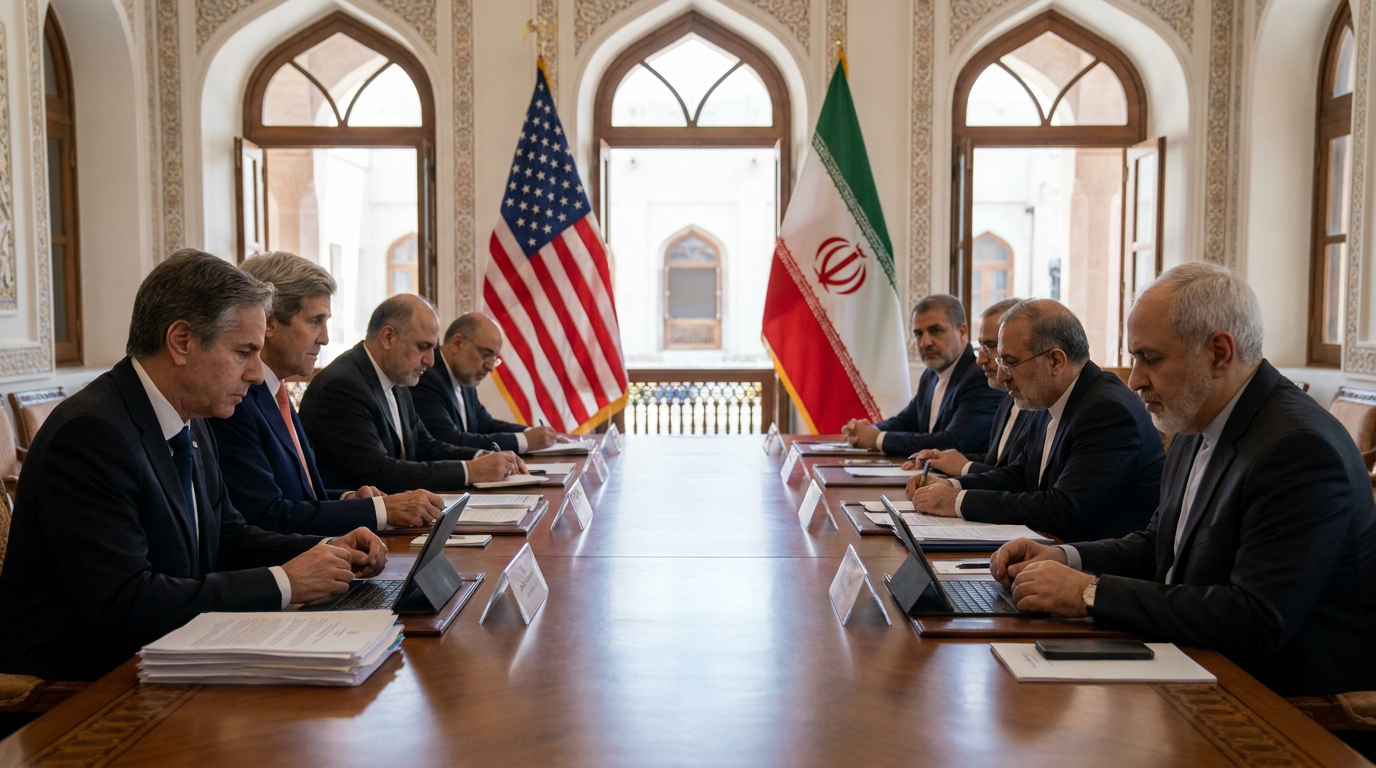
Following weeks of intense back-channel negotiations mediated by Pakistan and Oman, officials from both Washington and Tehran confirmed Friday that a final text for a Memorandum of Understanding is nearly complete.[3][5]
President Donald Trump announced from the Oval Office that the US had reached a "great settlement," suggesting a formal signing could take place in Europe as early as this weekend, potentially with Vice President J.D. Vance representing the United States.[6][7]
Iranian Foreign Minister Abbas Araghchi echoed the optimism, stating the two nations have "never been closer" to an agreement. Pakistani Prime Minister Shehbaz Sharif, a key mediator, went further, declaring on social media that an "agreed upon text of the peace deal has been reached."[2][5]

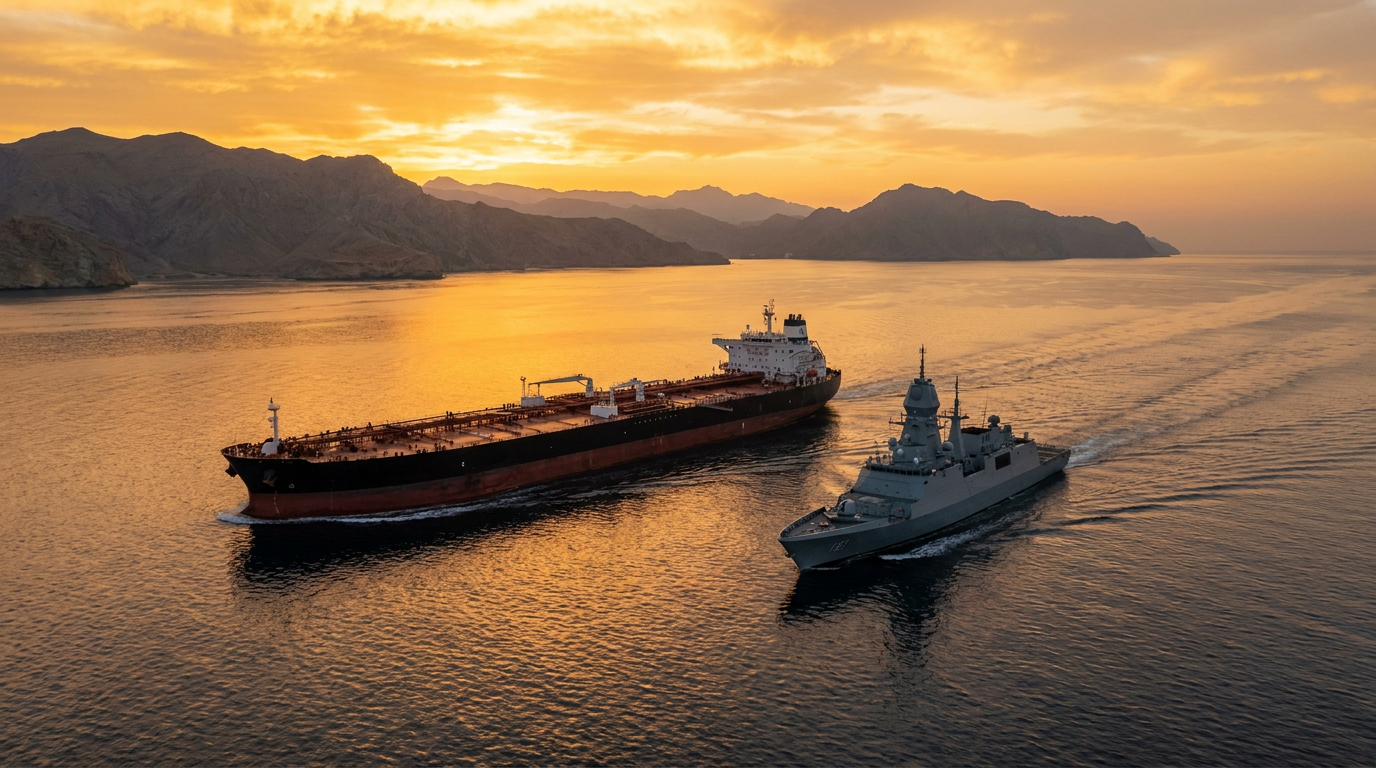
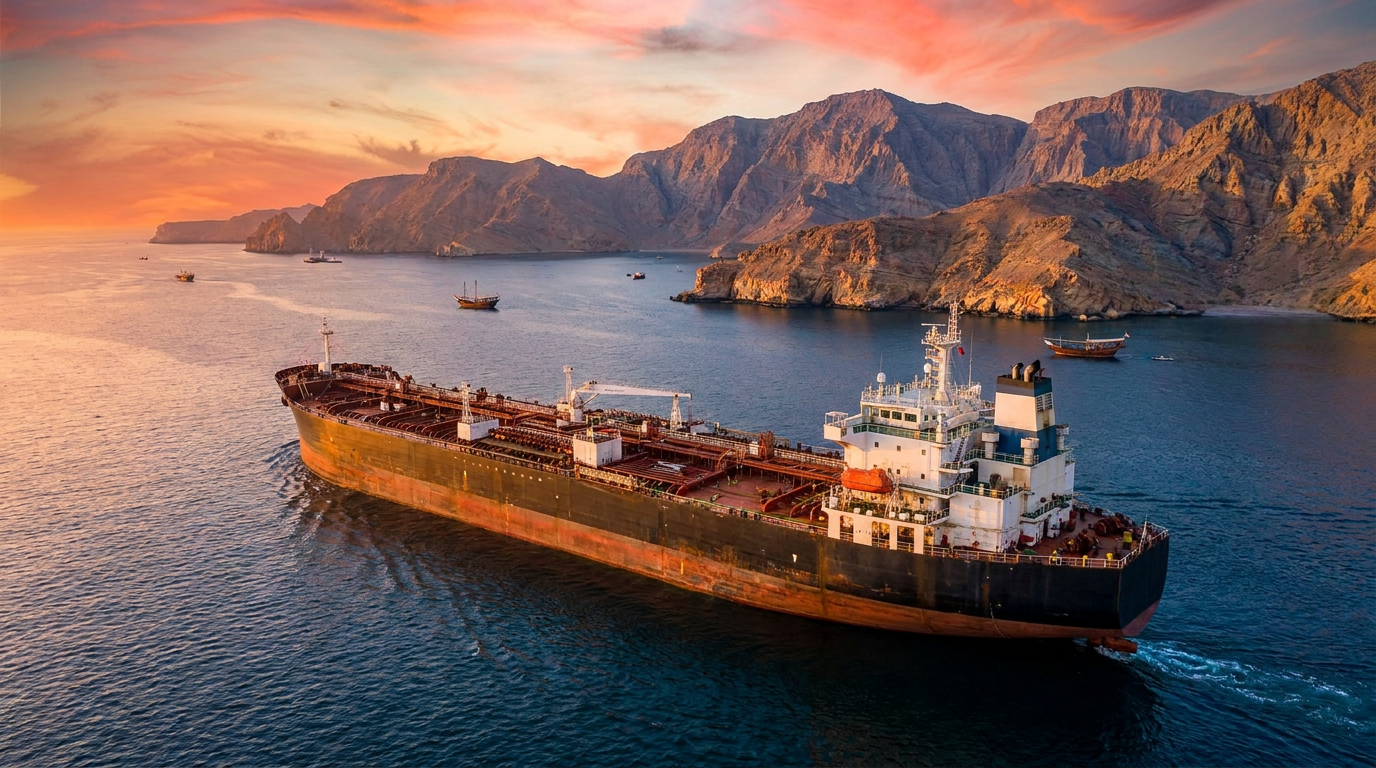
If finalized, the memorandum would establish a 60-day ceasefire and mandate the immediate reopening of the Strait of Hormuz. The strategic waterway, which handles roughly 20% of the world's oil and liquefied natural gas, has been effectively closed by Iranian forces since the conflict escalated in late February.[4][8]
The prospect of unblocking the strait sent immediate ripples through global markets. Oil prices, which had spiked dramatically during the conflict, fell to around $89 a barrel on Friday as traders priced in the de-escalation, while US equities rallied.[6]

The prospect of unblocking the strait sent immediate ripples through global markets.
Despite the mutual optimism, Washington and Tehran are already clashing over what the draft agreement actually stipulates. The conflicting narratives highlight the fragility of the truce before the ink is even dry.[2][5]
Senior US administration officials describe a strict, "performance-based" framework. Under this version, Iran must dismantle its nuclear infrastructure and destroy its stockpile of highly enriched uranium before receiving any sanctions relief or access to frozen funds.[1][5]
Conversely, Iranian state media leaked a draft suggesting Tehran had secured massive concessions, including the immediate unfreezing of up to $24 billion in assets, the lifting of the US naval blockade on Iranian ports, and continued Iranian oversight of the Strait of Hormuz.[2][4]

The Iranian leaks infuriated Trump, who took to social media to denounce the reports as "fake news" and called Iranian negotiators "very dishonorable people to deal with." He insisted the leaked terms bore no resemblance to the written agreement.[2][5]
The core of the long-term dispute remains Iran's nuclear ambitions. The initial memorandum is designed to pause hostilities to create a 60-day window for comprehensive negotiations on the nuclear program—the stated rationale for the initial US and Israeli strikes in February.[4][8]

The ceasefire would theoretically halt hostilities across all fronts, including the ongoing conflict between Israel and Hezbollah in Lebanon. However, Israeli Prime Minister Benjamin Netanyahu's office explicitly stated that Israel is not a party to the US-Iran memorandum, raising questions about the durability of a regional truce.[4][6]
Negotiators are now racing to finalize the logistics of the signing ceremony. While a senior US official estimated an "80 to 85%" chance the deal holds together, the deep mistrust and competing domestic political pressures in both capitals mean the agreement could still unravel at the eleventh hour.[2][3]
How we got here
February 2026
US and Israeli strikes on Iranian targets ignite a direct military conflict.
March 2026
Iran shuts down the Strait of Hormuz, choking off 20% of the world's oil supply.
April 2026
A temporary two-week ceasefire is announced but eventually breaks down amid renewed strikes.
June 11, 2026
President Trump calls off planned military strikes, citing massive progress in back-channel negotiations.
June 12, 2026
Mediators announce a final text has been reached, though Washington and Tehran immediately dispute the specific terms.
Viewpoints in depth
US Administration
The White House frames the deal as a strict, performance-based victory that neutralizes Iran's nuclear threat.
US officials emphasize that the agreement forces Iran to dismantle its nuclear infrastructure and destroy its highly enriched uranium stockpile before any financial relief is granted. President Trump and his allies argue that the military pressure campaign successfully brought Tehran to the table, securing the reopening of the Strait of Hormuz without offering upfront cash or compromising regional security.
Tehran's Leadership
Iranian officials portray the ceasefire as a historic triumph that broke the US blockade and secured massive economic relief.
Iranian state media and Foreign Minister Abbas Araghchi are projecting strength, claiming the war proved Iran's resilience. Their version of the agreement highlights the unfreezing of up to $24 billion in assets, the lifting of the US naval blockade, and a guarantee that Iran will maintain strategic oversight of the Strait of Hormuz. For Tehran, the deal is framed as a successful defense of its sovereignty against Western aggression.
Regional Allies & Israel
Middle Eastern allies are divided, with Gulf states eager for economic stability while Israel remains deeply skeptical.
Gulf nations and mediators like Pakistan and Oman are heavily invested in the ceasefire, viewing the reopening of the Strait of Hormuz as essential for their economies and global energy markets. In contrast, Israel has explicitly distanced itself from the memorandum. Israeli leadership remains concerned that a pause in fighting will allow Iranian proxies like Hezbollah to regroup, and they fear the US might accept a deal that leaves elements of Iran's nuclear program intact.
What we don't know
- Whether Iran's Supreme Leader has formally signed off on the final text.
- The exact sequence of sanctions relief versus nuclear concessions.
- How Israel will respond to a ceasefire that leaves Hezbollah intact on its northern border.
Key terms
- Strait of Hormuz
- A narrow waterway between the Persian Gulf and the Gulf of Oman through which roughly 20% of the world's oil supply passes.
- Memorandum of Understanding (MOU)
- A formal, written agreement between two or more parties that establishes a framework for future negotiations, often used as a preliminary step before a binding treaty.
- Highly Enriched Uranium
- Uranium that has been processed to a purity level sufficient for use in nuclear weapons, a central focus of the US-Iran dispute.
Frequently asked
What does the peace deal actually do?
The proposed Memorandum of Understanding would establish a 60-day ceasefire, reopen the Strait of Hormuz to global shipping, and lift the US naval blockade on Iranian ports.
Will Iran get its frozen assets back?
It is highly contested. Iranian media claims the deal immediately unfreezes $24 billion, while US officials insist Iran will receive no money until it verifiably dismantles its nuclear program.
Is Israel part of this agreement?
No. Israeli Prime Minister Benjamin Netanyahu's office confirmed that Israel is not a party to the US-Iran memorandum, though the deal reportedly calls for a cessation of hostilities on all fronts.
How are oil prices reacting?
Global oil prices dropped to around $89 a barrel following news of the impending deal, as markets anticipated the reopening of the Strait of Hormuz.
Sources
Source coverage
8 outlets
3 viewpoints surfaced






[1]TimeUS Administration
Ceasefire Deal Within Reach, U.S. and Tehran Say
Read on Time →[2]The GuardianTehran's Leadership
US president dismisses Iranian media reports agreement is close, despite earlier suggesting a deal could be signed this weekend
Read on The Guardian →[3]The Washington PostRegional Allies & Mediators
U.S. and Iran close to signing ceasefire deal, officials say
Read on The Washington Post →[4]CBCTehran's Leadership
U.S. and Iran signal peace deal close as reports suggest terms appear to favour Tehran
Read on CBC →[5]Channel News AsiaRegional Allies & Mediators
US, Iran signal peace deal close but differ on terms
Read on Channel News Asia →[6]The Straits TimesUS Administration
Trump announces 'great' Iran settlement that will trigger opening of Hormuz strait
Read on The Straits Times →[7]Al JazeeraTehran's Leadership
Iran war live: US, Tehran signal peace deal within reach but not signed yet
Read on Al Jazeera →[8]Council on Foreign RelationsRegional Allies & Mediators
Six Key Issues That Could Shape a Ceasefire
Read on Council on Foreign Relations →
More in news politics
See all 5 stories →Middle East Diplomacy
US and Iran Near Interim Agreement to Halt Hostilities: What the Deal Contains
0 sources
Union Contracts
House Passes Sweeping Labor Bill Mandating Strict Timelines for First Union Contracts
0 sources
US-Iran Deal
US and Iran on the Brink of Historic Interim Peace Agreement to End War
0 sources
Every angle. Every day.
Get news politics stories with full source coverage and perspective breakdowns delivered to your inbox.