
US and Iran Reach Framework Peace Deal to End 15-Week War
The United States and Iran have agreed to a memorandum of understanding that establishes an immediate ceasefire and reopens the Strait of Hormuz. The breakthrough triggers a 60-day negotiation window for a final settlement, though Israel has stated it is not bound by the deal's terms in Lebanon.
By Factlen Editorial Team
- US Administration & Mediators
- Views the deal as a historic victory that restores global economic stability and secures a path to dismantling Iran's nuclear program.
- Iranian Leadership
- Views the framework as a necessary first step to secure sanctions relief while maintaining leverage over the Strait of Hormuz.
- Israeli Government & Critics
- Views the deal with deep skepticism, asserting it does not bind Israel in Lebanon and leaves Iran's nuclear ambitions intact.
- Global Markets & Energy Sector
- Focused purely on the resumption of oil flows and the unwinding of the geopolitical risk premium that has inflated energy costs.
What's not represented
- · Lebanese civilians affected by the ongoing Israel-Hezbollah conflict
- · Commercial shipping companies navigating the Strait of Hormuz
Why this matters
This framework agreement halts a devastating 15-week conflict that choked global energy supplies and spiked inflation worldwide. Reopening the Strait of Hormuz will immediately lower global oil prices, though the fragile 60-day window to resolve Iran's nuclear status and Israel's ongoing war in Lebanon means regional stability remains precarious.
Key points
- The US and Iran reached a framework agreement to end their 15-week conflict.
- The deal includes an immediate ceasefire and the reopening of the Strait of Hormuz.
- Global oil prices tumbled and stock markets rallied following the announcement.
- A 60-day negotiation window will address Iran's nuclear program and sanctions relief.
- Israel stated it is not bound by the deal and will maintain troops in Lebanon.
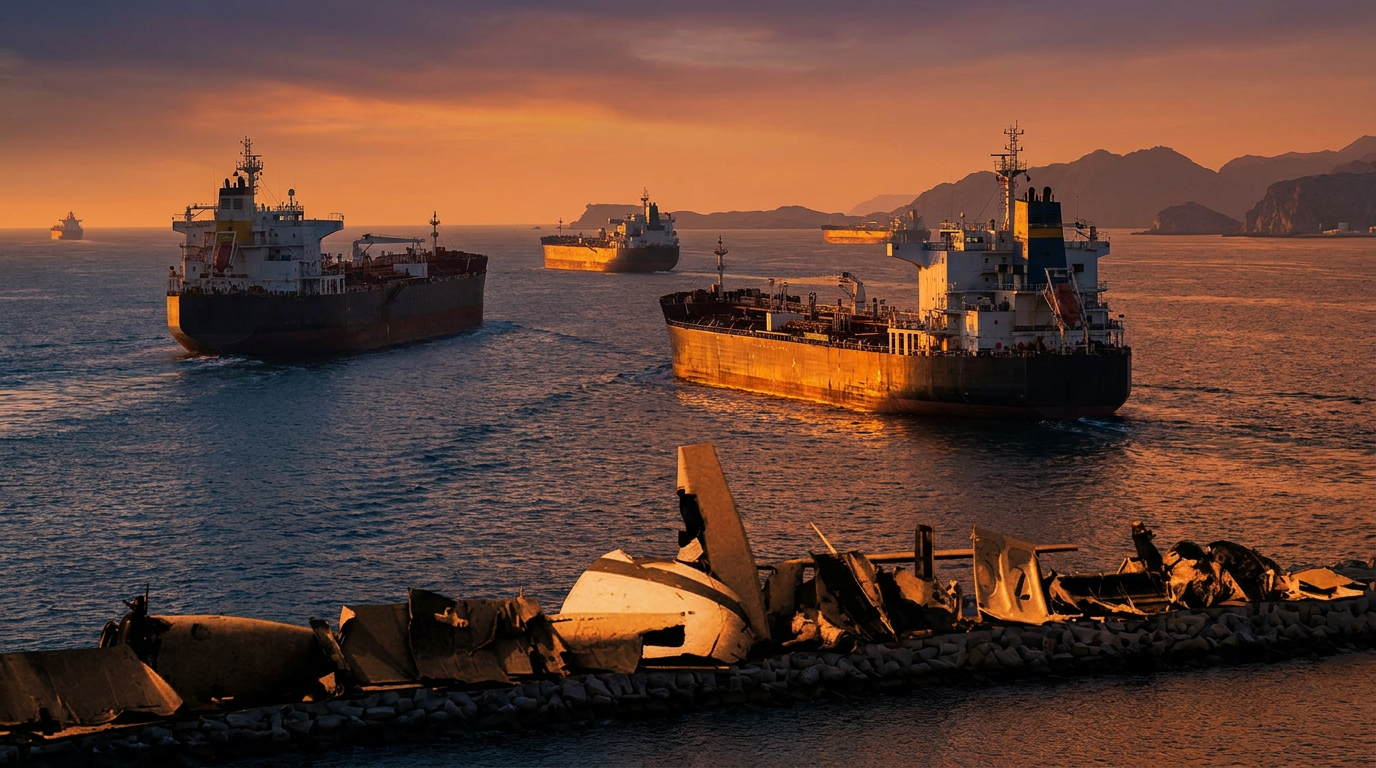
The United States and Iran have reached a framework peace deal to end their devastating 15-week conflict, signaling a potential close to a war that has roiled the Middle East and choked the global economy. The memorandum of understanding, brokered with the help of Pakistan and Qatar, establishes an immediate ceasefire across all fronts and paves the way for the reopening of the Strait of Hormuz.[1][2]
The announcement sent an immediate wave of relief through global financial markets, which have been battered by the greatest energy supply crisis in modern history. Brent crude oil, the global benchmark, tumbled 4% to $83.80 a barrel—a sharp decline from its May peak of over $126. European and Asian stock markets surged, with Japan's Nikkei index jumping 5% as the geopolitical risk premium began to unwind.[1][4]

U.S. President Donald Trump celebrated the breakthrough on social media, declaring the deal "complete" and authorizing the immediate removal of the U.S. naval blockade on Iranian ports. "Ships of the World, start your engines. Let the oil flow!" Trump wrote, adding that the Strait of Hormuz would be reopened "toll-free" to international shipping.[3][7]
Iranian officials confirmed the agreement but offered a more measured assessment. Deputy Foreign Minister Kazem Gharibabadi stated that the framework puts an end to military operations but emphasized that it is only a "first step." Iran's foreign ministry reiterated its "deep mistrust" of the United States, noting that a final settlement will require grueling negotiations over the next 60 days.[1][2][6][7]
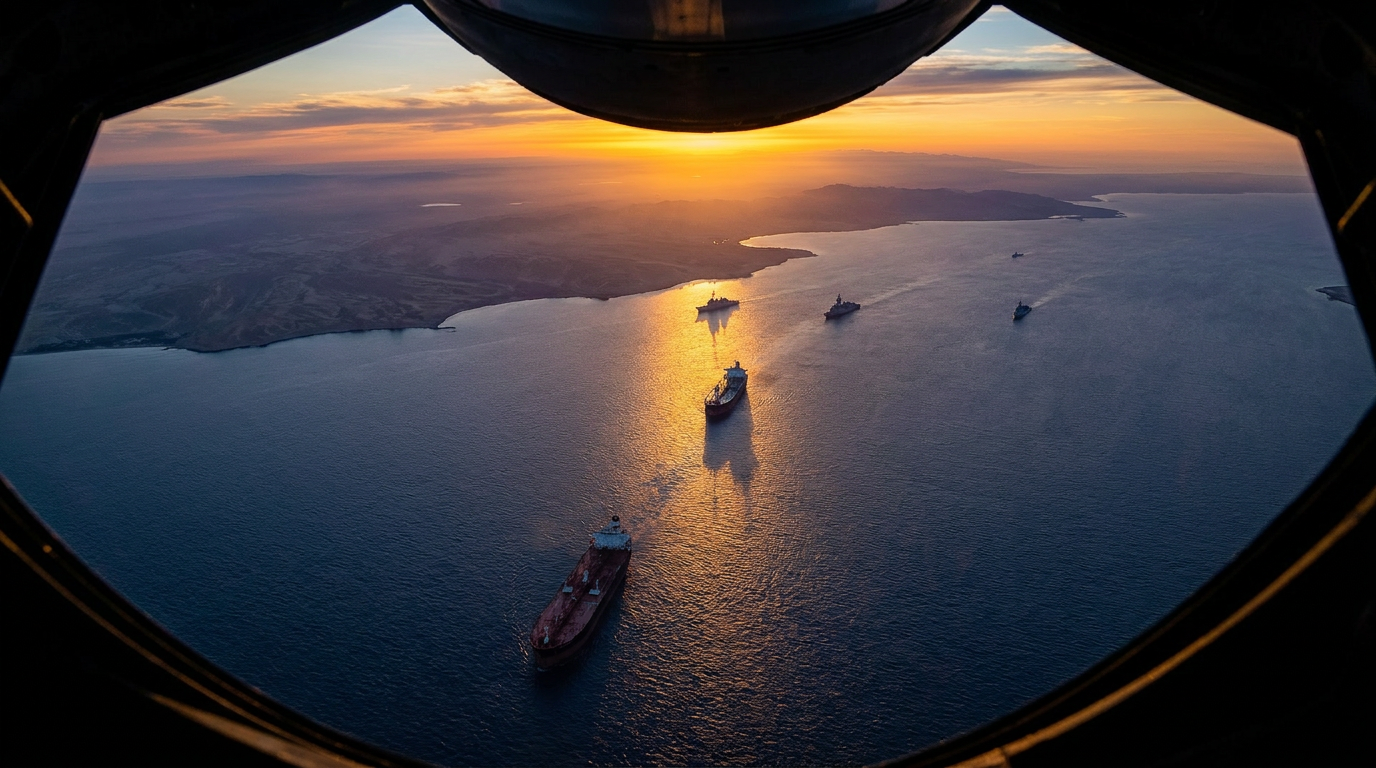
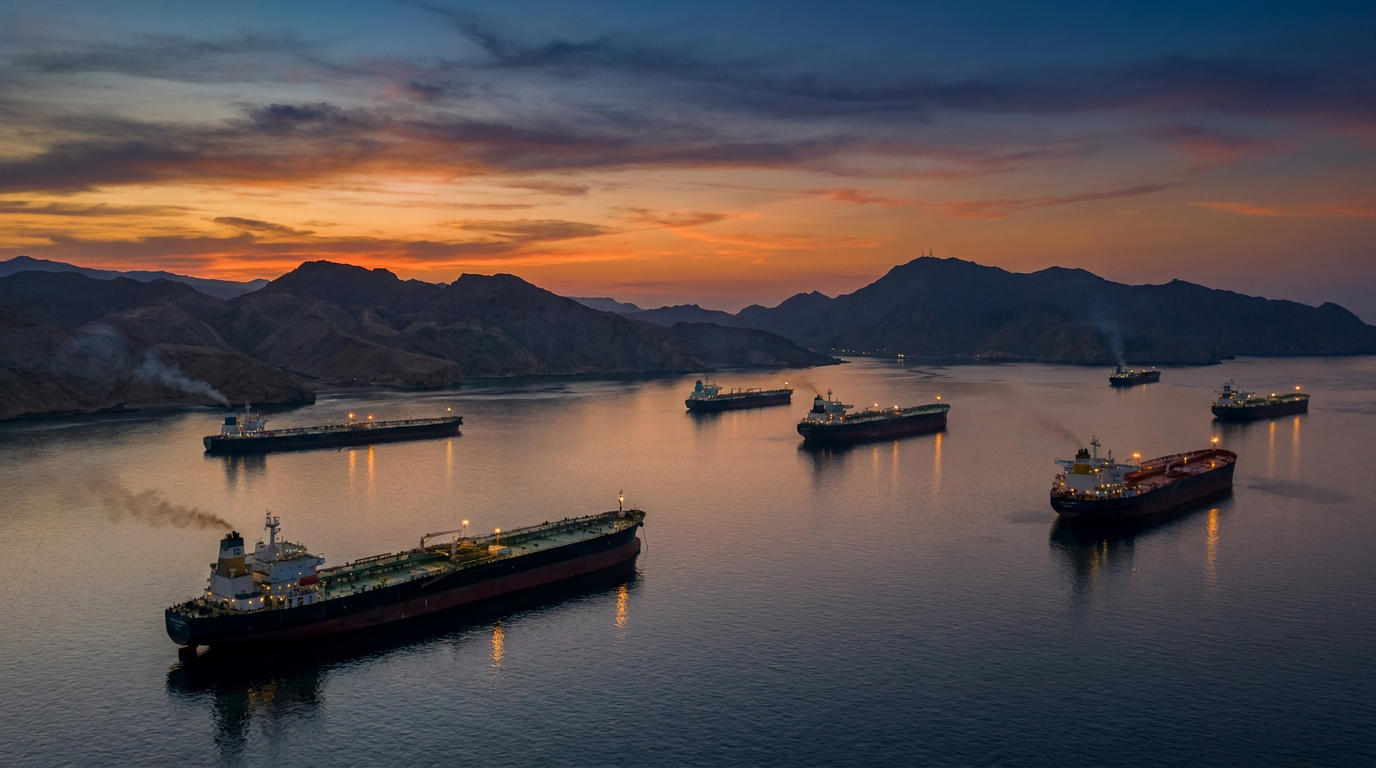
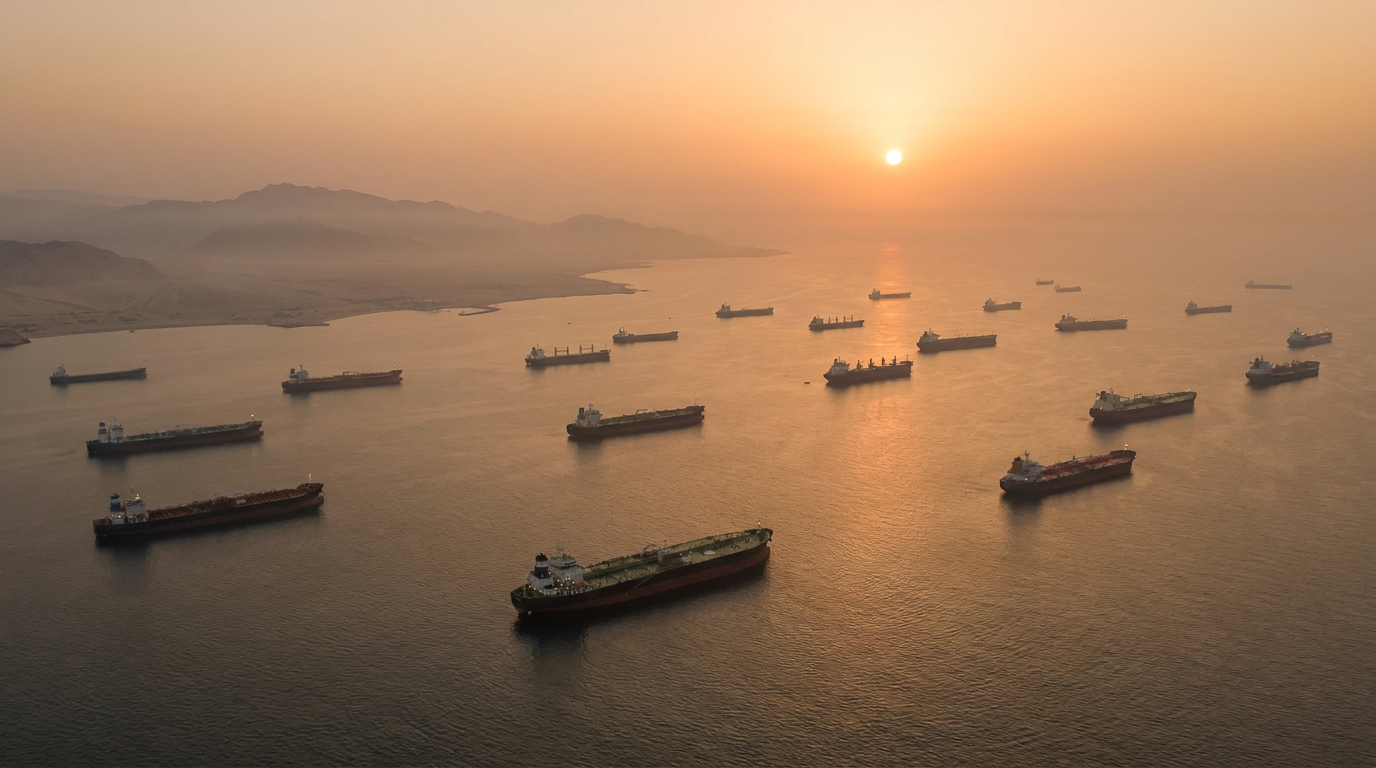
The exact mechanics of the Strait of Hormuz's reopening remain a point of contention. While Washington insists the waterway will be entirely toll-free, Iranian state media reports suggest the strait will reopen under "Iranian arrangements," implying Tehran may seek to retain some management or oversight of the shipping lanes. The strait is a vital maritime chokepoint, historically handling roughly 20% of the world's crude oil supply.[4][6]

The exact mechanics of the Strait of Hormuz's reopening remain a point of contention.
Beyond the immediate resumption of maritime traffic, the framework triggers a 60-day negotiation window to address the conflict's underlying catalysts. Chief among these is the fate of Iran's nuclear program. The U.S. has demanded the dismantling of Tehran's highly enriched uranium stockpile, while Iranian officials insist their program is peaceful and seek the permanent lifting of crippling economic sanctions.[1][8]
The peace deal also faces significant hurdles from regional allies, most notably Israel. Despite the U.S. and Iran declaring a ceasefire on all fronts—including Lebanon—Israeli Prime Minister Benjamin Netanyahu informed the White House that Israel does not consider itself bound by the agreement.[3][5]
Israeli Defense Minister Israel Katz confirmed that the military intends to keep troops in southern Lebanon indefinitely to combat Hezbollah, and Israeli airstrikes on Beirut continued even as the peace deal was being announced. This ongoing friction threatens to complicate the fragile U.S.-Iran detente, as Tehran had previously made a halt to Israeli operations in Lebanon a condition for peace.[3][7]

Within Israel, the framework has sparked fierce domestic criticism. Opposition leader Yair Lapid condemned the emerging deal as a "complete failure" for Netanyahu, arguing that it leaves the Iranian government in power, its missile program intact, and fails to achieve any of Israel's primary war objectives.[5]
The international community, however, has overwhelmingly embraced the breakthrough. The United Nations, the European Union, and leaders from the G7 praised the diplomatic efforts of regional mediators. The formal signing of the memorandum of understanding is scheduled to take place electronically and in Switzerland on Friday, June 19, marking the official start of the 60-day countdown to a permanent treaty.[2][7][8]
How we got here
Late February 2026
The United States and Israel launch strikes on Iran, triggering a 15-week regional war.
March 2026
Iran blockades the Strait of Hormuz, and the U.S. responds with a naval blockade of Iranian ports.
May 2026
Global energy markets face a historic crisis as Brent crude oil peaks at over $126 a barrel.
June 14, 2026
The U.S. and Iran announce a framework peace deal to end hostilities and reopen shipping lanes.
June 19, 2026
The official signing of the memorandum of understanding is scheduled to take place in Switzerland.
Viewpoints in depth
US Administration & Mediators
Views the deal as a historic victory that restores global economic stability and secures a path to dismantling Iran's nuclear program.
For the U.S. administration and the international mediators who brokered the deal, the framework represents a massive diplomatic triumph. President Trump has framed the agreement as a total victory, asserting that the U.S. naval blockade successfully forced Tehran to the table. Washington's primary focus is the immediate, toll-free reopening of the Strait of Hormuz to stabilize the global economy, followed by a strict 60-day window to permanently dismantle Iran's highly enriched uranium stockpile.
Iranian Leadership
Views the framework as a necessary first step to secure sanctions relief while maintaining leverage over the Strait of Hormuz.
Tehran views the memorandum of understanding not as a surrender, but as a strategic pause. Iranian officials emphasize that the deal is merely a "first step" and maintain deep mistrust of U.S. intentions. By agreeing to the framework, Iran secures the lifting of the U.S. naval blockade and opens the door to billions in frozen assets. Crucially, state media insists the Strait of Hormuz will reopen under "Iranian arrangements," signaling that Tehran intends to project continued sovereignty over the vital waterway.
Israeli Government & Critics
Views the deal with deep skepticism, asserting it does not bind Israel in Lebanon and leaves Iran's nuclear ambitions intact.
The Israeli government has reacted to the U.S.-Iran detente with alarm and defiance. Prime Minister Benjamin Netanyahu has made it clear that Israel is not a party to the agreement and will not halt its military operations against Hezbollah in southern Lebanon. Domestically, the deal has sparked outrage among Israeli opposition leaders, who argue that the framework is a catastrophic failure that allows the Iranian regime to survive the war with its ballistic missile and nuclear infrastructure largely untouched.
What we don't know
- Whether Iran will attempt to impose tolls or management fees on ships passing through the Strait of Hormuz.
- How the U.S. and Iran will resolve the fate of Tehran's highly enriched uranium during the 60-day negotiation window.
- Whether ongoing Israeli military operations in Lebanon will derail the fragile U.S.-Iran ceasefire.
Key terms
- Strait of Hormuz
- A vital maritime chokepoint between the Persian Gulf and the Gulf of Oman, through which roughly 20% of the world's oil supply passes.
- Memorandum of Understanding (MoU)
- A formal agreement between two or more parties that establishes a framework for future negotiations, though it is often not legally binding.
- Brent Crude
- A major trading classification of sweet light crude oil that serves as a benchmark price for purchases of oil worldwide.
- Highly Enriched Uranium
- Uranium that has been processed to increase the concentration of the U-235 isotope, which can be used for civilian nuclear power or, at higher levels, nuclear weapons.
Frequently asked
When does the peace deal officially take effect?
The memorandum of understanding is scheduled to be formally signed on Friday, June 19, in Switzerland.
Will the agreement end the fighting in Lebanon?
The U.S. and Iran have agreed to a ceasefire on all fronts, but Israel has stated it is not bound by the deal and intends to keep troops in southern Lebanon.
What happens to Iran's nuclear program?
The framework defers the nuclear issue to a 60-day negotiation window, during which the U.S. will push for the dismantling of Iran's highly enriched uranium stockpile.
How have global markets reacted?
Markets reacted with immense relief; Brent crude oil prices dropped 4% to $83.80 a barrel, and global stock indexes surged.
Sources
Source coverage
8 outlets
4 viewpoints surfaced








[1]The GuardianGlobal Markets & Energy Sector
US and Iran reach framework peace deal to end war
Read on The Guardian →[2]Al JazeeraIranian Leadership
World reacts as Iran and US reach tentative deal to end war
Read on Al Jazeera →[3]CBS NewsUS Administration & Mediators
U.S.-Iran deal updates: Israel says no Lebanon withdrawal
Read on CBS News →[4]CNBCGlobal Markets & Energy Sector
Oil hits 3-month low as US, Iran reach peace deal to reopen Strait of Hormuz
Read on CNBC →[5]The Jerusalem PostIsraeli Government & Critics
Iran's regime survives, Israel worries: Winners, losers emerging from new US-Iran deal
Read on The Jerusalem Post →[6]IRNAIranian Leadership
U.S.-Iran agreement only a 'first step,' top Iranian official says
Read on IRNA →[7]TimeUS Administration & Mediators
Trump announces US-Iran ceasefire
Read on Time →[8]The New York TimesUS Administration & Mediators
On the Nuclear Issue, Each Side Finds a Way to Claim Victory
Read on The New York Times →
More in news politics
See all 5 stories →
Every angle. Every day.
Get news politics stories with full source coverage and perspective breakdowns delivered to your inbox.