
US and Iran Reach Framework Peace Deal to Open Strait of Hormuz, but Israel Rejects Lebanon Ceasefire
The United States and Iran have agreed to a framework peace deal to end their months-long conflict and reopen the Strait of Hormuz. However, the pact faces immediate hurdles as Israel fiercely rejects provisions requiring a withdrawal from Lebanon.
By Factlen Editorial Team
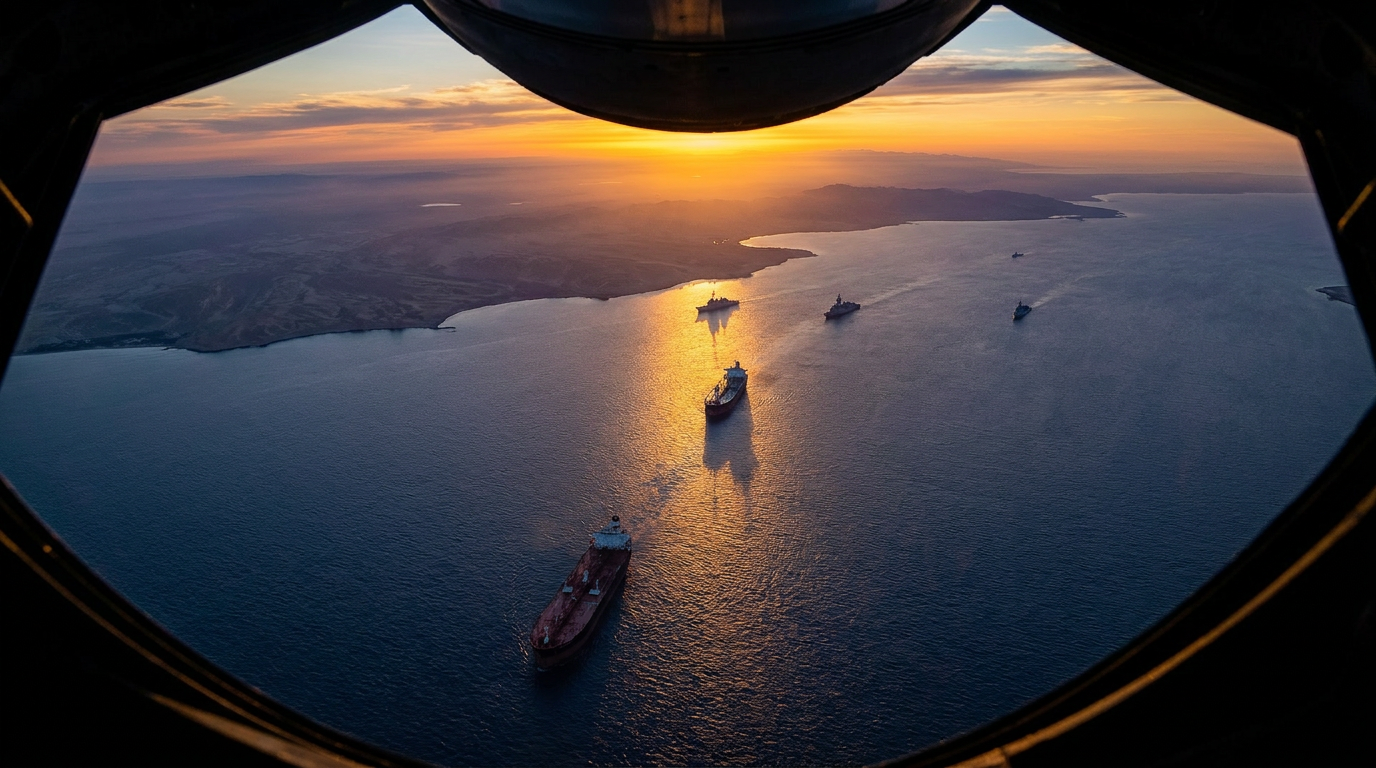
- Israeli Political Establishment
- Considers the agreement a strategic failure that leaves the Hezbollah threat intact.
- US Administration
- Views the deal as a major economic and diplomatic victory that reopens global trade routes.
- Iranian State
- Claims victory in maintaining sovereignty and leverage while securing economic relief.
- Global Observers
- Welcomes the de-escalation but remains highly concerned about Iran's unresolved nuclear program.
What's not represented
- · Lebanese Civilians
- · Global Shipping Insurers
Why this matters
This framework agreement halts a major global conflict that had choked off one of the world's most vital oil arteries, offering immediate relief to the global economy. However, Israel's refusal to abide by the ceasefire in Lebanon means the threat of a broader regional war remains highly volatile.
Key points
- The US and Iran reached a framework agreement to end their 3.5-month war.
- The deal aims to reopen the Strait of Hormuz and end the US naval blockade.
- Israel fiercely rejected the deal, refusing to withdraw forces from Lebanon.
- Iran claims it will still collect maritime service fees in the strait.
- Negotiations over Iran's nuclear program are delayed for a 60-day window.
The United States and Iran have reached a framework agreement to end their three-and-a-half-month war, aiming to reopen the critical Strait of Hormuz and halt military operations across all fronts.[4][7]
Mediated by Pakistan, the breakthrough deal is scheduled to be officially signed on Friday in Switzerland. The announcement marks a sudden de-escalation after weeks of intense naval blockades, regional strikes, and mounting anxiety over the stability of the global economy.[4][7]
President Donald Trump declared the agreement "complete" in a social media statement, announcing the immediate removal of the US naval blockade. "Ships of the World, start your engines. Let the oil flow!" Trump wrote, urging global shipping companies to resume transit through the vital waterway.[4]
The economic stakes of the resolution are massive. The closure of the Strait of Hormuz had choked global oil supplies, and US officials, including Vice President JD Vance, are already touting the immediate drop in oil prices as a major domestic victory for the administration.[3]

However, the exact terms of the maritime reopening remain fiercely contested. While the White House insists the waterway will be "permanently toll-free," Iranian state media reports that a last-minute clause guarantees Tehran the right to collect "maritime service fees," asserting continued Iranian sovereignty over the strait.[2][3]
However, the exact terms of the maritime reopening remain fiercely contested.
The most explosive reaction to the peace framework has come from Israel, where politicians across the spectrum awoke to what they are calling a "catastrophe" negotiated entirely over their heads.[5][6]
Israeli Defense Minister Israel Katz explicitly rejected the ceasefire's application to the northern front. Katz stated that Israeli forces will remain in southern Lebanon "indefinitely" to dismantle Hezbollah infrastructure, directly defying the US-Iran provision that calls for an end to military operations in Lebanon.[3][8]

This sentiment spans Israel's fractured political landscape. Opposition figures like Yair Golan labeled the accord the "greatest strategic failure" in Israel's history, while far-right National Security Minister Itamar Ben-Gvir insisted Israel is "not a banana republic" bound by Washington's treaties.[6][8]
For Prime Minister Benjamin Netanyahu, the deal presents a severe political crisis. He faces immense pressure from his right flank to continue the military campaign in Lebanon, putting his government on a direct collision course with Trump's demand for a comprehensive regional ceasefire.[5]
Meanwhile, European leaders and the G7 have cautiously welcomed the breakthrough, though their optimism is tempered by the unresolved status of Tehran's nuclear ambitions. French President Emmanuel Macron emphasized that the immediate priority must now shift to neutralizing Iran's enriched uranium stockpiles.[3]

The nuclear question remains the glaring omission in the current framework. Negotiators have reportedly set a 60-day window to address Iran's nuclear program, which advanced significantly during the conflict, leaving global observers wary of the deal's long-term viability.[2][7]
As Friday's signing ceremony approaches, the durability of the peace pact rests on a knife's edge. With Israel vowing to continue strikes in Lebanon, Iran threatening retaliation, and shipping insurers still wary of uncleared sea mines, the transition from a diplomatic framework to on-the-ground reality remains highly volatile.[1][3][5]
How we got here
Late Feb 2026
War breaks out, leading to a US naval blockade and the closure of the Strait of Hormuz.
April 2026
Pakistan assumes the role of primary mediator between Washington and Tehran.
June 14, 2026
The US and Iran reach a framework agreement to end hostilities on all fronts.
June 15, 2026
Israel publicly rejects the Lebanon ceasefire provisions; President Trump authorizes the removal of the US blockade.
June 19, 2026
Official signing ceremony scheduled to take place in Switzerland.
Viewpoints in depth
US Administration's view
The White House frames the deal as a decisive economic and diplomatic triumph.
US officials, led by President Trump and Vice President JD Vance, argue that the agreement achieves Washington's primary goal: reopening the Strait of Hormuz to stabilize global energy markets. By securing a commitment to end hostilities, the administration believes it has successfully leveraged its naval blockade to force Tehran to the table, while setting the stage for a lucrative new security arrangement in the Middle East.
Israeli Establishment's view
Israeli leaders across the political spectrum view the agreement as a dangerous capitulation.
From far-right ministers to centrist opposition leaders, the Israeli political class is united in its outrage. They argue the deal was negotiated over their heads and fails to dismantle Hezbollah's military infrastructure in Lebanon. Consequently, Israeli officials insist they are not bound by the ceasefire and will maintain their military presence in southern Lebanon indefinitely to protect their northern border.
Iranian State's view
Tehran claims it successfully defended its sovereignty while securing vital economic relief.
Iranian state media portrays the framework as a victory of endurance against US pressure. Officials emphasize that the agreement does not signify trust in Washington but is a necessary step to lift the crippling naval blockade. Crucially, Iranian sources insist they retained sovereignty over the Strait of Hormuz, claiming the right to collect maritime service fees despite US assertions that the waterway will be toll-free.
What we don't know
- Whether shipping insurers will deem the Strait of Hormuz safe enough to resume full transit before sea mines are cleared.
- How the US will respond to Israel's explicit refusal to halt military operations in Lebanon.
- Whether the 60-day negotiation window will successfully curtail Iran's advanced nuclear program.
Key terms
- Strait of Hormuz
- A crucial maritime chokepoint between the Persian Gulf and the Gulf of Oman, through which a significant portion of the world's oil supply passes.
- Naval Blockade
- A military operation in which ships are used to prevent vessels from entering or leaving a nation's ports.
- Hezbollah
- An Iran-backed militant group and political party based in Lebanon, heavily involved in the northern front of the conflict with Israel.
Frequently asked
Is the Strait of Hormuz fully open to shipping now?
While the US has authorized the removal of its naval blockade, many shipping companies and insurers are waiting for the official signing and the clearing of sea mines before resuming full transit.
Does this deal stop the fighting between Israel and Hezbollah?
The US-Iran framework calls for an end to military operations on all fronts, including Lebanon, but Israeli officials have explicitly stated they will not withdraw from Lebanese territory and are not bound by the deal.
What happens to Iran's nuclear program?
The current framework focuses on ending the immediate war and reopening shipping lanes. Broader negotiations regarding Iran's nuclear capabilities are scheduled to take place over the next 60 days.
Sources
Source coverage
8 outlets
4 viewpoints surfaced








[1]BBCGlobal Observers
Bowen: Iran deal ends Trump's war that revealed limit of US dominance
Read on BBC →[2]The New York TimesGlobal Observers
With Iran Deal, Trump Celebrates a Win but Much Remains Unfinished
Read on The New York Times →[3]The GuardianIranian State
US-Iran peace deal: Trump claims ships moving out of Strait of Hormuz as Israel rejects Lebanon withdrawal
Read on The Guardian →[4]CBS NewsUS Administration
Trump says U.S. deal with Iran 'is now complete,' authorizes removal of Navy blockade
Read on CBS News →[5]The Washington PostIsraeli Political Establishment
Israelis wake up to a 'catastrophe' as US-Iran deal is announced
Read on The Washington Post →[6]Anadolu AgencyIsraeli Political Establishment
Israeli politicians slam Netanyahu, call US-Iran deal 'greatest strategic failure'
Read on Anadolu Agency →[7]PBS NewsHourUS Administration
US, Iran reach agreement to end war and open Strait of Hormuz
Read on PBS NewsHour →[8]The HinduIsraeli Political Establishment
Israel's far-right National Security Minister denounces US-Iran deal
Read on The Hindu →
Every angle. Every day.
Get news politics stories with full source coverage and perspective breakdowns delivered to your inbox.