
US and Iran Reach Broad Peace Framework to End War and Reopen Strait of Hormuz
The United States and Iran have agreed to a framework peace deal that establishes a 60-day ceasefire, reopens the Strait of Hormuz, and defers negotiations on Tehran's nuclear program. The breakthrough, mediated by Pakistan and Qatar, aims to end a three-and-a-half-month conflict that has severely disrupted global energy markets.
By Factlen Editorial Team
- U.S. Administration
- Focuses on reopening the Strait of Hormuz toll-free, lowering energy prices, and preventing a nuclear-armed Iran.
- Iranian Government
- Prioritizes sanctions relief, the release of frozen assets, and maintaining leverage over the Strait of Hormuz.
- Israeli Government
- Skeptical of the deal, emphasizing that Israel is not bound by the Lebanon ceasefire clause.
- Global Mediators
- Relieved by the de-escalation, focusing on the resumption of global trade and regional stability.
What's not represented
- · Lebanese civilians
- · European energy importers
Why this matters
The reopening of the Strait of Hormuz immediately lowers global oil prices, directly reducing inflation and energy costs for consumers worldwide. However, the fragile 60-day window means the threat of a renewed, wider Middle Eastern war—and subsequent economic shocks—still looms if final nuclear negotiations collapse.
Key points
- The U.S. and Iran agreed to a 60-day ceasefire and the reopening of the Strait of Hormuz.
- Global oil prices dropped by more than $4 per barrel following the announcement.
- The framework defers final negotiations on Iran's nuclear program and sanctions relief.
- U.S. and Iranian officials disagree on whether the Strait will remain permanently toll-free.
- Israel stated it is not bound by the deal's clause to end military operations in Lebanon.
The United States and Iran have reached a preliminary framework agreement to end a devastating three-and-a-half-month war, establishing a 60-day ceasefire and reopening the economically vital Strait of Hormuz. The breakthrough, mediated primarily by Pakistan and Qatar, aims to halt military operations across all fronts and sets the stage for complex, high-stakes negotiations over Tehran's nuclear program and international sanctions. Pakistani Prime Minister Shehbaz Sharif announced the memorandum of understanding over the weekend, capping weeks of fraught, back-channel diplomacy. An official signing ceremony is scheduled for Friday in Switzerland, where Iranian and American representatives will formally initiate the 60-day window to hash out the technical details of a lasting peace treaty.[1][2][4]
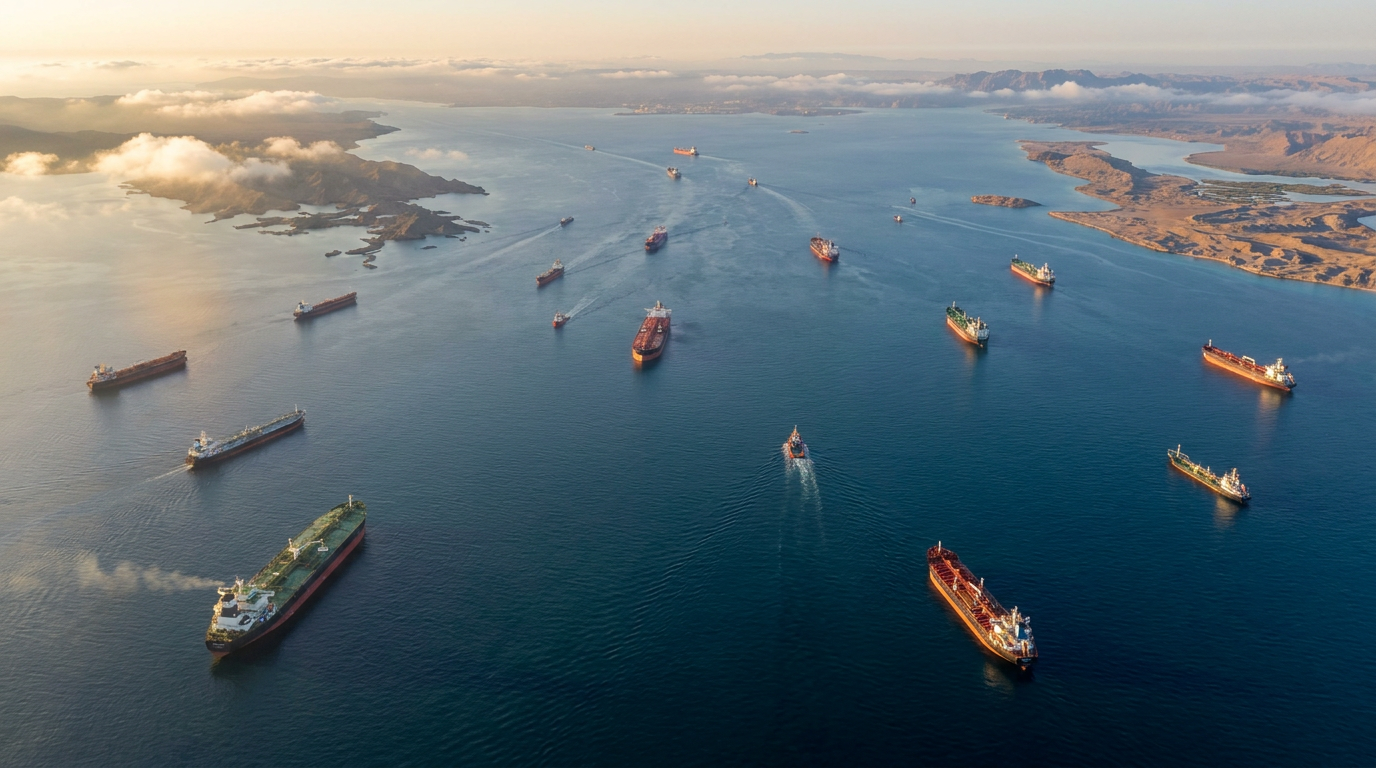
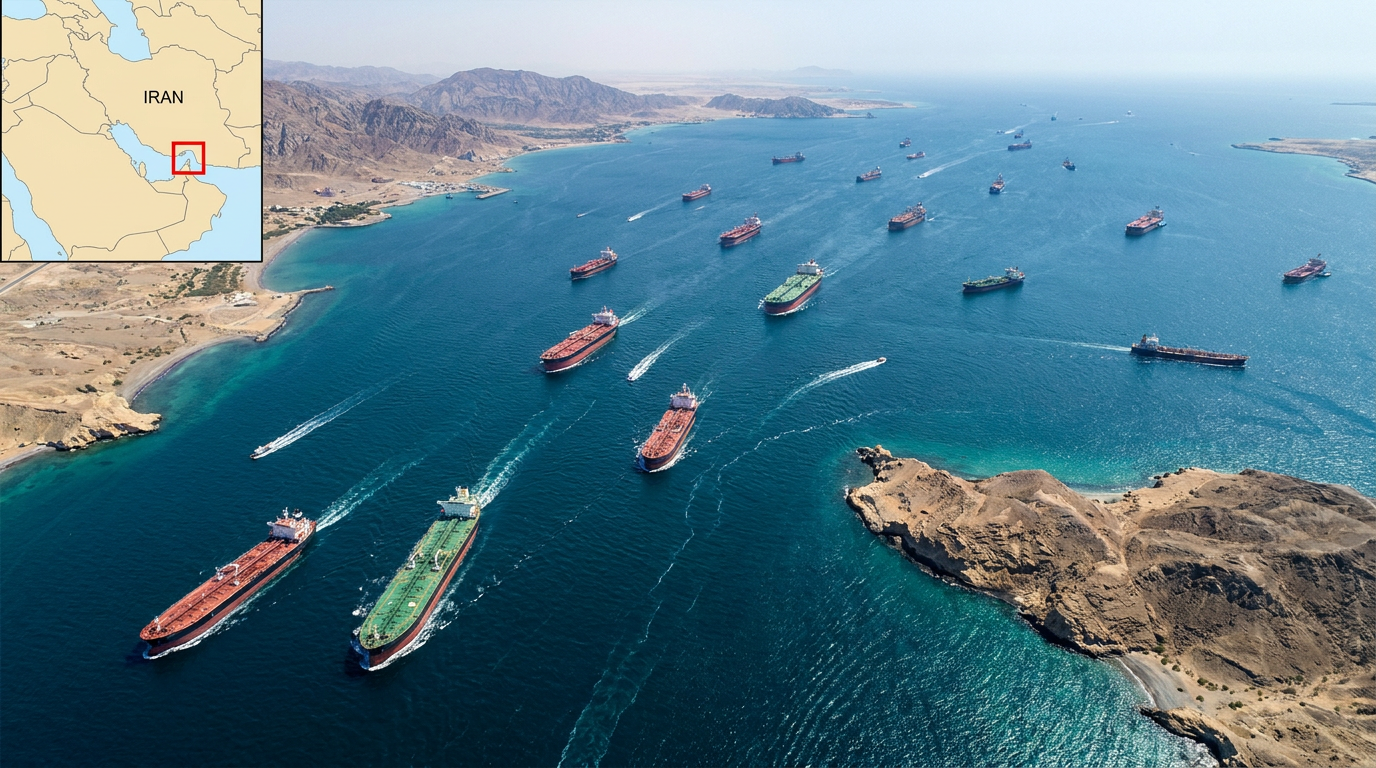
The conflict, which erupted in late February following joint U.S.-Israeli strikes on Iranian military and nuclear infrastructure, severely disrupted global energy markets and triggered a U.S. naval blockade of Iranian ports. Under the new framework, the blockade will be lifted, and commercial shipping is expected to resume through the Strait of Hormuz. Historically, this narrow waterway handled roughly 20 percent of global crude oil transit, making its closure a choke point for the international economy. President Donald Trump authorized the immediate removal of the naval blockade, declaring that ships could begin moving safely through the southern transit corridors.[3][4]
Global markets reacted immediately and aggressively to the de-escalation. Oil prices tumbled in early trading, with the international benchmark Brent crude falling more than $4 to $83.11 per barrel, and the U.S. standard West Texas Intermediate dropping to $80.47. While these prices remain above pre-war levels, the sharp drop signals profound relief among energy importers and insurers. Simultaneously, U.S. stock markets surged to record highs, with the Dow Jones Industrial Average gaining over 500 points. Investors broadly anticipated that the resumption of maritime trade would bring much-needed relief from the inflationary pressures caused by the prolonged supply chain disruptions.[3]

The U.S. administration championed the agreement as a decisive economic and strategic victory. Vice President JD Vance stated that the deal ensures the Strait of Hormuz will reopen "in a toll-free way for the long-term" and provides a verifiable mechanism to prevent Iran from ever acquiring a nuclear weapon. Vance firmly denied reports that the U.S. would release frozen Iranian funds upfront, insisting that any economic benefits are strictly contingent on Tehran meeting its obligations during the 60-day verification period. According to the administration, the framework prioritizes American security concerns while offering Iran a path back into the global economy only through strict compliance.[5][6][7]
administration championed the agreement as a decisive economic and strategic victory.
However, Iranian state media and officials have presented a markedly different interpretation of the framework's terms, setting up a contested narrative ahead of the technical talks. Semi-official outlets like Fars and Mehr reported that the Strait of Hormuz would be managed under "Iranian arrangements," suggesting that Tehran might impose transit fees on commercial vessels after the initial 60-day window expires. Furthermore, Iranian sources claimed the deal includes the immediate unfreezing of $12 billion to $24 billion in assets—a point U.S. officials have vehemently contested. These discrepancies highlight the fragility of the memorandum and the steep diplomatic hurdles that remain.[1][3]

The scope of the ceasefire has also exposed a significant rift between Washington and its closest Middle Eastern ally, Israel. While Pakistani mediators and Iranian officials announced that the agreement mandates the "immediate and permanent termination of military operations on all fronts, including in Lebanon," the Israeli government pushed back forcefully. Israeli officials stated they are not bound by the U.S.-Iran pact and will maintain their military campaign against Hezbollah in southern Lebanon to secure their northern border. This carve-out threatens to complicate the broader regional de-escalation, as Tehran has historically insisted that any peace deal must protect its regional proxies.[3][4][5]
The upcoming 60-day negotiation period will be critical for addressing the war's underlying catalyst: Iran's nuclear ambitions. The framework defers the most contentious technical discussions, including the fate of Iran's highly enriched uranium stockpiles and the exact sequencing of sanctions relief. French President Emmanuel Macron and other international leaders have emphasized that Iran's remaining nuclear capabilities must be neutralized and placed under strict United Nations supervision. The U.S. approach relies on a two-step verification process, demanding that Iran prove its nuclear compliance before gaining full access to an unsanctioned global economy.[1][7]

As diplomats prepare for Friday's signing ceremony in Switzerland, the durability of the peace deal remains highly uncertain. The agreement effectively returns the region to a precarious pre-war status quo, but with thousands dead, infrastructure destroyed, and deep mistrust lingering on all sides. Negotiators now face the daunting task of translating a fragile memorandum of understanding into a binding, long-term treaty that satisfies hardliners in both Washington and Tehran. If the 60-day window closes without a comprehensive agreement, the region risks plunging back into a conflict that has already reshaped the geopolitical landscape.[1][4]
How we got here
February 2026
The U.S. and Israel launch joint military strikes on Iranian infrastructure, sparking a three-and-a-half-month war.
April 2026
A fragile two-week ceasefire is brokered by Pakistan, but hostilities eventually resume over the blockade of the Strait of Hormuz.
June 14, 2026
U.S. and Iranian officials agree to a memorandum of understanding for a permanent ceasefire and the reopening of maritime trade.
June 19, 2026
Official signing ceremony scheduled to take place in Switzerland to initiate the 60-day negotiation period.
Viewpoints in depth
U.S. Administration's view
Focuses on economic relief, toll-free shipping, and verifiable nuclear compliance.
President Trump and Vice President JD Vance frame the deal as a total victory that reopens the Strait of Hormuz without conceding upfront cash. They emphasize a strict two-step verification process, arguing that Iran will only receive sanctions relief and access to the global economy if it definitively proves it has abandoned its nuclear weapons program. For the administration, the immediate drop in oil prices validates their negotiating strategy.
Iranian Government's view
Prioritizes immediate sanctions relief, asset unfreezing, and sovereignty over regional waterways.
Iranian officials and state media portray the framework as a successful defense of their sovereignty that forces the U.S. to lift its naval blockade. Tehran's narrative insists that the Strait of Hormuz will eventually fall back under Iranian management, potentially allowing them to charge transit fees. They also maintain that billions in frozen assets must be released during the 60-day negotiation window, viewing this as a prerequisite for any permanent nuclear concessions.
Israeli Government's view
Views the framework with deep skepticism and refuses to halt operations in Lebanon.
Israeli leadership argues that the U.S.-Iran deal fails to neutralize the immediate threat posed by Hezbollah. Consequently, Israel has declared it is not bound by the ceasefire's Lebanon clause and will continue military operations to secure its northern border. Israeli hardliners also worry that a 60-day negotiation period gives Iran time to regroup without permanently dismantling its nuclear infrastructure.
What we don't know
- Whether Iran will actually receive billions in frozen assets upfront, as Tehran claims, or if all financial relief is contingent on nuclear compliance, as Washington insists.
- How Israel's refusal to halt its military operations against Hezbollah in Lebanon will impact Iran's willingness to finalize the broader treaty.
- The exact mechanism that will be used to monitor and verify the dismantling of Iran's enriched uranium stockpiles.
Key terms
- Strait of Hormuz
- A narrow, strategically vital waterway between the Persian Gulf and the Gulf of Oman, through which roughly 20% of the world's crude oil passes.
- Memorandum of Understanding (MoU)
- A preliminary, non-binding agreement outlining the broad terms of a deal before a final, formal treaty is signed.
- Brent Crude
- A major global benchmark for oil prices, used to price two-thirds of the world's internationally traded crude oil supplies.
Frequently asked
Is the war between the US and Iran completely over?
The two nations have agreed to a framework for a permanent ceasefire, but they must still negotiate a final, binding treaty over the next 60 days.
Will oil prices go down?
Yes, global oil prices immediately dropped by more than $4 per barrel following the announcement that the Strait of Hormuz would reopen to commercial shipping.
Does this deal stop the fighting in Lebanon?
While the U.S. and Iran say the deal covers all fronts including Lebanon, Israel has stated it is not bound by the agreement and will continue its military operations against Hezbollah.
Sources
Source coverage
7 outlets
4 viewpoints surfaced







[1]The GuardianIranian Government
US-Iran peace deal hinges on shipping, sanctions relief and deferred nuclear talks
Read on The Guardian →[2]Al JazeeraGlobal Mediators
World leaders welcome US-Iran peace deal announcement
Read on Al Jazeera →[3]CBS NewsU.S. Administration
Oil prices retreat, stocks climb on hopes for U.S.-Iran deal
Read on CBS News →[4]PBS NewsHourGlobal Mediators
US, Iran reach agreement to end war, open Strait of Hormuz
Read on PBS NewsHour →[5]The Jerusalem PostIsraeli Government
Many details of US-Iran deal still unresolved, says Vance
Read on The Jerusalem Post →[6]Iran InternationalU.S. Administration
Vance says Iran deal would release no cash for signing or talks
Read on Iran International →[7]Al-MonitorU.S. Administration
Vance says he hopes to release text of agreement to halt war in Iran this week
Read on Al-Monitor →
More in news politics
See all 5 stories →
Every angle. Every day.
Get news politics stories with full source coverage and perspective breakdowns delivered to your inbox.