
U.S. and Iran Reach Preliminary Deal to End War and Reopen Strait of Hormuz
The United States and Iran have agreed to a memorandum of understanding to halt their 100-day conflict, lifting naval blockades and initiating a 60-day window for broader nuclear and economic negotiations.
By Factlen Editorial Team
- U.S. Administration
- Frames the deal as a decisive victory that secured global energy while neutralizing Iranian naval threats.
- Iranian Leadership
- Projects resilience, arguing that the U.S. was forced to end the war to save the global economy.
- Global Energy Markets
- Deeply relieved by the ceasefire but highly cautious about physical maritime security and insurance costs.
- Regional Mediators
- Celebrate the agreement as a massive diplomatic breakthrough that prevented a wider regional catastrophe.
What's not represented
- · Lebanese civilians affected by the proxy conflict
- · European energy consumers facing downstream inflation
Why this matters
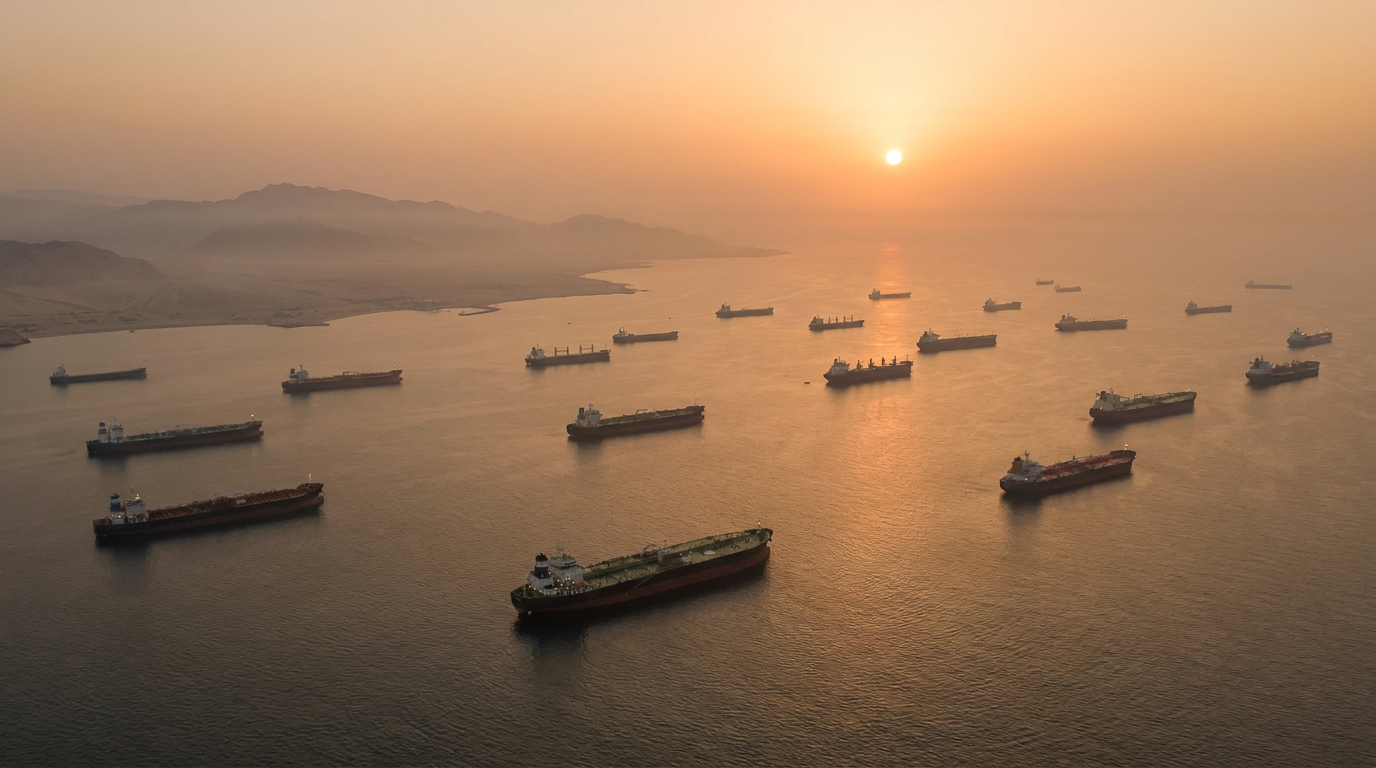
The reopening of the Strait of Hormuz directly impacts global inflation and energy costs. By ending a massive disruption to 20% of the world's oil supply, this deal pulls the global economy back from the brink of a severe energy-induced recession.
Key points
- The U.S. and Iran have reached a preliminary agreement to end their 100-day war and reopen the Strait of Hormuz.
- Global oil prices immediately dropped by roughly 5%, with Brent crude falling below $83 per barrel.
- The deal includes a 60-day negotiation window to address broader issues, including sanctions relief and Iran's nuclear program.
- Pakistan and Qatar played crucial roles in mediating the ceasefire between Washington and Tehran.
- While the political framework is set, physical shipping will take time to resume due to mine-clearing and insurance concerns.
After more than one hundred days of devastating conflict that choked the global economy, the United States and Iran have reached a preliminary memorandum of understanding to end hostilities and reopen the Strait of Hormuz. The breakthrough agreement, announced over the weekend, marks the first concrete de-escalation since the war erupted in late February. Brokered through intense backchannel diplomacy, the framework promises an immediate ceasefire across all fronts and sets the stage for a formal signing ceremony in Switzerland later this week. For a global market battered by unprecedented energy shocks, the announcement offers a sudden, if fragile, reprieve.[2][5]
The core mechanism of the agreement hinges on a mutual stand-down in the Persian Gulf. Under the terms of the deal, the United States will lift its naval blockade on Iranian ports, a measure imposed in retaliation for Tehran's closure of the vital maritime chokepoint. In exchange, Iran has committed to allowing the immediate resumption of commercial shipping through the Strait of Hormuz. The memorandum establishes a sixty-day negotiation window during which both sides will attempt to resolve broader, deeply entrenched disputes, including sanctions relief and the future of Iran's nuclear program.[5][6]
The immediate economic impact of the ceasefire was swift and dramatic. Global oil prices tumbled to a three-month low as trading opened on Monday, with Brent crude dropping roughly five percent to fall below $83 per barrel. West Texas Intermediate saw similar declines as commodity traders aggressively unwound the geopolitical risk premium that had been priced into energy markets since the conflict began. Equities markets across Europe and Asia also rallied, reflecting widespread relief that the greatest energy supply crisis in modern history might be drawing to a close.[1][2]

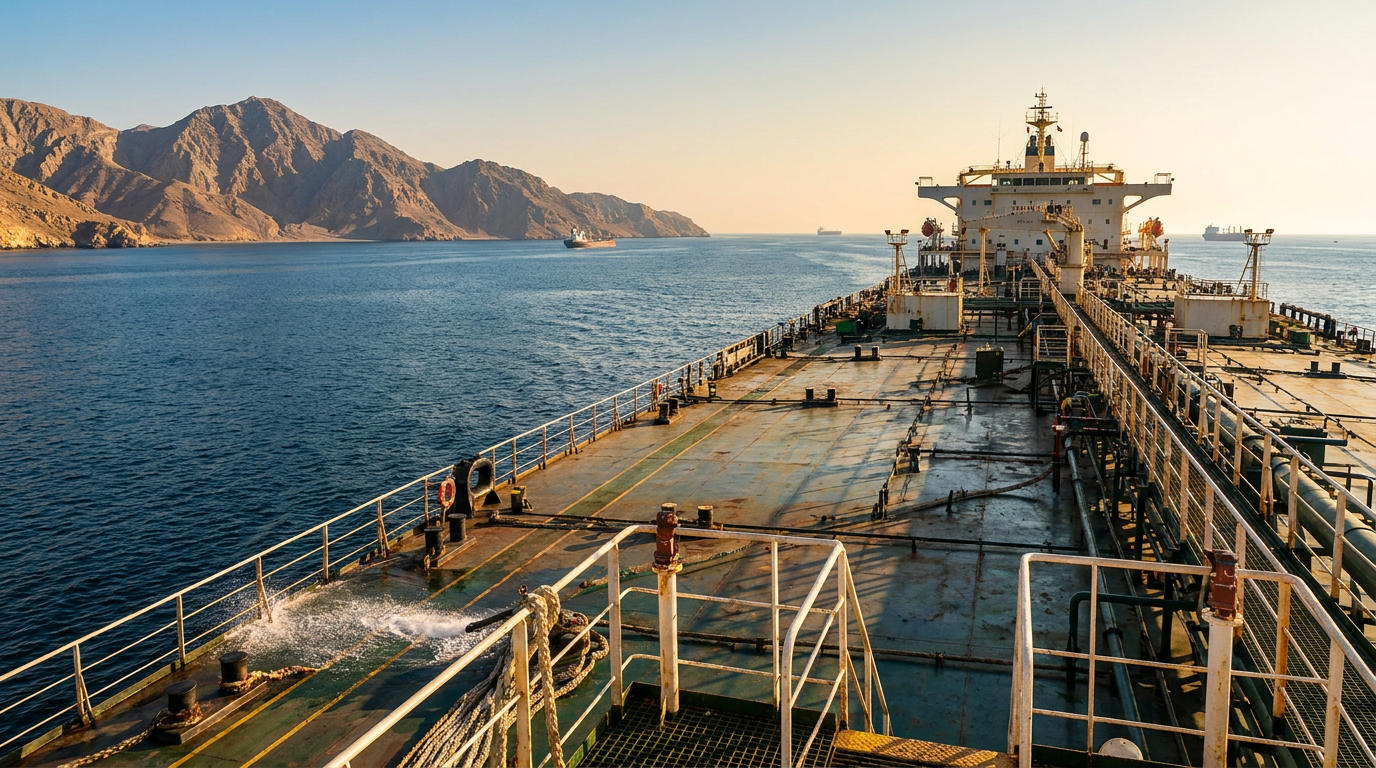
The outsized market reaction underscores the irreplaceable role of the Strait of Hormuz in the global energy ecosystem. Before the war effectively closed the waterway, an estimated 23.2 million barrels of oil flowed through the narrow passage every day, representing roughly one-fifth of the world's total petroleum consumption. The prolonged closure not only stranded millions of barrels of crude and liquefied natural gas but also forced shipping companies into massive logistical detours, fundamentally altering the calculus of global trade and driving up inflationary pressures worldwide.[1]
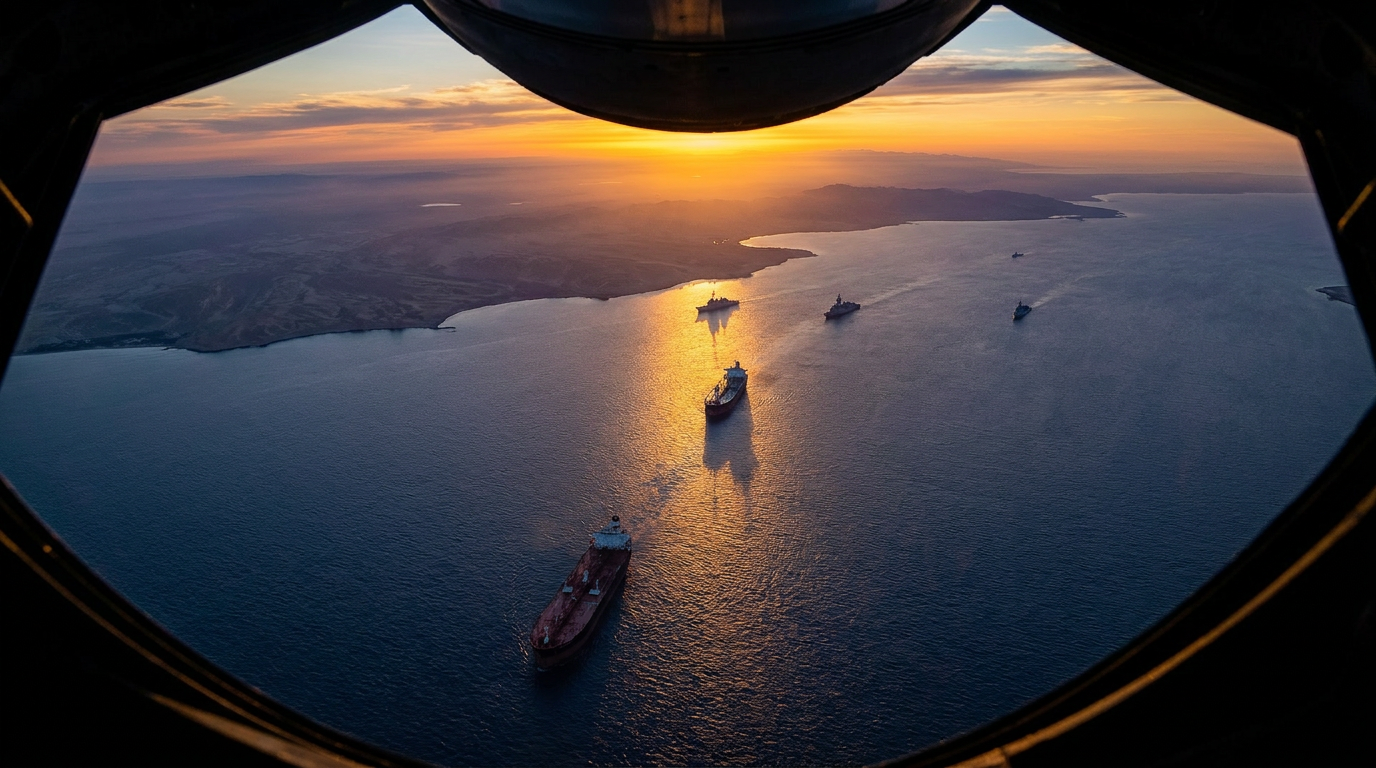
Despite the diplomatic breakthrough, the physical resumption of shipping will not happen overnight. Maritime operators and insurance syndicates remain highly cautious about the immediate safety of the corridor. The agreement mandates immediate mine-clearing operations and maritime coordination, but industry analysts warn that it could take weeks for traffic to return to pre-war levels. Until the waters are definitively cleared of naval mines and insurers lower their prohibitive war-risk premiums, many major shipping conglomerates are expected to keep their fleets anchored safely outside the Gulf.[2][6]
The path to this fragile truce was paved by relentless mediation from regional powers, most notably Pakistan and Qatar. Islamabad hosted the highest-level talks between Washington and Tehran since the two nations severed diplomatic ties in 1979, facilitating direct communication between U.S. and Iranian representatives. Pakistani Prime Minister Shehbaz Sharif, who first announced the breakthrough, has been widely credited by world leaders for keeping the negotiations alive through multiple rounds of escalatory violence, including recent Israeli airstrikes in Lebanon that threatened to derail the entire process.[4][8]
With the preliminary framework established, the diplomatic focus now shifts to Geneva, where the formal signing is scheduled to take place on Friday. This ceremony will officially start the clock on the sixty-day follow-up track. During this critical window, technical teams will be tasked with translating the broad strokes of the memorandum into enforceable policy. If the sides fail to reach a comprehensive resolution within that timeframe, the timeline could be extended, though the risk of the ceasefire collapsing remains a looming threat over the proceedings.[5][8]

With the preliminary framework established, the diplomatic focus now shifts to Geneva, where the formal signing is scheduled to take place on Friday.
In Washington, the political framing of the deal has been triumphant. President Donald Trump took to social media to declare the agreement complete, urging the world's ships to "start your engines" and "let the oil flow." The administration is pitching the resolution as a decisive victory that successfully neutralized Iran's conventional naval threats while securing the global energy supply. Trump further claimed that the agreement would make the Strait of Hormuz "permanently toll-free," asserting that his maximum-pressure military campaign had fundamentally reshaped the balance of power in the Middle East.[3][5]
The U.S. president also floated a sweeping new vision for the region's security architecture, suggesting that the United States would assume the role of "guardian of the Middle East" in exchange for twenty percent of the region's revenues. While the logistical and diplomatic realities of such an arrangement remain highly speculative, the rhetoric signals a desire to project absolute American hegemony over the Gulf's maritime routes in the aftermath of the conflict. Administration officials, including Vice President JD Vance, have emphasized that any Iranian access to the global economy will be contingent on strict, multi-step verification processes.[3]
In Tehran, the narrative is starkly different. Iranian state television broadcast banners asserting that the United States was "forced to sign" the agreement, framing the ceasefire as a strategic victory for the Islamic Republic. Iranian officials have publicly stated that the memorandum does not signify a newfound trust in Washington, but rather a pragmatic step to end the immediate military confrontation. By surviving the U.S. and Israeli military campaigns with its core leadership intact, Tehran is projecting resilience to its domestic audience and its network of regional allies.[5][7]
Iran's immediate priority in the upcoming sixty-day window will be economic resuscitation. The country is reportedly seeking the release of approximately $24 billion in frozen assets held abroad, pushing for an initial tranche of $12 billion to be unfrozen as a gesture of goodwill. For a domestic economy battered by years of compounding sanctions and the recent devastation of war, securing this capital is viewed as an existential necessity by the Iranian leadership, and it will likely serve as their primary leverage point in the technical talks.[6]

Looming over the entire peace process is the unresolved question of Iran's nuclear ambitions. Under the preliminary deal, Iran is expected to reaffirm its commitment not to procure or develop nuclear weapons. However, the mechanics of dealing with Tehran's existing stockpile—which includes more than 9,000 kilograms of enriched uranium, with roughly 440 kilograms enriched to near weapons-grade levels—remain highly contentious. Negotiators will have to agree on a mechanism, likely involving the International Atomic Energy Agency, to down-blend or remove this material before any permanent sanctions relief is granted.[6]
The agreement also attempts to address the sprawling proxy conflicts that have engulfed the region. The memorandum calls for a permanent termination of military operations on all fronts, explicitly including the fighting in Lebanon between Israel and Hezbollah. While Hezbollah officials have reportedly welcomed the ceasefire, integrating the various militant factions and regional actors into a cohesive peace framework will require immense diplomatic heavy lifting. The cessation of hostilities in the Levant is considered a vital prerequisite for the broader Gulf agreement to hold.[5]
Despite the global relief, many geopolitical analysts and former diplomats view the framework with deep skepticism. Critics argue that the deal leaves Iran's regime and its proxy networks largely intact, effectively rewarding Tehran for weaponizing the global economy through its closure of the Strait. There are widespread concerns that Iran will use the sixty-day window to drag out negotiations, pocketing early economic concessions and sanctions relief without making irreversible concessions on its ballistic missile programs or its nuclear infrastructure.[7]

As the world watches the waters of the Persian Gulf, the ultimate success of the memorandum remains an open question. The agreement has successfully halted a catastrophic war and pulled the global economy back from the brink of an energy-induced recession. Yet, the underlying geopolitical fractures that ignited the conflict are far from healed. The coming weeks of technical negotiations in Switzerland will determine whether this ceasefire is the foundation of a new Middle Eastern security paradigm, or merely a temporary pause in a much longer confrontation.[2][7]
How we got here
Late Feb 2026
War breaks out between the U.S., Israel, and Iran, leading to the closure of the Strait of Hormuz.
April 8, 2026
An initial two-week ceasefire is brokered by Pakistan, opening the door for sustained backchannel diplomacy.
June 14, 2026
The U.S. and Iran announce a preliminary memorandum of understanding to end the war and reopen the strait.
June 19, 2026
A formal signing ceremony is scheduled to take place in Switzerland, initiating a 60-day negotiation window.
Viewpoints in depth
The U.S. Administration's view
The White House frames the deal as a decisive victory that secured global energy while neutralizing Iranian naval threats.
President Trump and his allies argue that the maximum-pressure military campaign successfully forced Iran to the negotiating table. By securing a 'toll-free' reopening of the Strait of Hormuz and lifting the naval blockade only after Iran agreed to a ceasefire, the administration claims it has fundamentally reshaped Middle Eastern power dynamics. Officials emphasize that any future economic relief for Tehran will be strictly conditional on verifiable nuclear compliance, framing the 60-day window as a test Iran must pass to re-enter the global economy.
The Iranian Leadership's view
Tehran projects resilience, arguing that the U.S. was forced to end the war to save the global economy.
For the Iranian government, surviving the 100-day conflict with its regime and core proxy networks intact is being broadcast as a strategic triumph. Iranian state media emphasizes that the closure of the Strait of Hormuz successfully weaponized global oil prices, ultimately compelling Washington to lift its naval blockade. Tehran's immediate focus is entirely economic: leveraging the 60-day negotiation window to unfreeze up to $24 billion in foreign assets and secure permanent sanctions relief, while maintaining deep public distrust of American promises.
Global Energy Markets' view
Commodity traders and shippers are deeply relieved but remain highly cautious about physical maritime security.
The immediate 5% drop in Brent crude prices reflects massive relief across global equities and commodities markets, which had been bracing for a prolonged energy recession. However, the physical shipping industry remains skeptical. Maritime insurers and fleet operators argue that a political memorandum does not instantly make the waters safe. Until comprehensive mine-clearing operations are completed and war-risk insurance premiums are substantially reduced, many major logistics firms plan to keep their tankers anchored outside the Gulf, waiting for concrete proof of safe passage.
What we don't know
- Whether Iran will agree to dismantle or surrender its 9,000kg stockpile of enriched uranium during the 60-day window.
- How quickly maritime insurance premiums will fall to allow normal commercial shipping to resume.
- Whether the ceasefire will hold across all regional proxy fronts, particularly in Lebanon.
Key terms
- Strait of Hormuz
- A narrow, strategically vital waterway between the Persian Gulf and the Gulf of Oman, through which a fifth of the world's oil supply passes.
- Brent Crude
- A major global benchmark for oil prices, used to price two-thirds of the world's internationally traded crude oil supplies.
- Geopolitical Risk Premium
- The extra cost added to the price of a commodity, like oil, due to the threat of war, supply disruptions, or political instability.
- Naval Blockade
- A military operation in which ships are used to prevent vessels, goods, or people from entering or leaving a specific port or region.
- Enriched Uranium
- Uranium that has been processed to increase the concentration of the U-235 isotope, which can be used for civilian nuclear power or, at higher concentrations, nuclear weapons.
Frequently asked
Is the Strait of Hormuz fully open to shipping right now?
While the political agreement authorizes the reopening, physical shipping has not fully resumed. The waterway requires extensive mine-clearing operations, and shipping companies are waiting for insurance premiums to drop before sending large fleets through.
What happens during the 60-day negotiation window?
Technical teams from both sides will meet to hammer out the specifics of the peace deal. Key issues include the unfreezing of Iranian assets, the lifting of sanctions, and mechanisms to monitor and restrict Iran's nuclear program.
How much oil actually goes through the Strait of Hormuz?
Before the conflict, an estimated 23.2 million barrels of oil passed through the strait every day, accounting for roughly 20% of the world's total petroleum consumption.
What role did Pakistan play in this agreement?
Pakistan served as the primary mediator between Washington and Tehran, hosting high-level talks and facilitating backchannel communications over several months to broker the ceasefire.
Sources
Source coverage
8 outlets
4 viewpoints surfaced








[1]ReutersGlobal Energy Markets
Oil prices slip to lowest since March after US, Iran reach deal to reopen Strait of Hormuz
Read on Reuters →[2]The GuardianGlobal Energy Markets
Oil prices hit three-month low and markets rally amid Iran deal breakthrough
Read on The Guardian →[3]The New York TimesU.S. Administration
Trump Claims Strait Will Be 'Permanently Toll-Free' Under Agreement With Iran
Read on The New York Times →[4]Al JazeeraRegional Mediators
How Pakistan mediated a US-Iran agreement after more than 100 days of war
Read on Al Jazeera →[5]CBS NewsU.S. Administration
Trump says U.S.-Iran deal "is now complete," U.S. ending blockade on Strait of Hormuz
Read on CBS News →[6]Financial TimesIranian Leadership
Iran and US agree deal to open Strait of Hormuz and extend ceasefire
Read on Financial Times →[7]The Washington PostIranian Leadership
With Iran Deal, Trump Celebrates a Win but Much Remains Unfinished
Read on The Washington Post →[8]DawnRegional Mediators
World leaders hail Pakistan for brokering US-Iran peace deal
Read on Dawn →
More in news politics
See all 7 stories →Texas Flooding
Life-Threatening Flash Floods Submerge Central Texas, Stranding Drivers on I-35
0 sources
Primary Reform
Fact-Checking the Top-Two Primary: Does Changing How We Vote Actually Reduce Polarization?
0 sources
Strait of Hormuz
US and Iran Reach Preliminary Agreement to Reopen Strait of Hormuz and Halt Hostilities
0 sources
US-Iran Deal
US and Iran Reach Framework Peace Deal to Open Strait of Hormuz, but Israel Rejects Lebanon Ceasefire
0 sources
Every angle. Every day.
Get news politics stories with full source coverage and perspective breakdowns delivered to your inbox.