
US and Iran Reach Preliminary Agreement to Reopen Strait of Hormuz and Halt Hostilities
A newly announced framework between Washington and Tehran pauses military escalation and reopens a critical global oil chokepoint, though it leaves Israel's northern border and Iran's long-term nuclear status unresolved.
By Factlen Editorial Team
- US Administration & Allies
- Prioritizes the immediate restoration of global trade and views the reopening of the Strait of Hormuz as a major victory.
- Israeli Security Establishment
- Argues the deal is a strategic failure that abandons Israel's security needs and leaves the nuclear threat intact.
- Regional Analysts
- Views the agreement as a mere return to the pre-war status quo that reveals the limits of American military dominance.
- Energy & Nonproliferation Monitors
- Focuses on the empirical data regarding global oil transit and the unverified status of Iran's nuclear enrichment.
What's not represented
- · Lebanese Civilians
- · Iranian Domestic Opposition
- · Global Shipping Insurers
Why this matters
The reopening of the Strait of Hormuz averts a catastrophic spike in global energy prices, directly protecting consumers from severe inflation. However, the failure to address Iran's nuclear program or the proxy wars in the Levant means the fundamental threat of a broader Middle Eastern conflict remains highly active.
Key points
- The US and Iran have reached a preliminary agreement to halt direct military strikes and reopen the Strait of Hormuz to commercial shipping.
- The deal provides immediate relief to global energy markets, as the strait historically handles roughly 20 percent of the world's petroleum liquids consumption.
- The framework explicitly leaves Iran's advancing nuclear program unresolved, failing to roll back its stockpile of 60-percent enriched uranium.
- IAEA inspectors currently lack full access to key Iranian nuclear sites, creating a significant verification gap regarding the country's breakout timeline.
- The agreement does not address the ongoing conflict in the Levant; Israel confirmed it will not withdraw from occupied territory in southern Lebanon.
A newly announced framework agreement between Washington and Tehran aims to halt direct military escalation and reopen the Strait of Hormuz, concluding a period of intense conflict that disrupted global energy markets. The preliminary deal, celebrated by the US administration as a decisive diplomatic and economic victory, focuses heavily on restoring maritime security and providing immediate economic relief. However, the text of the agreement leaves the most volatile structural issues—specifically Iran’s advancing nuclear program and the ongoing proxy wars on Israel’s borders—unresolved and subject to future negotiation.[1]
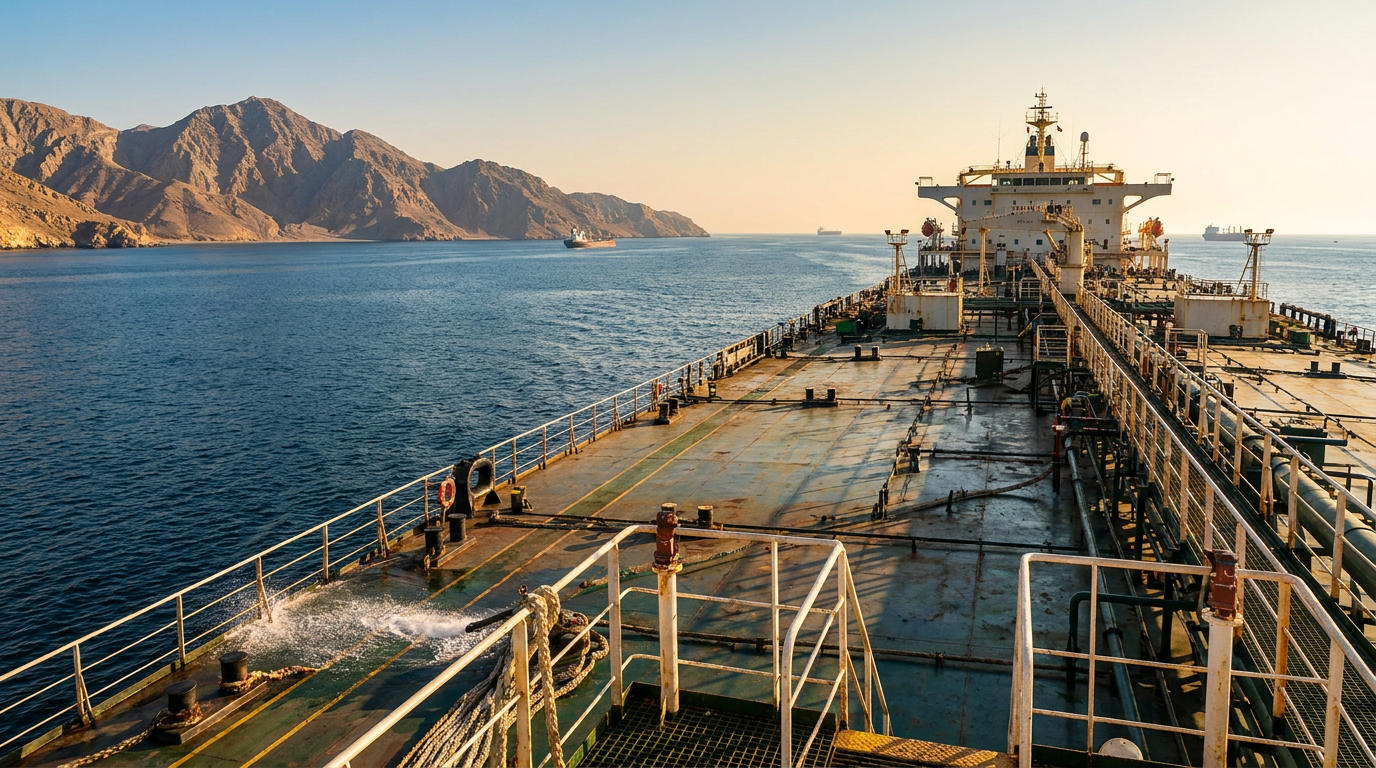
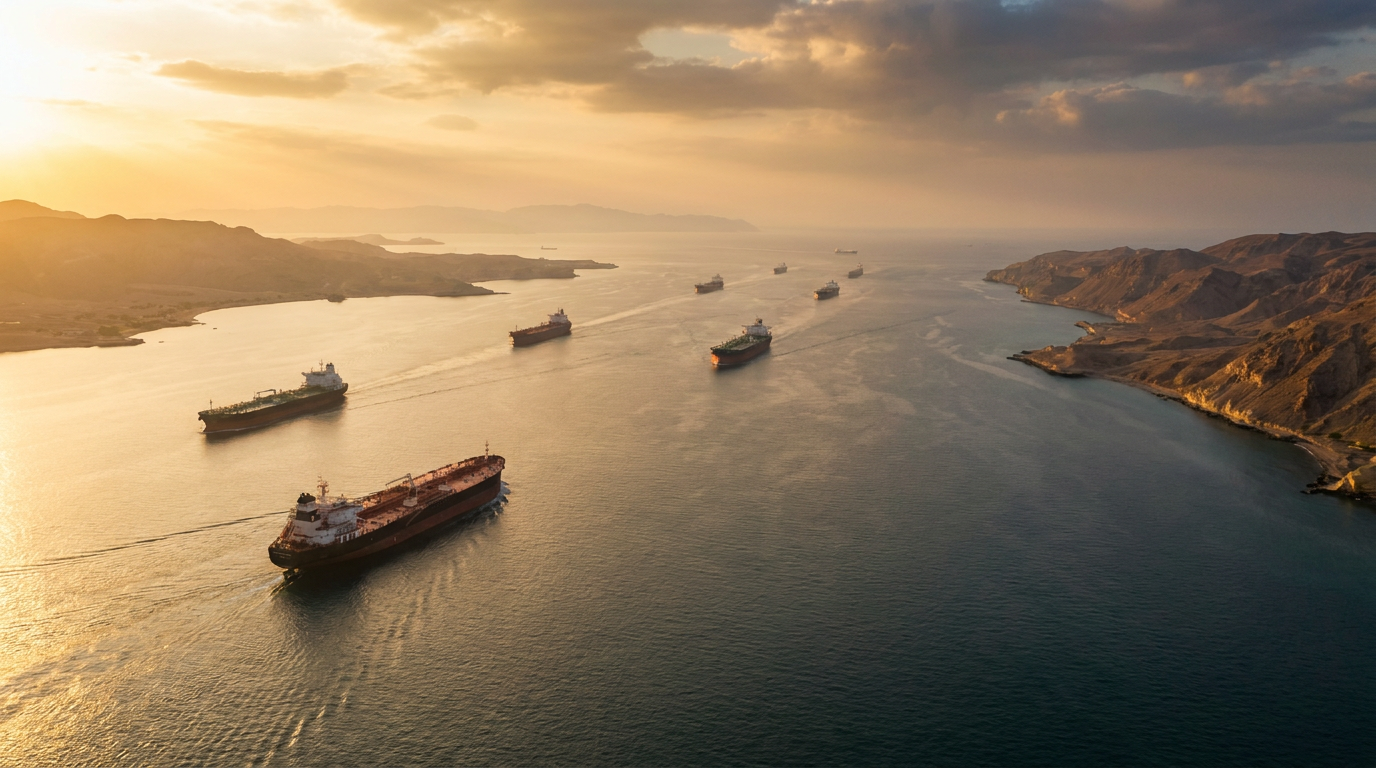
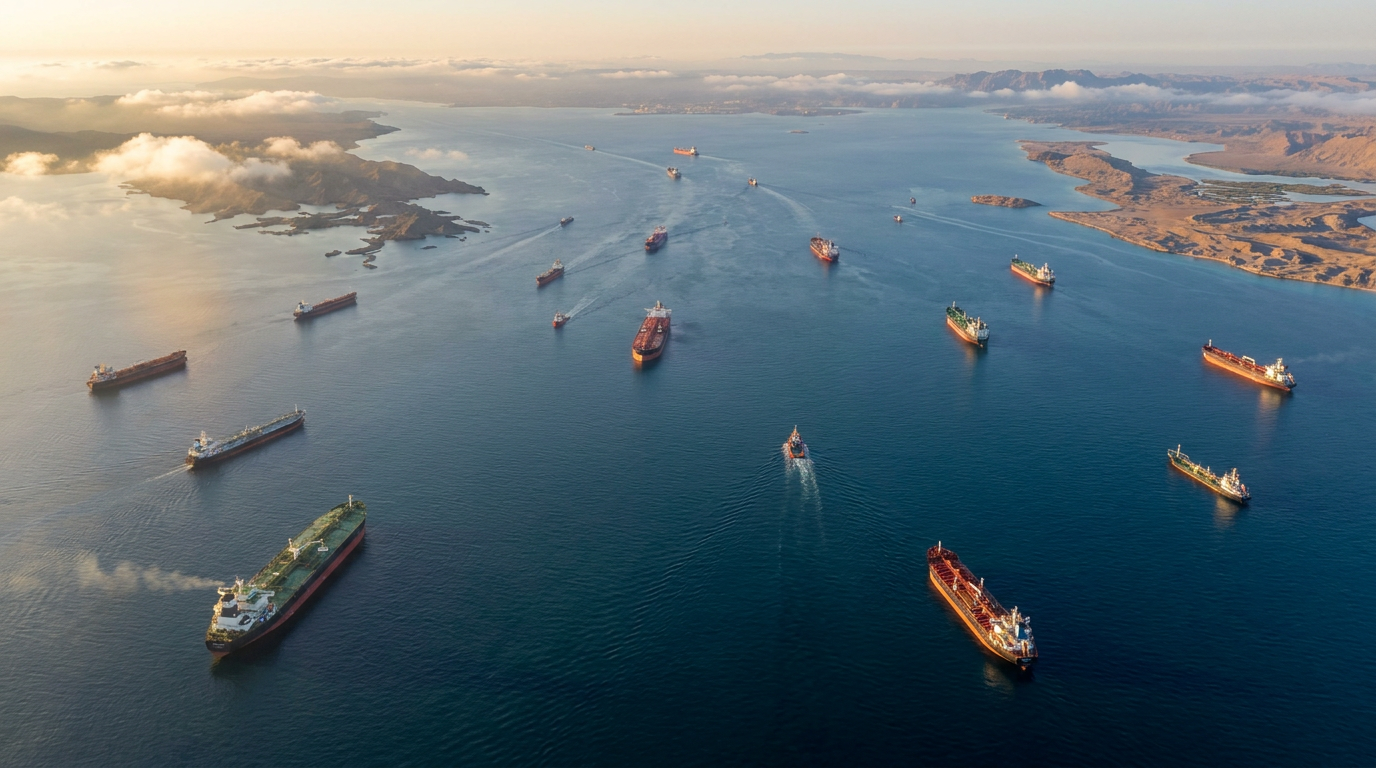
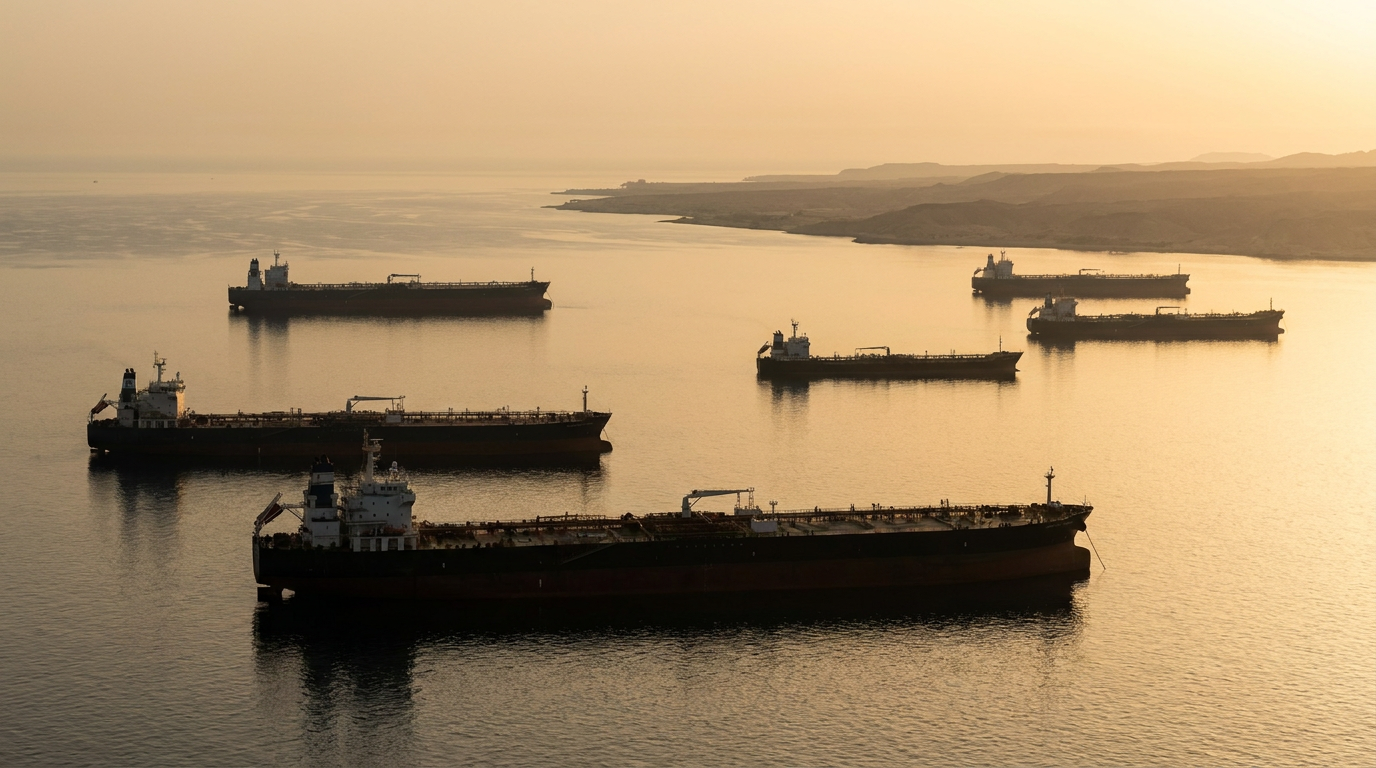
The primary evidentiary claim of the deal’s success rests on the immediate resumption of commercial shipping through the Strait of Hormuz. According to data from the U.S. Energy Information Administration, the chokepoint is the world’s most critical oil transit route, historically handling roughly 20.9 million barrels of crude oil and petroleum liquids per day. This volume represents approximately 20 percent of global petroleum liquids consumption. The recent closure of the strait choked off this vital artery, forcing buyers to seek alternative, more expensive routes and triggering severe volatility in global energy prices.[5]
The White House is pointing to the reopening of the strait as concrete evidence that its maximum-pressure military and diplomatic strategy has successfully coerced Tehran into backing down. By securing the waterway, the administration argues it has protected the global economy from a catastrophic energy shock while demonstrating American leverage in the Persian Gulf. The immediate metric for this claim will be visible in commercial tanker tracking data and maritime insurance premiums over the coming weeks; a rapid return to baseline transit volumes will validate the economic pillar of the agreement.[1][5]

Despite the economic relief, international analysts and diplomatic historians argue that the framework reveals the limits of American military dominance. The agreement essentially freezes the geopolitical map exactly where it was 24 hours before the outbreak of the recent war. While the immediate threat of a broader regional conflagration has been paused, the underlying balance of power remains unchanged. Critics note that the heavy death toll and immense economic disruption ultimately resulted in a return to the status quo ante, rather than a structural capitulation by Tehran.[2]
The most significant area of transparent uncertainty in the framework is the omission of a binding resolution regarding Iran’s nuclear capabilities. The agreement explicitly tables the nuclear portfolio for future rounds of negotiation, failing to secure any immediate rollback of Tehran’s recent enrichment milestones. This omission has alarmed nonproliferation experts, who warn that pausing military strikes without securing nuclear concessions allows Iran to maintain its current threshold status without the immediate threat of facility bombardment.[1][7]
The most significant area of transparent uncertainty in the framework is the omission of a binding resolution regarding Iran’s nuclear capabilities.
The evidentiary baseline for the nuclear threat is documented by the International Atomic Energy Agency (IAEA). According to recent IAEA board reports, Iran has accumulated a stockpile of over 440 kilograms of uranium enriched to 60 percent purity. This level of enrichment has no credible civilian application and represents a very short technical step from the 90 percent purity required for weapons-grade fissile material. Nonproliferation analysts estimate that this stockpile could theoretically be converted into enough material for multiple nuclear devices within weeks if Tehran chose to break out.[6][7]
Compounding this risk is a severe verification gap. Following the military strikes on Iranian nuclear sites during the recent conflict, Tehran restricted IAEA inspector access to several key facilities. The agency has reported that it cannot definitively verify the current status of the underground centrifuge cascades or the exact inventory of near-weapons-grade material. Because the new US-Iran framework does not immediately mandate the restoration of full, unhindered IAEA access, the international community remains partially blind to Iran’s day-to-day nuclear operations.[6]

The second major structural failure of the agreement, according to regional observers, is its inability to address the ongoing wars in the Levant. The bilateral detente between Washington and Tehran does not include a comprehensive mechanism to disarm or defund Iran’s proxy network, nor does it impose a ceasefire on the active military fronts in Gaza and Lebanon. This disconnect highlights the deeply fragmented nature of the Middle East conflict, where a US-Iran pause does not automatically translate to peace for US allies in the region, leaving local populations to bear the brunt of the continuing violence.[4]
In Israel, the framework has been met with intense political criticism. The Israeli security establishment argues that the agreement represents a strategic failure, as it omits the strict security provisions and proxy-containment measures that Jerusalem had demanded. By finalizing a deal without these terms, the US has effectively decoupled its own economic interests in the Gulf from Israel’s security requirements on its immediate borders, leaving the Israeli military to manage a multi-front war without the leverage of a unified Western coalition.[3]
The concrete fallout of this diplomatic decoupling is already visible on the ground in Lebanon. Demonstrating that the local war will continue despite the overarching US-Iran framework, Israeli Defense Minister Israel Katz announced that the Israel Defense Forces will not withdraw from the vast swaths of territory they have seized in southern Lebanon. The Israeli government maintains that military occupation remains the only reliable method to prevent Hezbollah from launching cross-border attacks, given the lack of international guarantees in the new deal.[3]

This leaves Lebanon in a highly precarious position. While the threat of a direct US-Iran war fought over Lebanese airspace has diminished, the country remains partitioned by an active, grinding conflict between the IDF and Hezbollah. Analysts point out that without a broader regional settlement that addresses the flow of weapons from Tehran to Beirut, the southern Lebanese theater will likely devolve into a prolonged war of attrition, severely complicating any international efforts to rebuild the shattered nation.[3][4]
Ultimately, the available evidence suggests that the US-Iran framework functions as a tactical pause rather than a grand strategic bargain. It successfully de-escalates a direct superpower-level confrontation and rescues the global energy market from a catastrophic supply shock that would have triggered widespread inflation. However, by leaving the nuclear threshold unverified and the regional proxy wars raging without intervention, the agreement guarantees that the fundamental drivers of Middle Eastern instability will persist, requiring continuous and intensive crisis management from the international community in the months ahead.[1][2][3]
How we got here
2018
The US withdraws from the Joint Comprehensive Plan of Action (JCPOA), prompting Iran to incrementally breach enrichment limits.
2023
Oil flows through the Strait of Hormuz average 20.9 million barrels per day before regional conflicts severely disrupt transit.
June 2025
A 12-day period of intense military strikes targets Iranian nuclear sites, leading Tehran to restrict IAEA inspector access.
Early 2026
The Strait of Hormuz is effectively closed by Iran, choking off 20% of global seaborne oil and triggering an energy crisis.
June 15, 2026
The US and Iran announce a preliminary framework to end hostilities and reopen the strait, leaving nuclear and proxy issues for future talks.
Viewpoints in depth
US Administration's View
Focuses on the immediate economic relief and the successful deterrence of a broader war.
The White House and its allies argue that the primary objective of the military and diplomatic campaign was to secure global trade routes and prevent a catastrophic energy crisis. By forcing Iran to reopen the Strait of Hormuz, the administration claims it has demonstrated the effectiveness of its maximum-pressure strategy. Proponents of this view emphasize that a perfect deal resolving all regional issues simultaneously is a diplomatic impossibility, and securing the economic chokepoint was the necessary first step to stabilizing the globe.
Israeli Security Establishment
Views the framework as a strategic abandonment that leaves existential threats intact.
Israeli officials and defense analysts argue that the US-Iran deal is a profound failure of Prime Minister Netanyahu's strategy to link regional peace to the dismantling of Iran's nuclear program. By agreeing to a ceasefire that omits binding restrictions on uranium enrichment and fails to address the arming of Hezbollah, the US has effectively decoupled its interests from Israel's. This camp contends that the pause in hostilities only gives Tehran the breathing room it needs to cross the nuclear threshold while Israel remains bogged down in a multi-front war of attrition.
Nonproliferation Experts
Warns that the lack of immediate verification protocols creates a dangerous blind spot.
Arms control advocates and former IAEA officials stress that the agreement's failure to immediately restore full inspector access to Iranian nuclear sites is its most dangerous flaw. While the pause in military strikes reduces the immediate risk of a radiological incident, it leaves the international community without credible evidence regarding the status of Iran's 60-percent enriched uranium stockpile. This camp argues that without intrusive verification, the framework is merely a temporary truce that fails to prevent the long-term proliferation of nuclear weapons in the Middle East.
What we don't know
- Whether Iran will permit IAEA inspectors to fully access and verify the status of the underground centrifuge cascades damaged in recent strikes.
- How the resumption of oil transit will impact global energy prices in the long term, given the lingering risk of future disruptions.
- Whether the US-Iran detente will eventually lead to a broader regional settlement that includes a ceasefire between Israel and Hezbollah.
Key terms
- Strait of Hormuz
- A narrow waterway between Oman and Iran that serves as the world's most critical chokepoint for global oil transit.
- Uranium Enrichment
- The process of increasing the concentration of the U-235 isotope; 3.67% is used for civilian power, while 90% is required for nuclear weapons.
- Breakout Time
- The estimated amount of time it would take a country to produce enough weapons-grade fissile material for one nuclear device.
- IAEA
- The International Atomic Energy Agency, the United Nations watchdog responsible for monitoring and verifying peaceful nuclear programs.
- Status Quo Ante
- A Latin phrase meaning 'the state of affairs that existed previously,' often used to describe a return to pre-war borders and conditions.
Frequently asked
Why is the Strait of Hormuz so important?
It is the world's most critical maritime oil chokepoint, handling roughly 20.9 million barrels of oil per day, which accounts for about 20% of global petroleum consumption.
Did the agreement stop Iran's nuclear program?
No. The preliminary framework pauses military escalation but leaves the resolution of Iran's nuclear enrichment program for future negotiations.
How close is Iran to having a nuclear weapon?
According to the IAEA, Iran possesses over 440 kilograms of uranium enriched to 60% purity, which is a very short technical step away from the 90% purity needed for a weapon.
Does this deal end the war in Lebanon?
No. The agreement is a bilateral detente between the US and Iran and does not include a ceasefire for the ongoing conflict between Israel and Hezbollah in Lebanon.
Sources
Source coverage
7 outlets
4 viewpoints surfaced






[1]NYTUS Administration & Allies
With Iran Deal, Trump Celebrates a Win but Much Remains Unfinished
Read on NYT →[2]BBCRegional Analysts
Bowen: Iran deal ends Trump's war that revealed limit of US dominance
Read on BBC →[3]The GuardianIsraeli Security Establishment
Israel will not withdraw from territory in Lebanon, defence minister says
Read on The Guardian →[4]Al JazeeraRegional Analysts
What does the US-Iran deal mean for Lebanon and Israel?
Read on Al Jazeera →[5]U.S. Energy Information Administration (EIA)Energy & Nonproliferation Monitors
World Oil Transit Chokepoints
Read on U.S. Energy Information Administration (EIA) →[6]International Atomic Energy Agency (IAEA)Energy & Nonproliferation Monitors
Update on Developments in Iran
Read on International Atomic Energy Agency (IAEA) →[7]Arms Control AssociationEnergy & Nonproliferation Monitors
The Status of Iran's Nuclear Program
Read on Arms Control Association →
Every angle. Every day.
Get news politics stories with full source coverage and perspective breakdowns delivered to your inbox.