
US and Iran Reach Historic Peace Deal to Reopen Strait of Hormuz and Halt Lebanon Conflict
President Trump announced a comprehensive peace agreement with Iran that lifts the U.S. naval blockade, reopens the Strait of Hormuz, and establishes a 60-day ceasefire to negotiate nuclear terms. While global leaders and markets welcomed the breakthrough, Israeli officials expressed defiance over the deal's inclusion of a ceasefire in Lebanon.
By Factlen Editorial Team
- U.S. Administration
- Focuses on the economic victory of reopening shipping lanes and the structured path to deferring nuclear talks.
- Iranian Leadership
- Views the deal as a successful lifting of the blockade and sanctions relief without surrendering defense capabilities.
- Israeli Government
- Strongly opposes the terms, particularly the lack of missile restrictions and the mandated ceasefire in Lebanon.
- Global Mediators
- Emphasizes regional stability, diplomatic resolution, and the restoration of global trade.
What's not represented
- · Lebanese civilians displaced by the conflict
- · Commercial shipping companies and maritime insurers
Why this matters
This diplomatic breakthrough ends a major geopolitical conflict that had paralyzed global energy markets and threatened a wider regional war. The reopening of the Strait of Hormuz directly lowers global oil prices, while the fragile ceasefire terms will reshape U.S. alliances and security dynamics across the Middle East.
Key points
- The U.S. and Iran have agreed to a comprehensive peace deal to end their 107-day military conflict.
- The agreement immediately lifts the U.S. naval blockade and authorizes the reopening of the Strait of Hormuz.
- A 60-day ceasefire window has been established to negotiate a permanent resolution to Iran's nuclear program.
- The deal explicitly includes a ceasefire in Lebanon, a condition demanded by Iranian negotiators.
- Israeli officials have rejected the Lebanon ceasefire provision, stating their forces will remain in southern Lebanon indefinitely.
- Global oil prices dropped 4.2% following the announcement, reflecting relief in international energy markets.
The United States and Iran have reached a comprehensive peace agreement to end their 107-day military conflict, marking a dramatic diplomatic breakthrough that promises to reshape the Middle East and stabilize global energy markets. President Donald Trump announced the finalization of the deal on Sunday evening, declaring an immediate end to the U.S. naval blockade of Iranian ports and authorizing the reopening of the Strait of Hormuz. "Ships of the World, start your engines. Let the oil flow!" Trump wrote in a post on Truth Social, signaling the end of a standoff that had paralyzed a critical artery of international trade.[1][4]
The framework of the agreement, brokered following intensive mediation by Pakistan and Qatar, sets the stage for an official signing ceremony in Switzerland on Friday, June 19. Pakistani Prime Minister Shehbaz Sharif confirmed that both Washington and Tehran have committed to the "immediate and permanent termination of military operations on all fronts." The diplomatic resolution averts a broader regional war and initiates a complex, multi-stage process to untangle months of escalating hostilities.[1][3]
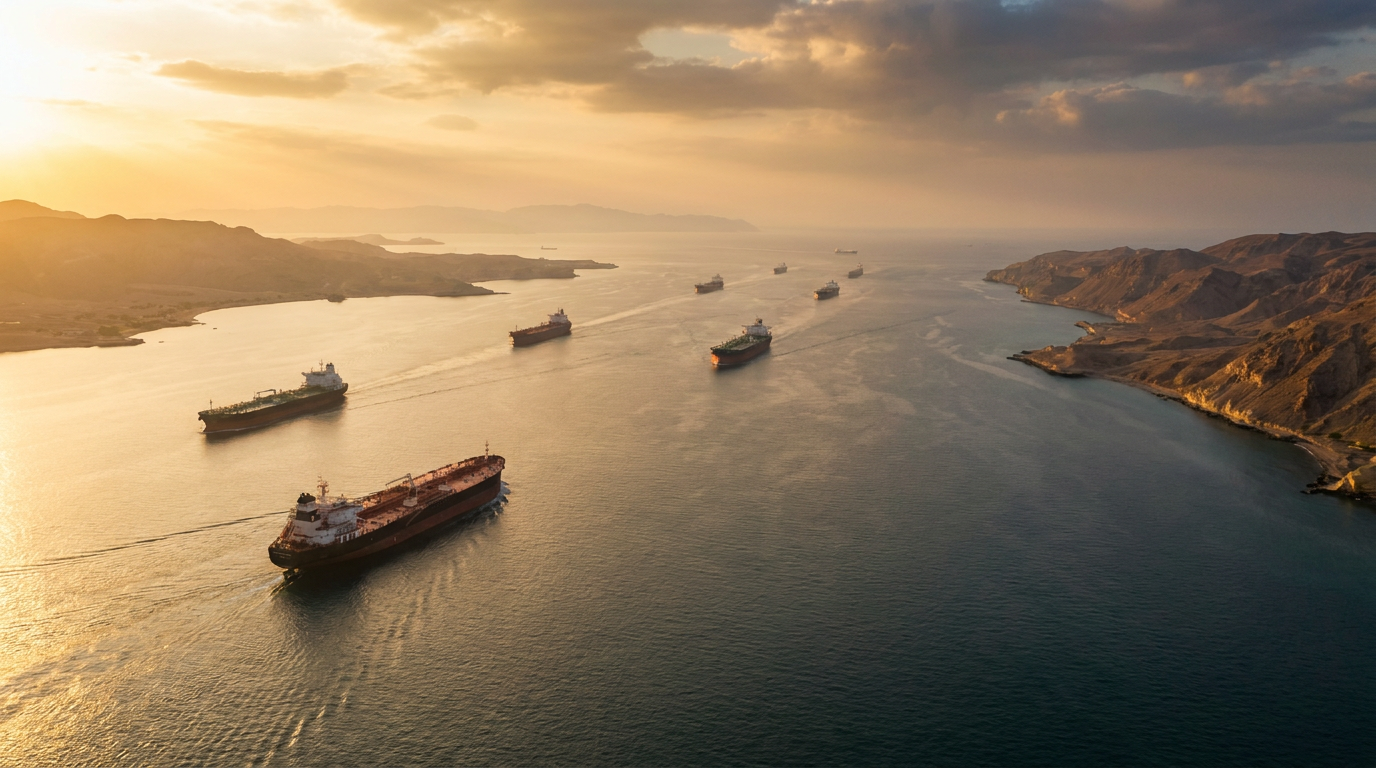
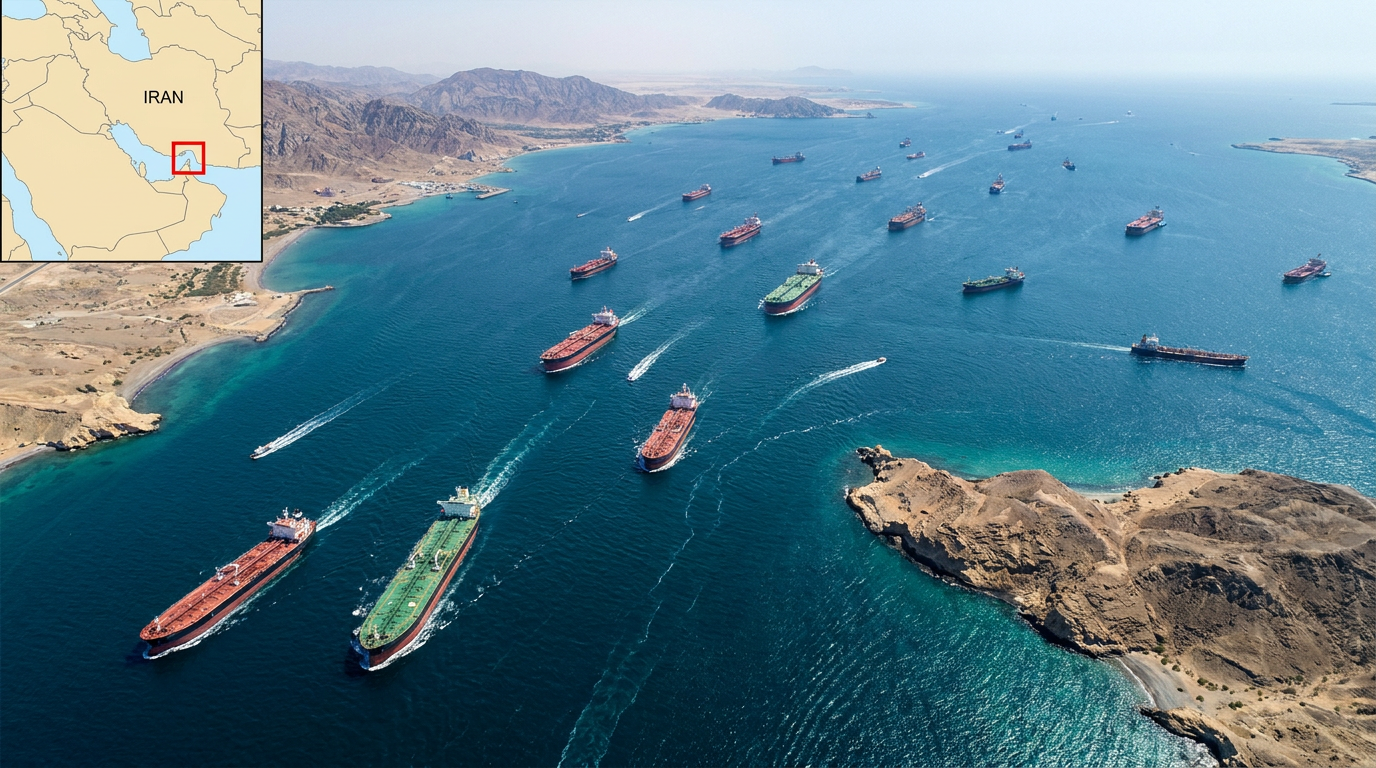
The most immediate global impact of the accord is the unblocking of the Strait of Hormuz, a maritime chokepoint that historically handles roughly 20 percent of the world's oil supply. Following the announcement, global energy markets reacted swiftly, with U.S. crude oil prices plunging 4.2 percent to trade at $81.30 per barrel in early trading. Hundreds of commercial vessels that had been stranded in the Persian Gulf are now preparing to resume transit, pending the clearance of naval mines and the formal implementation of the treaty later this week.[2][4]

While the agreement halts active combat, it defers the most contentious issue—Iran's nuclear program—to a secondary phase of diplomacy. The deal establishes a 60-day ceasefire window during which American and Iranian negotiators will attempt to hammer out a permanent, verifiable framework regarding uranium enrichment. U.S. Vice President JD Vance emphasized that the agreement is built on a "two-step verification process," noting that Iran will only regain access to the unsanctioned global economy if it honors long-term commitments to never procure a nuclear weapon.[2][6]
Notably absent from the preliminary framework are several of Washington's pre-war demands, reflecting the compromises required to reach a swift resolution. The agreement contains no restrictions on Iran's ballistic missile program, nor does it mandate regime change or the unconditional surrender of Iranian forces. Furthermore, the deal offers a pathway for the unfreezing of Iranian assets and a temporary suspension of sanctions on oil and petrochemical exports during the 60-day negotiation period, providing Tehran with crucial economic relief.[2]
Notably absent from the preliminary framework are several of Washington's pre-war demands, reflecting the compromises required to reach a swift resolution.
The most volatile component of the peace deal is its explicit inclusion of a ceasefire in Lebanon, where Israeli forces and Hezbollah militants have been engaged in a brutal, parallel conflict. Iranian negotiators insisted that halting the Israeli offensive in southern Lebanon was an inseparable condition for reopening the Strait of Hormuz and ending hostilities with the United States. Lebanese Prime Minister Nawaf Salam welcomed the announcement, expressing hope that the U.S.-Iran pact would force a complete Israeli withdrawal and end the widespread destruction across his country.[3][7]

However, the inclusion of Lebanon has triggered fierce defiance from the Israeli government, threatening to complicate the deal's implementation. Israeli Defense Minister Israel Katz and Prime Minister Benjamin Netanyahu have reportedly rejected the premise that the U.S.-Iran agreement dictates their military operations. Katz stated that Israeli forces plan to remain "indefinitely" in the territory they have seized in southern Lebanon, describing the Iranian attempt to link the two conflicts as unacceptable.[2][8]
The disconnect between Washington's diplomatic triumph and Tel Aviv's strategic objectives highlights a growing rift between the two allies. While Trump has touted the deal as a historic achievement that saved Israel from a nuclear-armed Iran, Israeli officials view the lack of restrictions on Hezbollah's primary sponsor and the absence of ballistic missile limits as a severe security risk. The coming weeks will test whether the United States can pressure Israel into complying with the Lebanon ceasefire provisions without fracturing their alliance.[2][5]

Despite the regional friction, the international community has overwhelmingly embraced the de-escalation. United Nations Secretary-General Antonio Guterres praised the accord as a "critical step" toward a peaceful settlement, while a joint statement from G7 leaders and the European Commission urged swift implementation to restore freedom of navigation. Regional powers, including Turkey and Qatar, also lauded the breakthrough, emphasizing that diplomacy had successfully pulled the Middle East back from the brink of a catastrophic, multi-front war.[3]
Looking ahead, the Trump administration has signaled ambitions to fundamentally restructure the security architecture of the Persian Gulf. In statements following the deal, Trump claimed that the Strait of Hormuz would become "permanently toll-free" and suggested that the United States would assume the role of "guardian of the Middle East" in exchange for a percentage of the region's revenues. As diplomats converge on Geneva for Friday's signing, the focus will shift from the cessation of violence to the daunting task of enforcing a fragile, complex peace.[5]
How we got here
March 2026
Conflict escalates, leading to a U.S. naval blockade of Iranian ports and the closure of the Strait of Hormuz.
June 14, 2026
President Trump and Pakistani mediators announce a comprehensive peace agreement.
June 19, 2026
Official signing ceremony scheduled to take place in Switzerland.
August 2026
Deadline for the 60-day negotiation window regarding Iran's nuclear program.
Viewpoints in depth
U.S. Administration's View
The deal is a historic economic and strategic victory that reopens global trade without conceding long-term nuclear goals.
U.S. officials, led by President Trump and Vice President JD Vance, emphasize the immediate economic benefits of the agreement, particularly the reopening of the Strait of Hormuz and the subsequent drop in global oil prices. They argue that the 60-day negotiation window provides a structured, verifiable path to permanently dismantling Iran's nuclear ambitions, framing the cessation of hostilities as a necessary step to stabilize the Middle East and reassert American leverage in the region.
Iranian Leadership's View
The agreement successfully breaks the U.S. naval blockade and secures vital sanctions relief while preserving domestic defense capabilities.
For Tehran, the framework represents a successful resistance to Washington's maximum pressure campaign. Iranian negotiators highlight that the deal secures the unfreezing of billions in overseas assets and lifts the crippling naval blockade without forcing Iran to surrender its ballistic missile program or abandon its regional allies. By tying the reopening of the Strait of Hormuz to a ceasefire in Lebanon, Iran positions itself as a defender of its proxy network while achieving desperately needed economic breathing room.
Israeli Government's View
The U.S.-Iran pact is a dangerous concession that fails to address immediate security threats on Israel's borders.
Israeli officials, including Prime Minister Benjamin Netanyahu and Defense Minister Israel Katz, view the agreement with deep skepticism and defiance. They argue that deferring the nuclear issue and ignoring Iran's ballistic missile program leaves Israel vulnerable. Furthermore, Tel Aviv vehemently rejects the deal's mandate for a ceasefire in Lebanon, insisting that Israeli forces will not withdraw from southern Lebanon until Hezbollah's military infrastructure is completely dismantled, regardless of the diplomatic arrangements made in Washington.
What we don't know
- Whether Israel will ultimately comply with the U.S.-mandated ceasefire in Lebanon or continue its military operations.
- The specific mechanisms that will be used to verify Iran's compliance during the 60-day nuclear negotiation window.
- How quickly commercial shipping companies will feel safe enough to resume full operations through the Strait of Hormuz.
Key terms
- Strait of Hormuz
- A crucial maritime chokepoint between the Persian Gulf and the Gulf of Oman, through which roughly a fifth of the world's oil supply passes.
- Naval Blockade
- A military operation in which ships are used to prevent vessels from entering or leaving a nation's ports.
- Uranium Enrichment
- The process of increasing the percentage of Uranium-235 to create nuclear fuel or, at highly enriched levels, nuclear weapons.
Frequently asked
When will the Strait of Hormuz reopen?
President Trump authorized the immediate reopening, and commercial shipping is expected to resume fully after the official signing on June 19 and subsequent mine-clearing operations.
Does this deal end the war in Lebanon?
The agreement explicitly calls for a ceasefire in Lebanon, though Israeli officials have stated they do not consider themselves bound by this provision and will maintain their military presence.
What happens to Iran's nuclear program?
The deal establishes a 60-day window for negotiations specifically targeting Iran's nuclear capabilities, deferring immediate restrictions.
Sources
Source coverage
8 outlets
4 viewpoints surfaced








[1]CBS NewsGlobal Mediators
Trump says U.S. deal with Iran "is now complete," authorizes removal of Navy blockade of Strait of Hormuz
Read on CBS News →[2]The GuardianIsraeli Government
US-Iran peace deal hinges on shipping, sanctions relief and deferred nuclear talks
Read on The Guardian →[3]Al JazeeraIranian Leadership
World reacts as Iran and US reach tentative deal to end war
Read on Al Jazeera →[4]ForbesU.S. Administration
Trump Says Iran Peace Deal 'Complete'—Ends Strait Of Hormuz Blockade
Read on Forbes →[5]The New York TimesU.S. Administration
Trump Claims Strait Will Be 'Permanently Toll-Free' Under Agreement With Iran
Read on The New York Times →[6]Fox NewsU.S. Administration
Vance says Trump administration's key objectives have been reached in US-Iran deal
Read on Fox News →[7]The FederalGlobal Mediators
LIVE: US, Iran confirm reaching peace deal; Hormuz to open on June 19
Read on The Federal →[8]WikipediaIsraeli Government
2026 Israel–Lebanon ceasefire
Read on Wikipedia →

More in news politics
See all 5 stories →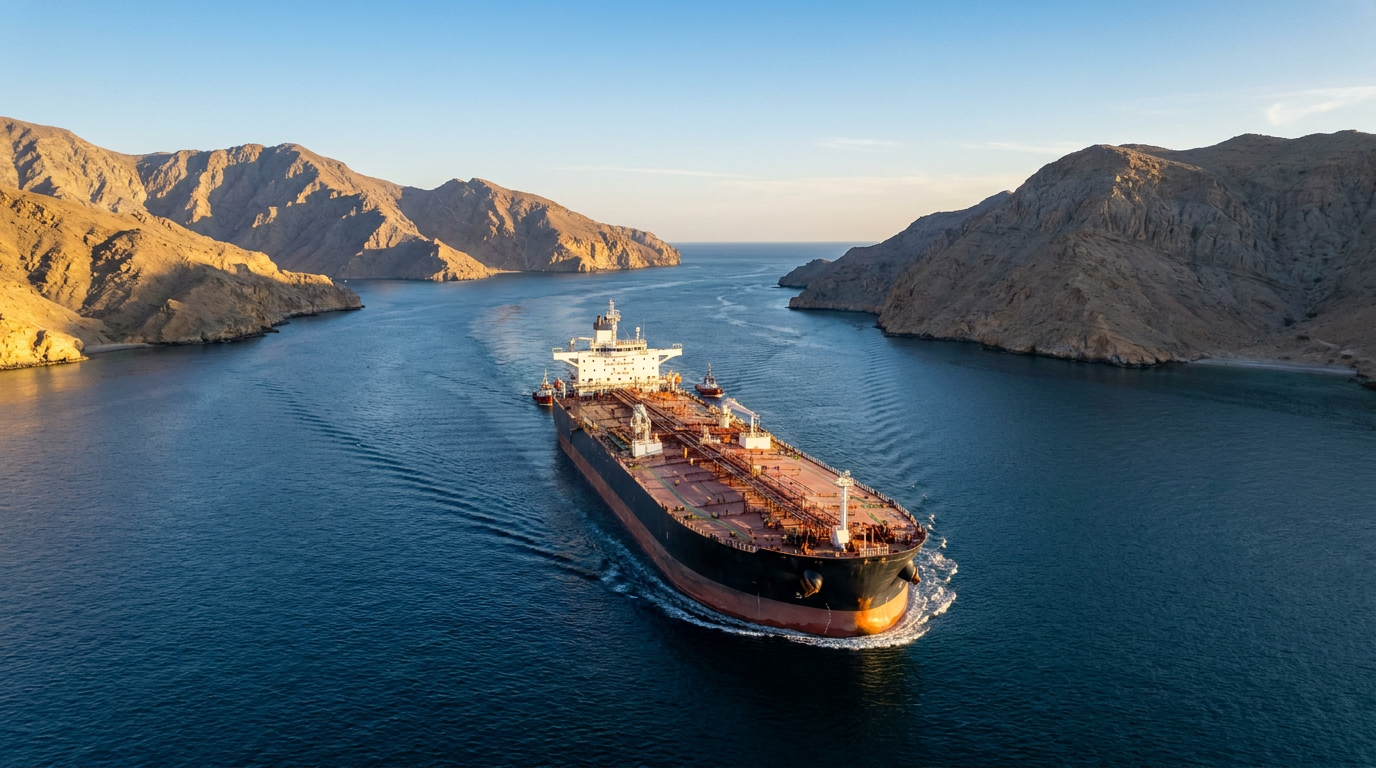
Every angle. Every day.
Get news politics stories with full source coverage and perspective breakdowns delivered to your inbox.