
The Science of Koji: How an Ancient Mold is Transforming Modern Home Cooking
Once confined to traditional Japanese staples like miso and soy sauce, Aspergillus oryzae is now being embraced by home cooks globally to tenderize meats and unlock deep umami flavors through enzymatic fermentation.
By Factlen Editorial Team
- Modern Culinary Innovators
- Focus on extracting koji's enzymes to rapidly dry-age meats, create novel vegan cheeses, and accelerate flavor development.
- Home Cooking Enthusiasts
- Prioritize accessible, low-effort applications like shio koji to boost everyday meals without needing specialized equipment.
- Traditional Fermentation Artisans
- Value the centuries-old methods and specific regional climates essential for authentic, long-aged miso and sake.
What's not represented
- · Industrial Enzyme Manufacturers
- · Food Safety Regulators
Why this matters
Understanding the enzymatic power of koji allows home cooks to dramatically elevate the flavor and texture of everyday meals without relying on ultra-processed additives. It represents a shift toward harnessing natural biology to create restaurant-quality depth in a fraction of the traditional time.
Key points
- Koji is a grain or legume inoculated with Aspergillus oryzae, a domesticated mold used in Japan for over 2,000 years.
- The mold produces powerful enzymes, including amylase and protease, which break down starches into sugars and proteins into umami-rich amino acids.
- Home cooks are increasingly using shio koji—a simple ferment of rice koji, salt, and water—as an all-purpose seasoning and natural meat tenderizer.
- Modern culinary applications for koji now include accelerating the dry-aging of charcuterie and developing complex flavors in vegan dairy alternatives.
The pandemic sparked a global renaissance in home fermentation, but beyond the ubiquitous sourdough starters and bubbling jars of kombucha, another ancient microbe has quietly infiltrated Western kitchens. For years, the secret to the deep, savory complexity found in high-end restaurant dishes remained elusive to the average home cook. Now, a growing movement is democratizing this culinary science, allowing anyone with a glass jar and a bit of patience to fundamentally transform the way they build flavor. The catalyst for this shift is not a new synthetic additive, but a microscopic fungus that has been cultivated for millennia.[8]
Enter Aspergillus oryzae, affectionately known in culinary circles simply as koji. For over two thousand years, this domesticated mold has served as the invisible architect behind East Asia's most iconic and foundational flavors. It is the biological engine that powers the production of soy sauce, miso paste, sake, and mirin. In recognition of its profound cultural and economic impact, the Brewing Society of Japan officially declared Aspergillus oryzae the "National Fungus" of Japan in 2006, cementing its status as a cornerstone of the nation's culinary identity.[3][4]
Today, however, the applications of koji are no longer confined to traditional Asian pantries or the experimental kitchens of Michelin-starred restaurants. A new wave of modern culinary innovators and enthusiastic home cooks are harnessing the mold's unique properties to tenderize tough cuts of meat, accelerate the dry-aging process, and unlock profound depths of umami in everyday, cross-cultural dishes. From vegan cheese alternatives to elevated weeknight marinades, koji is proving to be one of the most versatile biological tools available in the modern kitchen.[5][6]
To truly understand koji's transformative culinary power, one must first look at its underlying biology. Koji is not a finished food product in and of itself; rather, the term refers to a substrate—typically a cooked grain like rice or barley, or a legume like soybeans—that has been deliberately inoculated with Aspergillus oryzae spores. The mold is carefully cultivated in warm, humid environments, allowing it to thrive and spread across the surface of the grains.[2][3]

As the mold grows, it produces an intricate web of fungal cells known as hyphae. These microscopic threads penetrate deep into the core of the grains, creating a highly active symbiotic environment. During this aggressive growth phase, the fungus secretes an astonishing arsenal of over one hundred different biological catalysts, effectively dismantling the host substrate at a molecular level to feed itself. It is this exact mechanism of enzymatic breakdown that cooks leverage to manipulate flavor.[4][5]
The true magic of koji lies primarily in the heavy production of three specific, highly powerful enzymes: amylase, protease, and lipase. Each of these enzymes plays a distinct and crucial role in transforming the chemical structure of food, turning otherwise bland or rigid ingredients into complex, layered flavor profiles. When koji is introduced to other foods—whether vegetables, grains, or dense proteins—these enzymes immediately go to work, acting as a natural, biological tenderizer and an unparalleled flavor enhancer that fundamentally alters the ingredient's cellular makeup.[2][4]
Amylase targets complex carbohydrates, breaking down rigid, tasteless starches into simple sugars like glucose and maltose. This enzymatic process, known as saccharification, is what provides the natural, delicate sweetness found in traditional Japanese products like amazake and mirin. In modern applications, this means cooks can introduce a nuanced, balanced sweetness to sauces and marinades without ever needing to reach for refined sugars or artificial sweeteners.[4][6]
Amylase targets complex carbohydrates, breaking down rigid, tasteless starches into simple sugars like glucose and maltose.
Protease, however, is the undisputed engine of umami. This enzyme cleaves long, tightly bound protein chains into smaller, flavor-rich peptides and free amino acids, most notably glutamic acid. Glutamate is the core compound responsible for the savory, brothy sensation known as umami. Research shows that the concentration of free glutamate can increase by several hundred percent during koji fermentation, delivering a profound depth of flavor that is impossible to achieve through standard cooking methods alone.[2][4]
Finally, lipase breaks down complex fats into simpler fatty acids, adding a distinct richness and aromatic complexity to the final dish. Together, this trio of enzymes effectively predigests the food before it even hits the pan. This not only tenderizes the ingredients from the inside out but also makes the underlying vitamins and minerals more bioavailable, aiding in human digestion while simultaneously maximizing the culinary experience.[4][7]

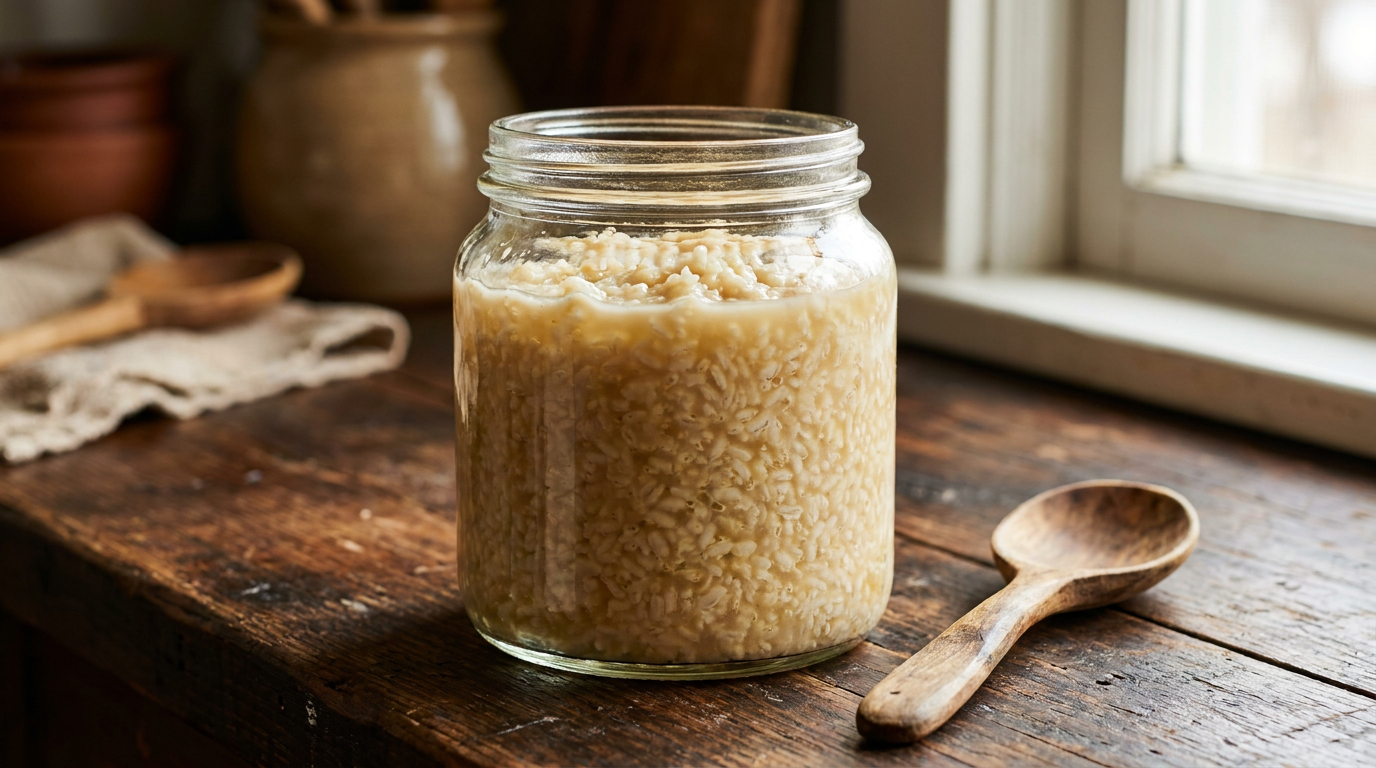
For home cooks looking to experiment with these powerful enzymes, the most accessible gateway is shio koji, which translates simply to salt koji. Unlike traditional miso paste or soy sauce, which require precise ratios and can take months or even years to properly mature, shio koji is a fast, forgiving ferment. It requires only three basic ingredients: dried or fresh rice koji, clean water, and a high-quality sea salt.[1][5]
By combining the inoculated rice with a salt brine—typically around ten percent of the total weight—and leaving it to sit at room temperature for seven to fourteen days, the enzymes are liberated from the rice and suspended in the liquid. The salt prevents harmful bacteria from taking hold while the mold's enzymes continue to activate. The resulting paste develops a sweet, fruity, and slightly funky aroma, ready to be utilized as a potent, all-purpose liquid seasoning.[1][7]
When applied as a wet rub or marinade, shio koji's proteases immediately go to work dismantling the dense muscle fibers of meat and fish. A simple chicken breast or flank steak coated in shio koji for just a few hours emerges from the refrigerator remarkably tender. Furthermore, when the protein hits a hot grill or skillet, the newly formed simple sugars created by the amylase caramelize beautifully, creating a rich, savory crust that elevates the dish entirely.[2][5]
Beyond simple household marinades, modern chefs and food scientists are pushing the boundaries of what Aspergillus oryzae can accomplish. In the realm of artisanal charcuterie, koji is being utilized to drastically accelerate the curing process of dry sausages like pepperoni. By introducing koji-inoculated rice into the meat mixture, producers can develop deep, complex flavors in a matter of days rather than months, often eliminating the need for synthetic nitrates entirely.[6][7]
The dairy and rapidly expanding plant-based sectors are also experiencing a koji-driven revolution. Introducing the mold into cultured creams during fermentation can produce exceptionally high levels of diacetyl, a naturally occurring organic compound that imparts a rich, lingering buttery aroma. Meanwhile, vegan cheesemakers are leveraging koji's proteases to break down dense nut proteins, successfully mimicking the complex, sharp funk traditionally associated only with long-aged dairy cheeses.[6][7]

Despite its incredible versatility, working with live biological cultures presents inherent variables that can be difficult to manage. The exact enzymatic output and flavor profile of a home koji batch depend heavily on ambient temperature, seasonal humidity, and the specific strain of A. oryzae utilized. Without the climate-controlled fermentation chambers used by professionals, precise replication of a specific flavor profile remains a persistent challenge for the casual home cook.[1][8]
Furthermore, while commercial bottles of shio koji are now widely available on supermarket shelves, many mass-produced versions have been pasteurized or heavily adulterated with added alcohols to ensure long-term shelf stability. This aggressive processing effectively halts all enzymatic activity, robbing the product of its unique tenderizing capabilities and reducing it to a mere salty flavoring agent, underscoring the value of small-batch, homemade fermentation.[7]
Ultimately, the global embrace of koji represents a much broader and highly encouraging shift in modern gastronomy. It signals a move away from ultra-processed, synthetic flavor additives and toward a deeper, more respectful understanding of natural biological processes. By partnering with ancient microbes rather than simply cooking over them, a new generation of cooks is discovering that the most profound and satisfying flavors are not engineered in a factory, but carefully cultivated in a jar.[8]
How we got here
3rd to 7th Century AD
Early origins of koji fermentation techniques are established in East Asia for food preservation.
1300s
The meticulous culturing and domestication of Aspergillus oryzae becomes formalized in Japan.
2006
The Brewing Society of Japan officially declares Aspergillus oryzae the 'National Fungus' of Japan.
2011-2012
A nationwide boom in Japan popularizes 'shio koji' as an everyday health and diet ingredient.
2020s
Koji fermentation sees a massive surge in Western home kitchens and fine dining as a natural flavor enhancer.
Viewpoints in depth
Traditional Fermentation Artisans
Preserving the heritage of Japan's national fungus through precise, time-honored techniques.
For traditional artisans, Aspergillus oryzae is inseparable from the cultural history of Japan. They emphasize that true mastery of koji requires generations of knowledge, precise environmental control, and an understanding of how local water and rice varieties interact with the mold. From this perspective, while quick modern applications are interesting, they cannot replicate the profound, terroir-driven complexity of a miso or soy sauce that has been carefully aged in cedar barrels for years.
Modern Culinary Innovators
Decoupling the biological mechanism of koji from its traditional applications to invent new techniques.
Food scientists and progressive chefs view koji primarily as a highly efficient biological tool. By isolating the enzymatic power of amylase and protease, they are applying the mold to entirely new substrates. This camp is responsible for using koji to cure pepperoni in a fraction of the traditional time, developing dairy-free cheeses that mimic the funk of aged camembert, and creating zero-waste amino sauces from kitchen scraps. They argue that understanding the science frees the ingredient from its historical boundaries.
Home Cooking Enthusiasts
Embracing shio koji as an accessible, everyday flavor hack that requires minimal effort.
For the casual home cook, the appeal of koji lies in its low barrier to entry. Rather than investing in temperature-controlled fermentation chambers, this camp relies on shio koji—a simple mixture of rice koji, salt, and water that ferments safely at room temperature. They value the ingredient as an all-purpose salt replacement that tenderizes weeknight proteins and adds instant depth to soups and dressings, proving that you don't need a Michelin star to harness the power of enzymatic fermentation.
What we don't know
- How different strains of A. oryzae adapt to non-traditional Western substrates like oats or specific legumes over long-term cultivation.
- The precise limits of enzymatic activity when home cooks subject koji to fluctuating ambient temperatures without controlled chambers.
Key terms
- Koji
- A grain or legume that has been inoculated with the spores of the mold Aspergillus oryzae.
- Aspergillus oryzae
- A domesticated, non-pathogenic fungus used for centuries in East Asia to saccharify grains and ferment soybeans.
- Protease
- An enzyme that breaks down long protein chains into smaller amino acids, generating deep, savory flavors.
- Amylase
- An enzyme that converts complex starches into simple sugars, providing natural sweetness to fermented foods.
- Shio Koji
- A versatile liquid seasoning and marinade made by fermenting rice koji, salt, and water at room temperature.
- Umami
- The 'fifth taste,' characterized by a deep, savory, brothy sensation, primarily driven by the amino acid glutamate.
Frequently asked
Is it safe to grow mold on food at home?
Yes, Aspergillus oryzae is a domesticated, non-pathogenic mold with 'Generally Recognized as Safe' (GRAS) status. When properly sourced and fermented with salt, it outcompetes harmful bacteria.
How long does it take to make shio koji?
At room temperature, shio koji typically takes 7 to 14 days to ferment, requiring only a daily stir until it develops a sweet, fruity aroma.
Can I use koji if I am gluten-free?
Yes, while some koji is grown on barley or wheat, rice koji and soy koji are naturally gluten-free and widely available.
Sources
Source coverage
8 outlets
3 viewpoints surfaced








[1]The FermentaryHome Cooking Enthusiasts
Shio Koji: The Easiest Ferment You'll Ever Make
Read on The Fermentary →[2]Koji HouseHome Cooking Enthusiasts
What is Koji? The Science Behind the Magic
Read on Koji House →[3]MasterClassTraditional Fermentation Artisans
What Is Koji? 5 Common Koji Uses
Read on MasterClass →[4]KinkatsudoTraditional Fermentation Artisans
How Does Koji Boost Umami and Flavor in Food?
Read on Kinkatsudo →[5]The House of UmamiHome Cooking Enthusiasts
Why is Koji rich in umami? The Science of Koji Sauces
Read on The House of Umami →[6]IndoGulf BioAgModern Culinary Innovators
Aspergillus oryzae: The Unsung Hero of Fermentation
Read on IndoGulf BioAg →[7]Chef SquireModern Culinary Innovators
How to Make Shio Koji (Salt Koji) at Home
Read on Chef Squire →[8]Factlen Editorial TeamModern Culinary Innovators
Synthesis by Factlen editorial team
Read on Factlen Editorial Team →
Every angle. Every day.
Get lifestyle stories with full source coverage and perspective breakdowns delivered to your inbox.