
US and Iran Reach Framework Peace Deal to End 15-Week Conflict
The United States and Iran have agreed to a tentative peace framework to halt a 15-week military conflict, signaling the reopening of the Strait of Hormuz and easing global economic pressures.
By Factlen Editorial Team
- US Diplomatic & Economic Planners
- Focus on restoring global trade, lowering inflation, and avoiding a protracted Middle Eastern war.
- Israeli Security Establishment
- Prioritize the dismantling of immediate border threats and view any relief for Tehran as a strategic risk.
- Global Shipping & Energy Sectors
- Primarily concerned with the physical safety of maritime routes and the stabilization of commodity markets.
- Iranian State Apparatus
- Focused on regime survival, lifting economic blockades, and maintaining regional influence without triggering a full-scale invasion.
What's not represented
- · Lebanese and Syrian civilians living in contested proxy zones
- · European nations heavily dependent on Middle Eastern energy imports
Why this matters
The 15-week conflict severely disrupted global shipping through the Strait of Hormuz, driving up energy costs and threatening a resurgence of global inflation. This framework agreement not only halts direct military confrontation but immediately lowers oil prices, giving central banks room to pause interest rate hikes and providing relief to consumers worldwide.
Key points
- The US and Iran have agreed to a tentative framework to end their 15-week military conflict.
- A central pillar of the agreement is the immediate reopening of the Strait of Hormuz to commercial shipping.
- Global oil prices dropped sharply on the news, easing inflation fears and allowing central banks to pause rate hikes.
- Israeli officials expressed concern over the deal, vowing to maintain military buffer zones in southern Lebanon.
- A formal signing of the binding diplomatic agreement is expected later this week.
The United States and Iran have reached a tentative framework agreement to end their 15-week military conflict, signaling a potential close to one of the most economically disruptive geopolitical crises of the decade. The breakthrough, announced early Monday, establishes a phased de-escalation designed to halt direct hostilities and restore stability to the Persian Gulf. The framework sets the stage for a formal treaty expected to be signed later this week.[1][7]
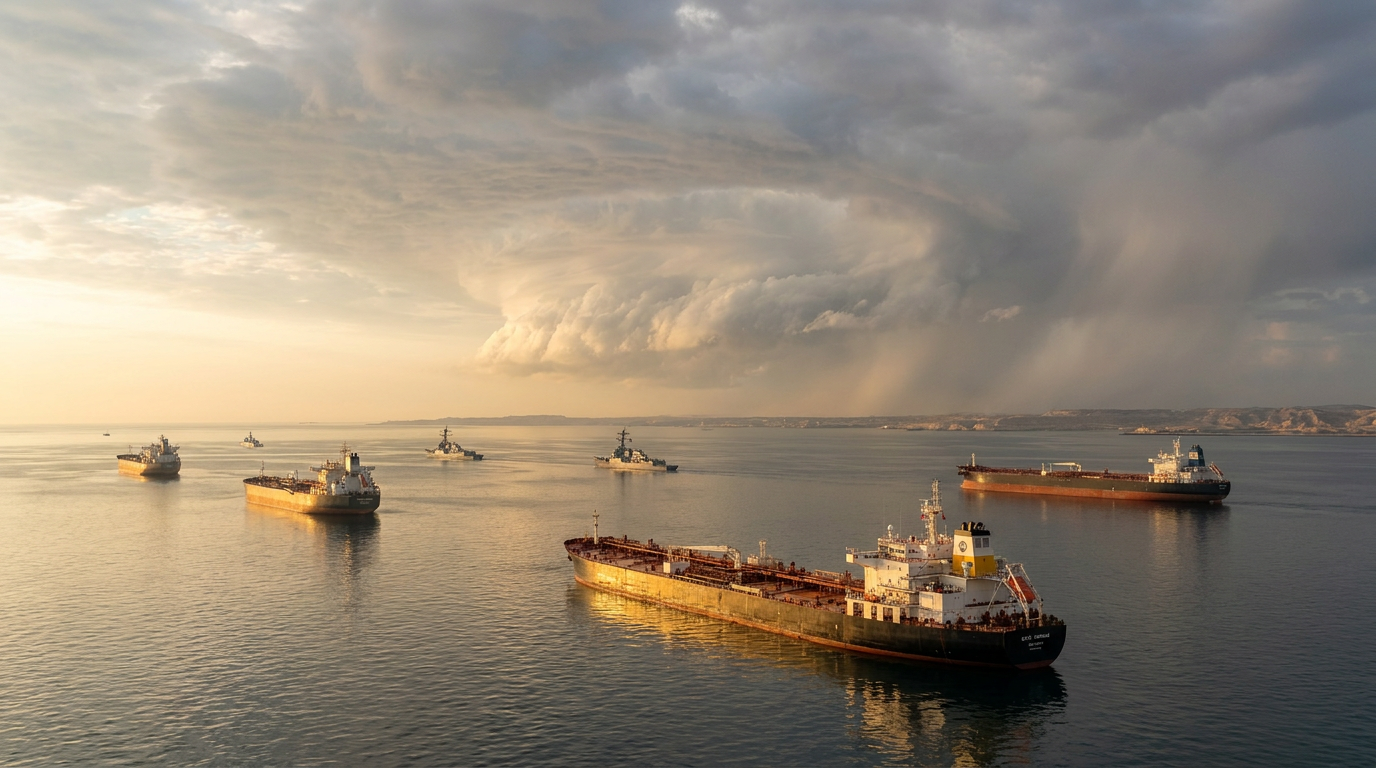
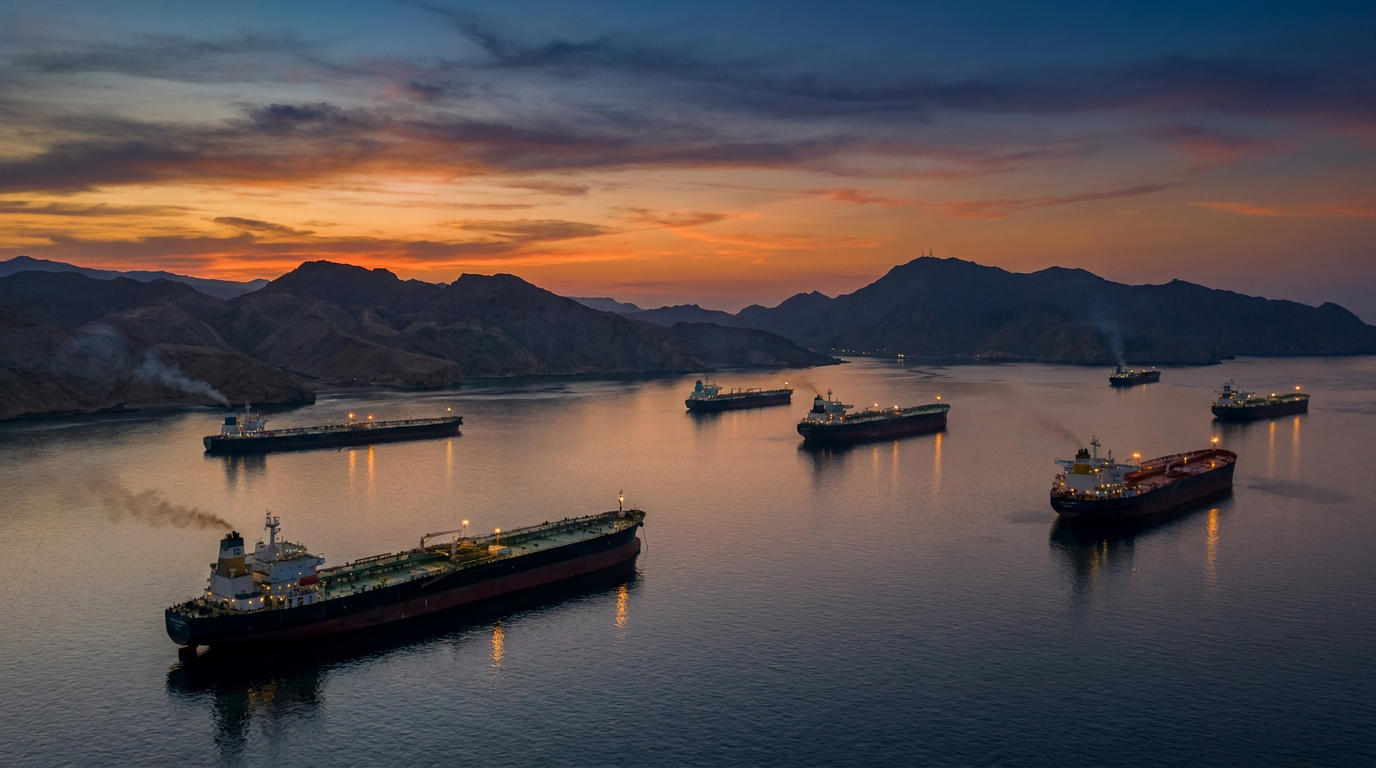
At the center of the diplomatic breakthrough is the immediate reopening of the Strait of Hormuz to commercial shipping. The narrow waterway, which handles roughly a fifth of global oil consumption, had been effectively paralyzed since the conflict escalated in early March. The Trump administration confirmed that the strait's reopening is a non-negotiable pillar of the imminent agreement, offering a massive sigh of relief to global energy markets.[1][3]
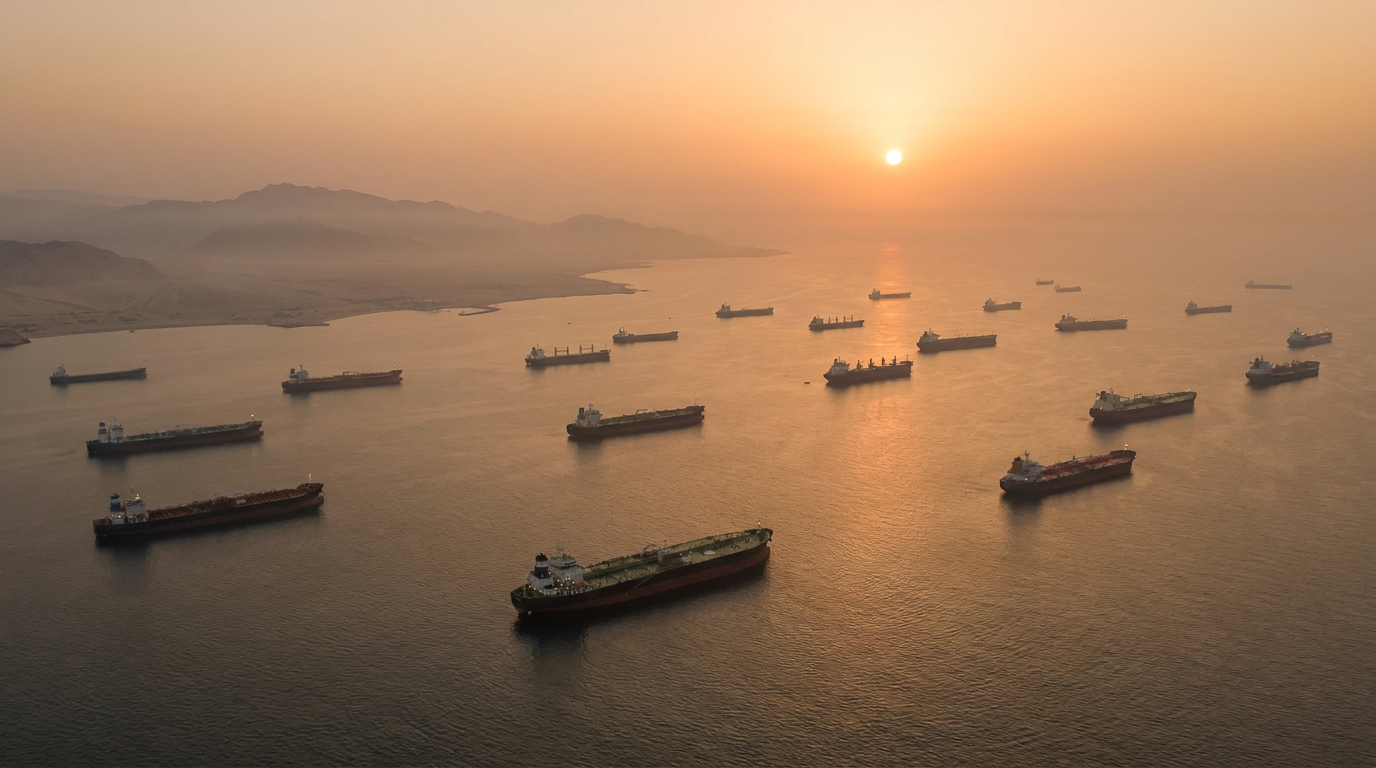
The economic ramifications of the framework were immediate and profound. Brent crude oil, which had surged to punishing highs during the 15-week standoff, plunged to $78 per barrel as traders priced in the return of unhindered Middle Eastern supply. Global shipping conglomerates, which had been forced to reroute vessels around the Cape of Good Hope at immense cost, began preparations to resume standard Gulf transit.[3][8]

This sudden deflation of energy costs is already reshaping macroeconomic policy. Central banks in the US and UK, which had been bracing for a renewed inflationary spike, are now expected to leave interest rates on hold this week. The US Federal Reserve, making its first major decision under the leadership of Kevin Warsh, is widely projected to hold its benchmark rate at a range of 3.5% to 3.75%, explicitly citing the Middle East peace hopes as a key factor in easing inflation pressures.[1][5]
However, the diplomatic victory in Washington is being met with deep skepticism in Jerusalem. Israeli Prime Minister Benjamin Netanyahu’s government is currently grappling with the implications of the Trump-Iran deal, particularly regarding what the framework leaves unsaid. Israeli officials fear that the agreement focuses too heavily on maritime trade while ignoring the entrenched proxy networks that threaten Israel's borders.[2][6]
Defense Minister Israel Katz made it clear that the US-Iran framework will not alter Israel's immediate tactical posture. Katz announced that the Israel Defense Forces (IDF) will remain in their established security buffer zones in southern Lebanon, regardless of the broader de-escalation between Washington and Tehran. This highlights a critical divergence: while the US views the conflict through the lens of global maritime security, Israel views it through the lens of immediate territorial survival.[2][6][7]

Defense Minister Israel Katz made it clear that the US-Iran framework will not alter Israel's immediate tactical posture.
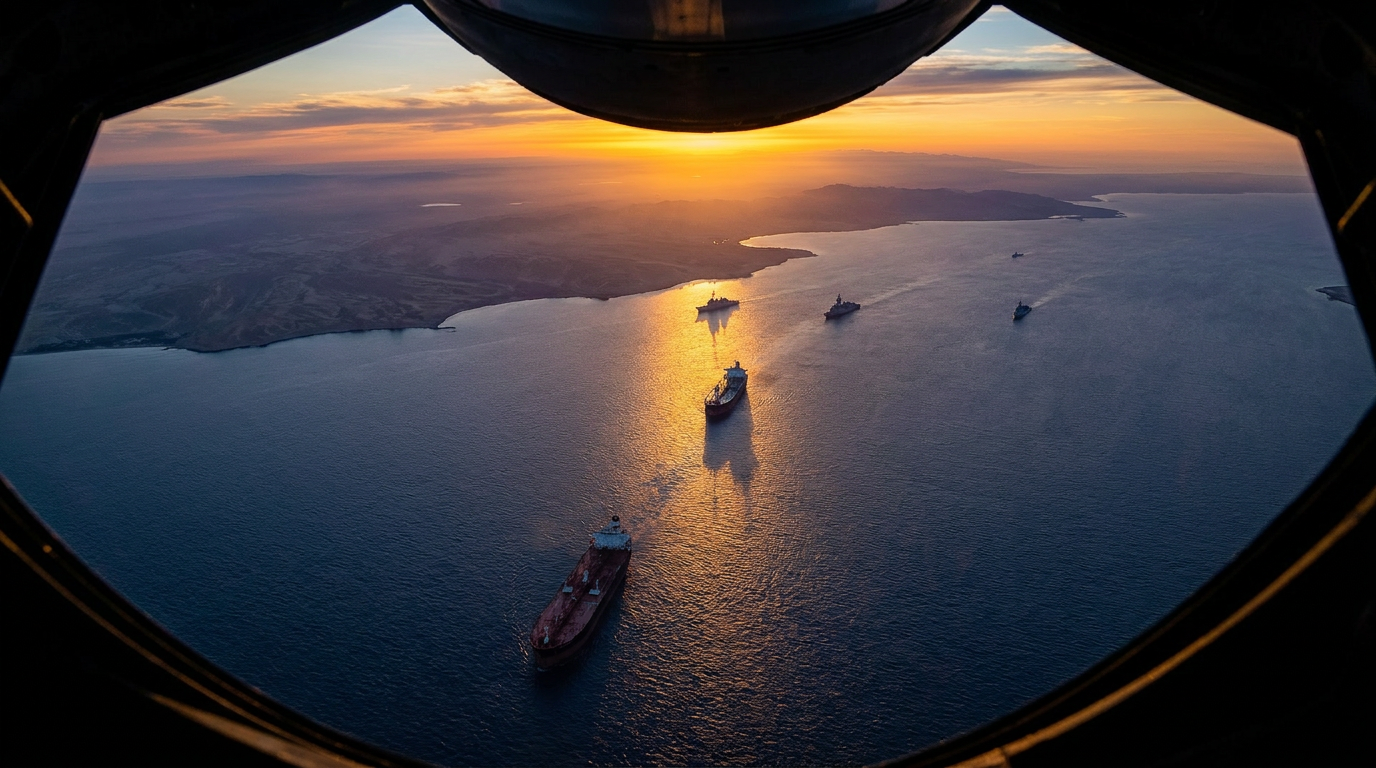
The mechanics of the framework itself rely on a phased, mutual stand-down. According to diplomatic sources, the agreement requires the withdrawal of Iranian fast-attack craft and anti-ship missile batteries from the immediate coastline of the Strait of Hormuz. In exchange, the United States will reportedly scale back its heightened naval strike group deployments in the region, transitioning from an active combat posture to a monitoring role.[4][7]
Verification remains the most fragile component of the deal. The framework reportedly outlines a system of joint or third-party maritime patrols to ensure commercial vessels are not harassed, though the exact composition of these monitoring forces has not been publicly detailed. Regional mediators, particularly Oman, are expected to play a continuing role in dispute resolution as the framework transitions into a binding treaty.[4][7]
The 15-week conflict fundamentally altered the risk calculus for global trade. When hostilities broke out, the immediate assumption was a localized, brief exchange of fire. Instead, the prolonged standoff demonstrated how vulnerable the global economy remains to chokepoint disruption. The resulting supply chain bottlenecks mirrored the worst days of the pandemic-era shipping crisis, heavily incentivizing Washington to find a diplomatic off-ramp.[7][8]

For Tehran, the framework offers a vital economic lifeline. The Iranian economy has been under severe strain from both the direct costs of the military mobilization and the tightening of secondary sanctions during the conflict. By agreeing to reopen the strait, Iranian leadership secures a pause in military strikes against its infrastructure and a potential easing of the most aggressive economic blockades, allowing the state apparatus to stabilize.[4][7]
Despite the optimism, significant blind spots remain in the text of the framework. The agreement reportedly does not address Iran's nuclear enrichment program, nor does it explicitly mandate the defunding of proxy militias in Yemen, Syria, and Iraq. Critics argue that by compartmentalizing the maritime conflict from these broader issues, the agreement merely resets the clock for the next regional crisis.[2][6][7]
Within the United States, the Trump administration is positioning the framework as a masterclass in coercive diplomacy. By leveraging overwhelming naval presence to force Tehran to the table, the administration claims it has secured a vital American interest—freedom of navigation—without committing to a prolonged ground war. As the formal signing approaches, this narrative of peace through strength is expected to dominate domestic political messaging, even as regional allies demand further assurances.[1][2][7]

The coming days will be critical as negotiators work to translate this framework into a formal, signed agreement. The tentative peace has provided an immediate economic stimulus and halted the bloodshed, but the durability of the deal will depend entirely on the enforcement mechanisms finalized later this week. Until the ink is dry, the Middle East remains in a state of cautious, heavily armed anticipation.[1][4][7]
How we got here
Early March 2026
Direct military confrontation escalates between the US and Iran, leading to the effective closure of the Strait of Hormuz to commercial shipping.
April 2026
Global energy markets spike as commercial shipping is rerouted around Africa, prompting emergency central bank interventions to combat inflation.
Late May 2026
Backchannel diplomatic negotiations accelerate in Oman as economic and military pressures mount on both sides.
June 14, 2026
US and Iranian officials announce a tentative framework peace deal to end the 15-week conflict.
Later This Week
A formal signing of the binding diplomatic agreement is expected to take place, officially reopening the strait.
Viewpoints in depth
US Administration's View
Prioritizes the restoration of global trade routes and domestic economic stability over a protracted military engagement.
For Washington, the framework is viewed as a masterstroke of coercive diplomacy that successfully achieved its primary objective without sinking into a quagmire. By leveraging overwhelming naval superiority, the administration believes it forced Tehran to reopen the Strait of Hormuz, thereby neutralizing the most severe threat to the global economy. Officials argue that stabilizing energy markets and preventing a resurgence of inflation are paramount, and that this deal secures American interests while shifting the burden of regional security back to local actors.
Israeli Defense Establishment
Deeply skeptical of the agreement, viewing it as a temporary pause that leaves Iranian proxy networks intact.
Jerusalem views the framework with profound concern, arguing that it compartmentalizes the maritime conflict while ignoring the broader strategic threat. Israeli defense officials assert that by lifting military and economic pressure on Tehran, the deal provides the Iranian state apparatus with the breathing room needed to rearm and fund proxy militias in Lebanon, Syria, and Yemen. Consequently, Israel has vowed to maintain its own unilateral security operations, including the occupation of buffer zones in southern Lebanon, regardless of Washington's diplomatic posture.
Global Energy Markets
Heavily supportive of the de-escalation, focusing entirely on the unhindered passage of commercial shipping.
For the global shipping and energy sectors, the geopolitical nuances of the deal are secondary to the physical safety of the Strait of Hormuz. The 15-week closure demonstrated the catastrophic vulnerability of global supply chains, costing billions in rerouting fees and insurance premiums. Market analysts and shipping conglomerates view the framework as an absolute necessity to prevent a global recession, prioritizing the immediate resumption of standard Gulf transit over the long-term resolution of Middle Eastern proxy conflicts.
Iranian Leadership
Frames the agreement as a successful resistance campaign that forced Western concessions and secured economic lifelines.
Tehran is presenting the framework domestically as a victory of endurance. Iranian state media emphasizes that the country withstood 15 weeks of intense military and economic pressure without capitulating on its core regional influence. By agreeing to reopen the strait, Iranian leadership secures a vital pause in military strikes against its infrastructure and a potential easing of secondary sanctions. This economic relief is considered essential for stabilizing the domestic economy and ensuring the long-term survival of the state apparatus.
What we don't know
- Whether the agreement includes unpublicized clauses regarding Iran's nuclear enrichment program.
- How the framework addresses the funding and arming of regional proxy groups in Lebanon, Syria, and Yemen.
- The exact timeline for the withdrawal of heightened US naval deployments from the Persian Gulf.
- The specific composition of the joint or third-party maritime patrols tasked with monitoring the strait.
Key terms
- Strait of Hormuz
- A narrow waterway between the Persian Gulf and the Gulf of Oman, through which approximately 20% of the world's oil consumption passes.
- Framework Agreement
- A preliminary diplomatic understanding that establishes the broad principles of a deal before all technical and legal details are finalized.
- Proxy Infrastructure
- Local militia groups funded, trained, and armed by a foreign power to advance its interests without direct military involvement.
- Federal Funds Rate
- The target interest rate set by the US central bank at which commercial banks borrow and lend their excess reserves to each other overnight.
- Brent Crude
- A major trading classification of sweet light crude oil that serves as a major benchmark price for purchases of oil worldwide.
Frequently asked
Is the US-Iran war officially over?
Not officially. The current agreement is a 'framework,' meaning the broad strokes of a ceasefire have been agreed upon, but a formal, binding treaty is expected to be signed later this week.
How will this affect global gas prices?
The reopening of the Strait of Hormuz has already caused global crude oil prices to drop significantly. This is expected to translate into lower prices at the pump for consumers and ease broader inflation pressures.
Does this deal involve Israel?
Israel is not a direct party to this specific US-Iran framework. Israeli leadership has expressed skepticism about the deal and stated they will maintain their own independent security operations in Lebanon.
What happens to the military forces in the Gulf?
The framework reportedly requires a mutual stand-down, with Iranian forces withdrawing from the immediate coastline and the US scaling back its heightened naval strike group deployments to a monitoring role.
Sources
Source coverage
8 outlets
4 viewpoints surfaced








[1]The GuardianUS Diplomatic & Economic Planners
US and Iran reach framework peace deal to end war | First Thing
Read on The Guardian →[2]Fox NewsIsraeli Security Establishment
Netanyahu's Israel grapples with Trump-Iran deal as details remain unclear
Read on Fox News →[3]ReutersGlobal Shipping & Energy Sectors
Oil prices plunge as US-Iran framework agreement signals reopening of Hormuz
Read on Reuters →[4]Al JazeeraIranian State Apparatus
Middle East cautiously optimistic as US and Iran announce tentative ceasefire framework
Read on Al Jazeera →[5]BloombergUS Diplomatic & Economic Planners
Fed Expected to Hold Rates at 3.5% as Iran Deal Eases Inflation Pressures
Read on Bloomberg →[6]The Times of IsraelIsraeli Security Establishment
IDF to maintain Lebanon buffer zones despite US-Iran framework agreement
Read on The Times of Israel →[7]The New York TimesUS Diplomatic & Economic Planners
Inside the 15-Week Conflict: How Washington and Tehran Reached a Fragile Truce
Read on The New York Times →[8]Wall Street JournalGlobal Shipping & Energy Sectors
Global Shipping Markets Rally on Hormuz Reopening Assurances
Read on Wall Street Journal →
More in news politics
See all 5 stories →
Every angle. Every day.
Get news politics stories with full source coverage and perspective breakdowns delivered to your inbox.