
US and Iran Near Peace Agreement, But Clash Publicly Over Deal Terms
President Donald Trump announced the U.S. and Iran are close to signing a peace agreement to end their three-month conflict, canceling planned military strikes. However, the two nations are publicly disputing the core terms of the emerging deal, including control of the Strait of Hormuz and the unfreezing of Iranian assets.
By Factlen Editorial Team
- U.S. Administration
- Argues the deal dismantles Iran's nuclear program and secures free shipping without upfront financial concessions.
- Iranian State Media
- Claims the agreement secures massive sanctions relief and maintains Iranian control over key waterways.
- Diplomatic Observers
- Views the conflicting public claims as political posturing necessary to satisfy domestic hardliners on both sides.
What's not represented
- · Commercial shipping companies affected by the Strait of Hormuz blockade
- · U.S. congressional leaders who must review any sanctions relief
- · Allied Gulf nations reliant on the Strait of Hormuz for oil exports
Why this matters
A finalized peace agreement would end a three-month military conflict that has disrupted global shipping and rattled energy markets. However, if the public dispute over the terms causes negotiations to collapse, the U.S. could resume military strikes, risking a wider regional war.
Key points
- President Trump canceled planned military strikes, announcing a peace deal with Iran is near.
- Iranian state media leaked draft terms claiming the U.S. would unfreeze up to $100 billion in assets.
- The Iranian reports also claimed Tehran would retain control and collect tolls in the Strait of Hormuz.
- Trump and VP JD Vance forcefully denied the leaked terms, calling the Iranian negotiators "dishonorable."
- U.S. officials insist the deal requires the destruction of Iran's enriched nuclear material and free shipping.
- Mediators from Pakistan, Turkey, and Qatar are working to finalize the agreement and prevent a return to war.
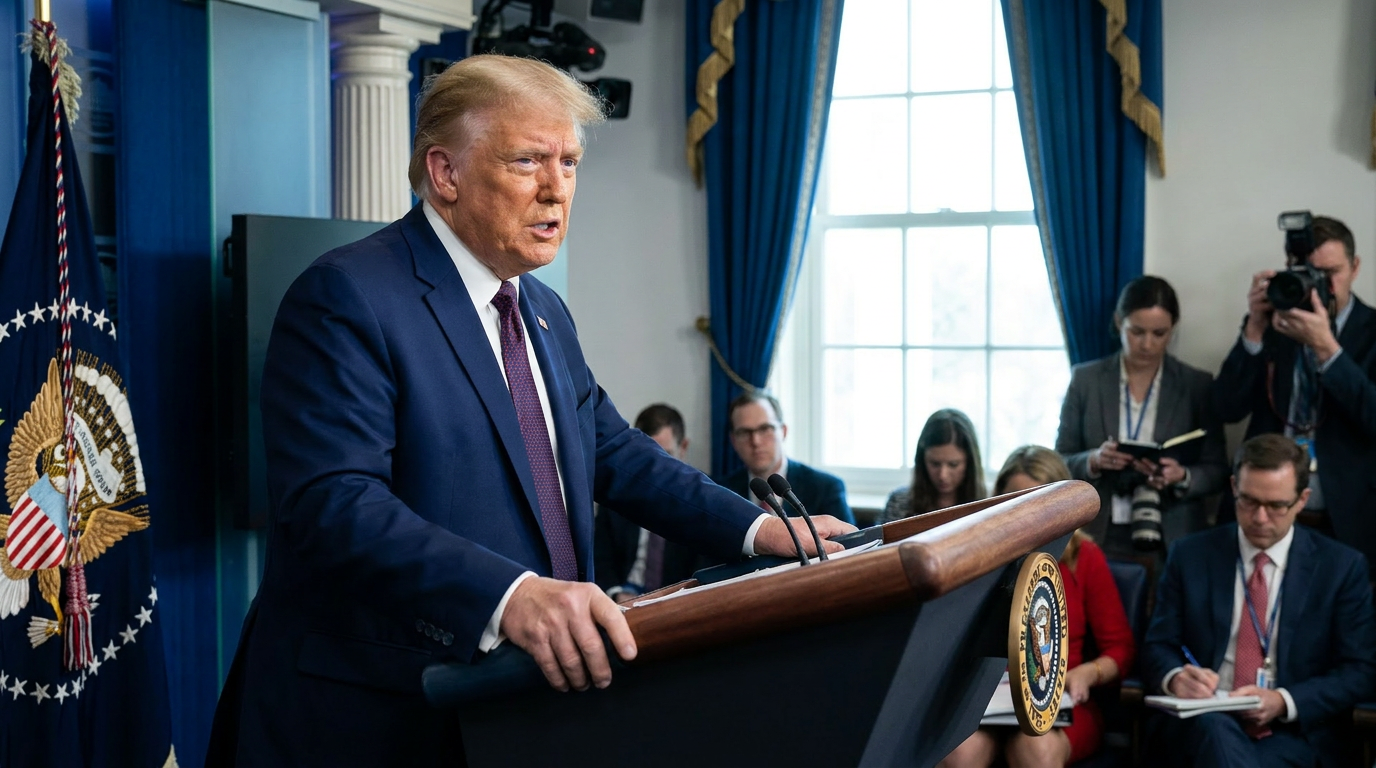
President Donald Trump has abruptly canceled planned military strikes against Iran, announcing that the United States and Tehran are on the verge of signing a peace agreement to end their three-month conflict. The sudden diplomatic pivot came just hours after Trump had threatened "very hard" kinetic action against Iranian infrastructure. Instead, the administration is now signaling that a final settlement could be signed in Europe as early as this weekend, aiming to provide an "off-ramp" to a war that has rattled global energy markets and disrupted international shipping.[1][5][6]
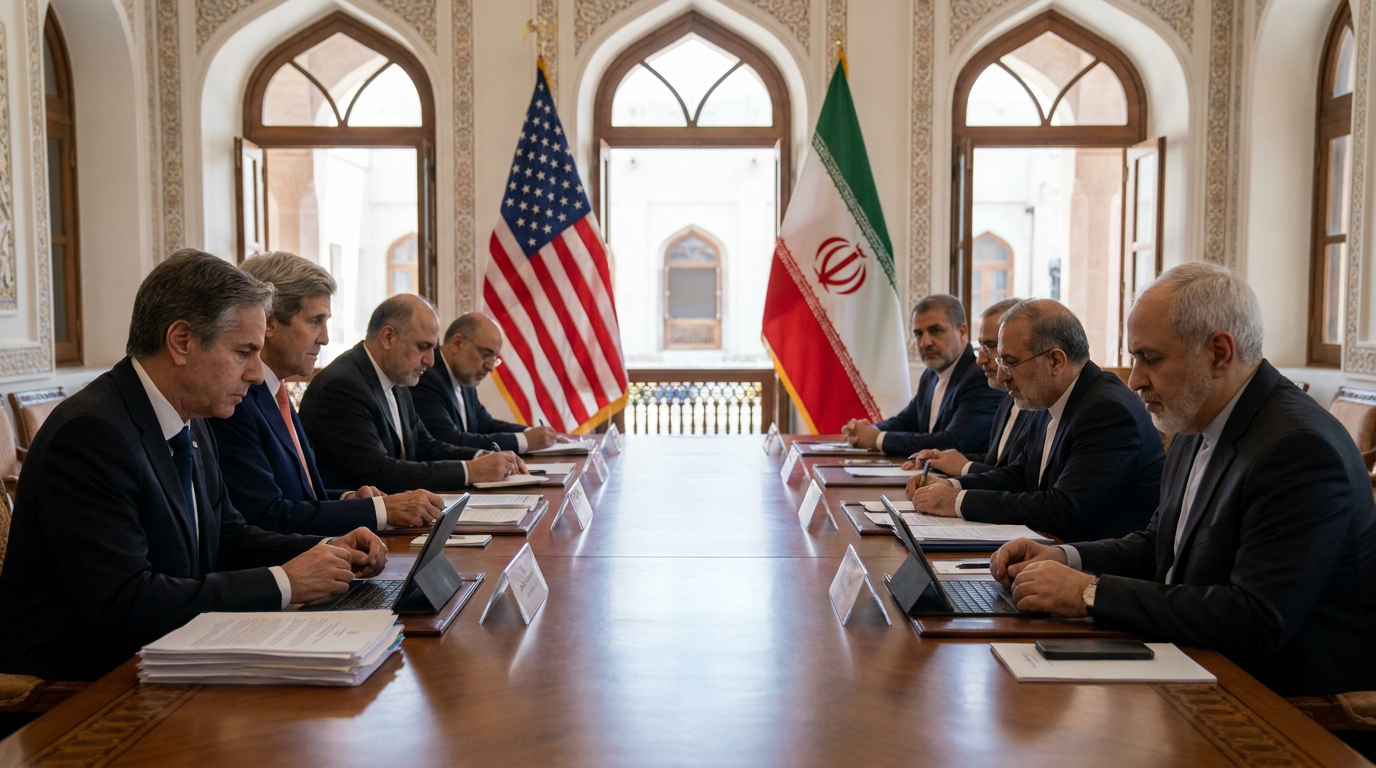
However, the optimism surrounding the potential ceasefire has been immediately clouded by a chaotic public dispute over the actual terms of the agreement. While both Washington and Tehran acknowledge that a memorandum of understanding is being finalized with the help of mediators from Pakistan, Turkey, and Qatar, the two capitals are broadcasting vastly different versions of what the deal entails. The conflicting narratives have raised questions about whether a genuine consensus has been reached or if both sides are simply posturing for their domestic audiences.[1][3][5]
The controversy ignited when Iranian state media, including the Mehr and IRNA news agencies, leaked what they claimed were the contours of the draft agreement. According to these reports, the deal heavily favors Tehran, requiring the U.S. to immediately unfreeze between $24 billion and $100 billion in Iranian assets held abroad. Furthermore, the Iranian outlets asserted that the agreement would not require Iran to make any new commitments regarding its nuclear program, delaying those discussions for at least 60 days.[3][4][6]

Crucially, the Iranian reports also claimed that Tehran would not surrender control over the Strait of Hormuz, a vital global shipping artery. Instead, Iranian Foreign Minister Abbas Araghchi and state media suggested that Iran would manage the corridor in partnership with Oman and retain the right to collect "service fees" or transit tolls from commercial vessels. This would represent a significant concession from the United States, which has historically demanded unconditional freedom of navigation in international waters.[2][3]
Crucially, the Iranian reports also claimed that Tehran would not surrender control over the Strait of Hormuz, a vital global shipping artery.
The Trump administration responded to the leaks with immediate and forceful denials. Taking to his Truth Social platform, President Trump dismissed the Iranian reports as "Fake News," declaring that the leaked terms "have NOTHING to do with the terms that were agreed to, in writing." He characterized the Iranian negotiators as "very dishonorable people to deal with" and warned that they needed to "get their act together, and FAST!" Vice President JD Vance echoed the sentiment, stating that Iran would not receive any upfront cash simply for signing a document.[2][4]
According to U.S. officials, the actual agreement imposes strict conditions on Tehran. A senior administration official stated that the deal would require Iran's enriched nuclear material to be destroyed on-site and subsequently removed from the country, permanently blocking the regime's path to a nuclear weapon. The U.S. also maintains that the agreement mandates the complete reopening of the Strait of Hormuz to free shipping, without the imposition of Iranian tolls, and requires the lifting of the current blockade on Iranian ports.[2][5]

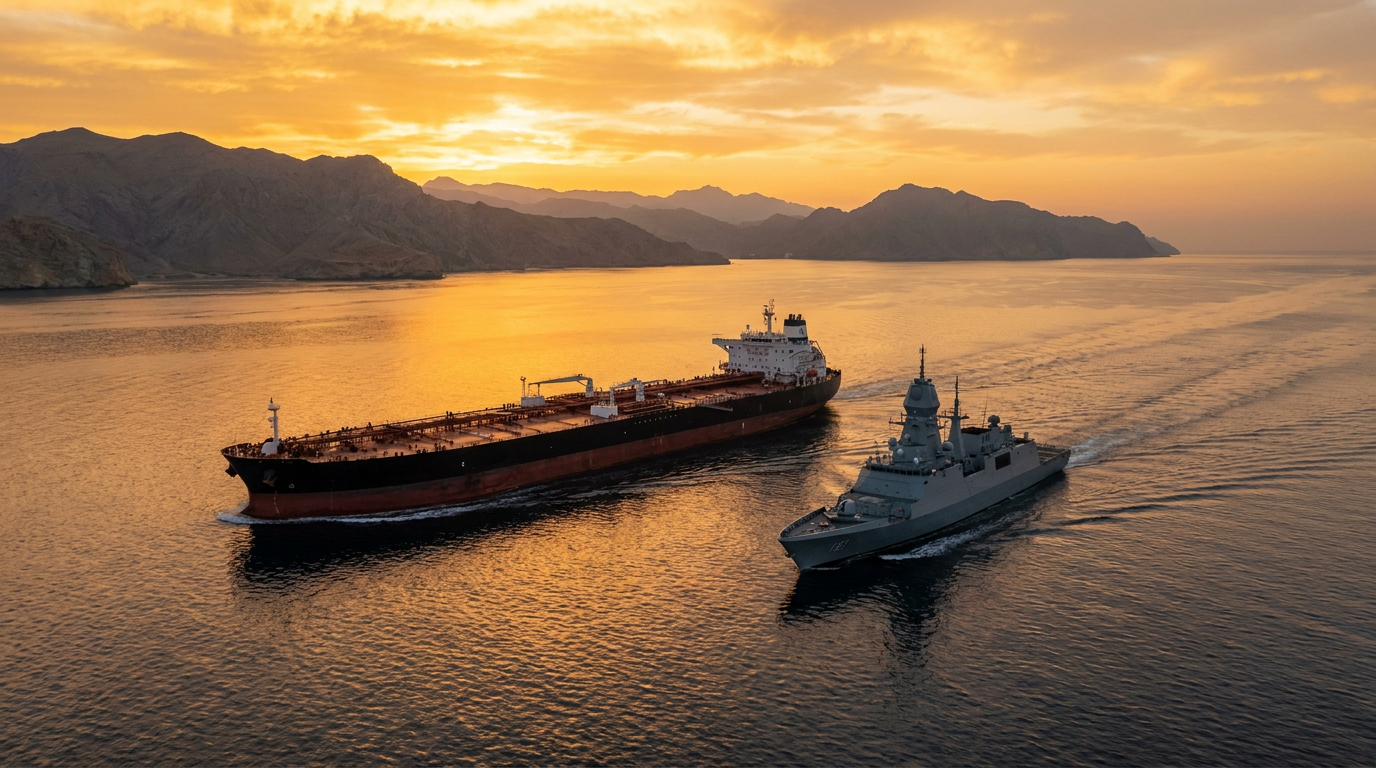
The stakes of the negotiations are immense. The three-month conflict has seen direct military engagements, including U.S. strikes on Iranian-backed forces and Iranian attacks on commercial shipping. U.S. Central Command recently reported that 136 commercial ships have been forced to redirect their routes due to the blockade and the threat of drone attacks in the Gulf of Oman. A finalized peace deal would immediately ease these maritime bottlenecks and stabilize volatile crude oil prices, which fluctuated wildly this week in response to Trump's alternating threats and peace overtures.[2][3]
Diplomatic observers suggest that the contradictory public statements are a classic feature of high-stakes negotiations, particularly when both leaders face intense pressure from hardline factions within their own governments. Analysts note that Tehran is desperate for economic relief from crippling sanctions but cannot appear to capitulate to Washington, while the Trump administration wants to claim a decisive diplomatic victory without being accused of repeating the financial concessions made during the 2015 Obama-era nuclear deal.[1][3]
As mediators continue to shuttle between the parties, the window for a final resolution remains fragile. While Pakistani Prime Minister Shehbaz Sharif claimed that a final text had been agreed upon, neither the U.S. State Department nor Iran's Foreign Ministry has officially confirmed a finalized document. If the public dispute over the terms causes the fragile memorandum to collapse, the U.S. has warned it is prepared to immediately resume military strikes, potentially plunging the region back into a broader and more destructive war.[3][5]
How we got here
March 2026
The U.S. and Iran agree to a temporary ceasefire after weeks of escalating military threats.
Early June 2026
Conflict reignites with new U.S. strikes and Iranian attacks on commercial shipping.
June 11, 2026
President Trump threatens 'very hard' kinetic strikes against Iranian infrastructure.
June 12, 2026
Trump cancels the strikes, announcing that a peace agreement is close to being finalized.
June 13, 2026
A public dispute erupts over the deal's terms after Iranian state media leaks a highly favorable draft.
Viewpoints in depth
U.S. Administration
The deal is a decisive victory that dismantles Iran's nuclear capabilities without offering unearned financial rewards.
President Trump and Vice President Vance argue that the emerging agreement is 'very strong' and prioritizes American security interests. They insist that the deal mandates the destruction and removal of Iran's enriched nuclear material and guarantees free navigation through the Strait of Hormuz. The administration vehemently denies that any massive sums of frozen assets will be released upfront, framing any economic relief as strictly conditional on Iran meeting its obligations.
Iranian State Media
The agreement secures vital economic relief and maintains Iranian sovereignty over key waterways while delaying nuclear concessions.
Reports from Iranian outlets like Mehr and IRNA, alongside statements from Foreign Minister Abbas Araghchi, frame the deal as a diplomatic win for Tehran. They claim the U.S. has agreed to unfreeze tens of billions of dollars in assets and that Iran will retain the right to manage the Strait of Hormuz—including the collection of transit tolls. Furthermore, they assert that the current memorandum does not force immediate concessions on Iran's nuclear program, pushing those talks down the road.
Diplomatic Observers
The conflicting claims are a byproduct of both sides needing to sell a compromise to their domestic hardliners.
International analysts and mediators view the chaotic public messaging as a necessary political theater. Experts note that Tehran desperately needs sanctions relief but cannot afford to look weak, while the Trump administration wants a foreign policy victory without appearing to repeat the financial concessions of the 2015 Obama-era deal. Observers believe a genuine framework exists, but warn that the intense public posturing could still derail the fragile final stages of the agreement.
What we don't know
- Whether a finalized, signed text actually exists or if the agreement remains purely conceptual.
- How the two nations will reconcile their diametrically opposed public stances on the Strait of Hormuz.
- The exact timeline for when the agreement might be formally signed and implemented.
Key terms
- Strait of Hormuz
- A narrow, strategically vital waterway between the Persian Gulf and the Gulf of Oman through which a significant portion of the world's oil supply passes.
- Memorandum of Understanding (MoU)
- A formal agreement between two or more parties that establishes a framework for cooperation, often serving as a precursor to a binding treaty.
- Frozen Assets
- Financial reserves belonging to a country that are held in foreign banks and blocked from being accessed due to international sanctions.
Frequently asked
Is the war between the U.S. and Iran officially over?
Not yet. While President Trump canceled planned military strikes and announced a deal is close, a final agreement has not been officially signed by both parties.
What is the dispute over the Strait of Hormuz?
Iran claims the deal allows them to manage the strait and collect transit tolls from ships, while the U.S. insists the agreement guarantees unconditional free shipping.
Will the U.S. unfreeze Iranian money?
Iranian media claims the U.S. will unfreeze up to $100 billion upfront. The Trump administration denies this, stating that any economic relief will only come after Iran meets strict obligations.
Sources
Source coverage
6 outlets
3 viewpoints surfaced






[1]PBS NewsHourDiplomatic Observers
Trump calls off threatened strikes, says deal with Iran is close
Read on PBS NewsHour →[2]Fox NewsU.S. Administration
Trump blasts leaked Iranian deal terms, 'very dishonorable' negotiators
Read on Fox News →[3]The GuardianDiplomatic Observers
Chaotic talks on a US-Iran deal continue on the Trump rollercoaster
Read on The Guardian →[4]ForbesU.S. Administration
Trump Denies Iran Peace Deal Heavily Favors Tehran
Read on Forbes →[5]Global NewsDiplomatic Observers
Trump cancels Iran strikes, says deal to end war is near
Read on Global News →[6]Al JazeeraIranian State Media
Trump seeks 'off-ramp' from war in 'Iran deal'
Read on Al Jazeera →
More in news politics
See all 5 stories →Middle East Diplomacy
US and Iran Near Interim Agreement to Halt Hostilities: What the Deal Contains
0 sources
Union Contracts
House Passes Sweeping Labor Bill Mandating Strict Timelines for First Union Contracts
0 sources
US-Iran Deal
US and Iran on the Brink of Historic Interim Peace Agreement to End War
0 sources
Every angle. Every day.
Get news politics stories with full source coverage and perspective breakdowns delivered to your inbox.