
Trump Cancels Strikes on Iran, Claims Peace Deal to End War is Imminent
President Donald Trump called off planned military strikes against Iran, announcing that a performance-based peace agreement to end the three-month war is near completion. However, Iranian officials and leaked terms suggest key details remain contested before any final signing.
By Factlen Editorial Team
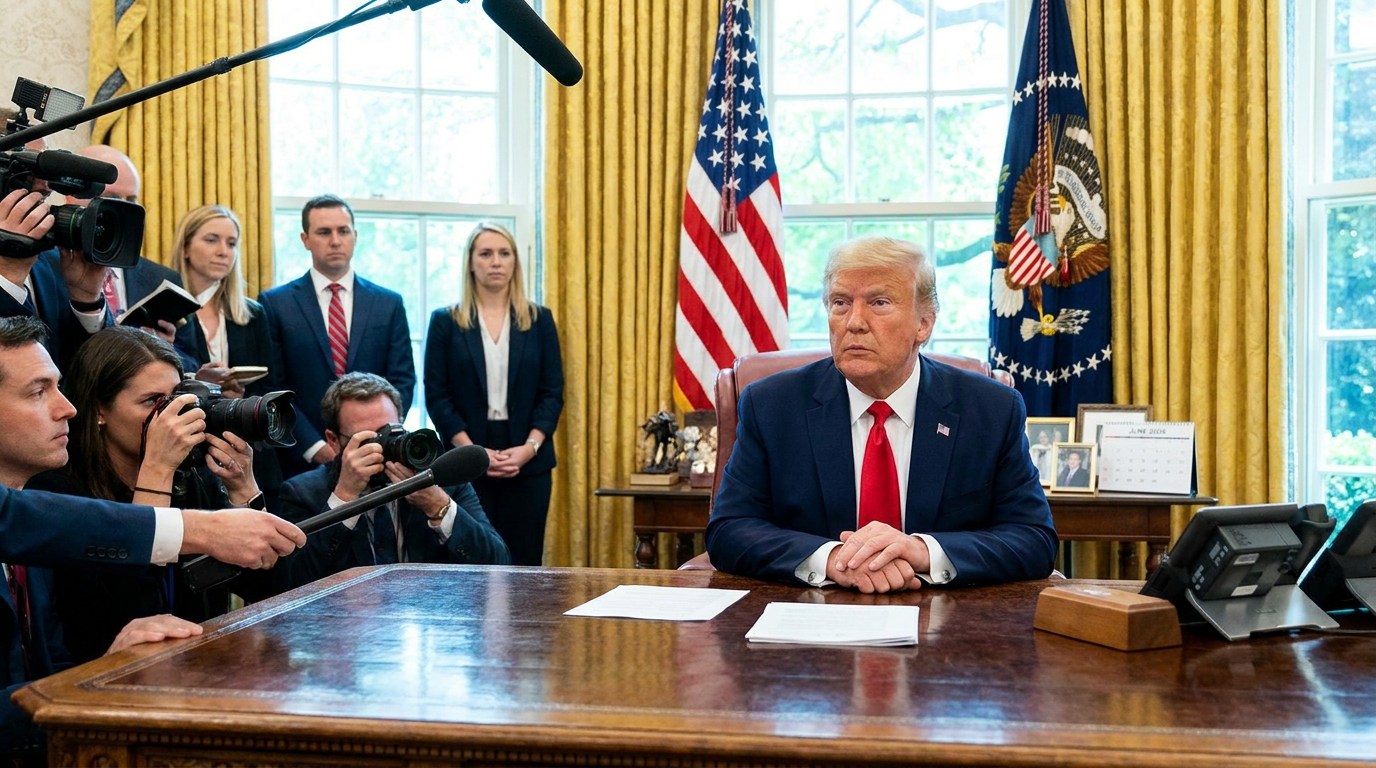
- US Administration Officials
- Argues the deal is a performance-based victory that neutralizes Iran's threats without upfront concessions.
- Iranian Leadership
- Insists Tehran has not capitulated to US demands and will not compromise on its core strategic red lines.
- Regional Security Allies
- Views the sudden diplomatic pivot with caution, prioritizing the permanent neutralization of Iran's nuclear threat.
What's not represented
- · Global Shipping Industry
- · European Energy Consumers
Why this matters
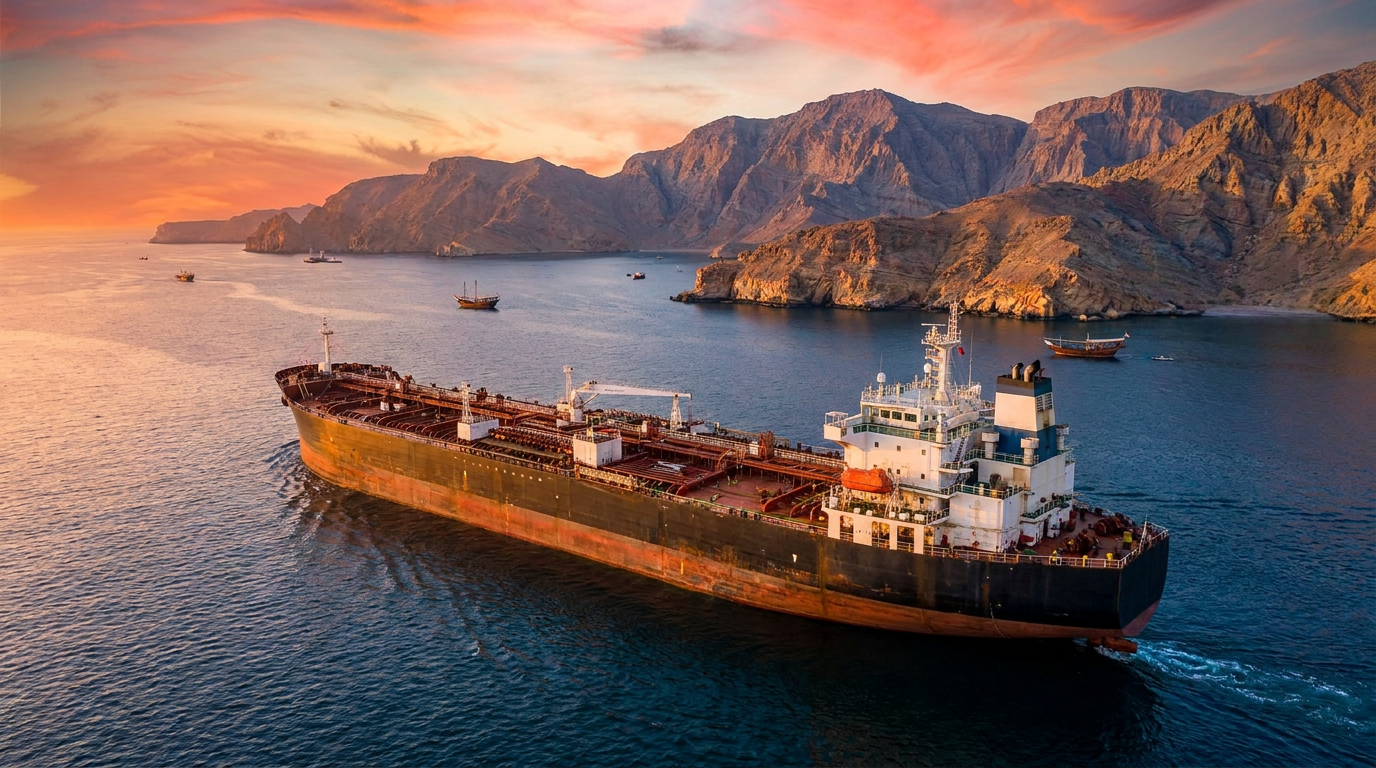
The 15-week conflict has rattled global energy markets, disrupted shipping through the Strait of Hormuz, and drawn in multiple regional powers. A finalized peace agreement would stabilize oil prices and avert a broader Middle Eastern war, though a collapse in negotiations could trigger immediate military escalation.
Key points
- President Trump cancelled planned military strikes against Iran, declaring a peace agreement is imminent.
- The White House describes the emerging pact as a 'performance-based' deal requiring Iran to dismantle its nuclear program.
- Iranian officials cautioned that no final agreement has been reached, despite significant progress on the negotiating text.
- Leaked terms suggesting Iran would retain joint control of the Strait of Hormuz were angrily denied by the Trump administration.
President Donald Trump abruptly cancelled planned "very hard" military strikes against Iran on Thursday evening, declaring that a comprehensive peace agreement to end the 15-week war is in its final stages. The sudden pivot from military escalation to diplomacy comes after days of intense back-and-forth fire that threatened to collapse a fragile April ceasefire. The announcement immediately rippled through global markets, triggering a stock rally and a sharp drop in Brent crude oil prices, which had previously soared past $100 a barrel due to the conflict.[2][3]
Writing on Truth Social, Trump claimed that the terms of the settlement had been approved by the "highest level of Iranian leadership," including Ayatollah Mojtaba Khamenei. He stated that the agreement would be signed shortly, potentially this weekend in Europe, and that he plans to dispatch Vice President JD Vance for the formal ceremony. "Based on the fact that discussions with the Islamic Republic of Iran have been brought to the highest level of Iranian leadership and approved, I have... cancelled the scheduled strikes and bombings against Iran this evening," the president wrote.[2][3]
The White House has characterized the emerging pact as a strict "performance-based deal." According to US officials, the agreement requires Tehran to dismantle its nuclear program, reopen the vital Strait of Hormuz to international shipping, and cease funding regional militant groups before any of its frozen assets are released. Vice President Vance took to social media to reinforce this framing, emphasizing that "no funds are being released for simply signing a deal or attending a meeting," and that economic benefits will only flow once Iran meets its obligations.[1][4]

Despite the optimism radiating from Washington, officials in Tehran have visibly pumped the brakes on the victory lap. Iranian Foreign Ministry spokesman Esmaeil Baghaei confirmed that large portions of the negotiating text are finalized, but he firmly insisted that "Iran has not reached a final conclusion on the agreement." Iranian state media outlets, including the semi-official Tasnim news agency, warned the public against treating Trump's announcements as official policy until Tehran formally agrees, noting the president's history of prematurely declaring diplomatic breakthroughs.[2]
Despite the optimism radiating from Washington, officials in Tehran have visibly pumped the brakes on the victory lap.
The exact parameters of the deal remain fiercely contested, sparking a war of words over leaked terms. Reports originating from Iranian state media and regional mediators suggested that Iran might retain joint control over the Strait of Hormuz in partnership with Oman, and that discussions regarding its nuclear program could be delayed for 60 days. The leaks also suggested the immediate unfreezing of billions of dollars in assets in exchange for halting hostilities.[5]
Trump angrily dismissed these reports, calling the Iranian negotiators "very dishonorable people to deal with." He insisted that the leaked terms have "NOTHING to do with the terms that were agreed to, in writing," though he declined to specify which provisions were inaccurate. The public dispute highlights the fragility of the negotiations, as both sides attempt to project strength and claim victory to their respective domestic audiences while mediators from Qatar, Oman, and Pakistan scramble to finalize the text.[1][5]

The push for an off-ramp comes as the war, officially dubbed Operation Epic Fury, drags into its fourth month and exerts mounting political and economic pressure. While the administration has touted the severe degradation of Iran's air force and naval capabilities, the conflict has driven up domestic gas prices and drawn criticism from both anti-war conservatives and hawkish Republicans. Several prominent lawmakers have publicly warned against any agreement that provides massive reconstruction funds to Iran while the current regime remains in power.[3][6]
The regional stakes of the diplomatic push are immense. The conflict, which began on February 28 with joint US-Israeli strikes, has severely disrupted global shipping; US Central Command recently reported that 136 commercial vessels have been redirected due to the naval blockade of Iranian ports. Israel, a key US ally, was reportedly caught off guard by Trump's sudden announcement. Prime Minister Benjamin Netanyahu's office quickly clarified that Israel is not a direct party to the emerging memorandum of understanding, though Netanyahu affirmed his alignment with Trump's goal of permanently neutralizing Iran's nuclear threat. If the deal holds, it would mark a massive diplomatic stabilization; if it collapses, the region braces for an immediate return to devastating military strikes.[1][4]
How we got here
Feb 28, 2026
The US and Israel launch Operation Epic Fury, initiating the conflict with strikes on Iranian military targets.
April 2026
A fragile temporary ceasefire is established but is repeatedly violated by sporadic retaliatory strikes.
Early June 2026
Hostilities escalate with back-and-forth strikes and US threats to target Iran's Kharg Island oil terminal.
June 11, 2026
President Trump cancels planned strikes and announces a peace deal is imminent, though Iran denies a final agreement.
Viewpoints in depth
US Administration's View
The White House argues the deal is a performance-based victory that neutralizes Iran's threats without upfront concessions.
President Trump and Vice President Vance maintain that the 15-week military campaign successfully degraded Iran's capabilities, forcing Tehran to the negotiating table. They emphasize that the emerging agreement is strictly 'performance-based,' meaning Iran will not receive any of the estimated $24 billion in sanctions relief until it verifiably dismantles its nuclear program and reopens the Strait of Hormuz. The administration views this as a definitive end to the conflict on American terms.
Iranian Leadership's View
Tehran insists it has not capitulated to US demands and will not compromise on its core strategic red lines.
Iranian officials, including Foreign Ministry spokesman Esmaeil Baghaei, have deliberately tempered expectations, stressing that no final agreement has been signed. Leaked terms circulated by Iranian state media suggest Tehran is pushing to retain joint administrative control over the Strait of Hormuz and delay nuclear discussions. For the Iranian leadership, projecting resilience and ensuring immediate economic relief are paramount to selling any ceasefire to their domestic audience.
Regional Allies' View
Israel and Gulf states remain cautious, prioritizing the permanent neutralization of Iran's nuclear threat over a rushed diplomatic settlement.
Regional partners, particularly Israel, view the sudden diplomatic pivot with apprehension. Having been reportedly caught off guard by the cancellation of strikes, Israeli officials have clarified they are not party to the US-Iran memorandum. Their primary concern is that a premature off-ramp might leave elements of Iran's nuclear infrastructure intact or provide sanctions relief that could be funneled to regional proxy groups once the immediate threat of US military action subsides.
What we don't know
- The exact timeline for when the agreement might be officially signed.
- Whether Iran will actually agree to the US demands regarding the complete dismantling of its nuclear program.
- How regional allies, particularly Israel, will respond if the final terms provide significant sanctions relief to Tehran.
Key terms
- Strait of Hormuz
- A crucial shipping chokepoint between the Persian Gulf and the Gulf of Oman, through which a significant portion of the world's oil passes.
- Kharg Island
- Iran's primary oil export terminal, handling the vast majority of the country's crude oil shipments.
- Sanctions Relief
- The lifting or suspension of economic penalties imposed by the US, allowing Iran to access frozen funds and participate in global trade.
Frequently asked
Is the war with Iran officially over?
Not yet. While President Trump cancelled imminent strikes and claimed a deal is close, Iranian officials say a final agreement has not been reached.
What does the US want in the deal?
The US is demanding the dismantling of Iran's nuclear program, the reopening of the Strait of Hormuz, and an end to Iranian funding for regional militant groups.
Will Iran receive money upfront?
Vice President JD Vance stated that Iran will not receive any cash simply for signing the deal, and that economic benefits are strictly performance-based.
Sources
Source coverage
6 outlets
3 viewpoints surfaced






[1]Fox NewsUS Administration Officials
Trump blasts leaked Iranian deal terms, 'very dishonorable' negotiators
Read on Fox News →[2]The GuardianIranian Leadership
Trump claims US and Iran on verge of signing peace agreement, but Tehran says no final decision made
Read on The Guardian →[3]PBSUS Administration Officials
Trump is raising expectations that this time he really will close deal with Iran to wind down war
Read on PBS →[4]The Times of IsraelRegional Security Allies
Trump calls off strikes on Iran, claims agreement could be signed this weekend in Europe
Read on The Times of Israel →[5]ForbesUS Administration Officials
Trump And Vance Angrily Deny Peace Deal Favors Iran
Read on Forbes →[6]TRT WorldIranian Leadership
Trump signals possible off-ramp from Iran war, claiming 'practically nothing left' to target
Read on TRT World →
More in news politics
See all 5 stories →Middle East Diplomacy
US and Iran Near Interim Agreement to Halt Hostilities: What the Deal Contains
0 sources
Union Contracts
House Passes Sweeping Labor Bill Mandating Strict Timelines for First Union Contracts
0 sources
US-Iran Deal
US and Iran on the Brink of Historic Interim Peace Agreement to End War
0 sources
Every angle. Every day.
Get news politics stories with full source coverage and perspective breakdowns delivered to your inbox.