
Trump Cancels Strikes on Iran, Announces Imminent Deal to End Three-Month War
President Trump has called off scheduled military strikes against Iran, signaling that a U.S.-Iran agreement to reopen the Strait of Hormuz and begin nuclear negotiations is close to being signed.
By Factlen Editorial Team
- U.S. Administration
- Argues that maximum military pressure successfully forced Iran to the negotiating table to dismantle its nuclear program.
- Iranian Leadership
- Views the agreement as a necessary mechanism to unfreeze assets and lift sanctions, while refusing to negotiate on ballistic missiles.
- Regional Mediators
- Prioritizes immediate de-escalation and the resumption of secure maritime trade to protect the global economy.
- Israeli Government
- Supports diplomatic efforts only if they guarantee the absolute dismantling of Iran's nuclear infrastructure.
What's not represented
- · Global shipping companies
- · Iranian civilians affected by the strikes
Why this matters
A formal ceasefire would halt a direct military conflict that has disrupted 20% of the world's oil supply and threatened to ignite a broader regional war. For the global economy, reopening the Strait of Hormuz is critical to stabilizing energy prices and curbing inflation.
Key points
- President Trump canceled scheduled airstrikes on Iran, announcing an imminent diplomatic deal.
- The proposed agreement includes a 60-day ceasefire and the reopening of the Strait of Hormuz.
- Iranian state media reports the U.S. will unfreeze $24 billion in assets, though Trump disputes the terms.
- The deal establishes a 60-day window to negotiate a comprehensive framework for Iran's nuclear program.
- Regional mediators from Qatar, Pakistan, and Turkey helped broker the tentative agreement.
The United States and Iran appear to be on the verge of a major diplomatic de-escalation. After three months of direct military conflict that began in late February 2026, President Donald Trump abruptly canceled a scheduled wave of airstrikes against Iranian infrastructure on Thursday evening. In their place, the White House announced that a "memorandum of understanding" (MOU) is imminent, providing a potential off-ramp to a war that has severely disrupted global energy markets.[2][3]
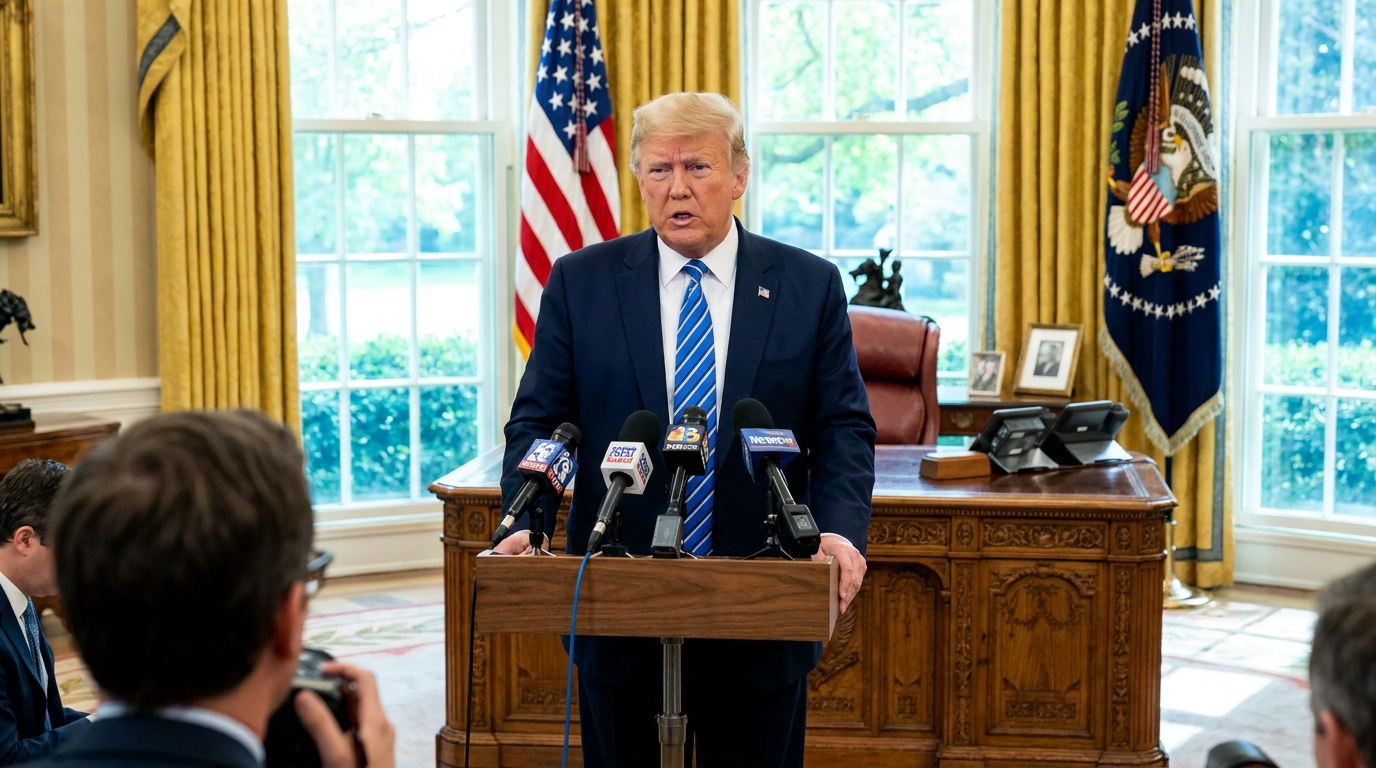
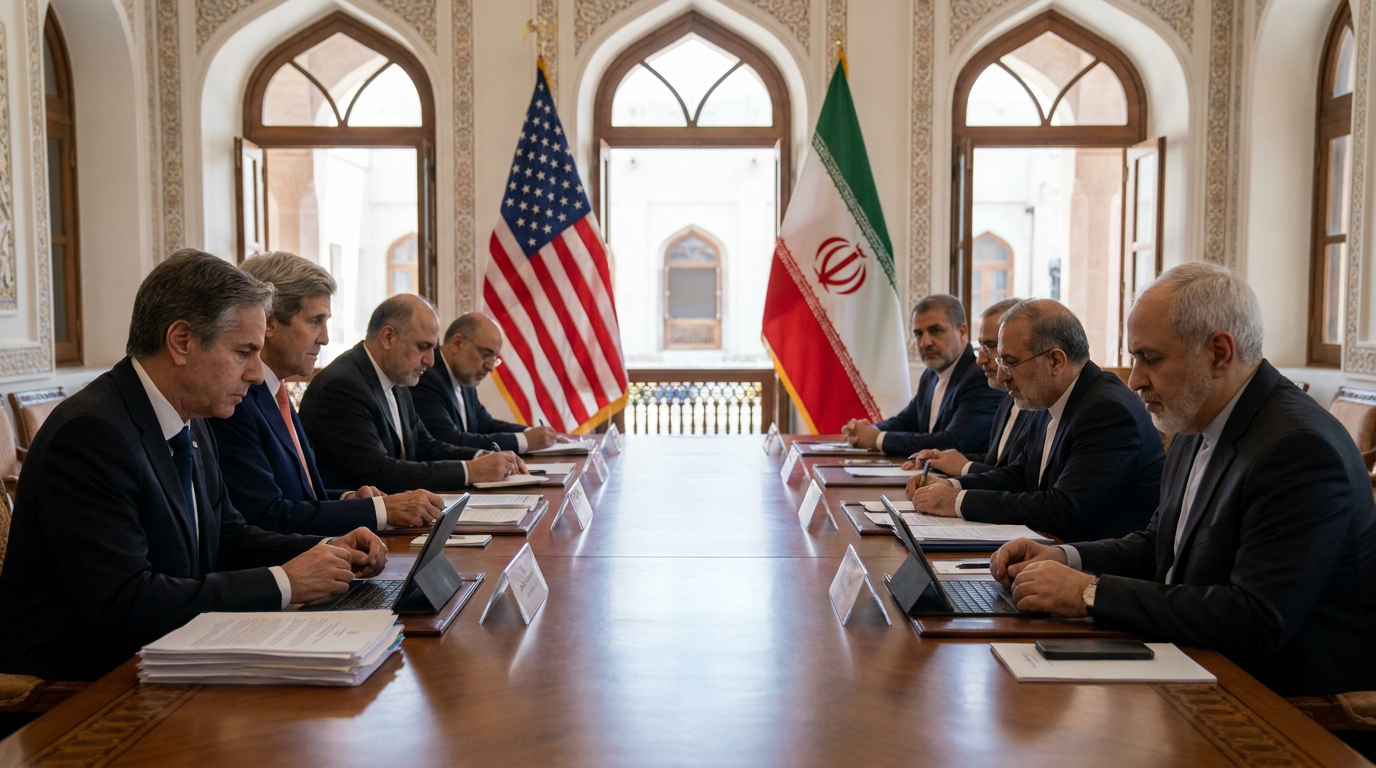
The sudden pivot from military confrontation to high-stakes diplomacy follows weeks of intense back-channel negotiations. Because Washington and Tehran do not maintain formal diplomatic relations, the talks have been mediated by officials from Qatar, Pakistan, and Turkey. Trump told reporters in the Oval Office that the Iranian leadership had "taken a pounding" from U.S. bombardments and was now ready to make a deal.[2][4][6]
The president indicated that the agreement is approved "in concept and great detail" by all involved parties, though a formal signing date has not yet been set. The announcement marks a sharp reversal from earlier in the week, when Trump had threatened to launch a "bigger, more powerful" attack and seize control of Iran's oil markets if Tehran did not capitulate.[5][6]
The core mechanism of the proposed MOU centers on a 60-day ceasefire extension. This pause in hostilities is designed to halt the cycle of U.S. airstrikes and Iranian retaliatory drone attacks that have characterized the conflict. The ceasefire would also reportedly extend to Lebanon, where Israeli forces and Iranian-backed Hezbollah militants have been engaged in heavy fighting.[2][3][4][5]

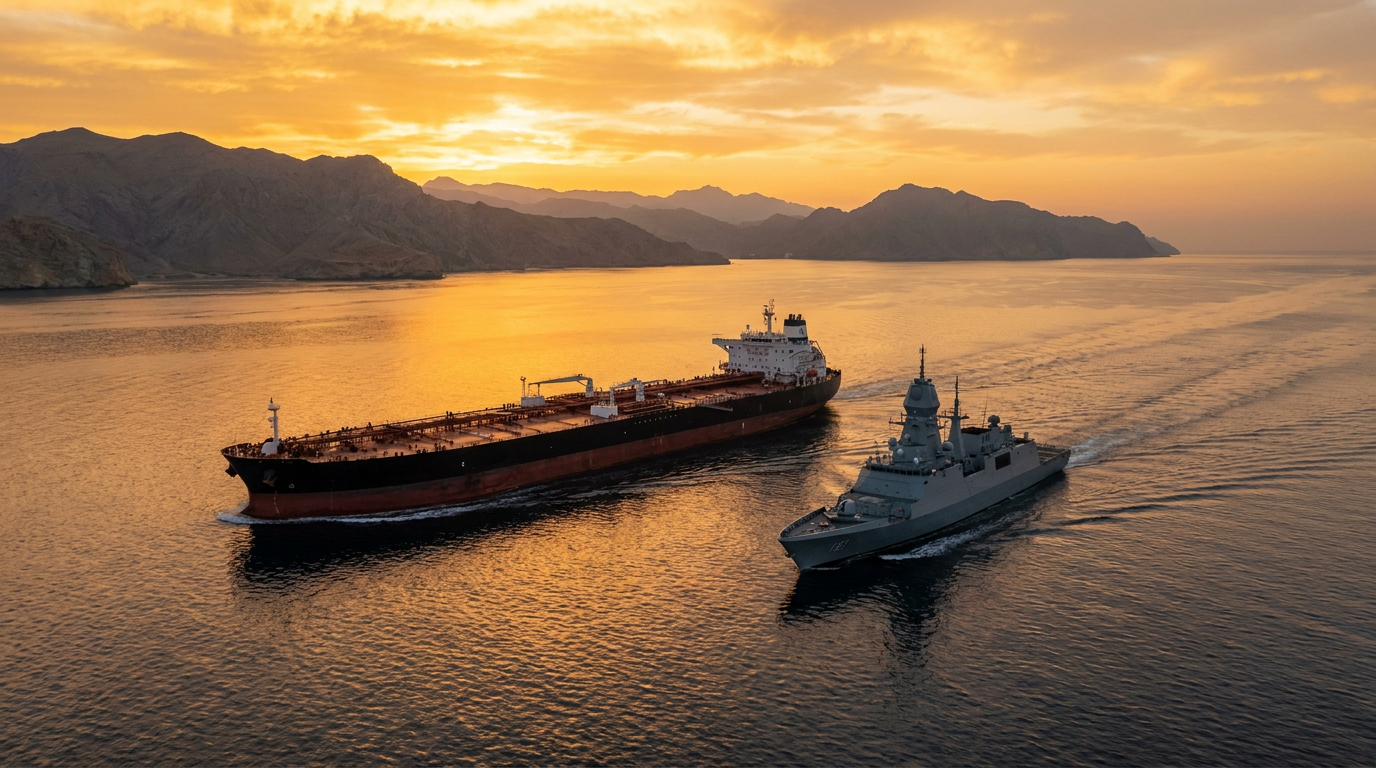
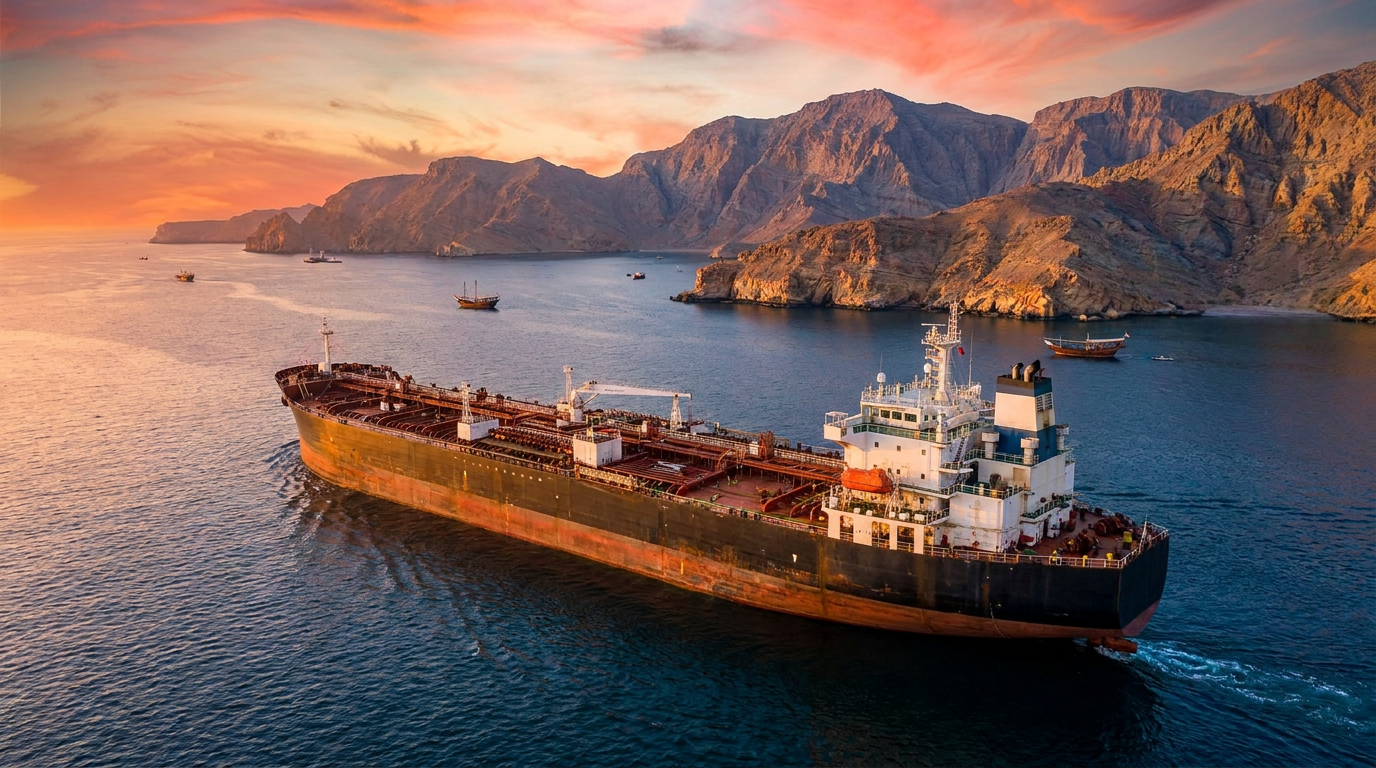
A critical component of the deal is the immediate reopening of the Strait of Hormuz. Roughly 20% of the world's crude oil typically flows through this narrow maritime chokepoint. Since the war began, the strait has been effectively blockaded by Iranian threats and military action, heavily constraining global energy supplies and driving up prices. Under the MOU, commercial shipping would resume without tolls or harassment.[3][4][5]
In exchange for halting hostilities and reopening the strait, Iran is slated to receive substantial economic relief. Iranian state media, including the Mehr News Agency, reported that the U.S. has agreed to unfreeze $24 billion in Iranian financial assets held abroad. According to these reports, half of that amount would be released upfront before further talks commence, allowing Tehran to bypass crippling economic sanctions.[3][5]
In exchange for halting hostilities and reopening the strait, Iran is slated to receive substantial economic relief.
However, the narrative surrounding the financial concessions is highly contested. Trump recently took to social media to accuse Tehran of leaking false terms to the press, specifically disputing the timeline and conditionality of the asset release. U.S. officials maintain that the deal is strictly "performance-based," meaning that no frozen assets will be released until Iran demonstrably fulfills its obligations under the agreement.[5]
The most complex element of the emerging deal remains Iran's nuclear program. The draft MOU does not permanently dismantle Iran's nuclear capabilities immediately; rather, it establishes a 60-day negotiation period to finalize a comprehensive nuclear accord. The text reportedly includes a framework for addressing Iran's enriched uranium stockpile, though any concrete action would depend on a second, more detailed treaty.[4][5]

Trump has publicly billed the emerging framework as "very strong," asserting it will permanently block Iran from developing a nuclear weapon. Yet, Iranian officials have emphasized that their ballistic missile program and their support for regional proxy networks are not on the table for negotiation. This limitation highlights the narrow scope of the initial ceasefire agreement and the challenges that lie ahead in broader negotiations.[2][5]
The geopolitical stakes of securing an off-ramp are immense for both nations. For the Trump administration, the conflict has driven up global inflation, strained the U.S. economy, and created political headwinds. Analysts suggest that Trump's recent threats to escalate strikes—including targeting Iran's vital Kharg Island oil terminal—were partly aimed at demonstrating strength to his political base while simultaneously pressuring Tehran to finalize the deal.[6]
For Iran, the war has brought devastating strikes on its military and civilian infrastructure. While the Iranian Foreign Ministry insists that "no final conclusion" has been reached regarding the MOU, the economic pressure to secure sanctions relief is profound. The country's supreme leader, Ayatollah Mojtaba Khamenei, who has not been seen in public since the war's early days, is reportedly reviewing the terms.[2][3][5]

U.S. allies in the region are watching the developments with cautious optimism. Israeli Prime Minister Benjamin Netanyahu stated on Friday that he and Trump are in "complete agreement" that Iran must be denied a nuclear weapon. Meanwhile, Gulf states like Saudi Arabia and the United Arab Emirates, which have been caught in the crossfire of Iranian retaliatory drone strikes, are eager for a resolution that protects their own oil infrastructure.[3][5]
Despite the optimism emanating from Washington, the path to a lasting peace remains fraught with uncertainty. The immediate test will be the formal signing of the MOU, which Trump suggested could happen over the weekend in Europe, potentially attended by Vice President JD Vance. If the deal holds, it will mark a significant diplomatic breakthrough; if it collapses, the U.S. has warned it is prepared to resume "very hard" military strikes.[2][4][5]
How we got here
Feb 28, 2026
The United States and Israel launch a joint military campaign against Iran, marking the start of the war.
Early April 2026
A temporary ceasefire is agreed upon but quickly breaks down amid retaliatory strikes.
June 11, 2026
President Trump threatens a 'bigger, more powerful' attack and the seizure of Iran's Kharg Island oil facilities.
June 12, 2026
Trump abruptly cancels scheduled airstrikes and announces that a diplomatic deal is imminent.
Viewpoints in depth
The U.S. Administration's View
The White House views the deal as a vindication of its maximum pressure military campaign.
President Trump and his administration argue that the intense bombardment of Iranian infrastructure over the past three months left Tehran with no choice but to negotiate. By pushing Iran to the brink of economic and military collapse, the U.S. claims it has secured a framework that will permanently dismantle Iran's nuclear ambitions. The administration insists that any sanctions relief will be strictly tied to verifiable performance, rejecting Iranian claims of upfront cash releases.
The Iranian Government's View
Tehran frames the negotiations as a pathway to economic survival while protecting its core defense capabilities.
For Iranian leadership, the primary objective of the MOU is to secure the release of $24 billion in frozen assets and reopen its oil export markets. Iranian state media has emphasized that the U.S. is making significant financial concessions to end the war. Crucially, Tehran maintains that its ballistic missile program and its support for regional proxy groups are non-negotiable, viewing them as essential deterrents against future U.S. or Israeli aggression.
The Global Economic View
Energy markets and international mediators are desperate for a resolution to stabilize the global economy.
The three-month closure of the Strait of Hormuz has sent shockwaves through the global economy, driving up inflation and threatening a recession in energy-importing nations. Mediators from Qatar, Pakistan, and Turkey are less concerned with the specifics of the nuclear framework and more focused on the immediate resumption of commercial shipping. For these stakeholders, any off-ramp that prevents a broader regional war and lowers the price of crude oil is a victory.
What we don't know
- Whether Iran will actually agree to dismantle its nuclear program during the 60-day negotiation window.
- The exact timeline and conditions under which the $24 billion in frozen assets will be released to Tehran.
- How hawkish lawmakers in the U.S. Congress will react to the financial concessions made in the agreement.
Key terms
- Memorandum of Understanding (MOU)
- A formal agreement between two or more parties that establishes a framework for cooperation, often serving as a stepping stone to a legally binding treaty.
- Strait of Hormuz
- A strategically vital maritime chokepoint connecting the Persian Gulf to the open ocean, through which a fifth of global oil supplies travel.
- Sanctions Relief
- The reduction or removal of economic penalties imposed on a country, allowing it to resume international trade and access frozen financial assets.
Frequently asked
What is in the proposed U.S.-Iran deal?
The draft memorandum of understanding includes a 60-day ceasefire, the immediate reopening of the Strait of Hormuz, the release of $24 billion in frozen Iranian assets, and a 60-day window for nuclear negotiations.
Is the war between the U.S. and Iran officially over?
Not yet. While scheduled U.S. airstrikes have been canceled, Iranian officials state that no final conclusion has been reached, and the formal agreement has not yet been signed.
Why is the Strait of Hormuz important?
The Strait of Hormuz is a narrow waterway between the Persian Gulf and the Gulf of Oman. Roughly 20% of the world's crude oil passes through it, making it a critical chokepoint for the global economy.
Sources
Source coverage
6 outlets
4 viewpoints surfaced






[1]Al JazeeraIranian Leadership
Trump seeks 'off-ramp' from war in 'Iran deal'
Read on Al Jazeera →[2]PBS NewsHourU.S. Administration
Trump is raising expectations that this time he really will close deal with Iran to wind down war
Read on PBS NewsHour →[3]CBS NewsIsraeli Government
Trump cancels Iran strikes, announces deal
Read on CBS News →[4]AxiosU.S. Administration
What's in the Iran deal Trump says he's ready to sign
Read on Axios →[5]The Jerusalem PostIranian Leadership
Trump claims Tehran leaked false details about terms of potential US-Iran deal
Read on The Jerusalem Post →[6]Global NewsRegional Mediators
Trump's heightened threats are aimed at creating an off-ramp
Read on Global News →
More in news politics
See all 5 stories →Middle East Diplomacy
US and Iran Near Interim Agreement to Halt Hostilities: What the Deal Contains
0 sources
Union Contracts
House Passes Sweeping Labor Bill Mandating Strict Timelines for First Union Contracts
0 sources
US-Iran Deal
US and Iran on the Brink of Historic Interim Peace Agreement to End War
0 sources
Every angle. Every day.
Get news politics stories with full source coverage and perspective breakdowns delivered to your inbox.