
Trump Calls Off Strikes, Claims US-Iran Peace Deal Is Imminent Despite Conflicting Reports
President Donald Trump announced he has canceled planned military strikes on Iran, claiming a deal to end the months-long war and reopen the Strait of Hormuz is nearly finalized. However, Iranian officials and leaked drafts suggest significant disagreements remain over nuclear enrichment and sanctions relief.
By Factlen Editorial Team
- US Administration
- Seeks a quick diplomatic win to lower domestic gas prices while claiming the deal secures American security objectives.
- Iranian Leadership
- Demands immediate sanctions relief and asset unfreezing without surrendering its domestic nuclear enrichment rights.
- Israeli Government
- Distrusts the US-brokered ceasefire and insists on retaining military autonomy to neutralize Iran's nuclear threat.
- Global Energy Markets
- Desperate for a resolution that reopens the Strait of Hormuz and stabilizes the volatile global oil supply.
What's not represented
- · European allies who rely heavily on Middle Eastern energy imports
- · Lebanese civilians and officials affected by the parallel conflict involving Hezbollah
Why this matters
The US-Iran war has severely disrupted global energy markets, pushing oil prices over $100 a barrel and raising gas prices for American consumers. A finalized peace deal would reopen the critical Strait of Hormuz, stabilizing global shipping and averting a broader regional conflict.
Key points
- President Trump canceled planned strikes on Iran, stating a peace deal is nearly complete.
- The draft agreement would reopen the Strait of Hormuz and lift the US blockade on Iranian ports.
- Iran would reportedly receive access to $24 billion in frozen assets as part of the initial terms.
- Negotiations over Iran's nuclear program would be deferred to a 60-day window following the ceasefire.
- Trump accused Iranian officials of leaking false details about the deal to the media.
- Israel maintains it will act independently to prevent Iran from obtaining a nuclear weapon.
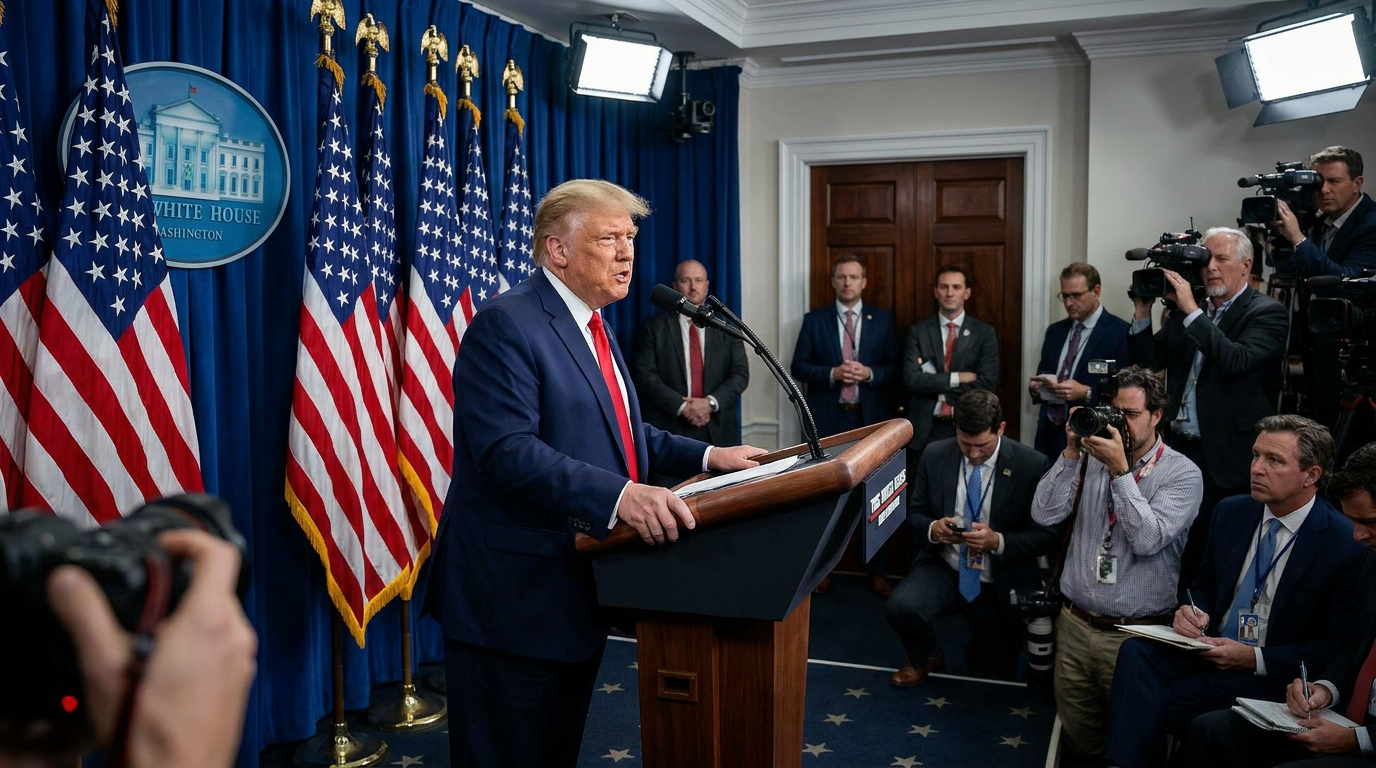
President Donald Trump announced late Thursday that he had canceled scheduled military strikes against Iran, declaring that a diplomatic agreement to end the months-long war is imminent. The sudden pivot comes after days of escalating threats, with Trump claiming that a draft Memorandum of Understanding (MoU) has been approved by the highest levels of Iranian leadership.[1][6]
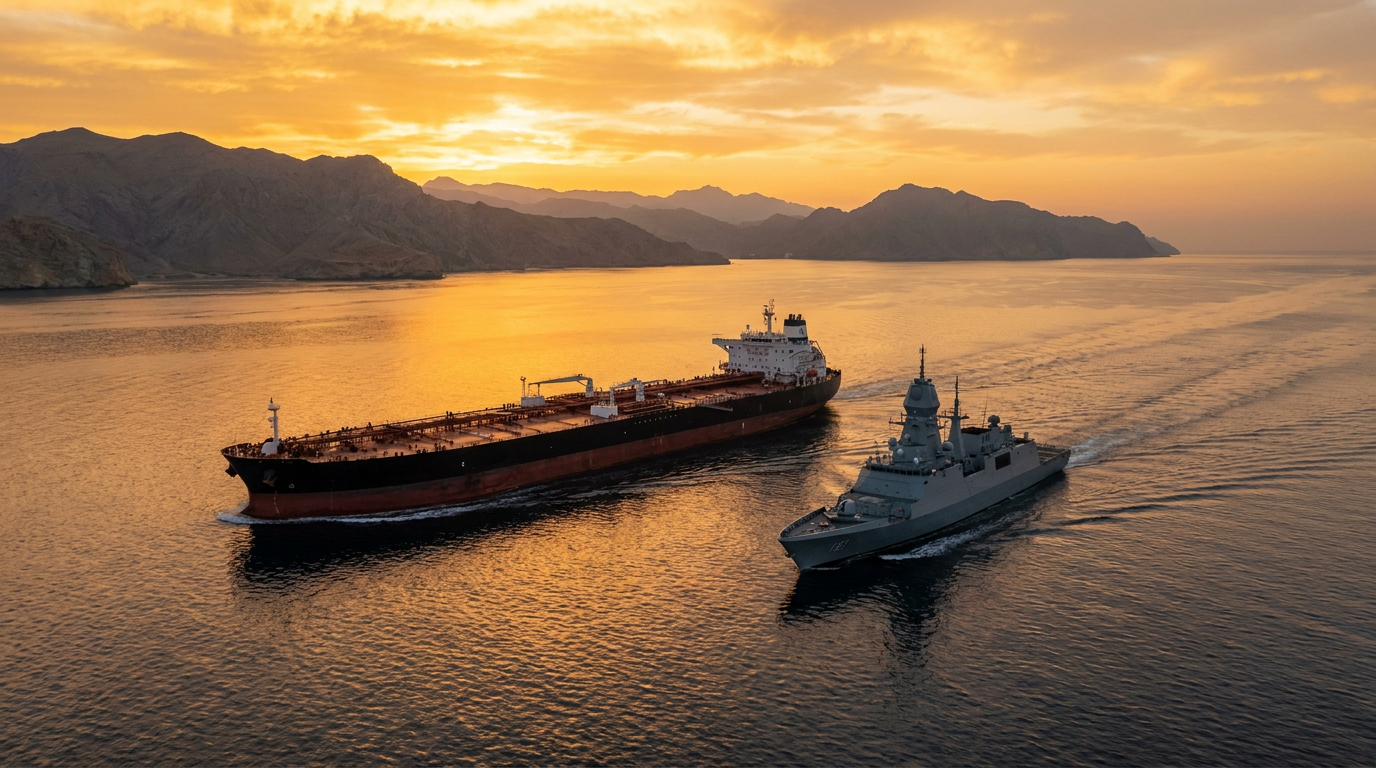
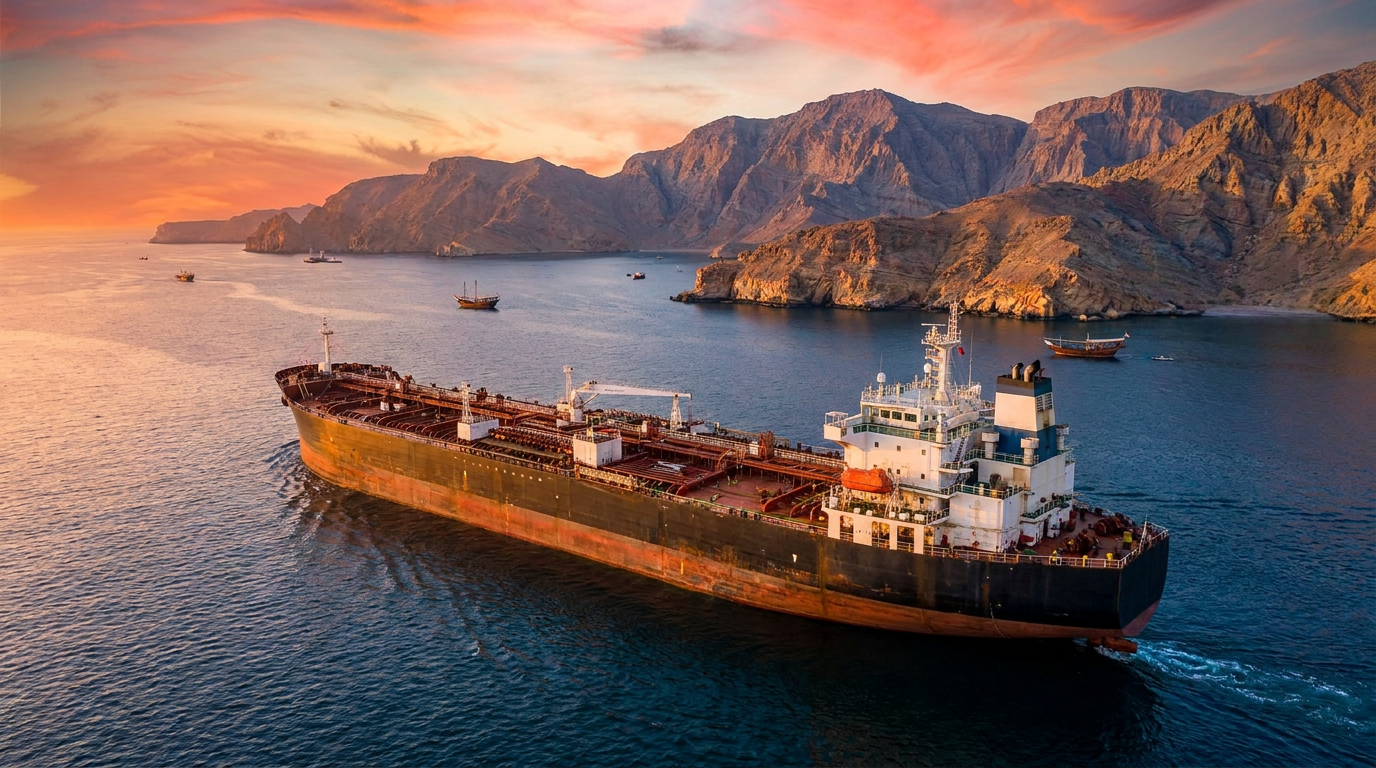
The proposed deal aims to halt a conflict that began in late February with joint US-Israeli strikes on Iranian targets. Since then, Iran has blockaded the Strait of Hormuz—a critical artery for global energy supplies—sending international oil prices soaring past $100 a barrel and pushing US gasoline prices to roughly $4 a gallon. The economic fallout has created intense domestic pressure on the Trump administration to find an "off-ramp" from the hostilities.[4][8]

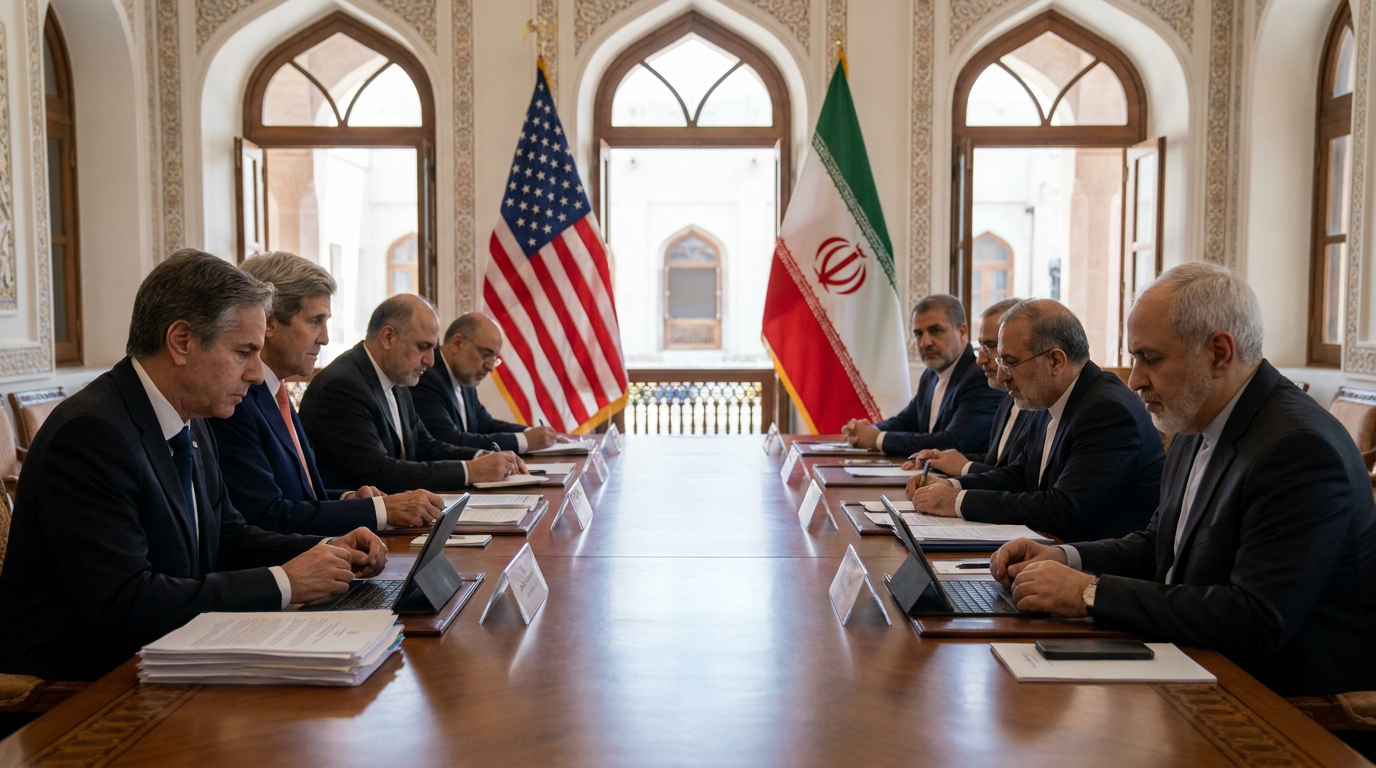
According to draft terms circulated among mediators, the immediate focus of the MoU is restoring maritime trade. The agreement would require Iran to reopen the Strait of Hormuz without levying tolls, while the United States would lift its naval blockade on Iranian ports. In exchange, Washington would reportedly begin releasing billions of dollars in frozen Iranian assets, with Iranian state media claiming an initial tranche of $24 billion would be unfrozen.[1][5][7]
However, the most contentious issue—Iran's nuclear program—appears to be deferred. Rather than a comprehensive nuclear treaty, the current draft establishes a 60-day ceasefire window during which detailed negotiations over uranium enrichment would take place. US officials insist the framework guarantees the eventual dismantling of Iran's nuclear capabilities, but Iranian media reports assert that Tehran has made no such concessions regarding its fundamental right to enrich uranium.[1][2][3]

However, the most contentious issue—Iran's nuclear program—appears to be deferred.
The ambiguity surrounding the terms has already sparked public friction. On Friday, Trump lashed out on his Truth Social platform, accusing Iranian officials of leaking "false information" to the press. He called the Iranian leadership "dishonorable" and warned that there is "no such thing as dealing in good faith" with Tehran, even as he maintained that a signing ceremony could take place in Europe as early as this weekend, with Vice President JD Vance slated to attend.[3][7]
Iranian officials have been equally cautious in their public statements. While Foreign Minister Abbas Araqchi acknowledged that a tentative agreement showed Iran had emerged stronger from the conflict, the country's Foreign Ministry spokesman emphasized that no final conclusion has been reached. State media reiterated that Tehran would only negotiate its nuclear program within the framework of its own red lines.[2][5]

The diplomatic push has also sidelined Israel, which launched the initial February strikes alongside the US but has not been a party to the current Qatari and Omani-mediated talks. Israeli Defense Minister Israel Katz stated that Jerusalem retains the right to act independently to prevent Iran from obtaining a nuclear weapon, while Prime Minister Benjamin Netanyahu asserted that he and Trump remain in "full agreement" on the ultimate goal of neutralizing the Iranian nuclear threat.[2][3]
For the White House, finalizing the deal would represent a major political victory ahead of the summer, allowing Trump to claim he successfully hobbled Iran's military infrastructure before negotiating from a position of strength. Yet, with conflicting narratives emerging from Washington and Tehran, the fragility of the MoU highlights the immense difficulty of translating a temporary ceasefire into a lasting regional settlement.[6][8]
How we got here
Feb 28, 2026
The US and Israel launch joint military strikes against Iranian targets, initiating the war.
March 2026
Iran blockades the Strait of Hormuz, causing global oil prices to surge past $100 a barrel.
April 2026
A fragile, temporary ceasefire is implemented but is repeatedly tested by regional skirmishes.
June 11, 2026
President Trump cancels a new wave of planned strikes, announcing a peace deal is imminent.
June 12, 2026
Conflicting details of the draft agreement leak, prompting Trump to publicly criticize Iranian leadership.
Viewpoints in depth
US Administration
Seeking a swift diplomatic victory that stabilizes energy markets while claiming success in degrading Iran's military.
The White House is framing the imminent deal as a triumph of its 'maximum pressure' and military strategy. By pointing to the severe damage inflicted on Iranian targets since February, the administration argues it has forced Tehran to the negotiating table. Domestically, the administration is highly motivated to reopen the Strait of Hormuz to alleviate the political liability of $4-a-gallon gasoline and rising inflation. US officials maintain that the 60-day negotiation window will ultimately lead to the complete dismantling of Iran's nuclear program.
Iranian Leadership
Prioritizing immediate economic relief and the unfreezing of assets while refusing to concede on nuclear enrichment rights.
Tehran views the proposed Memorandum of Understanding as a necessary step to rescue its heavily sanctioned economy, specifically targeting the release of an estimated $24 billion in frozen assets. However, Iranian officials are publicly pushing back against US claims that they have agreed to dismantle their nuclear program. State media emphasizes that Iran will not surrender its right to domestic uranium enrichment, framing the deal as a tactical ceasefire rather than a fundamental capitulation to American demands.
Israeli Government
Concerned about being excluded from the talks and determined to maintain military freedom of action against Iran.
Israel, which initiated the conflict alongside the US, is notably absent from the current diplomatic negotiations mediated by Qatar and Oman. Israeli leaders are wary that a US-brokered ceasefire might leave Iran's nuclear infrastructure intact and fail to address the ongoing conflict with Hezbollah in Lebanon. Defense officials have explicitly stated that Israel will not be bound by any agreement that compromises its security, reserving the right to launch unilateral strikes to prevent Tehran from acquiring a nuclear weapon.
What we don't know
- Whether Iran will actually agree to dismantle its nuclear enrichment program during the 60-day negotiation window.
- The exact timeline for the signing of the Memorandum of Understanding.
- How the agreement will address the ongoing, parallel conflict between Israel and Hezbollah in Lebanon.
Key terms
- Strait of Hormuz
- A narrow, strategically vital waterway between the Persian Gulf and the Gulf of Oman through which roughly a fifth of the world's oil supply passes.
- Memorandum of Understanding (MoU)
- A formal agreement between two or more parties that outlines the terms and details of an understanding, often serving as the foundation for a more comprehensive treaty.
- Uranium Enrichment
- The process of increasing the concentration of the U-235 isotope in uranium, which can be used for civilian nuclear power or, at high levels, for nuclear weapons.
Frequently asked
Is the US-Iran war officially over?
Not yet. While President Trump claims a deal is imminent and has called off immediate strikes, Iranian officials state that no final agreement has been signed.
What happens to Iran's nuclear program under this deal?
The current draft defers the nuclear issue, establishing a 60-day window for detailed negotiations. The US claims it will lead to dismantlement, while Iran insists its right to enrich uranium is non-negotiable.
Why are gas prices so high right now?
The conflict led Iran to blockade the Strait of Hormuz, a crucial choke point for global oil shipments. This disruption caused global crude prices to spike, directly increasing the cost of gasoline in the US.
Is Israel part of this peace agreement?
No. Israel has not been involved in the direct negotiations mediated by Gulf states. Israeli leaders have stated they will maintain their independence to act militarily against Iran if necessary.
Sources
Source coverage
8 outlets
4 viewpoints surfaced








[1]AxiosUS Administration
What's in the Iran deal Trump says he's ready to sign
Read on Axios →[2]The GuardianIranian Leadership
US-Iran peace deal remains elusive as Trump and Tehran trade conflicting claims
Read on The Guardian →[3]Times of IsraelIsraeli Government
Trump lashes out at Iran as conflicting details of emerging deal leak
Read on Times of Israel →[4]Al JazeeraIranian Leadership
Trump seeks 'off-ramp' from war in 'Iran deal'
Read on Al Jazeera →[5]CBCGlobal Energy Markets
U.S. and Iran signal peace deal close as reports suggest terms appear to favour Tehran
Read on CBC →[6]PBSUS Administration
Trump calls off threatened strikes, says deal with Iran is close
Read on PBS →[7]Jerusalem PostIsraeli Government
Trump claims Tehran leaked false details about terms of potential US-Iran deal
Read on Jerusalem Post →[8]TRT WorldUS Administration
Trump signals possible off-ramp from Iran war, claiming 'practically nothing left' to target
Read on TRT World →
More in news politics
See all 5 stories →Middle East Diplomacy
US and Iran Near Interim Agreement to Halt Hostilities: What the Deal Contains
0 sources
Union Contracts
House Passes Sweeping Labor Bill Mandating Strict Timelines for First Union Contracts
0 sources
US-Iran Deal
US and Iran on the Brink of Historic Interim Peace Agreement to End War
0 sources
Every angle. Every day.
Get news politics stories with full source coverage and perspective breakdowns delivered to your inbox.