
The US and Iran Are Closing In on a Peace Deal. Here Is Why Israel Is Sidelined.
Washington and Tehran are negotiating a ceasefire to end the 2026 conflict and reopen the Strait of Hormuz, but Israel's exclusion and ongoing strikes in Lebanon threaten to derail the agreement.
By Factlen Editorial Team
- US Administration
- Prioritizes an immediate end to direct hostilities and the reopening of global shipping lanes, deferring complex nuclear issues to a later window.
- Israeli Government
- Deeply skeptical of any deal that leaves Iran's nuclear infrastructure intact and demands absolute freedom to strike Iranian proxies like Hezbollah.
- Iranian Leadership
- Seeks sanctions relief and the unfreezing of assets while attempting to decouple direct US conflict from its regional proxy network.
- European Allies
- Concerned about the long-term security implications of a rushed deal, pushing for strict nuclear safeguards and guaranteed maritime security.
- Neutral Observers
- Focuses on the historical timeline and the mechanical implementation of the ceasefire agreements.
What's not represented
- · Lebanese Government
- · Global Shipping Industry
Why this matters
A finalized US-Iran peace deal would reopen the Strait of Hormuz, stabilizing global oil prices and averting a broader superpower war. However, if Israel's exclusion leads to unchecked regional strikes, the ceasefire could collapse, dragging the US back into a multi-front Middle Eastern conflict.
Key points
- The US and Iran are finalizing a Pakistan-mediated ceasefire to end the 2026 conflict and reopen the Strait of Hormuz.
- Israel has been excluded from the bilateral negotiations, raising concerns in Jerusalem over Iran's nuclear program.
- The proposed deal includes a 60-day window for nuclear talks and the unfreezing of Iranian assets.
- Ongoing Israeli military strikes against Hezbollah in Lebanon threaten to derail the fragile US-Iran agreement.
- European leaders at the G7 are urging the US to ensure strict nuclear safeguards are included in the final text.
The United States and Iran are reportedly on the verge of finalizing a landmark peace agreement to end the brief but economically devastating 2026 Iran War. Mediated by Pakistan, the emerging memorandum of understanding focuses heavily on reopening global shipping lanes and establishing a temporary ceasefire.[2][6]
Yet, as Washington and Tehran inch closer to a diplomatic breakthrough, a major regional power has been notably absent from the negotiating table: Israel. Despite fighting alongside the US during the initial phases of the conflict, the Israeli government has been largely sidelined from the core bilateral talks.[1][2]
The exclusion highlights a growing strategic divergence between the US and Israel. The Trump administration is prioritizing an immediate end to direct hostilities and the restoration of global commerce. In contrast, Israeli Prime Minister Benjamin Netanyahu views any agreement that leaves Iran's nuclear infrastructure intact as an existential threat.[3][4]
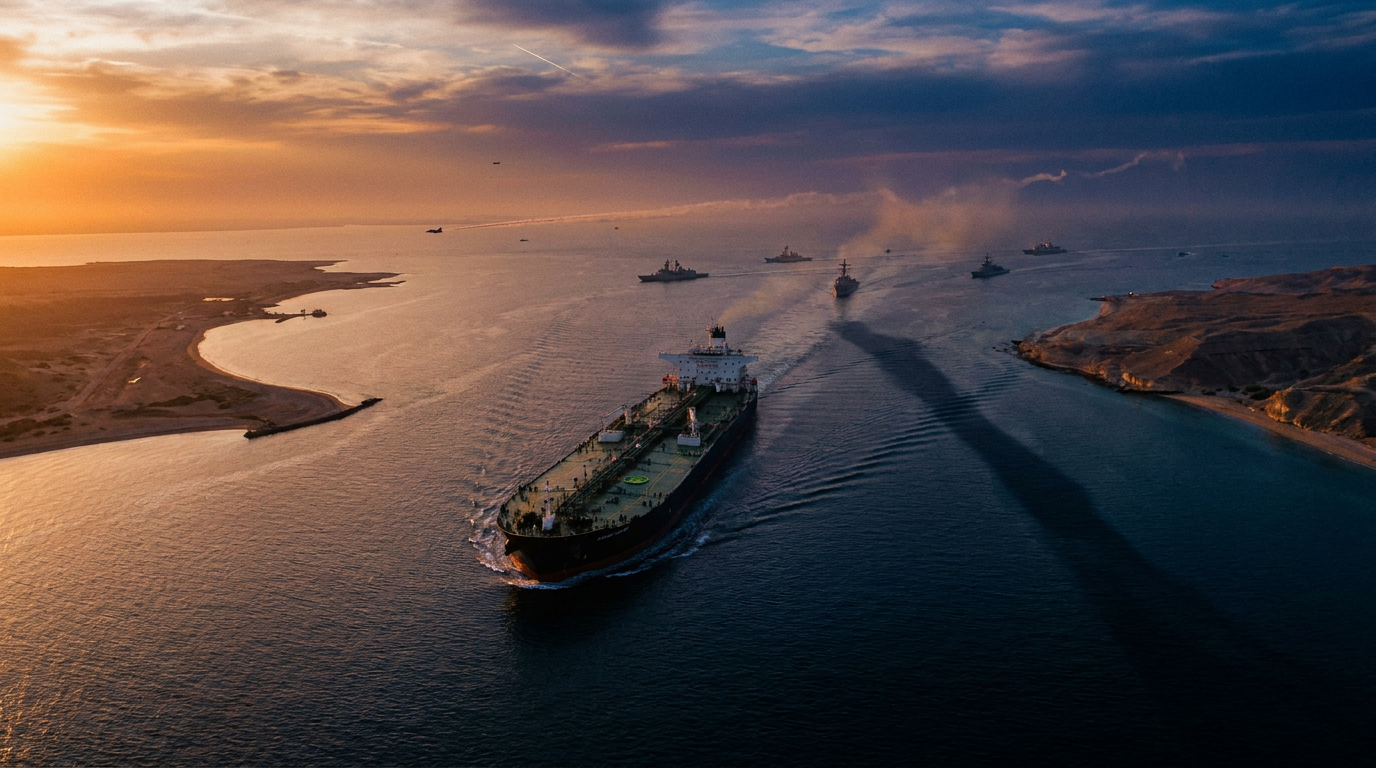
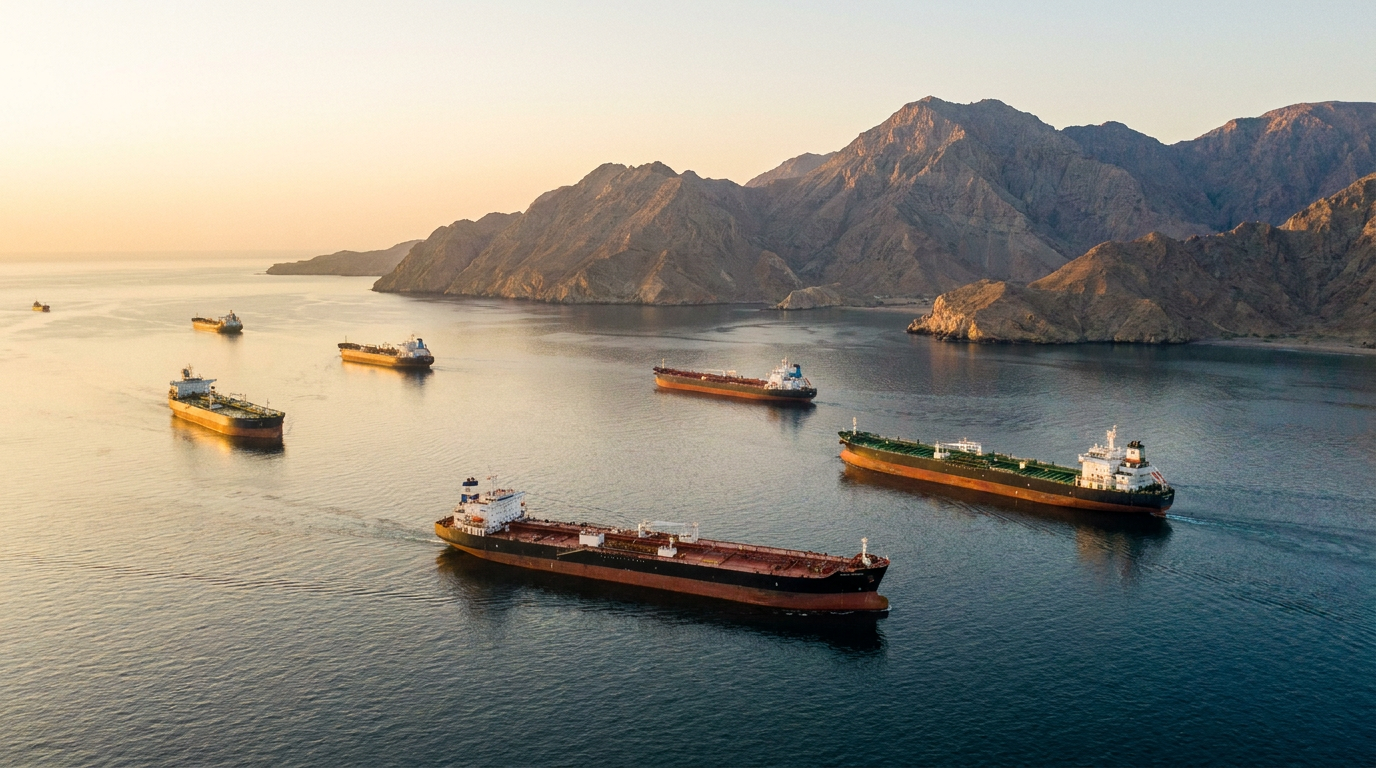
The mechanics of the proposed US-Iran deal rely on a phased approach to de-escalation. Phase one centers on immediately lifting the mutual blockades in the Strait of Hormuz—a critical maritime chokepoint between the Persian Gulf and the Gulf of Oman through which roughly 20% of the world's oil flows.[2][6]

In exchange for restoring maritime security, the United States is expected to unfreeze billions of dollars in Iranian assets held in foreign banks, with some leaked drafts suggesting the figure could be as high as $24 billion.[2][3]
Phase two of the agreement triggers a 60-day negotiation window to address the conflict's most intractable issue: Iran's nuclear program. This deferred approach—pausing the shooting now to talk about uranium enrichment later—is the primary source of anxiety for both Israeli officials and European allies.[2][4][5]
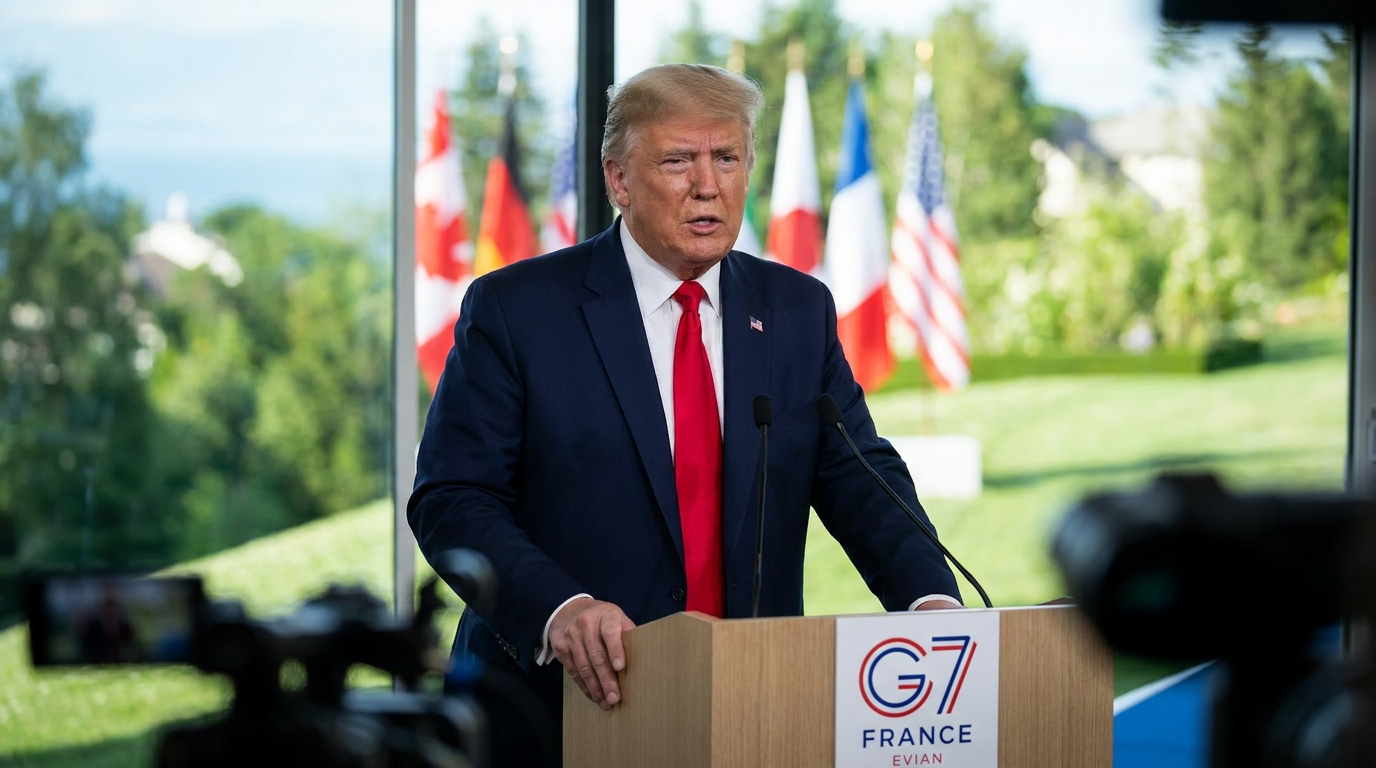
At the G7 summit in Évian-les-Bains, France, European leaders expressed deep concern over the structure of the deal. EU diplomats fear that a superficial interim agreement might entrench Iran's nuclear and ballistic missile capabilities while prematurely relieving economic pressure.[5]
At the G7 summit in Évian-les-Bains, France, European leaders expressed deep concern over the structure of the deal.
European nations are pushing the US to ensure strict safeguards during the 60-day technical negotiation phase, alongside a guaranteed, secure reopening of the Strait of Hormuz, potentially backed by a Franco-British naval mission.[5]

But the most immediate threat to the fragile US-Iran detente lies not in nuclear centrifuges, but in Lebanon. Israel has continued a fierce military offensive against Hezbollah—an Iran-backed militant group and political party in Lebanon—operating entirely outside the parameters of the US-Iran bilateral talks.[2][3]
Netanyahu has publicly insisted that Israel will maintain its freedom of military action across all arenas, including Lebanon, regardless of Washington's diplomatic progress. This stance has created severe friction with the White House.[3][4]
Recent Israeli airstrikes in Beirut reportedly delayed the signing of the US-Iran agreement by several hours, infuriating the Trump administration. The friction has led to unusually public clashes between President Trump and Netanyahu, with Washington demanding restraint to protect the peace deal and Jerusalem refusing to yield.[2]
For Iran, the diplomatic strategy appears to involve decoupling its direct, state-on-state confrontation with the United States from the ongoing proxy battles involving Israel. By securing a bilateral ceasefire with Washington, Tehran hopes to gain sanctions relief while maintaining its regional influence.[2]

The uncertainty now centers on whether a bilateral agreement between Washington and Tehran can survive the multilateral realities of the Middle East. If Israel continues to strike Iranian proxies, or if Iran retaliates against Israeli targets, the fragile ceasefire could easily shatter.[1][2]
Furthermore, the 60-day window for nuclear negotiations presents a massive diplomatic hurdle. While the US insists the deal will ultimately dismantle Iran's nuclear enrichment capabilities, Iranian officials have historically rejected such maximalist demands.[3][4]
If the nuclear talks collapse at the end of the 60-day period, the US has threatened to resume military action. This leaves the region in a state of suspended animation—a pause in the war, rather than a definitive end to it.[2]
How we got here
February 2026
The US and Israel engage in direct military conflict with Iran, leading to a blockade of the Strait of Hormuz.
April 8, 2026
The US and Iran agree to a temporary two-week ceasefire mediated by Pakistan.
May 2026
Negotiations progress toward a formal memorandum of understanding to unfreeze assets and reopen shipping lanes.
June 2026
Israeli strikes in Lebanon delay the final signing of the US-Iran peace agreement, exposing rifts between Washington and Jerusalem.
Viewpoints in depth
US Administration
Prioritizing an immediate end to direct hostilities and the reopening of global shipping lanes.
The White House views the immediate cessation of state-on-state violence and the reopening of the Strait of Hormuz as the paramount goals of the current negotiations. By securing a bilateral ceasefire, the administration hopes to stabilize global energy markets and extract American forces from a direct shooting war. The strategy relies on deferring the more complex issue of Iran's nuclear program to a subsequent 60-day negotiation window, betting that economic relief will incentivize Tehran to make lasting concessions.
Israeli Government
Deeply skeptical of any deal that leaves Iran's nuclear infrastructure intact.
Jerusalem views the proposed US-Iran memorandum as a dangerous capitulation that prematurely relieves economic pressure on Tehran without dismantling its nuclear capabilities. Prime Minister Benjamin Netanyahu has made it clear that Israel is not bound by the bilateral agreement and will maintain absolute freedom to strike Iranian assets and proxies, particularly Hezbollah in Lebanon. Israeli officials fear that the 60-day negotiation window is merely a stalling tactic that will allow Iran to cross the nuclear threshold.
Iranian Leadership
Seeking sanctions relief while decoupling direct US conflict from regional proxy battles.
Tehran's approach to the negotiations appears designed to secure the unfreezing of billions of dollars in foreign assets and the lifting of maritime blockades without fundamentally altering its regional security posture. By negotiating directly with Washington, Iran aims to end the devastating economic impact of the 2026 war while continuing to support its proxy network, including Hezbollah, against Israel. Iranian officials have consistently pushed back against maximalist US demands regarding their nuclear program, setting the stage for a contentious 60-day negotiation period.
European Allies
Concerned about the long-term security implications of a rushed, superficial deal.
European leaders at the G7 summit have expressed profound anxiety over the structure of the US-Iran agreement. While they support the reopening of the Strait of Hormuz—even proposing a Franco-British naval mission to secure it—they fear that the Trump administration is rushing into a flawed deal. EU diplomats are urging Washington to ensure that the 60-day technical negotiation phase includes strict, verifiable safeguards to prevent Iran from entrenching its nuclear and ballistic missile capabilities once the immediate economic pressure is lifted.
What we don't know
- Whether Israel will agree to curb its military operations in Lebanon to allow the US-Iran deal to proceed.
- If the 60-day negotiation window will actually result in a permanent resolution to Iran's nuclear program.
- The exact timeline for the full reopening of the Strait of Hormuz to commercial shipping.
Key terms
- Strait of Hormuz
- A critical maritime chokepoint between the Persian Gulf and the Gulf of Oman, through which roughly 20% of the world's oil flows.
- Hezbollah
- An Iran-backed militant group and political party based in Lebanon, currently engaged in a military conflict with Israel.
- Sanctions Relief
- The reduction or removal of economic penalties, allowing a country to access frozen assets and participate in global trade.
- Uranium Enrichment
- The process of increasing the concentration of the U-235 isotope in uranium, which can be used for civilian nuclear power or, at high levels, nuclear weapons.
Frequently asked
What caused the 2026 Iran War?
The conflict escalated from regional tensions into direct military engagements between the US, Israel, and Iran, resulting in a blockade of the Strait of Hormuz.
Why is the Strait of Hormuz so important?
It is one of the world's most critical shipping lanes, handling approximately 20% of global oil consumption; its closure severely disrupts the global economy.
Why is Israel excluded from the peace deal?
The current negotiations are a bilateral effort between Washington and Tehran to end direct hostilities, and Israel's ongoing conflict with Hezbollah complicates those talks.
What happens to Iran's nuclear program under this deal?
The immediate ceasefire defers the nuclear issue to a 60-day negotiation window, during which the US hopes to secure a permanent dismantling of Iran's enrichment capabilities.
Sources
Source coverage
6 outlets
5 viewpoints surfaced






[1]NPRIsraeli Government
How Israel could complicate Iran peace negotiations
Read on NPR →[2]The GuardianIranian Leadership
What do we know about the US-Iran peace deal – and what questions remain?
Read on The Guardian →[3]CBS NewsUS Administration
Trump says Iran and U.S. are 'getting a lot closer' to deal
Read on CBS News →[4]Iran InternationalIsraeli Government
US, Iran close in on memorandum to end war
Read on Iran International →[5]Global Banking & Finance ReviewEuropean Allies
Europeans to test Trump on Iran deal risks, urge Ukraine rethink at G7
Read on Global Banking & Finance Review →[6]WikipediaNeutral Observers
2026 Iran war ceasefire
Read on Wikipedia →
Every angle. Every day.
Get news politics stories with full source coverage and perspective breakdowns delivered to your inbox.