
The 2026 Guide to Buying an E-Bike: Motors, Batteries, and Classes Explained
Electric bikes have transformed modern commuting and recreation, but navigating the technical specifications can be daunting. This comprehensive guide breaks down the three-class system, motor types, and battery capacities to help buyers find their perfect ride.
By Factlen Editorial Team
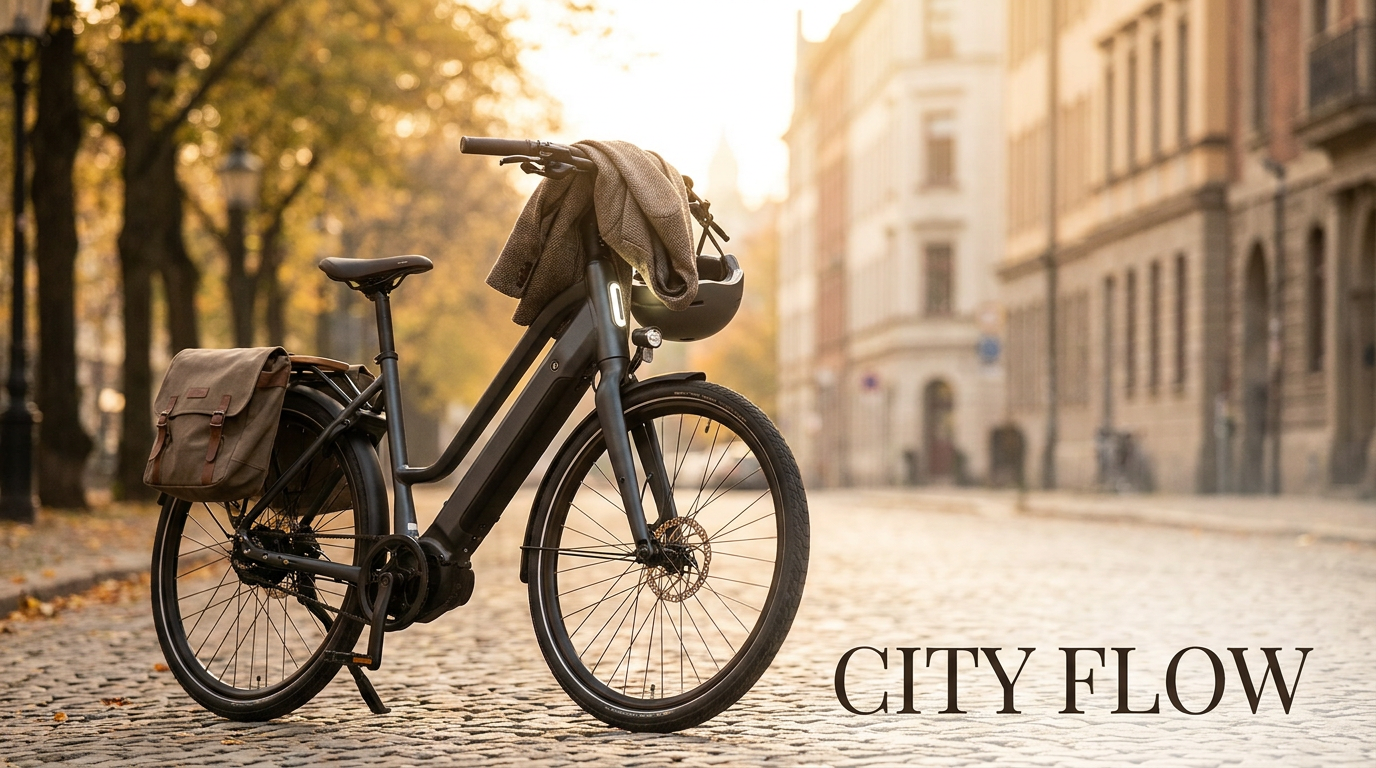
- Urban Commuters
- Prioritize utility, seeking step-through frames, cargo racks, and low-maintenance systems to replace car trips.
- Recreational & Trail Riders
- Value performance and natural feel, favoring mid-drive motors, high torque, and robust suspension for off-road use.
- Safety & Infrastructure Advocates
- Focus on battery fire prevention, UL certifications, and strict adherence to class speed limits on shared paths.
- Budget-Conscious Buyers
- Seek affordable entry points into e-mobility, often opting for hub motors and basic components to maximize value.
What's not represented
- · Traditional analog bicycle purists
- · Public transit operators
Why this matters
Purchasing an e-bike is a significant financial investment that can fundamentally change how you commute, exercise, and explore. Understanding the technical differences prevents costly mistakes and ensures you buy a safe, serviceable vehicle that fits your local laws and lifestyle.
Key points
- E-bikes use pedal-assist systems to amplify human effort, making cycling accessible and sweat-free.
- The three-class system dictates where e-bikes can be ridden, with Class 1 being the most widely accepted on trails.
- Mid-drive motors offer superior hill-climbing torque by leveraging the bike's gears, while hub motors provide affordable flat-terrain cruising.
- Real-world battery range depends heavily on rider weight, terrain, and assist levels, not just catalog claims.
- Prioritizing UL-certified batteries and serviceable motor systems from established brands ensures long-term safety and reliability.
Electric bicycles have transitioned from niche gadgets to mainstream transportation, fundamentally reshaping how people navigate their daily lives in 2026. By integrating battery power with human effort, e-bikes flatten steep hills, shrink long commutes, and make cycling accessible to those who might otherwise rely on a car. For many, the decision to buy an e-bike is less about upgrading a bicycle and more about adopting a highly efficient, joyful new mode of transit. Yet, the sheer variety of models, motor types, and technical specifications can make the purchasing process feel overwhelming.[2][7]
At its core, an e-bike is simply a traditional bicycle augmented with an electric motor, a battery, and a controller. The vast majority operate on a pedal-assist system, meaning the motor only engages when the rider is actively turning the pedals. This creates a seamless, superhuman sensation—the bike amplifies the rider's natural effort rather than replacing it entirely. Riders can adjust the level of assistance on the fly, choosing a heavy boost for a steep climb or a minimal assist to get a better workout.[2][6]
Before comparing battery sizes or frame materials, buyers must understand the three-class regulatory system that governs where and how e-bikes can be ridden. Class 1 e-bikes are the most universally accepted, featuring a motor that only provides assistance while pedaling and automatically cuts off when the bike reaches 20 miles per hour. Because they behave most like traditional bicycles, Class 1 models are typically permitted on shared-use paths, mountain bike trails, and city bike lanes.[1][3]
Class 2 e-bikes share the same 20-mile-per-hour speed limit but introduce a throttle mechanism. This allows the rider to propel the bike forward without pedaling at all, much like a scooter. While the throttle is invaluable for getting a heavy cargo bike moving from a dead stop or giving tired legs a break, some local municipalities restrict Class 2 bikes on unpaved trails to prevent trail damage and manage speeds around pedestrians.[1][3]

For those with long, open commutes, Class 3 e-bikes offer the highest speeds, providing pedal assistance up to 28 miles per hour. These models do not feature a throttle and require the rider to pedal to reach top speeds. Because of their velocity, Class 3 e-bikes are often restricted to road use and dedicated commuter lanes, and many regions require riders to wear helmets regardless of age.[1][3]
Beyond the class system, the most significant hardware choice is the placement of the motor. Hub motors are housed inside the center of the rear or front wheel. They are generally more affordable to manufacture, making them the standard choice for entry-level and budget-friendly e-bikes. Riding a rear-hub e-bike feels like being pushed from behind, which is highly effective for flat city streets and casual cruising.[2][6]
Conversely, mid-drive motors are positioned at the bike's bottom bracket, directly between the pedals. This central placement keeps the bike's center of gravity low and balanced. More importantly, a mid-drive motor transfers its power through the bike's chain and gears. When the rider shifts into an easier gear for a steep hill, the motor also benefits from that mechanical advantage, resulting in vastly superior torque and climbing ability compared to a hub motor.[4][6]

Conversely, mid-drive motors are positioned at the bike's bottom bracket, directly between the pedals.
The lifeblood of any e-bike is its battery, with capacity measured in watt-hours. A standard e-bike battery typically ranges from 400 to 750 watt-hours, with premium touring models occasionally offering dual-battery setups that exceed 1,000 watt-hours. While a larger battery inherently provides a longer range, it also adds significant weight and cost to the bicycle, requiring buyers to balance their actual daily mileage needs against their budget.[2][6]
Manufacturers often advertise highly optimistic maximum ranges, but real-world battery performance is highly variable. A 500-watt-hour battery might achieve 60 miles on flat terrain with a lightweight rider using the lowest assist setting. However, if a heavier rider tackles steep hills using maximum motor assistance and carrying cargo, that same battery might be depleted in just 20 miles. Understanding this dynamic prevents range anxiety and ensures buyers select a battery suited to their specific geography.[6]

As e-bikes have proliferated, battery safety has become a paramount concern. High-quality manufacturers subject their electrical systems to rigorous independent testing to prevent thermal runaway and fire risks. Industry experts strongly advise buyers to look for specific safety certifications, such as UL 2849 or EN 15194, which guarantee that the battery, motor, and charger have been tested together as a cohesive, safe system.[1]
Frame geometry has also evolved to meet the needs of modern riders, with step-through frames surging in popularity across all demographics. Once relegated to casual cruisers, the step-through design eliminates the top tube, allowing riders to easily mount and dismount without swinging a leg over the saddle. This is especially crucial for commuters wearing work attire, parents carrying children in rear seats, or riders with limited hip mobility.[6]
Weight is a critical, often overlooked factor in the buying process. The addition of a motor, a dense lithium-ion battery, and reinforced frame components means the average e-bike weighs between 45 and 70 pounds—roughly double the weight of a traditional bicycle. While the motor masks this weight while riding, it becomes highly relevant if the owner needs to carry the bike up apartment stairs or lift it onto a vehicle's hitch rack.[4][6]

Long-term maintenance should also factor heavily into the purchasing decision. The market is flooded with inexpensive, direct-to-consumer e-bikes that use proprietary electrical components. If these parts fail, local bike shops often cannot source replacements or access the software required to fix them. Investing in an e-bike powered by established systems from brands like Bosch, Shimano, or Yamaha ensures that almost any reputable mechanic can service the bike for years to come.[5]
Budgeting for an e-bike requires adjusting expectations compared to traditional bicycles. While ultra-budget models exist, a reliable, safe entry-level e-bike from a reputable brand typically starts around $1,500. Mid-range models priced between $2,500 and $4,000 offer the sweet spot of durable components, hydraulic disc brakes, and mid-drive motors, while high-performance electric mountain bikes and heavy-duty cargo haulers can easily exceed $5,000.[4]
Ultimately, the perfect e-bike is the one that seamlessly integrates into the rider's specific lifestyle. A rugged electric mountain bike is wasted on a fully paved city commute, just as a lightweight folding e-bike will struggle on a rocky trail. By prioritizing the intended use, understanding local class regulations, and investing in certified, serviceable components, buyers can unlock a transformative, joyful new way to move through the world.[5][6]
Viewpoints in depth
The Urban Commuter's View
Viewing the e-bike as a pure utility vehicle designed to replace the automobile.
For daily commuters, an e-bike is less a piece of sporting equipment and more a highly efficient, secondary vehicle. This camp prioritizes practical features over raw performance: step-through frames that accommodate work clothing, integrated fenders to block rain, and sturdy rear racks for groceries or laptops. They heavily favor reliable, low-maintenance systems that can withstand daily use in all weather conditions, viewing the initial purchase price as an investment that pays off by eliminating gas, parking, and transit fares.
The Trail Enthusiast's View
Focusing on performance, balance, and the ability to conquer rugged terrain.
Riders taking their e-bikes off-road demand a machine that handles like a traditional mountain bike but possesses the power to act as its own chairlift. This perspective insists on mid-drive motors, which keep the bike's center of gravity low and leverage the drivetrain to deliver massive torque on steep, loose climbs. They are willing to sacrifice the convenience of a throttle and the utility of cargo racks in exchange for sophisticated suspension systems, high-capacity batteries, and rugged durability.
The Safety Advocate's View
Prioritizing battery certifications and responsible riding on shared infrastructure.
As e-bikes surge in popularity, safety advocates and municipal planners are focused on mitigating the growing pains of micro-mobility. Their primary concern is the influx of cheap, uncertified lithium-ion batteries that pose severe fire risks in residential buildings. Furthermore, they advocate for strict adherence to the three-class system, arguing that heavy, throttle-heavy e-bikes blurring the line with electric motorcycles must be kept off pedestrian-heavy multi-use paths to ensure the safety of all trail users.
What we don't know
- How future local legislation might alter trail access for heavier, faster e-bikes as their popularity continues to surge.
- Whether solid-state battery technology will reach the consumer e-bike market soon enough to significantly reduce bike weights in the next few years.
Key terms
- Pedal-Assist System (PAS)
- A sensor-based system where the electric motor only provides power while the rider is actively pedaling.
- Mid-Drive Motor
- An electric motor positioned at the bike's pedals, which leverages the bike's gears for efficient hill climbing.
- Hub Motor
- A motor housed in the center of the front or rear wheel, offering a simpler, often more affordable propulsion system.
- Watt-hours (Wh)
- A measurement of battery capacity indicating how much energy the battery can store, which directly impacts the bike's range.
- Torque
- The rotational force produced by the motor, measured in Newton-meters (Nm), which determines how well the bike climbs hills.
Frequently asked
Do I still get a workout on an e-bike?
Yes. Most e-bikes use pedal-assist, meaning you still have to pedal. You can lower the assist level to burn more calories or raise it to avoid sweating on the way to work.
How long does an e-bike battery last?
Most lithium-ion e-bike batteries last between 3 to 5 years, or about 500 to 1,000 charge cycles, before their capacity significantly degrades.
Can I ride an e-bike in the rain?
Yes, high-quality e-bikes are water-resistant and designed to withstand normal rain. However, they should never be fully submerged in water or cleaned with a high-pressure power washer.
Do I need a license or insurance for an e-bike?
In most regions, Class 1, 2, and 3 e-bikes are legally classified as bicycles, meaning they do not require a driver's license, registration, or insurance.
Sources
Source coverage
7 outlets
4 viewpoints surfaced







[1]Bicycle ColoradoSafety & Infrastructure Advocates
E-Bike Buying Guide
Read on Bicycle Colorado →[2]Canyon BicyclesUrban Commuters
How to choose the best electric bike: Your ultimate buying guide
Read on Canyon Bicycles →[3]Polygon BikesRecreational & Trail Riders
Electric Bike Buying Guide
Read on Polygon Bikes →[4]Bike24Recreational & Trail Riders
How to Choose an Electric Bike
Read on Bike24 →[5]Bikeline ToowoombaBudget-Conscious Buyers
The Ultimate E-Bike Buying Guide for Beginners: 2026 Edition
Read on Bikeline Toowoomba →[6]Legend eBikesUrban Commuters
How to Choose an Electric Bike: a practical buying guide for everyday riders
Read on Legend eBikes →[7]Factlen Editorial TeamUrban Commuters
Synthesis by Factlen editorial team
Read on Factlen Editorial Team →

More in shopping
See all 7 stories →Audio Tech
The Science of Silence: How Active Noise Cancellation and Transparency Modes Work
0 sources

Digital Note-Taking
E-Ink vs. Traditional Tablets: The Trade-Offs for Office Productivity
0 sources

AI PCs
The 2026 Laptop Buyer’s Guide: Do You Actually Need an 'AI PC'?
0 sources

Sleep Tech
How Accurate Are Sleep Trackers? The 2026 Evidence Review
0 sources

Every angle. Every day.
Get shopping stories with full source coverage and perspective breakdowns delivered to your inbox.