
The Science of Silence: How Active Noise Cancellation and Transparency Modes Work
Modern headphones use a mix of physical barriers and advanced computational audio to manipulate what we hear. Here is the science behind how they erase background noise and selectively let the world back in.
By Kavya Nair

In short
- Passive noise isolation relies on physical materials like foam and silicone to block sound waves from reaching the ear.
- Active Noise Cancellation (ANC) uses built-in microphones and processors to generate an inverse sound wave that neutralizes incoming noise.
- ANC is highly effective against constant, low-frequency sounds like engines, but struggles with sudden, high-pitched noises.
The modern soundscape is overwhelmingly loud. From the roar of subway commutes and the drone of airplane cabins to the clatter of open-plan offices, the desire for a quiet personal environment has driven a massive boom in consumer audio technology. Putting on a pair of premium headphones and flipping a switch to make the world fade away can feel like magic.
But this acoustic vanishing act is not magic; it is the result of decades of acoustic engineering and the miniaturization of computational audio. To understand how modern headphones manipulate our environment, it is necessary to break down the two distinct methods they employ: passive noise isolation and active noise cancellation (ANC).
Passive isolation is the mechanical foundation of all noise reduction. It requires no batteries, no microphones, and no complex algorithms. Instead, it relies entirely on physical barriers to block sound waves from reaching the eardrum.
Over-ear headphones achieve this using dense materials, such as memory foam, to create a tight seal around the ear. This effectively turns the space between the speaker driver and the ear into a closed acoustic chamber. In-ear monitors achieve the same effect using silicone or foam tips that plug the ear canal, acting much like traditional earplugs.
This physical barrier is highly effective at blocking mid-to-high frequency sounds. The clatter of dishes in a cafe, the clicking of a mechanical keyboard, and the chatter of nearby conversations are largely kept at bay by a proper physical seal.
However, passive isolation struggles against low-frequency, continuous sounds. The deep rumble of a train, the drone of an airplane engine, or the vibration of a bus easily penetrate physical barriers. This is where Active Noise Cancellation steps in to finish the job.
To understand how ANC works, one must first understand the physics of sound. Sound travels through the air as a pressure wave, consisting of peaks of compression and troughs of rarefaction.[1]
ANC operates on a principle called phase inversion, or destructive interference. If you take a sound wave and generate a second wave that is its exact opposite—where the original wave peaks, the new wave dips—the two waves collide and cancel each other out. Just as adding 1 and -1 results in zero, combining these two waves results in zero pressure, or silence.[1]
In practice, executing this requires a sophisticated electronic ballet. Tiny microphones built into the exterior of the headphones continuously monitor the ambient environment, listening to the noise the user is trying to avoid.[1][2]
A Digital Signal Processor (DSP) chip inside the headphones analyzes this incoming noise in real-time and instantly generates the inverse "anti-noise" wave. This inverse wave is then played through the headphone speakers alongside whatever music or podcast the user is listening to.[1][2]
Because this computational process requires a fraction of a millisecond to execute, ANC is most effective against predictable, constant, low-frequency sounds. The algorithm can easily anticipate the steady hum of an HVAC system and neutralize it before it reaches the ear.
Conversely, ANC struggles with sudden, unpredictable, high-frequency noises, such as a baby crying, a dog barking, or a car horn. By the time the processor analyzes the sharp sound and generates the anti-noise, the original sound wave has already passed.
To maximize effectiveness, modern premium headphones use "hybrid" ANC systems. These systems place microphones both on the outside of the ear cup to catch noise early, and on the inside of the ear cup to monitor what the ear is actually hearing, allowing the system to correct any errors in real-time.[1]
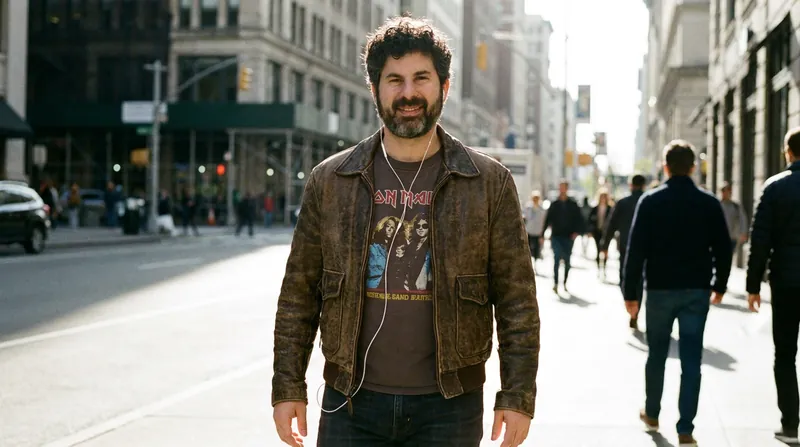
But total acoustic isolation is not always desirable or safe. Walking through a busy city, cycling near traffic, or waiting for a gate announcement at an airport requires situational awareness. This specific need gave rise to Transparency Mode.
Transparency mode utilizes the exact same hardware as ANC, but flips the script. Instead of generating an inverse wave to cancel external noise, the external microphones capture the ambient sound, process it for natural clarity, and actively pipe it into the ear canal.
This allows users to hold conversations, hear approaching vehicles, or order a coffee without ever removing their earbuds. The best transparency modes process the audio so cleanly and with such low latency that it creates the illusion of not wearing headphones at all.
The latest evolution in this space is adaptive audio. These smart systems continuously blend ANC and transparency, automatically lowering the volume of sudden harsh noises—like a passing siren or a construction drill—while keeping voices and ambient awareness intact.
Ultimately, the perfect listening experience relies on a synergy of both physical and digital design. A tight passive seal blocks the unpredictable chatter of the world, while active algorithms erase the low-end rumble and selectively let the environment back in when it matters most.[2]
Key terms
- Passive Noise Isolation
- The physical blocking of sound waves using materials like memory foam or silicone to create a seal between the ear and the outside world.
- Active Noise Cancellation (ANC)
- A technology that uses microphones and digital processing to generate an inverse sound wave, neutralizing incoming background noise.
- Phase Inversion
- The acoustic principle of creating a sound wave that is exactly opposite to an unwanted noise, causing the two waves to cancel each other out.
- Transparency Mode
- A headphone feature that uses external microphones to capture ambient sound and pipe it into the ear, allowing the user to hear their surroundings.
- Digital Signal Processor (DSP)
- The microchip inside modern headphones responsible for analyzing incoming noise and generating the correct anti-noise wave in real-time.
Frequently asked
Does Active Noise Cancellation damage your hearing?
No. In fact, ANC can protect your hearing. By eliminating background noise, it allows you to listen to audio at much lower, safer volumes rather than cranking it up to drown out your environment.
Why do I feel pressure in my ears when using ANC?
Some users experience a sensation similar to airplane 'cabin pressure' when ANC is turned on. This is an illusion caused by the brain; it perceives the sudden lack of low-frequency background noise as a change in physical air pressure.
Does ANC use more battery life?
Yes. Because Active Noise Cancellation requires constant power for the microphones and the digital signal processor to analyze and generate anti-noise, turning it on will drain your headphone battery faster than using passive isolation alone.
Can ANC block out human voices?
ANC struggles with the mid-to-high frequencies and unpredictable cadences of human speech. While it will muffle voices, it relies heavily on the physical seal of the headphones (passive isolation) to truly block out chatter.
Viewpoints in depth
Audiophiles & Purists
Listeners who prioritize unadulterated sound quality over absolute silence.
For critical listening, many audiophiles prefer headphones that rely strictly on passive isolation. They argue that the heavy digital signal processing required for Active Noise Cancellation can subtly alter the natural dynamics of the music, sometimes introducing a faint background hiss or a feeling of 'cabin pressure' in the ears. For these users, a perfectly sealed closed-back headphone or custom-molded in-ear monitor provides the truest representation of the original recording.
Commuters & Frequent Flyers
Users who rely on ANC to reduce the physical fatigue of travel.
For those spending hours on trains, buses, or airplanes, the constant low-frequency rumble of engines is physically exhausting. This camp views Active Noise Cancellation not just as an audio enhancement, but as a wellness tool. By electronically erasing the drone of the cabin, ANC allows travelers to listen to music or podcasts at lower, safer volumes, significantly reducing listening fatigue and protecting long-term hearing health.
Urban Runners & Cyclists
Athletes who require situational awareness for safety.
Total acoustic isolation is a severe safety hazard for pedestrians and cyclists navigating busy city streets. This demographic champions Transparency Mode and open-ear headphone designs. They require audio gear that allows them to hear approaching traffic, sirens, and other pedestrians clearly, blending their motivational playlists with the necessary environmental cues to stay safe.
- Commuters & Frequent Flyers
- Users who rely on ANC to reduce the physical fatigue of travel.
- Urban Runners & Cyclists
- Athletes who require situational awareness for safety.
- Audiophiles & Purists
- Listeners who prioritize unadulterated sound quality over absolute silence.
Perspectives this story doesn't cover
- Hearing Aid Manufacturers
- Acoustic Engineers
Sources
Source coverage
2 outlets
3 viewpoints surfaced


- [1]WikipediaCommuters & Frequent Flyers
Noise-cancelling headphones
Read on Wikipedia → - [2]Factlen Editorial TeamCommuters & Frequent Flyers
Synthesis by Factlen editorial team
Read on Factlen Editorial Team →
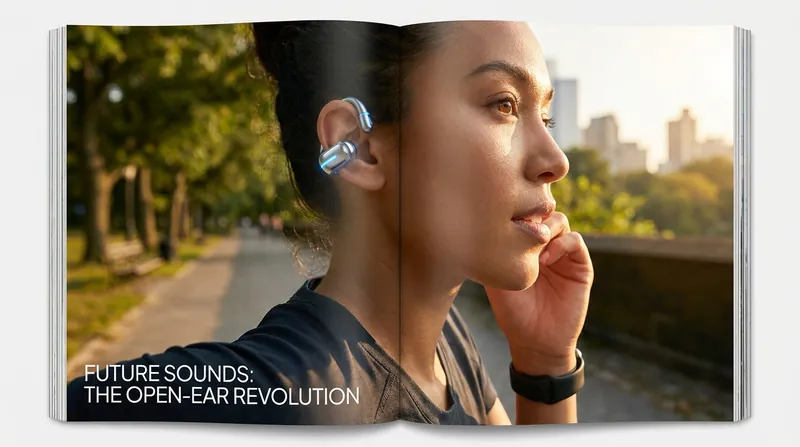
More in Shopping & Reviews
See all →Audio Tech
The Science of Silence: How AI and Adaptive ANC Are Rewiring Headphones in 2026
4 sources
Audio Tech
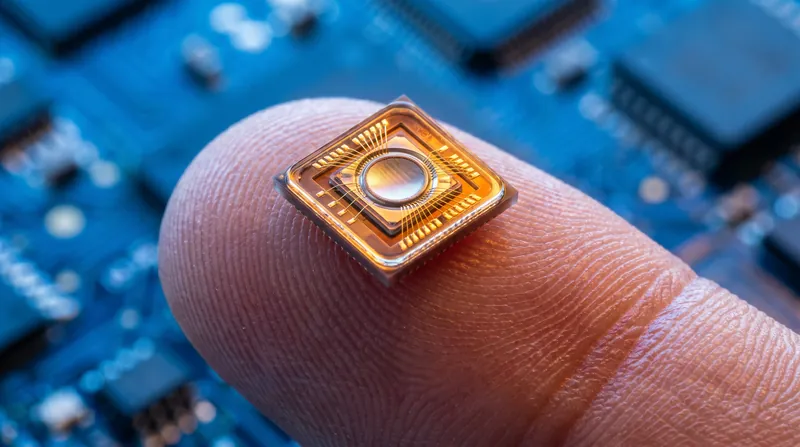
Solid-State MEMS Speakers Are Replacing Traditional Headphone Drivers
3 sources
Audio Tech
Open-Ear vs. Bone Conduction: The 2026 Guide to Situational Awareness Headphones
7 sources
Tech Minimalism
The Digital Detox: Why Gen Z is Driving a 20% Resurgence in Wired Headphone Sales
8 sources
Comments
Every angle. Every day.
Get Shopping & Reviews stories with full source coverage and perspective breakdowns, free every day.