
Buying a Turnkey Home vs. a Fixer-Upper: The 2026 Math
With construction costs elevated and mortgage rates stabilized, the decision between a move-in ready home and a renovation project requires a strict calculation of liquid capital versus monthly cash flow.
By Factlen Editorial Team
- Turnkey Buyers
- Prioritize predictable expenses, immediate utility, and avoiding contractor delays over maximum equity growth.
- Value-Add Investors
- Seek out distressed properties to force appreciation through strategic renovations and sweat equity.
- Real Estate Experts
- Evaluate properties based on immediate habitability and the financial risk of construction delays.
What's not represented
- · Local Contractors
- · First-Time Homebuyers
Why this matters
With mortgage rates elevated and construction costs permanently shifted, the decision between a move-in ready home and a renovation project dictates a buyer's financial stability for years. Miscalculating this trade-off can either trap a buyer in negative equity or drain their liquid savings through unexpected construction overruns.
Key points
- Turnkey homes in 2026 command a 10% to 20% price premium over unrenovated properties.
- Construction material costs remain 25% to 30% higher than pre-2020 averages.
- Fixer-uppers offer forced appreciation but carry high risks of timeline delays and cost overruns.
- Traditional lenders may deny standard 30-year mortgages for properties deemed uninhabitable.
- The choice depends heavily on a buyer's liquid cash reserves and timeline flexibility.
The 2026 real estate market has fundamentally transformed the classic homebuying debate from a simple lifestyle preference into a strict, unforgiving mathematical equation. With mortgage rates stabilizing at elevated levels and housing inventory remaining stubbornly tight across most major metropolitan areas, buyers are being forced to scrutinize every single dollar. The choice between purchasing a move-in ready home and taking on a complex renovation project now requires a forensic analysis of borrowing costs, material inflation, and personal bandwidth. For today's buyers, making the wrong choice can mean the difference between building long-term generational wealth and falling into a severe financial trap.[7]
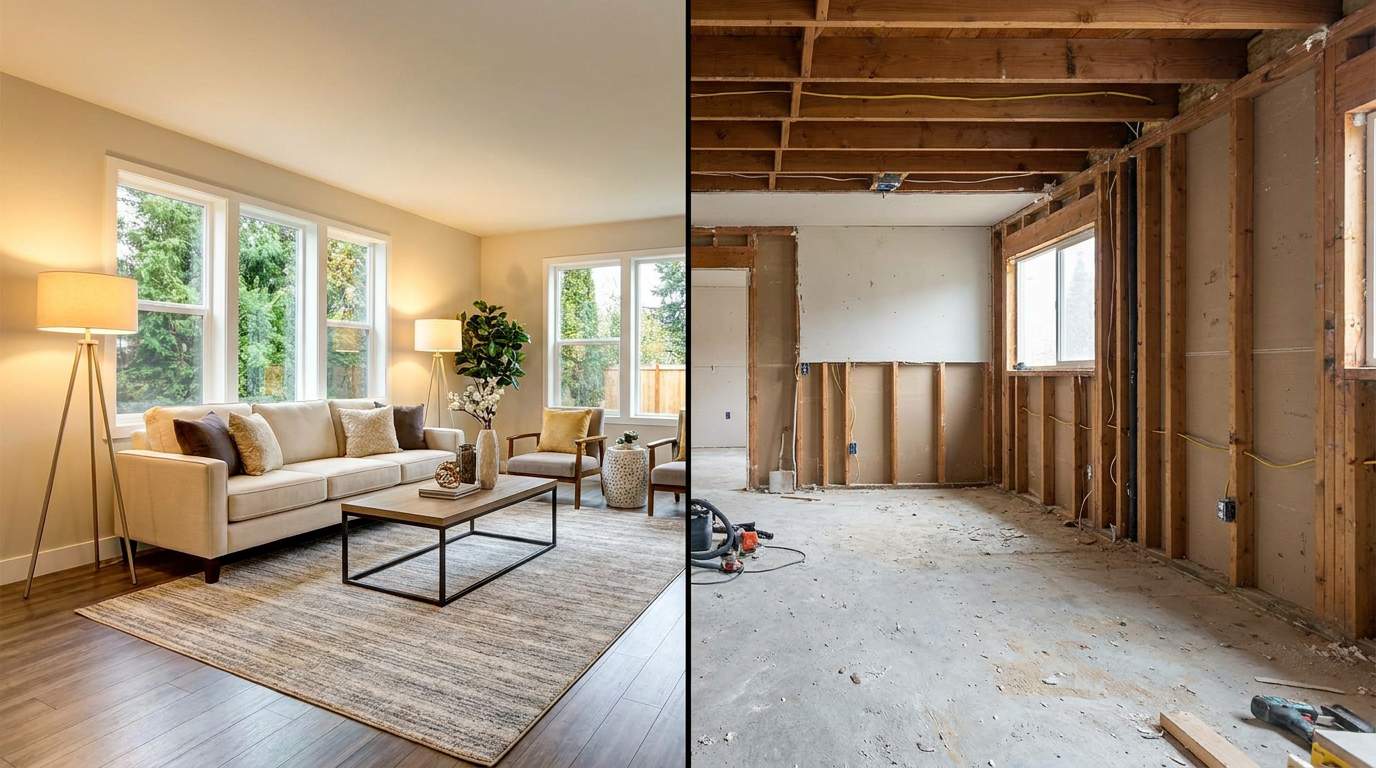
At the absolute center of this calculation are two distinct asset classes that cater to very different financial profiles. A turnkey property is fully updated and move-in ready, allowing the buyer to seamlessly transition into the home on day one with zero immediate repairs required. The paint is fresh, the appliances are modern, and the systems are fully functional. Conversely, a fixer-upper is priced below market value specifically because it requires significant cosmetic or structural intervention. These properties range from homes with outdated kitchens and bathrooms to estate-condition shells that require full gut renovations, new electrical panels, and updated plumbing systems.[1][6]
The argument for turnkey homes centers entirely on immediate utility and highly predictable expenses. Buyers who choose this path completely bypass the immense stress of vetting unreliable contractors, navigating opaque municipal permit delays, and living inside an active, dusty construction zone for months on end. Because the home is fully functional from the moment the keys are handed over, the buyer's out-of-pocket expenses are largely capped at the initial down payment and standard closing costs. This provides immense financial visibility and peace of mind during the crucial first year of homeownership, allowing buyers to accurately budget their monthly cash flow without fearing sudden repair bills.[1][6]
The argument against turnkey homes focuses heavily on the steep upfront premium and the severely limited potential for immediate equity growth. Data from early 2026 indicates that move-in ready homes consistently command a 10% to 20% price premium over comparable, unrenovated properties located in the exact same neighborhood. By paying this substantial premium, buyers are essentially financing the previous owner's renovation profit margin at today's elevated mortgage rates. Because the seller has already captured the property's maximum current value, the new owner is left with very little room for immediate property appreciation, forcing them to rely entirely on slow, natural market growth to build equity.[1]

The evidence supporting the turnkey path frequently highlights the hidden, compounding costs of modern home renovations. While the severe supply chain bottlenecks of the pandemic era have largely eased, construction materials remain stubbornly expensive, sitting roughly 25% to 30% higher than their pre-2020 historical averages. When buyers factor in the elevated cost of lumber, copper, and skilled labor, alongside the expense of renting alternative housing during a prolonged renovation, the initial purchase savings of a fixer-upper can rapidly evaporate. In many markets, paying the turnkey premium acts as a mathematically sound insurance policy against devastating cost overruns and indefinite construction delays.[3]
The argument for fixer-uppers centers on the powerful financial mechanism of forced appreciation and total creative control over the living space. By purchasing a distressed or outdated property significantly below market value, buyers can build immediate equity through strategic, targeted improvements—a highly effective model that real estate investors commonly refer to as 'buy, refurbish, refinance.' Beyond the pure financial upside, this path allows the homeowner to dictate the exact architectural layout, finish quality, and energy-efficiency upgrades, ensuring that the final product perfectly aligns with their specific aesthetic tastes and daily functional needs without compromising on someone else's design choices.[3][4]
The argument against fixer-uppers focuses on severe financing hurdles and extreme timeline volatility that can derail even the most meticulously planned projects. Traditional mortgage lenders are highly risk-averse; if an appraiser deems a property technically uninhabitable due to a missing kitchen, non-functioning plumbing, or a compromised roof, the bank will likely deny a standard 30-year conventional loan. This strict underwriting standard forces buyers to rely on expensive, high-interest short-term bridging finance, specialized renovation loans, or substantial all-cash offers. These financing barriers significantly raise the barrier to entry, locking many average homebuyers out of the fixer-upper market entirely.[3][5]
The argument against fixer-uppers focuses on severe financing hurdles and extreme timeline volatility that can derail even the most meticulously planned projects.
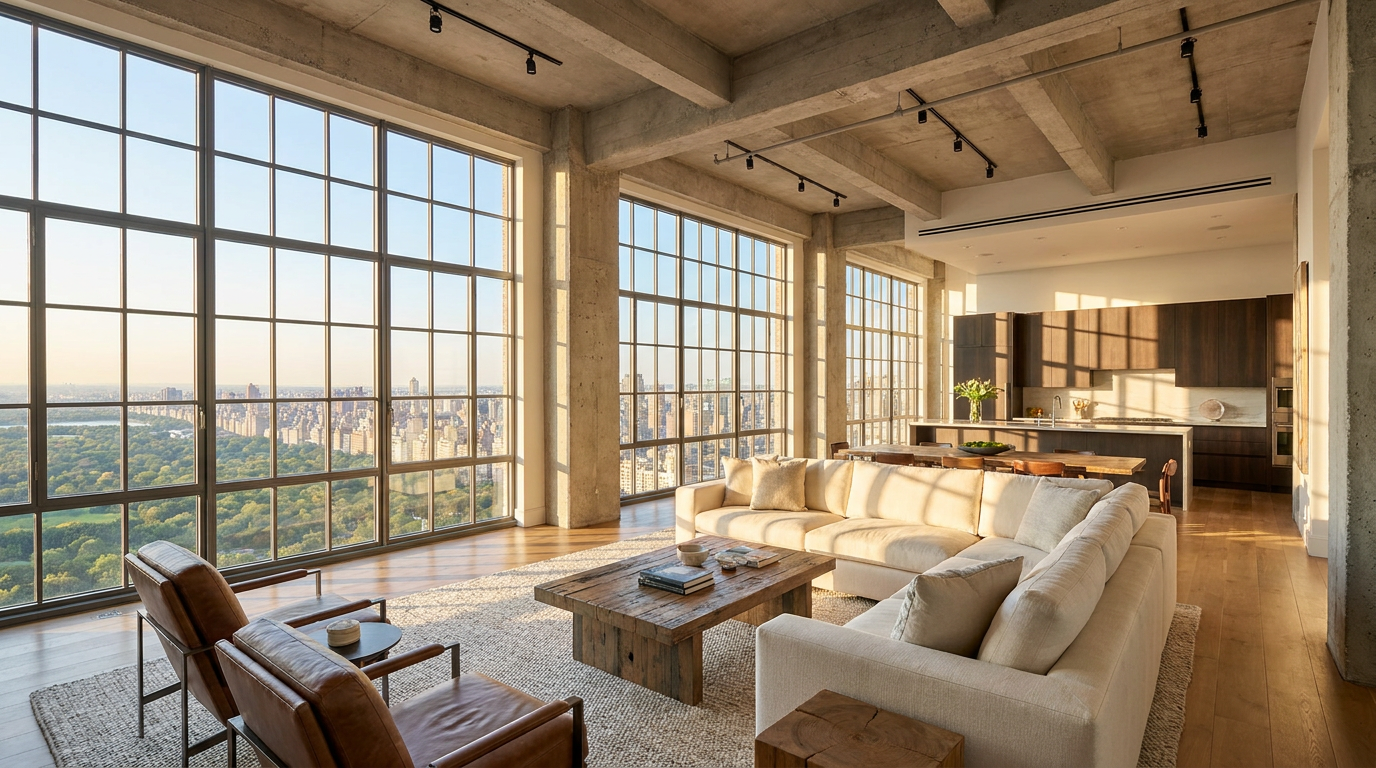
The evidence for the fixer-upper strategy demonstrates massive equity potential, particularly when executed in high-value, inventory-constrained urban markets. In Manhattan, for example, upper-mid-tier renovations currently cost between $550 and $650 per square foot, requiring a massive outlay of liquid capital. However, industry data consistently shows that purchasing an estate-condition unit and executing a high-quality, permitted renovation can result in a post-project valuation that exceeds the combined purchase and construction costs by over a million dollars. This captures a level of forced appreciation and wealth generation that a standard turnkey purchase simply cannot offer in the current economic climate.[2]

Quantifying the trade-offs between these two paths reveals a fundamental, unavoidable battle between monthly cash flow and liquid capital reserves. A turnkey home locks the buyer into a significantly higher monthly mortgage payment for the next three decades, but it successfully preserves their liquid savings for emergencies or other investments. Conversely, a fixer-upper offers a much lower entry price and a correspondingly smaller monthly mortgage obligation, but it demands substantial liquid cash upfront to fund the renovations. Because these heavy construction costs cannot typically be rolled into a standard conventional loan, buyers must have the cash on hand to pay contractors directly.[4][5]
The turnkey strategy fits well when buyers face a rigid, non-negotiable move-in timeline, such as an impending school year starting, a job relocation, or a new family addition. It is also the optimal choice for busy professionals who simply lack the daily bandwidth to manage a chaotic construction site, source materials, and argue with sub-contractors. Furthermore, it suits buyers who prefer to keep their cash reserves actively invested in the stock market or other yielding assets, rather than tying up their liquidity in drywall, plumbing fixtures, and unpredictable structural repairs.[2][6]
The turnkey strategy does not fit when buyers are prioritizing short-term return on investment or planning to resell the property within a brief three-to-five-year window. Because the seller has already extracted the property's maximum current value through their own renovations, the new owner must rely entirely on natural, macroeconomic market appreciation to build any meaningful equity. In a stabilizing 2026 housing market where double-digit annual price growth is no longer the norm, relying solely on market appreciation can leave short-term buyers struggling to cover their closing costs and agent fees when it comes time to sell.[2][4]

The fixer-upper strategy fits well when buyers possess substantial liquid cash reserves, have prior experience managing complex contractor relationships, and maintain the psychological flexibility to endure constantly shifting timelines. It is the definitive, mathematically superior choice for those who view their primary residence as an active, wealth-generating investment vehicle rather than just a place to sleep. For buyers willing to trade short-term comfort and convenience for long-term equity growth, taking on a distressed property remains one of the most reliable paths to building significant net worth in the modern real estate landscape.[3][5]
The fixer-upper strategy does not fit when buyers are stretched to the absolute limit of their mortgage approval just to secure the property. Older homes inevitably hide incredibly expensive surprises behind their walls, ranging from outdated, dangerous electrical panels to severe foundational issues and water damage. Without a robust, highly liquid financial buffer of at least 20% above the initial contractor's renovation quote, a fixer-upper can rapidly transform from a lucrative value-add opportunity into a devastating financial trap that leaves the buyer living in a half-finished home with no capital left to complete the work.[3][5]

Ultimately, the 2026 real estate landscape heavily rewards meticulous, data-driven planning and severely punishes emotional miscalculations on both sides of the aisle. Paying too much for a pristine turnkey home in a cooling neighborhood can lead to years of stagnant equity, trapping the buyer in a high mortgage payment with no exit strategy. Conversely, underestimating the true, inflated cost of a major renovation can drain a family's life savings, stall a project indefinitely, and cause immense personal stress that far outweighs any potential financial upside.[7]
Buyers must ruthlessly weigh their personal bandwidth, risk tolerance, and liquid capital against their long-term financial goals. The decision between a turnkey home and a fixer-upper is no longer just a casual debate over paint colors, kitchen islands, and countertop materials; it is a complex, highly individualized calculation of borrowing costs, material inflation, and the true price of convenience. By stripping away the emotion and focusing strictly on the math, buyers can navigate this challenging market and secure a property that genuinely serves their financial future.[7]
How we got here
Pre-2020
Renovation costs remain relatively stable, making fixer-uppers a highly accessible route for first-time buyers.
2020–2022
Pandemic-driven supply chain bottlenecks cause construction material costs to spike dramatically.
2023–2024
Mortgage rates climb rapidly, reducing buyer purchasing power and increasing the financial risk of carrying a renovation loan.
2026
Material costs stabilize but remain 25% to 30% above historical averages, forcing buyers to strictly quantify the turnkey premium against renovation expenses.
Viewpoints in depth
Turnkey Advocates
Buyers and agents who prioritize immediate utility and financial predictability.
This camp argues that the 10% to 20% premium paid for a turnkey home is essentially an insurance policy against the volatility of the construction industry. By locking in a fully finished home, buyers protect themselves from supply chain delays, contractor disputes, and the hidden costs of alternative housing during a renovation. They view the higher monthly mortgage payment as a worthwhile trade-off for immediate peace of mind and capped out-of-pocket expenses.
Value-Add Investors
Buyers focused on forced appreciation and maximizing return on investment.
Value-add investors argue that buying a turnkey property leaves money on the table, as the previous owner has already captured the home's maximum equity. Instead, they advocate for the 'buy, refurbish, refinance' model, seeking out distressed properties to purchase below market value. By deploying liquid capital to modernize the home, they force appreciation, often generating a post-renovation valuation that far exceeds their total investment.
Real Estate Lenders
Financial institutions evaluating the risk of property condition and construction delays.
From a lending perspective, the condition of the property dictates the financing options. Lenders heavily favor turnkey homes because the asset is immediately habitable and holds its appraised value securely. Fixer-uppers present significant risk; if a home lacks a functioning kitchen or bathroom, traditional 30-year mortgages are often denied, forcing buyers into higher-interest bridging loans or requiring substantial all-cash offers to close the deal.
What we don't know
- Whether construction material costs will ever return to pre-2020 levels, or if the current 25% to 30% elevation represents a permanent new baseline.
- How potential shifts in central bank interest rates later in 2026 might alter the borrowing math for specialized renovation loans.
Key terms
- Turnkey Property
- A home that is fully updated and move-in ready, requiring no immediate repairs or renovations.
- Fixer-Upper
- A property sold at a lower price because it requires significant cosmetic or structural work.
- Forced Appreciation
- The process of increasing a property's value through active improvements and renovations, rather than waiting for market growth.
- Bridging Finance
- A short-term, often higher-interest loan used to purchase a property that does not qualify for a traditional mortgage, typically used until renovations are complete.
- Due Diligence
- The comprehensive appraisal and inspection process a buyer conducts before finalizing a property purchase.
Frequently asked
Can I get a standard mortgage for a fixer-upper?
It depends on the home's condition. If the property is deemed uninhabitable—such as missing a working kitchen or plumbing—traditional lenders may deny the loan, requiring specialized renovation loans or bridging finance.
How much more do turnkey homes cost?
In 2026, fully updated, move-in ready homes typically command a 10% to 20% price premium over comparable unrenovated properties in the same neighborhood.
Are renovation costs coming down in 2026?
While supply chains have stabilized, construction material costs remain roughly 25% to 30% higher than their pre-2020 averages, keeping renovation budgets elevated.
Is it cheaper to buy new construction or a turnkey resale?
While new construction often has a higher median price, data shows it can sometimes cost less on a per-square-foot basis, and builders frequently offer mortgage rate buydowns that lower monthly payments.
Sources
Source coverage
7 outlets
3 viewpoints surfaced







[1]AmeriSaveTurnkey Buyers
Turnkey Property: What It Means for Home Buyers in 2026
Read on AmeriSave →[2]Gallery KBNYValue-Add Investors
Cost Comparison: Buying a Turnkey Apartment vs Renovating A Fixer-Upper In Manhattan
Read on Gallery KBNY →[3]Donelan PropertyReal Estate Experts
Fixer-Upper vs Turnkey: Which Should You Invest In?
Read on Donelan Property →[4]Property RushValue-Add Investors
Invest in Turnkey or Fix and Flips? The Pros and Cons of Each
Read on Property Rush →[5]FastExpertReal Estate Experts
Are “turnkey homes” overrated compared to fixer-uppers?
Read on FastExpert →[6]PacasoTurnkey Buyers
What is a turnkey home? Meaning, benefits, and how it works
Read on Pacaso →[7]Factlen Editorial TeamReal Estate Experts
Synthesis by Factlen editorial team
Read on Factlen Editorial Team →
Every angle. Every day.
Get real estate stories with full source coverage and perspective breakdowns delivered to your inbox.