
The Science of Rucking: Why Weighted Walking is Replacing Running for Longevity
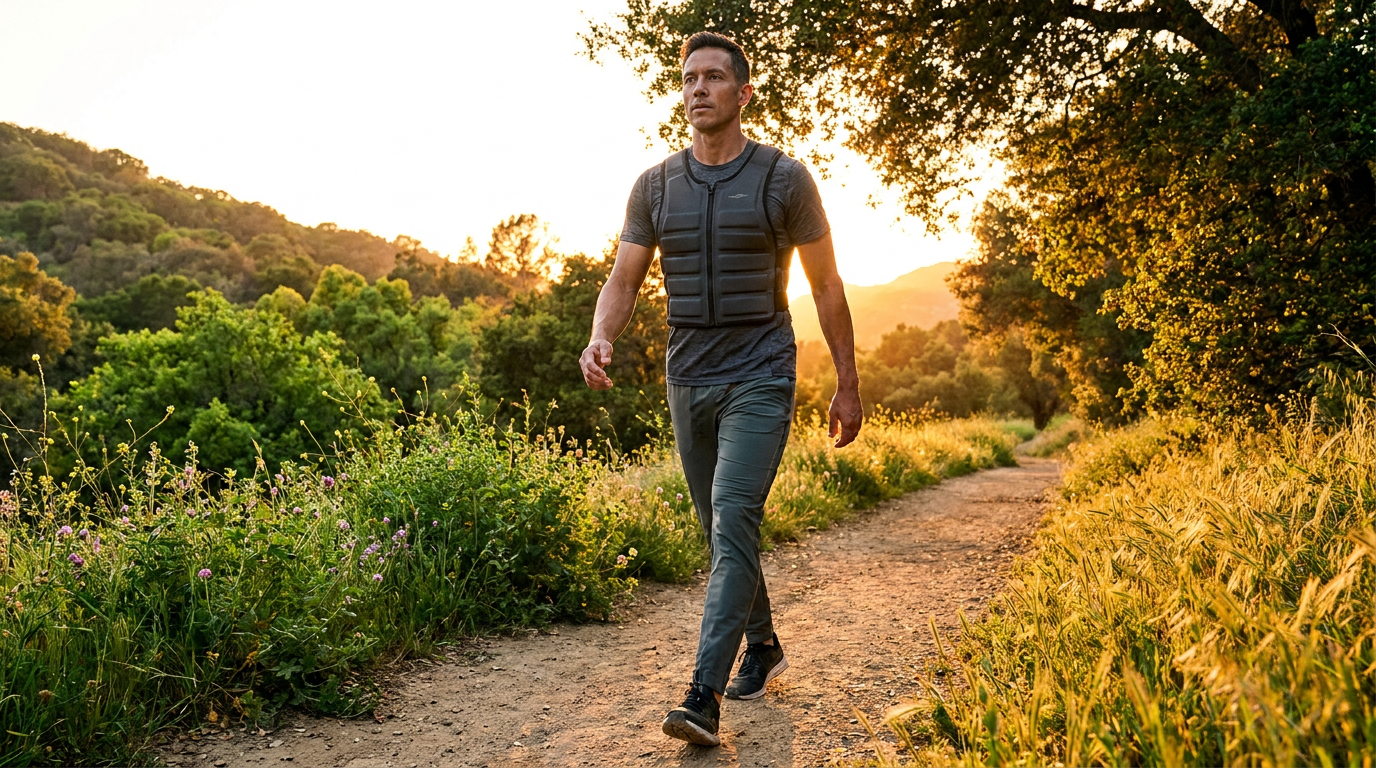
Walking with a weighted backpack or vest has surged from military conditioning to a mainstream fitness trend. Research shows it delivers the cardiovascular benefits of running with significantly less joint impact, while actively building bone density.
By Factlen Editorial Team
- Sports Medicine & Physical Therapy
- Focuses on the biomechanical benefits of low-impact functional strength and the importance of safe, gradual load progression.
- Longevity & Aging Experts
- Values rucking primarily as a tool for preserving bone density, preventing sarcopenia, and maintaining metabolic health into old age.
- Everyday Fitness Enthusiasts
- Emphasizes the accessibility, time efficiency, and mental health benefits of combining cardiovascular exercise with outdoor time.
What's not represented
- · Traditional Runners
- · Orthopedic Surgeons
Why this matters
As we age, maintaining cardiovascular health and bone density becomes critical, but high-impact exercises like running often lead to joint injuries. Rucking offers a highly accessible, low-impact alternative that builds functional strength and resilience without requiring a gym membership.
Key points
- Rucking involves walking with a weighted backpack or vest, combining cardiovascular exercise with resistance training.
- Adding just 15% of your body weight can increase caloric burn by up to 18% compared to unweighted walking.
- The activity provides the mechanical stress necessary to stimulate bone remodeling, helping prevent osteoporosis.
- Experts recommend starting with 5% to 10% of your body weight to allow joints and connective tissues to adapt safely.
The fitness landscape of 2026 is shifting away from high-intensity indoor classes and toward the great outdoors. At the forefront of this movement is "rucking"—the simple act of walking with a weighted backpack or vest. Originally a staple of military conditioning, rucking has surged into the mainstream as a highly accessible, low-impact alternative to running.[1][6]
The appeal lies in its efficiency. For busy professionals, aging athletes, and anyone looking to optimize their health, rucking promises the cardiovascular benefits of a jog without the punishing joint impact. By simply adding resistance to a natural human movement, it transforms a standard walk into a full-body conditioning session.[6][7]
But what exactly happens to the body when you add 15 or 20 pounds to your back and go for a walk? The science of load carriage reveals a fascinating intersection of cardiovascular demand, muscular endurance, and skeletal fortification.[7]
The primary mechanism behind rucking's effectiveness is increased cardiovascular demand. Carrying extra weight requires more energy, forcing the heart and lungs to work harder to supply oxygen to the muscles. According to research from the American College of Sports Medicine, walking at a moderate pace with a vest loaded to 15 percent of your body weight increases energy expenditure by approximately 12 percent compared to walking unloaded.[4]

If the pace increases slightly, that caloric burn can jump by up to 18 percent. This places rucking squarely in the coveted "Zone 2" cardio threshold—an intensity level where the body primarily burns fat for fuel while building aerobic base capacity. For many, achieving Zone 2 through unweighted walking is difficult without breaking into a run, making the added weight a perfect equalizer.[4][6]
Beyond the heart, rucking fundamentally alters the biomechanics of walking. Adding load to the torso forces the lower body—specifically the quadriceps, glutes, and calves—to generate more force with every step. Physical therapists note that this added resistance builds functional strength that translates directly to everyday movements, from climbing stairs to carrying groceries.[2]
Crucially, this muscular engagement happens with significantly less impact than running. When a person runs, their joints absorb forces equal to two or three times their body weight with every footfall. Rucking keeps one foot on the ground at all times, eliminating the flight phase of running and drastically reducing the sheer stress on the knees and ankles.[2][5]
Crucially, this muscular engagement happens with significantly less impact than running.
Perhaps the most compelling scientific endorsement for rucking centers on skeletal health. Bone is living tissue that responds to mechanical stress by becoming denser and stronger—a physiological principle known as Wolff's Law. As people age, particularly post-menopausal women, bone density naturally declines, increasing the risk of osteoporosis.[1][3]

Weight-bearing exercises are the primary defense against this decline. Bone disease specialists emphasize that aerobic walking while bearing weight is one of the most effective ways to halt or even reverse bone loss. The axial load—vertical pressure traveling down the spine, hips, and legs—provides the exact mechanical stress required to stimulate bone remodeling.[3][5]
Posture also benefits from the practice, provided the weight is distributed correctly. A well-fitted rucksack or weighted vest pulls the shoulders back and forces the core musculature to engage constantly to keep the torso upright. This sustained isometric contraction strengthens the postural stabilizers that are often weakened by hours of sitting at a desk.[2][5]
However, the biomechanics of load carriage are not without risks, and the medical community emphasizes the importance of proper equipment and progression. A common debate centers on the difference between a traditional backpack and a weighted vest. While a backpack pulls the center of gravity backward, requiring a slight forward lean to compensate, a weighted vest distributes the load evenly across the front and back of the torso.[4][7]

For those with pre-existing lower back issues, the uneven distribution of a heavy backpack can exacerbate spinal compression. Experts generally recommend weighted vests for pure fitness applications, as they allow for more natural walking biomechanics and reduce localized strain on the lumbar spine.[4]
The most common mistake beginners make is starting too heavy. Physical therapists and fitness coaches universally advise a conservative entry point. The standard recommendation is to begin with a load equal to five to ten percent of total body weight. For a 150-pound individual, this means starting with just seven to fifteen pounds.[1][3]
Progression should be slow and deliberate, allowing the connective tissues—tendons and ligaments—time to adapt to the new forces. The ultimate goal for general fitness and longevity is rarely more than 20 to 25 percent of body weight. Pushing beyond this threshold yields diminishing cardiovascular returns while exponentially increasing the risk of joint and spinal injury.[3][7]

Ultimately, the rise of rucking represents a broader shift toward functional, sustainable fitness. It strips away the complexity of modern gym routines, replacing them with a primal movement pattern performed in the fresh air. By combining the mental health benefits of outdoor exercise with the physiological adaptations of resistance training, rucking offers a compelling blueprint for lifelong health.[1][6]
How we got here
1980s–1990s
Load carriage remains primarily a military conditioning tool for infantry and special forces.
2008
GORUCK is founded, beginning the commercialization of heavy-duty backpacks specifically designed for fitness.
2020–2022
Pandemic lockdowns spark a massive surge in outdoor walking and low-equipment fitness routines.
2024–2025
Longevity experts and physical therapists begin widely recommending weighted walking for bone density and Zone 2 cardio.
2026
Rucking cements its status as a mainstream fitness trend, with dedicated gear lines and corporate wellness challenges.
Viewpoints in depth
Sports Medicine & Physical Therapy
Focuses on the biomechanical benefits of low-impact functional strength and the importance of safe, gradual load progression.
Physical therapists and sports medicine professionals view rucking as a highly effective bridge between cardiovascular exercise and resistance training. They emphasize that because rucking eliminates the 'flight phase' of running, it drastically reduces the sheer forces that cause knee and ankle injuries. However, this camp is quick to warn against the 'more is better' mentality. They advocate for strict load management, arguing that carrying more than 25 percent of one's body weight shifts the activity from a healthy fitness pursuit to an unnecessary risk for spinal compression and joint degradation.
Longevity & Aging Experts
Values rucking primarily as a tool for preserving bone density, preventing sarcopenia, and maintaining metabolic health into old age.
For researchers focused on aging, rucking is less about burning calories and more about structural preservation. This perspective highlights Wolff's Law, noting that the axial loading provided by a weighted vest is one of the few reliable ways to stimulate bone remodeling in older adults, particularly post-menopausal women. Longevity experts argue that maintaining the ability to carry heavy loads over distance is a fundamental marker of independence, making rucking a critical intervention against age-related muscle loss (sarcopenia) and frailty.
Everyday Fitness Enthusiasts
Emphasizes the accessibility, time efficiency, and mental health benefits of combining cardiovascular exercise with outdoor time.
The grassroots community driving the rucking trend values the activity for its sheer simplicity and mental health benefits. For busy professionals and parents, rucking solves the problem of finding time for both cardio and strength training by combining them into a single, outdoor session. This camp often champions the psychological advantages of leaving the indoor gym environment, pointing to the stress-reducing effects of sunlight and nature. They view rucking not just as a workout, but as a sustainable lifestyle habit that requires minimal equipment and zero specialized skills.
What we don't know
- The long-term effects of heavy rucking (over 30% body weight) on the lumbar spine in non-military populations remain under-studied.
- Whether weighted vests and traditional backpacks produce significantly different cardiovascular adaptations, or if the difference is purely biomechanical.
Key terms
- Zone 2 Cardio
- A moderate intensity of cardiovascular exercise where the body primarily burns fat for fuel, typically at 60-70% of maximum heart rate.
- Axial Loading
- Vertical pressure applied along the length of the spine and legs, which helps stimulate bone strengthening.
- Wolff's Law
- A medical principle stating that bones will adapt to the loads under which they are placed, becoming denser and stronger over time.
- Osteogenic Loading
- High-impact or weight-bearing exercise that specifically stimulates the growth of new bone tissue.
- Sarcopenia
- The age-related loss of skeletal muscle mass and strength.
Frequently asked
Do I need a special backpack to start rucking?
No. While purpose-built rucksacks and weighted vests offer better weight distribution, beginners can start with any sturdy backpack loaded with books or water bottles.
Is rucking bad for your knees?
Rucking is generally much easier on the knees than running because it eliminates the high-impact flight phase, though proper footwear and gradual weight progression are essential.
How much weight should a beginner use?
Experts recommend starting with 5% to 10% of your body weight and slowly increasing the load as your joints and muscles adapt.
Can rucking replace weightlifting?
While it builds excellent lower-body and core endurance, rucking does not replace the full range of motion and upper-body stimulus provided by traditional resistance training.
Sources
Source coverage
7 outlets
3 viewpoints surfaced







[1]WebMDLongevity & Aging Experts
What Is Rucking? Benefits, Tips, and Getting Started
Read on WebMD →[2]Hinge HealthSports Medicine & Physical Therapy
Rucking: Benefits and How to Get Started
Read on Hinge Health →[3]Inform HealthSports Medicine & Physical Therapy
Rucking for Healthy Aging: Why We're Rucking to Maximize Fitness
Read on Inform Health →[4]The Battle BunkerEveryday Fitness Enthusiasts
The Science of Training with a Weight Vest
Read on The Battle Bunker →[5]GORUCK EuropeLongevity & Aging Experts
Rucking vs. Running: The Science of Load Carriage
Read on GORUCK Europe →[6]Fitness FortiesEveryday Fitness Enthusiasts
Rucking for Men Over 40: The Best Zone 2 Cardio in 2026
Read on Fitness Forties →[7]Factlen Editorial TeamEveryday Fitness Enthusiasts
Synthesis by Factlen editorial team
Read on Factlen Editorial Team →

More in fitness
See all 5 stories →Metabolic Health
The Science of Zone 2 Cardio: How Low-Intensity Exercise Builds Metabolic Health and Longevity
0 sources

Longevity Science
The Science of Swimming for Longevity: How Aquatic Exercise Protects the Brain and Body
0 sources

Minimum Effective Dose
The Science of the 'Minimum Effective Dose': How Little Can You Lift and Still Build Muscle?
0 sources
Every angle. Every day.
Get fitness stories with full source coverage and perspective breakdowns delivered to your inbox.