
The Evidence Behind Nutritional Psychiatry: How the Gut Microbiome is Reshaping Mental Health Treatment
A growing body of clinical evidence demonstrates that targeted dietary interventions and "psychobiotics" can significantly improve outcomes for depression and anxiety.
By Factlen Editorial Team
- Nutritional Psychiatrists
- Argue that dietary interventions should be a standard, first-line adjunct therapy for mood disorders, emphasizing the empowering nature of lifestyle changes.
- Microbiome Researchers
- Focus on the specific biochemical mechanisms, such as SCFA production and vagus nerve signaling, driving the search for targeted psychobiotic strains.
- Clinical Skeptics
- Acknowledge the promising data but warn against over-commercialization, stressing that diet cannot replace acute pharmacological care for severe mental illness.
What's not represented
- · Health insurance providers regarding coverage for dietary interventions
- · Low-income communities regarding the accessibility and affordability of whole-food diets
Why this matters
For decades, mental health treatment relied almost exclusively on pharmaceuticals and talk therapy. The clinical validation of the gut-brain axis gives patients an actionable, daily tool to actively improve their neurochemistry through what they eat.
Key points
- Nutritional psychiatry uses dietary interventions to actively treat mood disorders like depression and anxiety.
- The gut and brain communicate constantly via the vagus nerve and the production of short-chain fatty acids.
- Roughly 90% of the body's serotonin is manufactured in the digestive tract, not the brain.
- Clinical trials show a Mediterranean-style diet can significantly increase depression remission rates.
- Targeted 'psychobiotics' show promise in lowering stress hormones, though commercial supplements often lack clinical validation.
- Dietary changes are viewed as a powerful adjunct therapy, not a replacement for acute psychiatric medications.
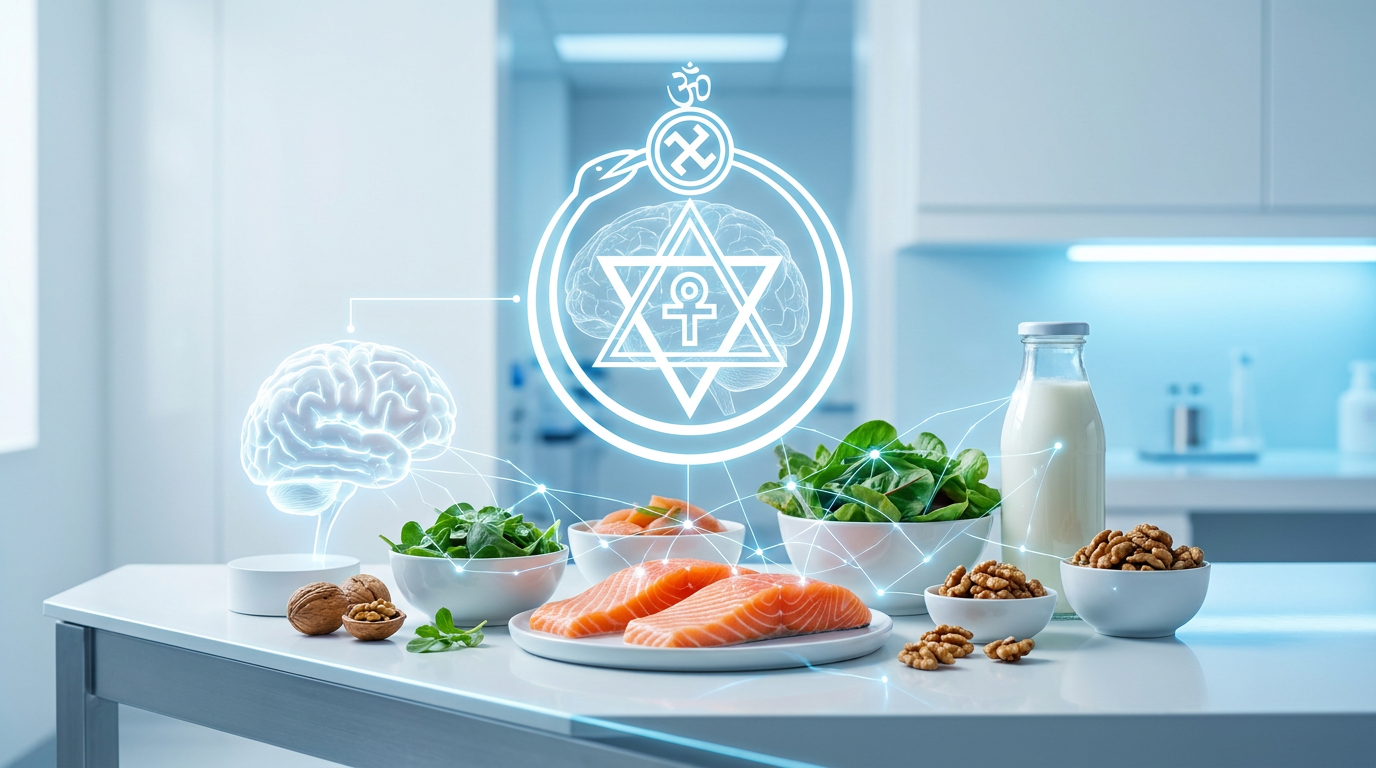
For the better part of a century, modern medicine treated mental health strictly from the neck up. Depression, anxiety, and cognitive decline were viewed exclusively as disorders of the brain, driven by localized chemical imbalances or psychological trauma. However, a profound paradigm shift has quietly reorganized the psychiatric field. Researchers and clinicians are increasingly looking downward, focusing on the trillions of microorganisms residing in the human digestive tract.[1][7]
This shift has given rise to "nutritional psychiatry," a rapidly expanding discipline that treats the gut microbiome as a primary intervention point for mental health. Rather than viewing diet merely as a tool for weight management or cardiovascular health, a robust body of clinical evidence now positions specific dietary protocols as powerful modulators of human neurochemistry.[1][7]
The core premise of this field rests on the gut-brain axis, a complex, bidirectional communication network linking the central nervous system to the enteric nervous system. This connection is not merely metaphorical; it is a physical and biochemical superhighway. The two systems are tethered together by the vagus nerve, which runs directly from the brainstem to the abdomen, transmitting signals in both directions.[3][4]
The enteric nervous system is so vast and complex that scientists frequently refer to it as the "second brain." It contains over 100 million neurons—more than either the spinal cord or the peripheral nervous system. This intricate web of neural tissue governs digestion, but its influence extends far beyond breaking down food, playing a critical role in regulating emotional states and stress responses.[3][4]

Perhaps the most striking evidence of this connection lies in the body's production of serotonin, a vital neurotransmitter responsible for regulating mood, sleep, and appetite. While serotonin is famously targeted by standard antidepressant medications (SSRIs) in the brain, approximately 90 percent of the body's total serotonin is actually manufactured in the digestive tract by specialized enterochromaffin cells, heavily influenced by gut bacteria.[4][6]
Beyond serotonin, the microbiome acts as an internal pharmacy. When gut bacteria ferment dietary fiber, they produce short-chain fatty acids (SCFAs) such as butyrate, propionate, and acetate. These microscopic compounds are capable of crossing the blood-brain barrier, where they exert powerful anti-inflammatory effects, promote neurogenesis, and help regulate the brain's immune cells, known as microglia.[3]
The transition of nutritional psychiatry from theoretical biology to clinical practice accelerated following landmark human trials. The most famous of these, the SMILES trial, was the first randomized controlled trial to test dietary intervention as a treatment for clinical depression. It compared a modified Mediterranean diet against a standard social support protocol for patients with moderate to severe major depressive disorder.[1][5]
The results of the SMILES trial were highly significant and have since been replicated in larger meta-analyses. In the original study, 32 percent of the patients in the dietary intervention group achieved full remission of their depression, compared to just 8 percent in the control group. Subsequent reviews published in major psychiatric journals have confirmed that dietary improvements yield statistically significant reductions in depressive symptoms across diverse populations.[5]

The results of the SMILES trial were highly significant and have since been replicated in larger meta-analyses.
The specific protocols utilized in these successful trials share common characteristics. They heavily emphasize a Mediterranean-style dietary pattern rich in diverse plant fibers, omega-3 fatty acids, polyphenols, and fermented foods, while strictly limiting ultra-processed foods, refined sugars, and artificial emulsifiers. The goal is not caloric restriction, but rather cultivating a diverse and resilient microbial ecosystem.[1][4]
Alongside whole-food interventions, researchers are investigating "psychobiotics"—targeted strains of live bacteria that, when ingested in adequate amounts, confer a mental health benefit. Unlike generic probiotics marketed for digestive regularity, psychobiotics are selected for their specific neuroactive properties, such as their ability to synthesize neurotransmitters or lower systemic inflammation.[2][3]
Clinical trials have shown that specific strains, particularly within the Lactobacillus and Bifidobacterium genera, can blunt the body's stress response. In double-blind, placebo-controlled studies, participants taking targeted psychobiotic formulations exhibited lower levels of the stress hormone cortisol and reported reduced subjective feelings of anxiety when subjected to acute psychological stressors.[2][3]
However, experts caution that a significant gap exists between clinical research and commercial products. The specific, highly controlled bacterial strains utilized in university trials are rarely the same ones found in over-the-counter supplements at local pharmacies. The National Institute of Mental Health emphasizes that while the science is highly promising, consumers should be wary of exaggerated marketing claims on commercial probiotics.[2][6]

The field also grapples with inherent methodological challenges, most notably the "chicken or egg" dilemma of psychiatric research. Severe depression frequently causes profound changes in appetite, leading to poor dietary choices, which in turn degrades the microbiome. Untangling whether a disrupted microbiome caused the depression, or the depression caused the disrupted microbiome, remains a complex task, though evidence suggests it is a self-reinforcing cycle.[6][7]
Furthermore, dietary trials are notoriously difficult to blind. While pharmaceutical trials can easily utilize identical placebo pills, it is impossible to double-blind a dietary intervention—patients know whether they are eating a highly processed diet or a plate of salmon and leafy greens. This introduces the possibility of a placebo effect, where the mere act of taking positive, structured action improves a patient's mood.[5][7]
Because of these nuances, the psychiatric consensus is clear: nutritional interventions are an incredibly powerful adjunct therapy, but they are not a wholesale replacement for acute psychiatric care. For patients experiencing severe, life-threatening depression or acute psychiatric crises, standard interventions like SSRIs and cognitive behavioral therapy remain the first-line standard of care.[1][6]
Despite these caveats, the integration of nutritional psychiatry into mainstream medicine represents a profoundly empowering development for patients. It transforms mental health treatment from a passive experience—simply taking a prescribed pill—into an active, daily practice. Patients are given agency over their neurochemistry three times a day through their dietary choices.[1][7]

This evidence is already changing clinical workflows. Forward-thinking psychiatric clinics now routinely order metabolic panels alongside psychological evaluations, and "food as medicine" programs are increasingly being integrated into standard treatment plans. Some healthcare systems have even begun subsidizing fresh produce prescriptions for patients diagnosed with mood disorders.[2][7]
One of the most encouraging aspects of microbiome research is the speed at which the gut can adapt. While traditional antidepressants can take four to six weeks to build up in the brain and alter receptor density, the gut microbiome can begin to shift its composition and alter its output of short-chain fatty acids within just 72 hours of a major dietary change.[3][4]
Ultimately, the rise of nutritional psychiatry bridges the long-standing artificial divide between the body and the mind. By proving that mental health is inextricably linked to digestive health, medical science is moving toward a more holistic, integrated, and hopeful model of human well-being—one where the path to a healthier mind runs directly through the gut.[4][7]
How we got here
Early 2010s
The concept of the 'microbiome-gut-brain axis' begins gaining significant traction in preclinical animal models.
2017
The landmark SMILES trial is published, providing the first randomized controlled evidence that diet can treat clinical depression.
2022
Large-scale meta-analyses confirm the efficacy of dietary interventions across diverse patient populations.
2026
Nutritional psychiatry principles are increasingly integrated into standard clinical guidelines and psychiatric workflows.
Viewpoints in depth
Nutritional Psychiatrists
Advocate for diet as a primary, empowering tool in mental health treatment.
Clinicians in this camp argue that the traditional model of psychiatry has been too narrowly focused on pharmacology. They view dietary intervention not just as a biological necessity, but as a psychological tool that restores agency to the patient. By teaching patients how to modulate their own neurochemistry through food, nutritional psychiatrists believe they can improve long-term resilience and reduce the dosage requirements for traditional psychiatric medications.
Microbiome Researchers
Focus on isolating the specific bacterial strains and chemical pathways that drive mood changes.
For microbiologists and neuroscientists, the focus is less on broad dietary patterns and more on precise biological mechanisms. This camp is actively working to map exactly which bacterial strains produce specific neurotransmitters and short-chain fatty acids. Their ultimate goal is the development of FDA-approved, clinical-grade psychobiotics—highly targeted bacterial therapies that can be prescribed with the same precision as an SSRI, bypassing the variability of general dietary changes.
Clinical Skeptics
Warn against the over-commercialization of microbiome science and the risk of abandoning proven therapies.
While acknowledging the validity of the gut-brain axis, clinical skeptics urge caution regarding how the science is applied. They point out that dietary trials are highly susceptible to the placebo effect and that the supplement industry has aggressively marketed unproven probiotics to vulnerable patients. This camp emphasizes that severe major depressive disorder is a life-threatening condition, and they worry that the 'food as medicine' movement might lead some patients to prematurely abandon life-saving pharmaceutical treatments.
What we don't know
- Exactly which specific bacterial strains are most responsible for the antidepressant effects seen in broad dietary trials.
- To what extent the placebo effect influences the outcomes of nutritional psychiatry studies, since dietary interventions cannot be double-blinded.
- How genetic differences between individuals alter their microbiome's response to the exact same dietary inputs.
Key terms
- Gut-Brain Axis
- The bidirectional communication network that links the central nervous system (the brain) to the enteric nervous system (the gut).
- Enteric Nervous System (ENS)
- A vast network of over 100 million neurons lining the gastrointestinal tract, often referred to as the body's 'second brain.'
- Short-Chain Fatty Acids (SCFAs)
- Neuroactive compounds, such as butyrate, produced when gut bacteria ferment dietary fiber; they can cross the blood-brain barrier to reduce inflammation.
- Vagus Nerve
- The primary nerve connecting the brainstem to the abdomen, acting as the main physical highway for gut-brain communication.
- Psychobiotics
- Targeted probiotic bacterial strains that yield specific psychiatric or neurological benefits when consumed.
Frequently asked
Can changing my diet replace my antidepressants?
No. Clinical consensus views nutritional psychiatry as a powerful adjunct (add-on) therapy, not a replacement for prescribed medications, especially in cases of severe or acute depression.
How long does it take for diet to change the microbiome?
The gut microbiome can begin to alter its composition and chemical output in as little as 72 hours after a major dietary shift, though noticeable mental health benefits typically take several weeks to manifest.
What are psychobiotics?
Psychobiotics are specific strains of live bacteria (probiotics) that have been clinically shown to confer a mental health benefit, such as lowering cortisol or reducing anxiety, when ingested in adequate amounts.
What foods are best for the gut-brain axis?
Evidence strongly supports a Mediterranean-style diet rich in diverse plant fibers, omega-3 fatty acids (like salmon), polyphenols (like berries), and fermented foods (like kefir and kimchi).
Sources
Source coverage
7 outlets
3 viewpoints surfaced







[1]The New York TimesNutritional Psychiatrists
How Food Affects Your Mood: The Rise of Nutritional Psychiatry
Read on The New York Times →[2]BBCMicrobiome Researchers
The 'psychobiotics' that could treat depression
Read on BBC →[3]Nature Mental HealthMicrobiome Researchers
Mechanisms of the gut-brain axis in psychiatric disorders: A 2026 review
Read on Nature Mental Health →[4]Harvard T.H. Chan School of Public HealthNutritional Psychiatrists
The Microbiome and Mental Health: What the Science Says
Read on Harvard T.H. Chan School of Public Health →[5]The Lancet PsychiatryClinical Skeptics
Efficacy of dietary interventions in clinical depression: A meta-analysis of randomized controlled trials
Read on The Lancet Psychiatry →[6]National Institute of Mental HealthClinical Skeptics
The Gut Microbiome and Mental Illness
Read on National Institute of Mental Health →[7]Factlen Editorial Team
Synthesis by Factlen editorial team
Read on Factlen Editorial Team →

Every angle. Every day.
Get health stories with full source coverage and perspective breakdowns delivered to your inbox.