
The Clinical Case for Exercise as a Primary Treatment for Depression and Anxiety
A comprehensive review of the latest clinical data reveals that structured physical activity can be as effective as traditional interventions for managing mild to moderate mental health conditions.
By Factlen Editorial Team

- Clinical Psychiatrists
- Value exercise as a powerful adjunct but caution against framing it as a complete replacement for medication in severe cases.
- Public Health Advocates
- Emphasize the need for systemic support—safe parks, subsidized gym access—rather than placing the burden solely on individual willpower.
- Exercise Physiologists
- Focus on the specific 'dosing' of movement, advocating for tailored prescriptions of heart rate zones and resistance loads.
What's not represented
- · Patients with severe mobility limitations
- · Insurance providers evaluating coverage for gym memberships
Why this matters
For millions navigating depression or anxiety, understanding the precise clinical efficacy of exercise offers a highly accessible, low-cost, and side-effect-free tool to complement or sometimes substitute traditional therapies. It shifts the narrative of mental health management from passive treatment to active, neurobiological empowerment.
Key points
- Clinical guidelines now recognize exercise as a primary, first-line treatment for mild to moderate depression.
- Physical activity stimulates BDNF, promoting neuroplasticity and repairing stress-damaged brain regions.
- Aerobic exercise is highly effective for anxiety, while resistance training profoundly impacts depression.
- Even 10-minute 'movement snacks' can significantly lower acute anxiety and cortisol levels.
- Supervised, community-based exercise programs help patients overcome the motivational barriers of depression.
For decades, the psychiatric consensus treated physical activity as a helpful but secondary lifestyle recommendation—a "nice to have" alongside the heavy lifting of psychotherapy and pharmacotherapy. Today, that paradigm is undergoing a radical shift. Driven by a mountain of new clinical data, medical bodies are increasingly recognizing structured exercise not merely as a wellness tip, but as a potent, first-line neurobiological intervention for mild to moderate depression and anxiety.[1][4]
The scale of the evidence supporting this shift is unprecedented. A landmark umbrella review published in the British Medical Journal, which synthesized data from 97 reviews encompassing over 1,000 trials and 128,000 participants, delivered a definitive verdict. The researchers found that physical activity is highly beneficial for improving symptoms of depression, anxiety, and distress, often outperforming standard counseling or medication in specific cohorts.[2]
The BMJ data revealed that exercise interventions that lasted 12 weeks or shorter were particularly effective at reducing mental health symptoms, highlighting a rapid onset of clinical benefits. Crucially, the review found that physical activity was approximately 1.5 times more effective than counseling or leading medications alone for managing mild-to-moderate depression.[2]

To understand why movement exerts such a profound effect on mood, researchers point to the brain's molecular response to physical exertion. Exercise acts as a biological catalyst, triggering the release of Brain-Derived Neurotrophic Factor (BDNF). Often described by neuroscientists as "Miracle-Gro for the brain," BDNF promotes neuroplasticity, helping the brain grow new neural connections and repair areas damaged by chronic stress and depression, particularly in the hippocampus.[7]
Beyond structural changes, physical activity fundamentally alters the brain's immediate chemical environment. While the "endorphin rush" is widely known, recent clinical focus has shifted to the endocannabinoid system. Sustained aerobic exercise increases the circulation of endocannabinoids—molecules that cross the blood-brain barrier to reduce pain and induce a sense of calm, directly counteracting the hyperarousal characteristic of clinical anxiety.[7]

The Washington Post recently highlighted clinical trials that pitted structured running programs directly against standard SSRI medications like Lexapro and Zoloft. The results over a 16-week period were striking: both groups showed nearly identical rates of symptom remission. However, the exercise cohort demonstrated significantly lower relapse rates in the months following the intervention, alongside expected improvements in cardiovascular health and metabolic markers.[5]
Despite these compelling findings, the clinical application of exercise therapy requires nuance. Different modalities of movement yield distinctly different neurological benefits. Aerobic exercises—such as running, cycling, and swimming—have shown the strongest efficacy in reducing symptoms of generalized anxiety disorder, likely due to their ability to regulate the nervous system's fight-or-flight response and lower baseline cortisol levels.[2][4]
Despite these compelling findings, the clinical application of exercise therapy requires nuance.
Conversely, resistance training and weightlifting have demonstrated profound, independent effects on clinical depression. The American Psychological Association notes that the progressive mastery and central nervous system adaptation required to lift heavy weights correlate strongly with improved self-efficacy and reductions in depressive rumination.[4]

A major hurdle in prescribing exercise for mental health is the barrier to entry. Severe depression is frequently accompanied by psychomotor retardation and anhedonia—a profound lack of energy and inability to feel pleasure. For a patient struggling to get out of bed, a prescription to "join a gym and lift weights" is not just unhelpful; it can be actively demoralizing and exacerbate feelings of failure.[1][4]
To address this, clinical focus has shifted toward "movement snacks" and low-barrier interventions. NPR recently reported on the efficacy of micro-workouts—bouts of activity lasting as little as ten minutes. These short, accessible bursts of movement have been shown to significantly lower acute anxiety and provide a manageable entry point for patients overwhelmed by the prospect of a traditional 45-minute workout.[6]
The World Health Organization has updated its guidelines to reflect this pragmatic approach, recommending 150 minutes of moderate-intensity physical activity per week but emphasizing that "every move counts." The WHO explicitly advocates for integrating physical activity into routine psychiatric care, moving away from an all-or-nothing mentality toward a cumulative model of daily movement.[3]
The dose-response curve of exercise also presents a critical area of ongoing research. While moderate activity is universally beneficial, the relationship is not perfectly linear. High-intensity, exhaustive training without adequate recovery can actually spike cortisol levels and induce systemic inflammation, potentially worsening anxiety symptoms in vulnerable individuals. Finding the "minimum effective dose" is a key priority for exercise physiologists.[1][7]
Implementation remains the final frontier. Recognizing that willpower alone is insufficient for depressed patients, progressive healthcare systems are pioneering "green prescriptions" and subsidized, supervised community fitness programs. By embedding exercise professionals within psychiatric care teams, clinics can provide the structured support necessary to help patients initiate and maintain a movement routine.[1][5]

This supervised approach also addresses the social isolation that frequently accompanies mental illness. Group fitness settings, walking clubs, and community sports offer secondary psychological benefits—fostering community connection, accountability, and a sense of belonging that amplifies the purely physiological effects of the exercise itself.[5][6]
Ultimately, the evidence pack surrounding exercise and mental health does not suggest abandoning traditional psychiatric care. Medications and talk therapy remain vital, life-saving tools. However, the data unequivocally demonstrates that physical activity is a powerful, primary intervention in its own right—one that empowers patients to actively participate in their neurobiological healing.[1][2][4]
How we got here
Pre-2010s
Exercise is widely viewed by the psychiatric establishment as a secondary lifestyle recommendation rather than a primary treatment.
2018
Major studies begin isolating the role of the endocannabinoid system in the 'runner's high' and its impact on anxiety.
2020
The WHO updates its global guidelines on physical activity, explicitly linking movement targets to mental health outcomes.
2024
The BMJ publishes a landmark umbrella review concluding exercise is 1.5 times more effective than counseling alone for mild depression.
2026
Healthcare systems increasingly adopt 'green prescriptions,' embedding exercise physiologists directly into psychiatric care teams.
Viewpoints in depth
Clinical Psychiatrists
Viewing exercise as a powerful adjunct while maintaining the necessity of traditional medical interventions.
Psychiatrists emphasize that while the data on exercise is overwhelmingly positive, it must be applied carefully. For patients with severe, treatment-resistant depression, the psychomotor retardation and profound anhedonia make initiating an exercise routine nearly impossible. In these cases, framing exercise as a 'cure' can induce guilt and exacerbate feelings of failure. Instead, clinicians advocate for using medication to lift the patient to a baseline where physical activity becomes possible, at which point exercise can be introduced to accelerate recovery and prevent relapse.
Public Health Advocates
Focusing on the systemic and environmental barriers to physical activity.
Public health experts argue that prescribing exercise is futile if patients lack safe, accessible environments in which to move. They point out that lower-income communities, which often experience higher rates of chronic stress and depression, frequently lack well-lit parks, affordable gym access, or walkable neighborhoods. This camp advocates for policy changes—such as subsidized fitness programs, 'green prescriptions' covered by insurance, and urban planning that prioritizes active transport—to ensure that the mental health benefits of exercise are available to everyone, not just those with disposable income.
Exercise Physiologists
Advocating for precise, tailored 'dosing' of physical activity for specific mental health outcomes.
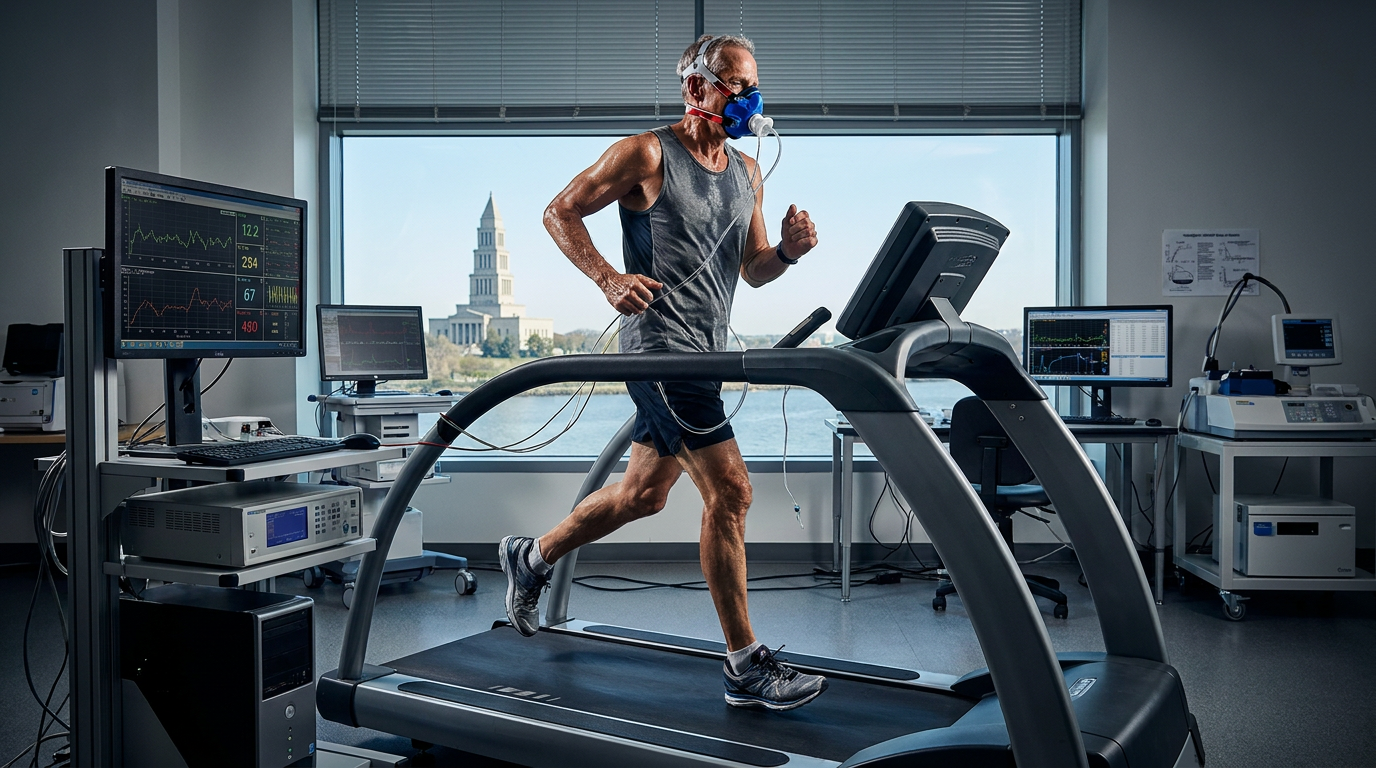
Exercise scientists stress that 'go get some exercise' is as unhelpful a prescription as 'go take some pills.' They focus on the specific dose-response relationship of movement. For anxiety, they recommend steady-state Zone 2 cardio to downregulate the sympathetic nervous system. For depression, they often prescribe progressive overload in resistance training to build self-efficacy and stimulate central nervous system adaptation. They caution against high-intensity interval training (HIIT) for highly anxious patients, noting that excessive physiological stress can sometimes mimic panic symptoms and spike cortisol if not properly managed.
What we don't know
- The exact 'minimum effective dose' of exercise required to trigger neuroplastic changes in the hippocampus.
- How genetic variations in the endocannabinoid system affect an individual's mental health response to aerobic exercise.
- Long-term adherence rates for patients prescribed exercise compared to those prescribed daily SSRI medications.
Key terms
- BDNF (Brain-Derived Neurotrophic Factor)
- A protein that promotes the survival of nerve cells and the growth of new neural connections, often stimulated by physical exercise.
- Endocannabinoid System
- A complex cell-signaling system in the brain and body that regulates mood, stress, and pain, which is activated during sustained physical activity.
- Psychomotor Retardation
- A visible slowing of physical and emotional reactions, commonly experienced by individuals during severe depressive episodes.
- Anhedonia
- The inability to feel pleasure in normally pleasurable activities, a core symptom of major depressive disorder.
- Neuroplasticity
- The brain's ability to reorganize itself by forming new neural connections throughout life, a process essential for recovering from depression.
Frequently asked
Can exercise replace my antidepressant medication?
For mild to moderate depression, evidence shows exercise can be as effective as medication, but patients should never alter or stop their medication regimen without consulting their prescribing doctor.
How much exercise is needed to see mental health benefits?
The WHO recommends 150 minutes of moderate activity per week, though recent studies show even 10-minute 'movement snacks' can acutely reduce anxiety symptoms.
What type of exercise is best for anxiety?
Aerobic exercises like running, cycling, and swimming show the strongest clinical efficacy for reducing symptoms of generalized anxiety by regulating the nervous system.
Does weightlifting help with depression?
Yes, resistance training has demonstrated profound, independent effects on clinical depression, strongly correlating with improved self-efficacy and reduced rumination.
Sources
Source coverage
7 outlets
3 viewpoints surfaced







[1]Factlen Editorial TeamExercise Physiologists
Synthesis by Factlen editorial team
Read on Factlen Editorial Team →[2]British Medical JournalExercise Physiologists
Effect of exercise for depression: systematic review and network meta-analysis of randomised controlled trials
Read on British Medical Journal →[3]World Health OrganizationPublic Health Advocates
Physical activity and mental health guidelines
Read on World Health Organization →[4]American Psychological AssociationClinical Psychiatrists
Working out boosts brain health
Read on American Psychological Association →[5]The Washington PostExercise Physiologists
Can exercise replace antidepressants? What the latest trials show.
Read on The Washington Post →[6]NPRPublic Health Advocates
How 10-minute 'movement snacks' can rapidly lower your anxiety
Read on NPR →[7]Harvard Medical SchoolClinical Psychiatrists
Exercise is an all-natural treatment to fight depression
Read on Harvard Medical School →

Every angle. Every day.
Get health stories with full source coverage and perspective breakdowns delivered to your inbox.